

The Messenger Of Peace
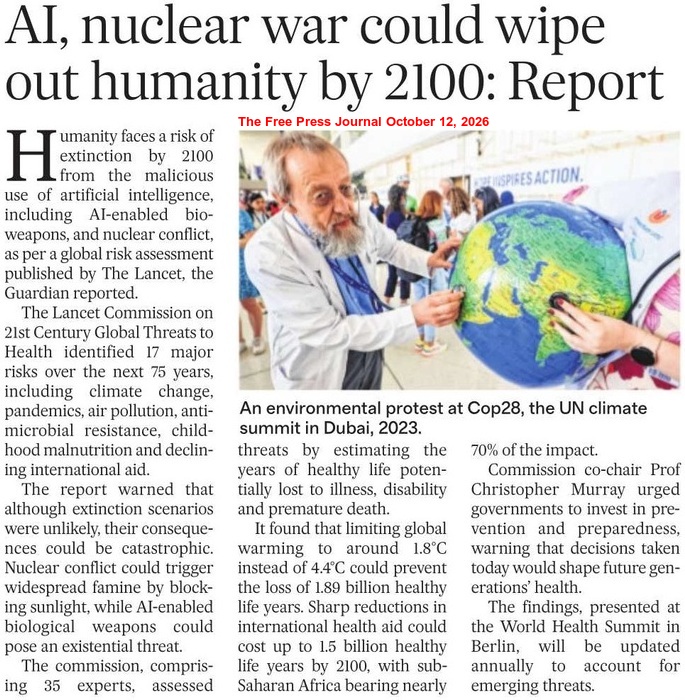
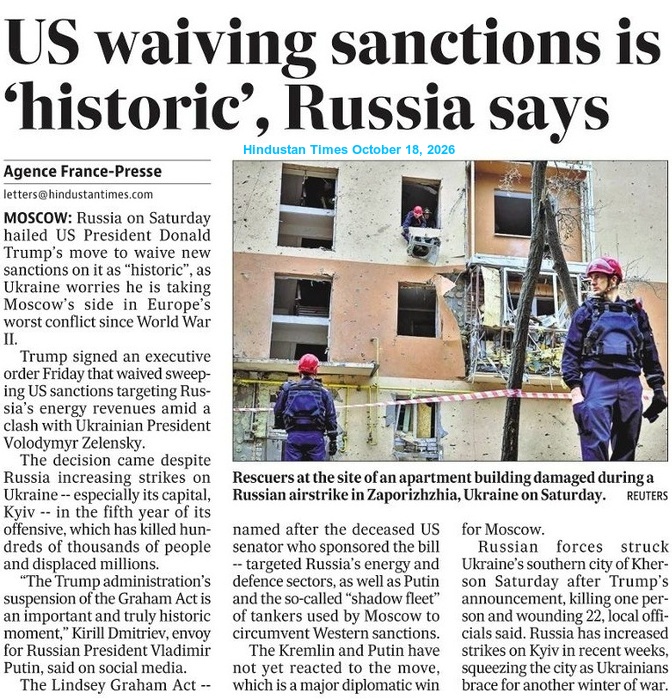
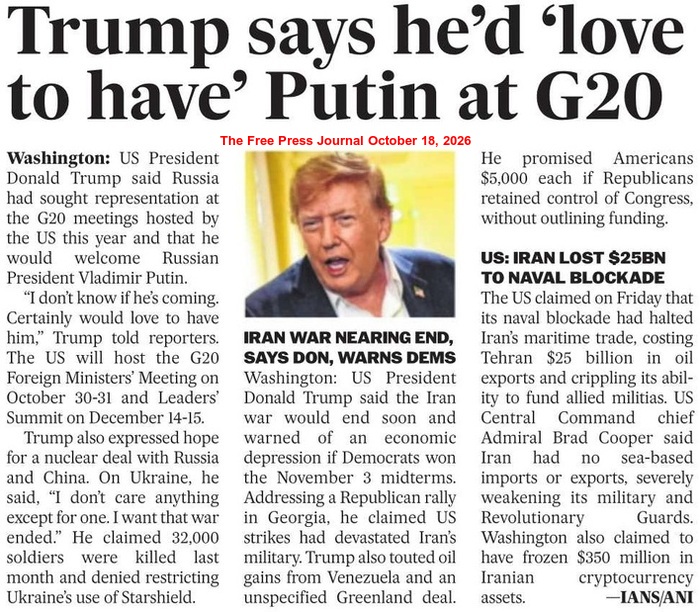
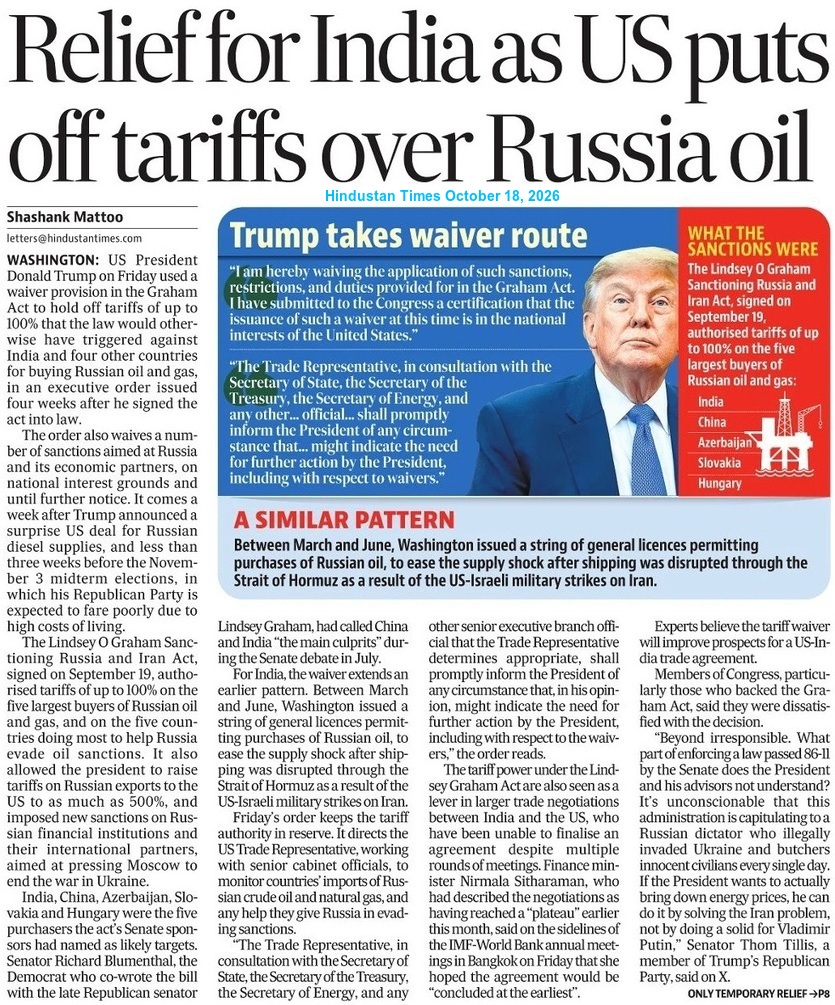
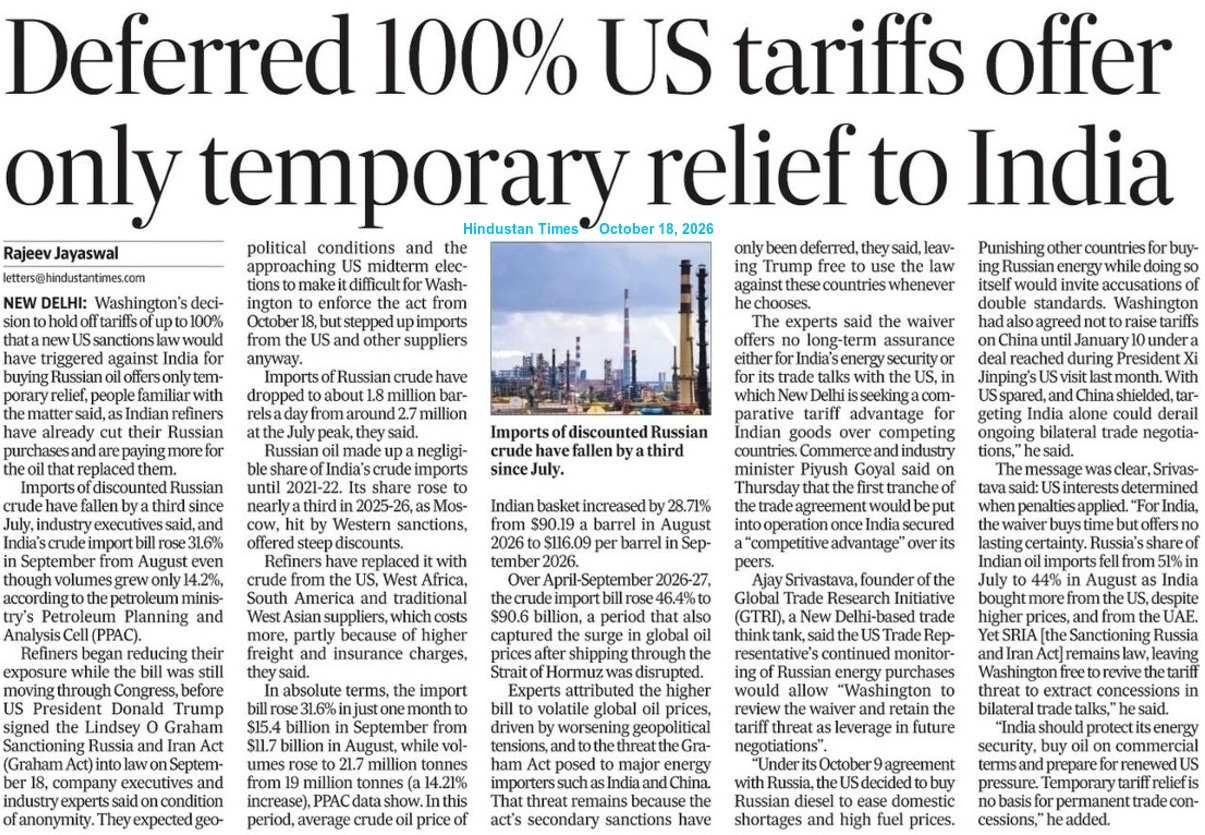
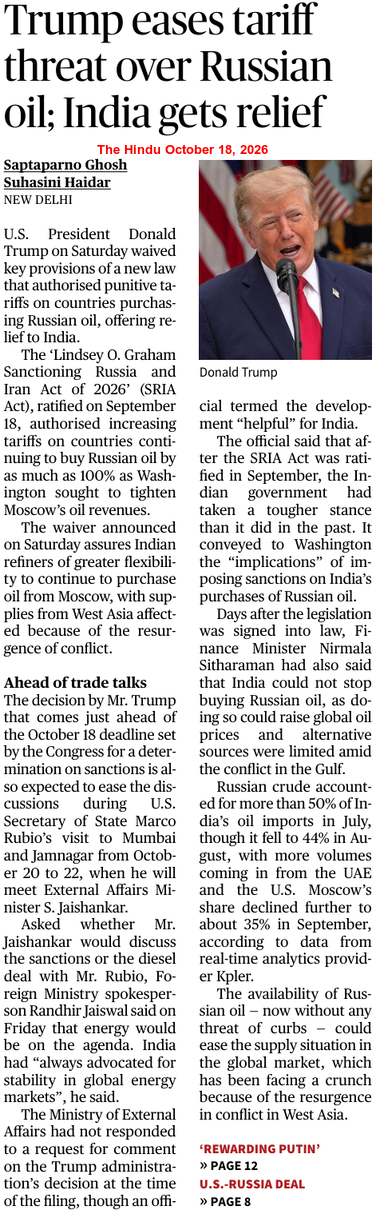
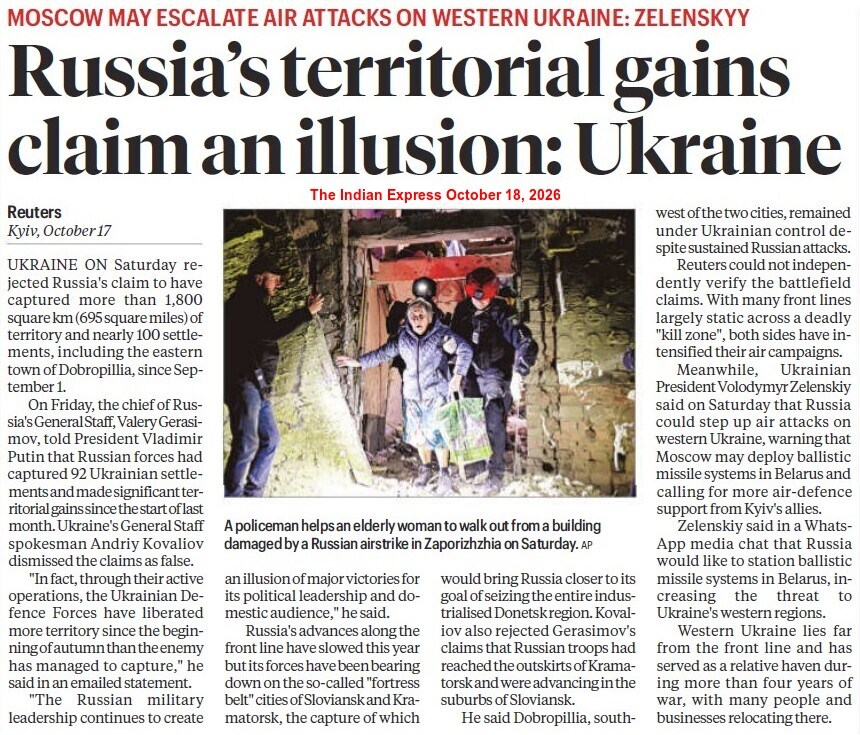
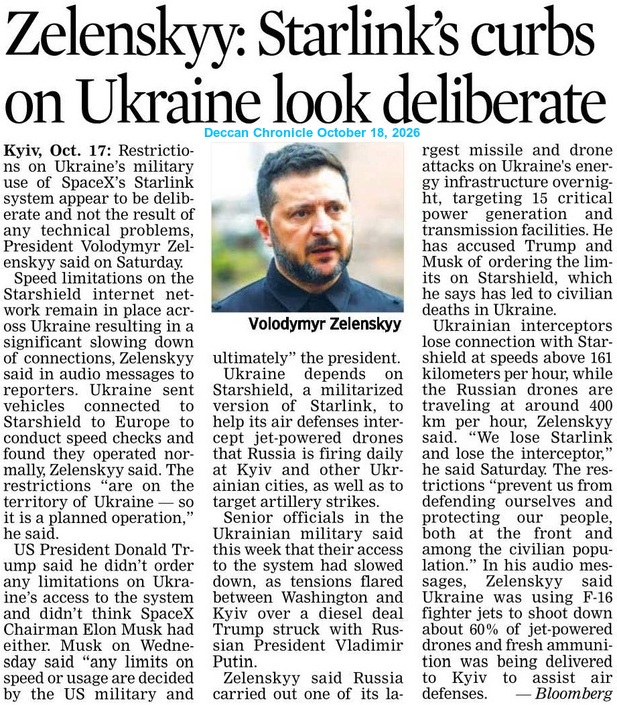
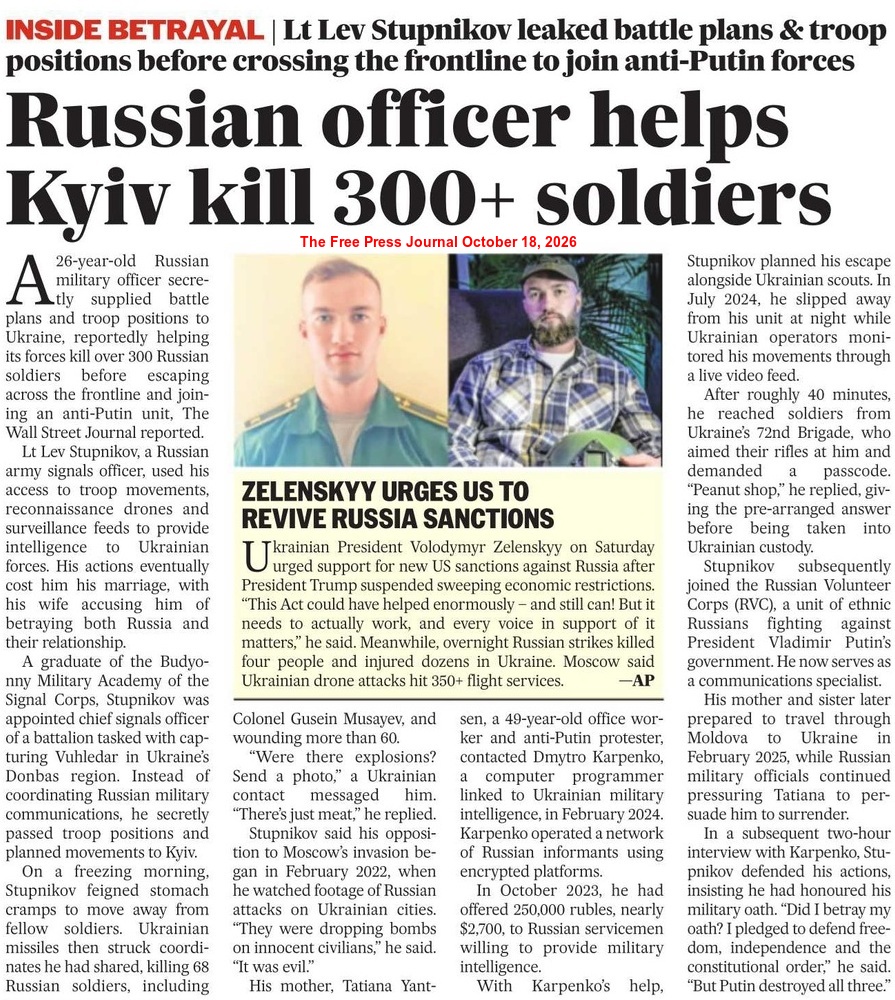
Amidst the bloodshed of the Russia-Ukraine War (now entering its fifth year), India is driving a new polarisation in global geopolitics in a different sense. Although New Delhi remained a silent spectator or maintained a neutral stance on various sensitive global issues for a long time, it has now shifted its position. The South Asian nation has made it clear that its role is not merely to advocate for verbal discussions; but to step into the role of a direct and effective mediator in an attempt to resolve serious crises, like the Russia-Ukraine War. Both Kiev and Moscow have welcomed the Three-part Peace Initiative proposed by India at the bilateral level.
Andrii Sybiha, the Foreign Minister of Ukraine, has stated that Kiev recently received ceasefire proposals from a total of four countries – India, the US, Turkey and Egypt, with India’s proposal being the most detailed and comprehensive. The three pillars of India’s peace proposal are: Halting Infrastructure Attacks: An immediate cessation of mutual military strikes targeting energy grids, oil refineries, port facilities and other civilian infrastructure. Unimpeded Black Sea Commerce: Securing the continuous, uninterrupted movement of crucial grain, crude oil and fertiliser supplies through vital Black Sea trade ports to stabilise global commodity prices. Safety of Commercial Shipping: A complete halt to targeting merchant vessels and their crews. This point is deeply significant to India following recent Black Sea strikes that placed Indian merchant seafarers in immediate peril.
It may be noted that India aims to shield the Global South from debilitating economic shocks by bypassing unresolved territorial disputes to focus purely on the global 4F Crisis (Food, Fuel, Fertiliser and Finance). Most importantly, Russian President Vladimir Putin has shown a positive attitude, praising the peace initiative proposed by Indian Prime Minister Narendra Modi.
Specific geopolitical and economic equations are currently driving India’s efforts towards the ceasefire between Russia and Ukraine. As global supply chains for food, fuel and fertiliser have been severely disrupted because of the ongoing Russia-Ukraine War, India – as a leading power of the Global South – believes that poor and developing nations are the ones most affected by the economic shock. Hence, New Delhi has taken initiatives to end this war in an attempt to safeguard the economy stability, as well as security, of itself and the Global South.
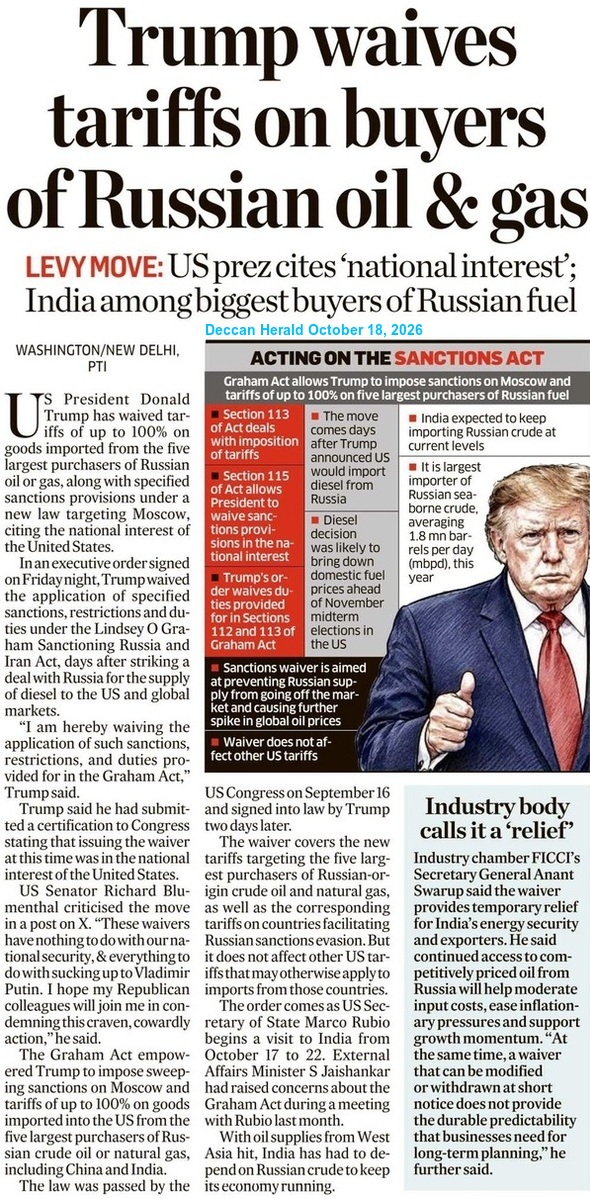
Moreover, Western sanctions have accelerated Russia’s economic, financial and technological dependence on China, creating a deep power asymmetry in the relationship. The emergence of the Russia-China axis, amidst the backdrop of the China-India border conflict and geopolitical rivalry, poses a significant risk to New Delhi. After considering this equation, The Modi Administration has stepped in to mediate mainly to maintain the geopolitical balance and to prevent Russia from being cornered on the global stage. One must not forget that there is currently no credible party capable of bridging the deep mistrust between the Western World and Russia. In such a situation, India seeks to establish itself as a reliable global power by leveraging its long-standing tradition of non-alignment and its current economic, as well as military, standing.
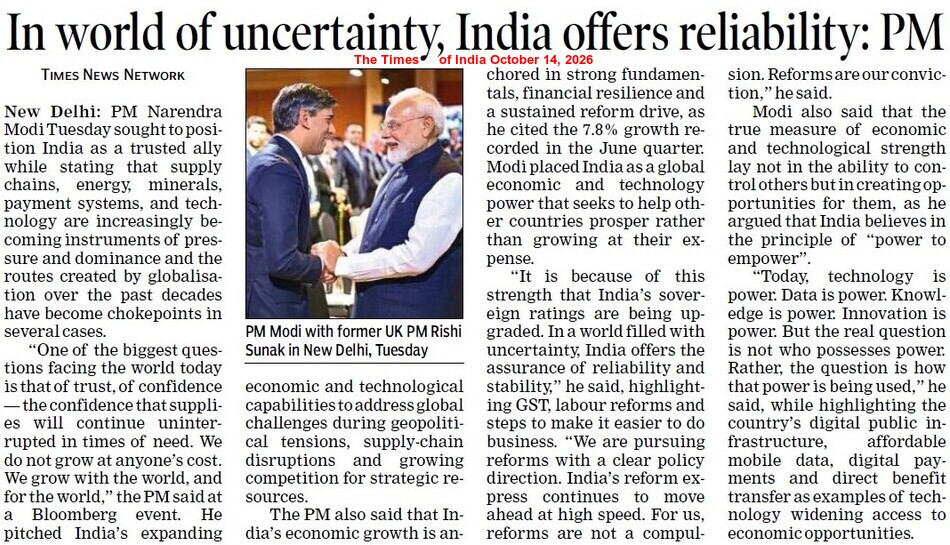
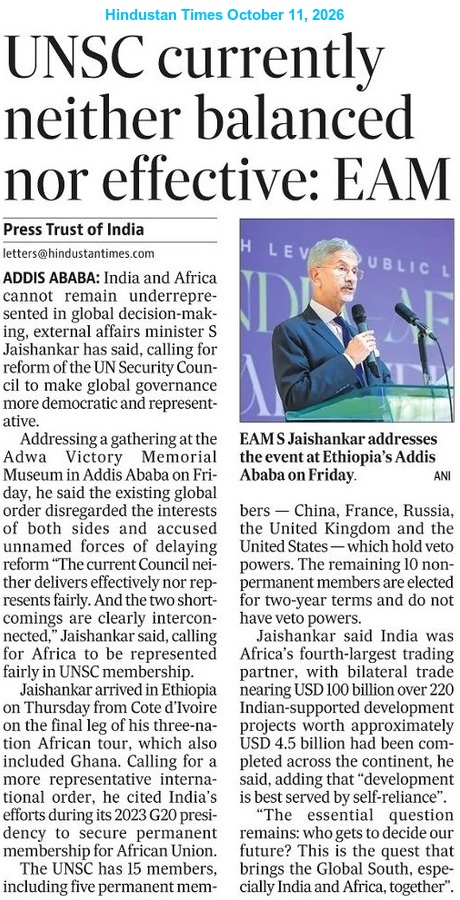
It is noteworthy that even slight progress in breaking the deadlock would strengthen India’s position in contemporary multilateral diplomacy. Also, India’s bid for a permanent seat on the UN Security Council will be further strengthened. The Russia-Ukraine War is not confined merely to the borders of two nations. Instead, it has pushed the future of humanity toward uncertainty. In this context, India’s diplomatic effort is not just about serving (own) geopolitical interests, but represents a moral responsibility towards global peace.
If Prime Minister Modi’s cautionary message – This is not an era of war – can bring about a lasting ceasefire between Kiev and Moscow, it will certainly mark India’s greatest historic success in 21st Century diplomacy.
Meanwhile,
Boundless Ocean of Politics on Facebook
Boundless Ocean of Politics on Twitter
Boundless Ocean of Politics on Linkedin
Contact us: kousdas@gmail.com

 ISMC
ISMC
