

The Great Betrayal
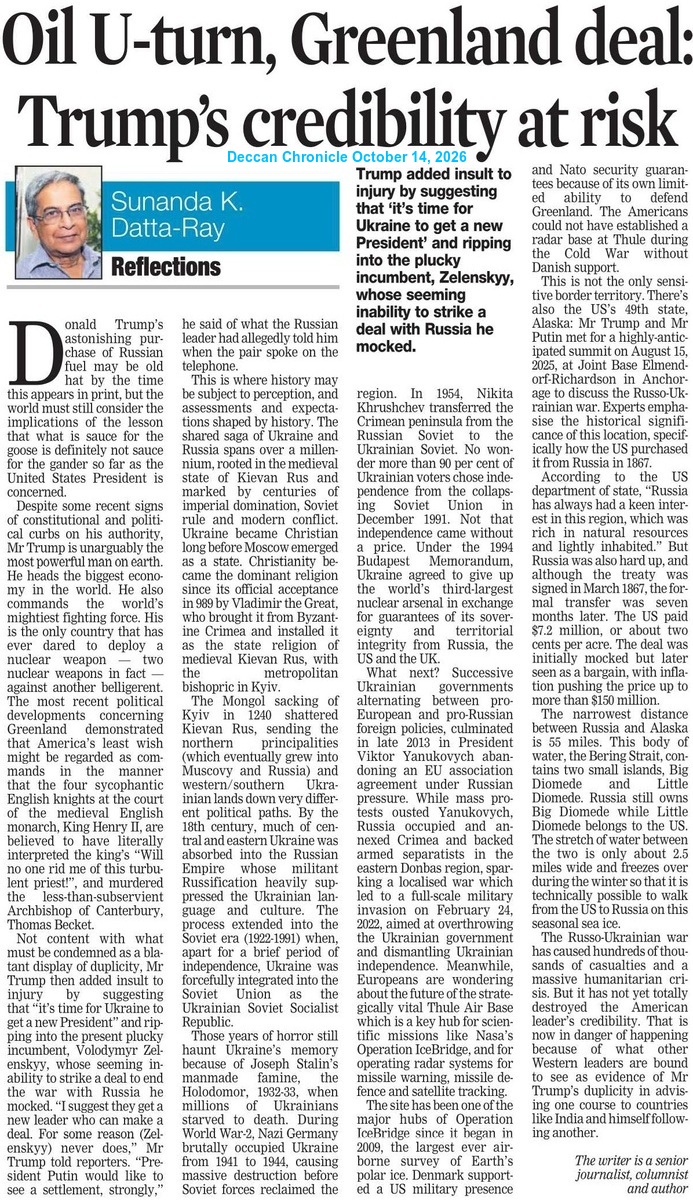
The conflict between principles (ethics, human rights, international law) and interests (security, economic survival, power projection) is perennial in global geopolitics. However, US President Donald John Trump has taken the double standard to an unprecedented level. The US, which has been advocating for the imposition of successive harsh economic sanctions on Russia amidst the Ukraine War, has itself turned to the Kremlin for energy supply. In other words, Washington DC has actively bypassed its own economic sanctions against Moscow by securing an energy deal for Russian diesel and maintaining critical exemptions for Russian uranium.
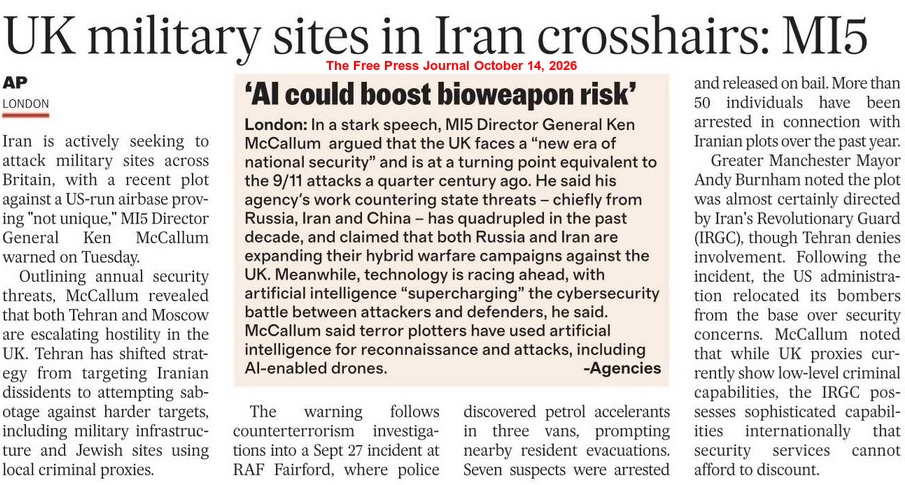
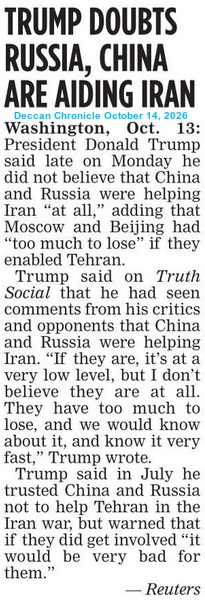
President Trump recently announced a direct agreement with his Russian counterpart Vladimir Vladimirovich Putin to supply over three million metric tonnes of Russian diesel to US and global markets. The US Department of the Treasury immediately issued temporary waivers to lift trade restrictions that had banned Russian petroleum imports since 2022 in order to facilitate this. As expected, President Trump’s move has raised serious doubts within the international community regarding the so-called moral stance of the US and the effectiveness of its global sanctions.
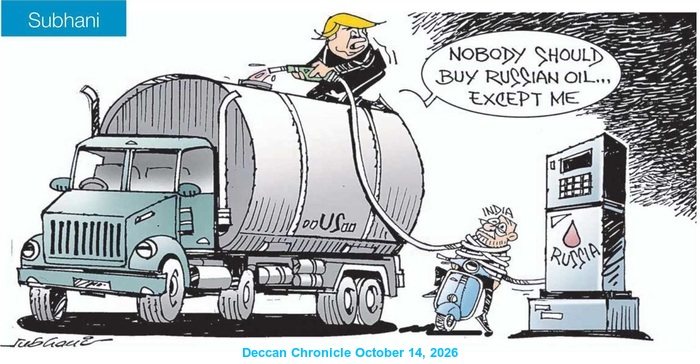
The US Administration has explicitly maintained for years that purchasing Russian fossil fuels directly funds President Putin’s war chest and prolonging the aggression against Ukraine. Based on this very argument, the Trump Administration imposed an additional 25% trade tariff on India in 2025 for purchasing Russian oil. Even President Trump signed the Lindsey O Graham Sanctioning Russia and Iran Act of 2026 on September 18, 2026, following Congressional approval, to impose tariffs of up to 100% on countries importing oil from Russia.
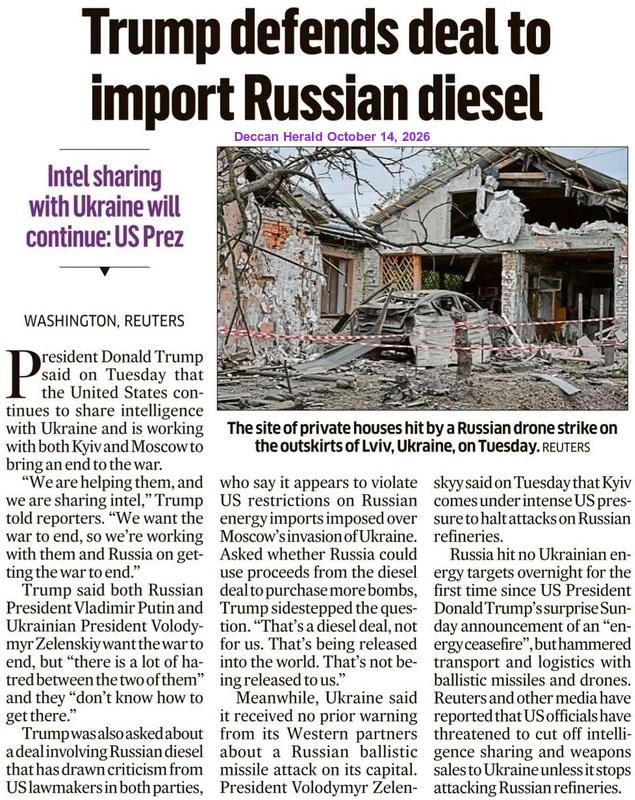
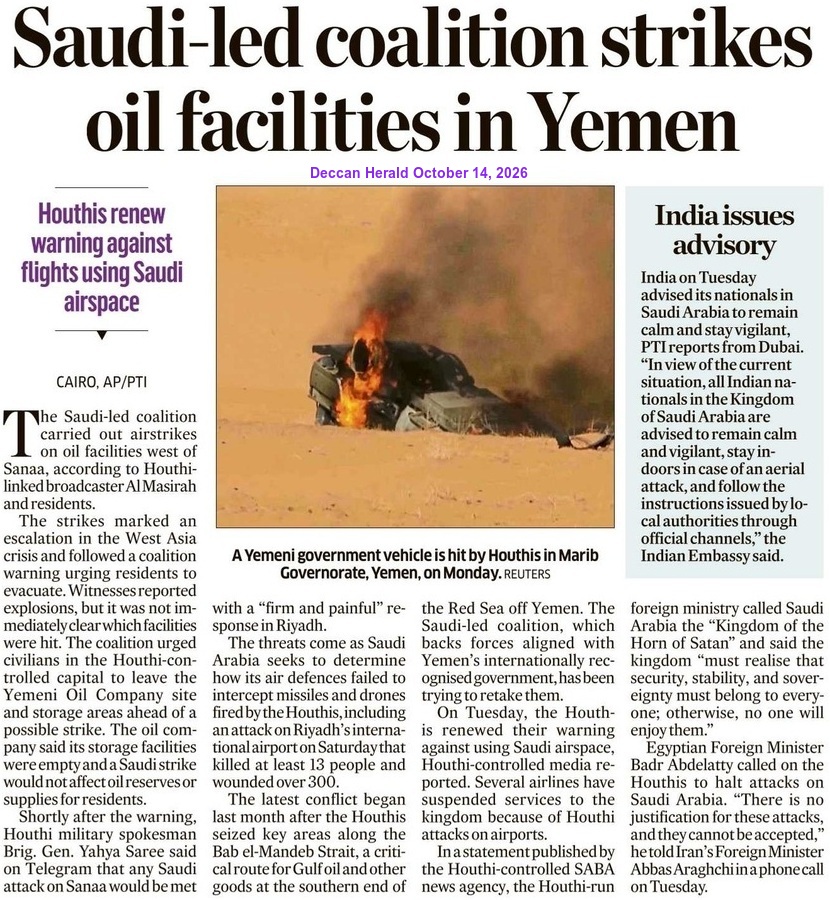
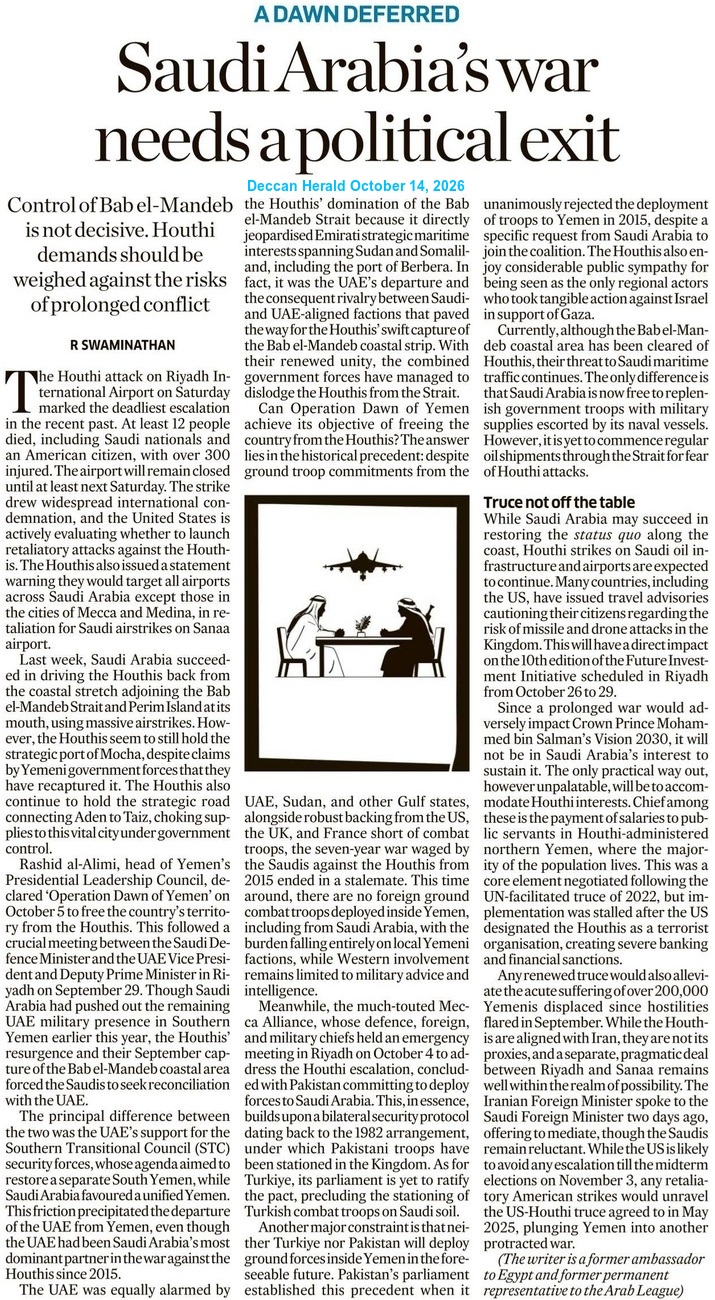
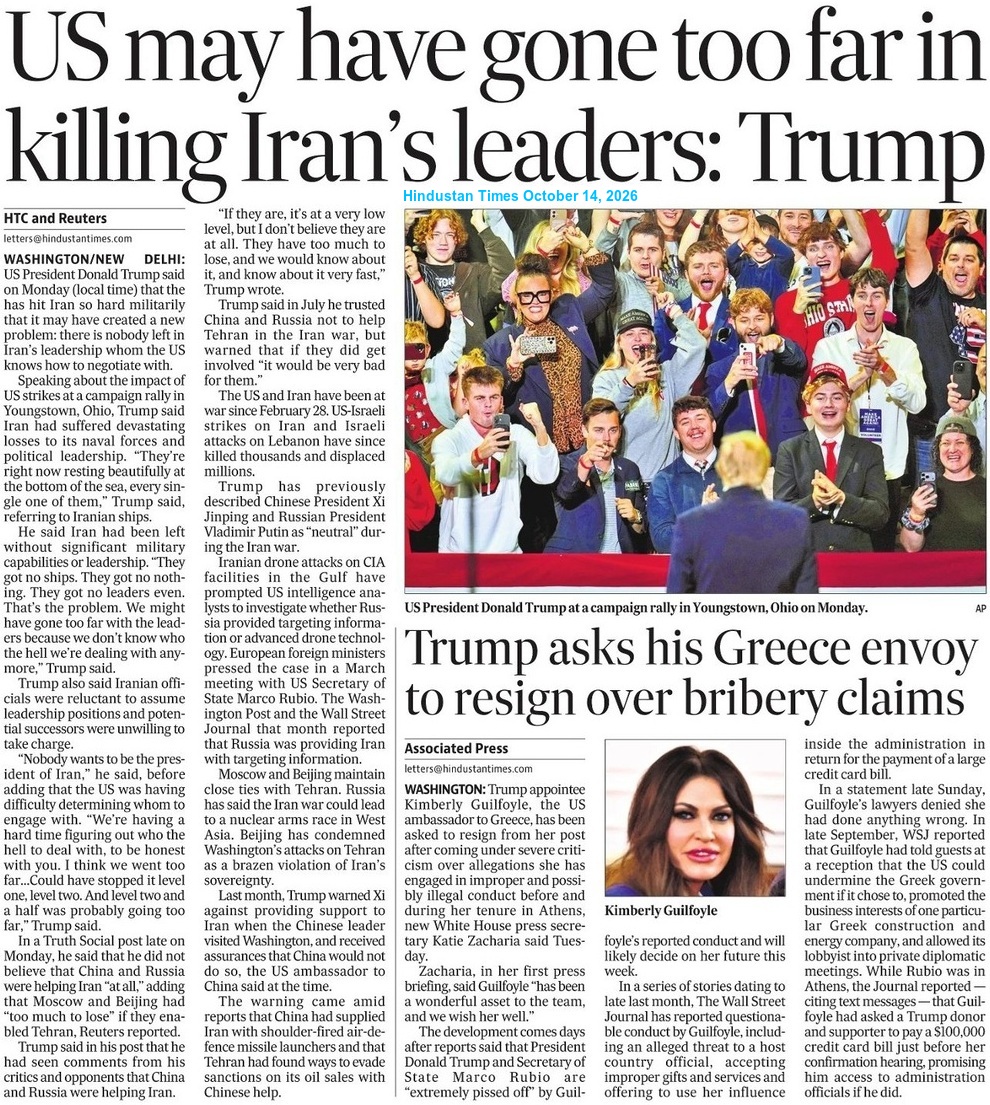
It may be noted that the primary reason for this sudden shift in US policy is its internal economic and political crises, such as soaring inflation, high energy costs stemming from the war with Iran and massive Federal debt. Fuel prices in the US have surged as Brent crude oil climbed above USD 100 per barrel driven by the escalating US-Iran conflict, tanker attacks near the Strait of Hormuz and a tightening global supply of refined products. As midterm elections are scheduled to be held in the US on November 3, 2026, it becomes crucial for President Trump to first pacify disgruntled voters, farmers and truck drivers, and to save the political future of the Republican Party. Hence, he has turned to the Kremlin.
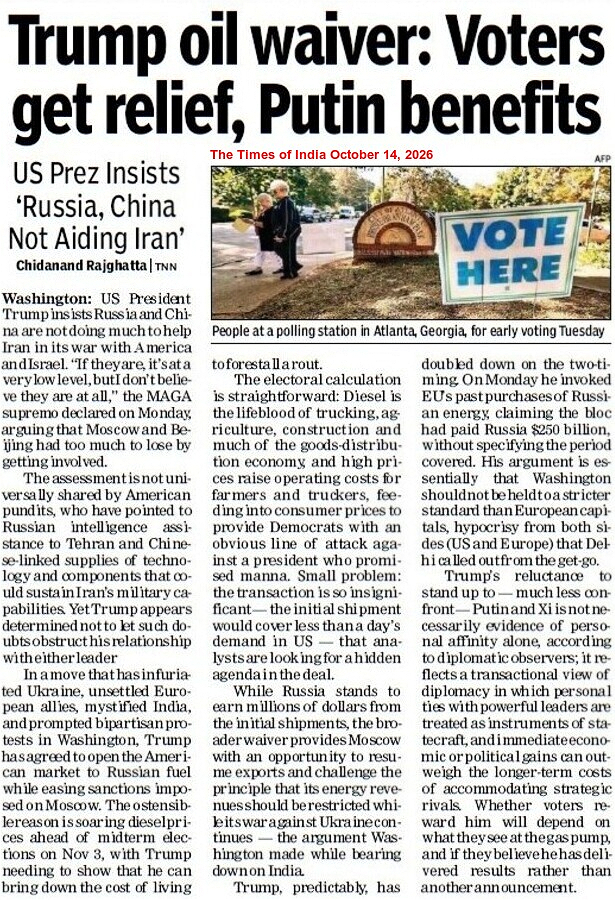
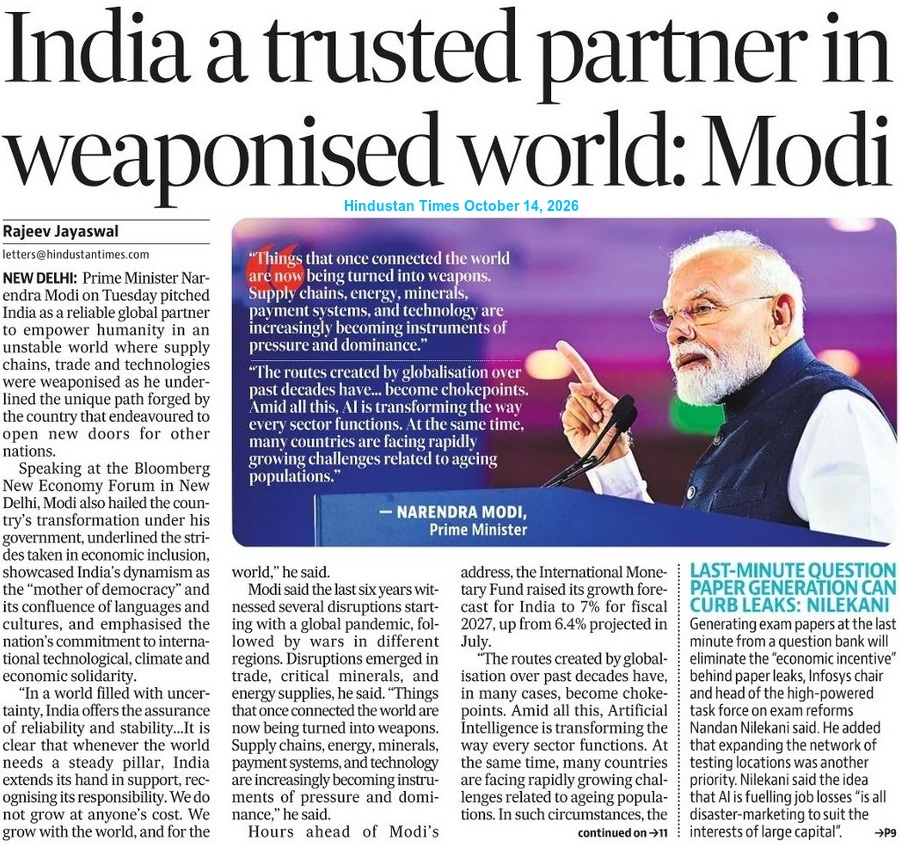
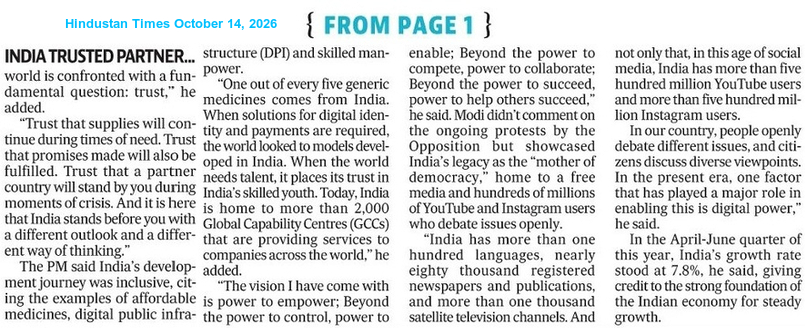
This move would certainly have an impact on global geopolitics. It has helped President Putin to secure a diplomatic victory by breaking through the web of Western sanctions. At a time when the European Union (EU) remains steadfast in its policy of shunning Russian energy, this particular move by President Trump will cause a major rift in the unity of NATO and Western allies. However, this double standard on the part of the US will strengthen India’s global strategic position on purchasing Russian oil. India previously stated that national interest and energy security could not be matters of one-sided compromise. New Delhi also argued that national interest and diversified sourcing must guide energy policy rather than external pressure.
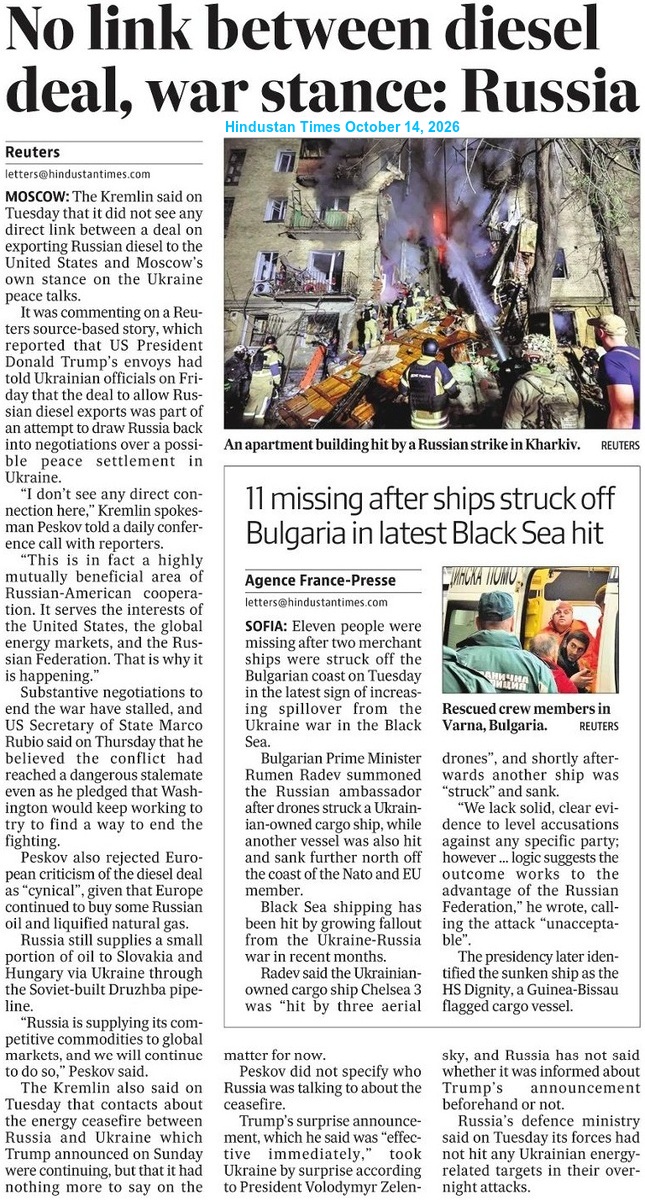
The move by President Trump also demonstrates that his America First policy reflects a double standard, where rules are bent to serve domestic interests (of the US) but strictly enforced to penalise others. If the US can rely on Russian oil for the sake of its own economy, then an emerging economy, like India, should also have the right to protect its own interests. The world must now accept the reality of a multifaceted polarisation, where distinctiveness is the only key to survival.
Meanwhile,
Boundless Ocean of Politics on Facebook
Boundless Ocean of Politics on Twitter
Boundless Ocean of Politics on Linkedin
Contact us: kousdas@gmail.com

 ISMC
ISMC
