

The Real Gainer
China has played no direct or indirect role in the firing of a single missile amidst the volatile situation in West Asia. However, India believes that the Asian giant will be the one to benefit the most from the US-Iran conflict, once tensions subside.
Amidst the ceasefire between the US and Iran, initiatives to de-escalate the situation have been taken by a number of countries. Of course, the uncertainty still remains. However, the real challenge will be the reconstruction and reform of Iran, as well as the Gulf region, after normalisation of the situation. Indications from early 2026 strongly suggest that China will play an increasingly important, active and constructive role in the Middle East. According to media reports, the Asian powerhouse is behind Pakistan’s move to mediate the US-Israel-Iran ceasefire as Beijing wants to protect its energy interests and to stabilise trade.
It may be noted that the US entered a Europe devastated by the Second World War in a similar fashion in the 20th Century. The intensifying conflict in West Asia presents a complex mix of structural risks and indirect strategic opportunities for Beijing, particularly as it navigates a domestic economic slowdown. European and the Gulf nations, too, will realign themselves in the wake of recent events. It is a wonderful piece of news for the massive industrial base of China. War still acts as a catalyst for specific industries, creating significant opportunities for profit, growth and innovation.
Neighbouring India is strategically navigating the economic shifts caused by the US-Iran conflict, as well; attempting to capitalise on market opportunities while mitigating risks from rising energy costs and supply chain disruptions. According to the Indian Ministry of External Affairs, it has become clear to the Gulf nations that the security of Israel is far more important to Washington DC than the security of the Arab states. In the near future, India will seek to become increasingly engaged with the evolving security landscape in this particular region. New Delhi has started recalibrating its West Asia policy in response to evolving regional security dynamics. Additionally, Indian companies can play a constructive role in the reconstruction and repair of damaged infrastructure within the oil and energy sectors. However, it is difficult to predict how much India will be able to gain from the competition, if a major power, like China, enters the fray.
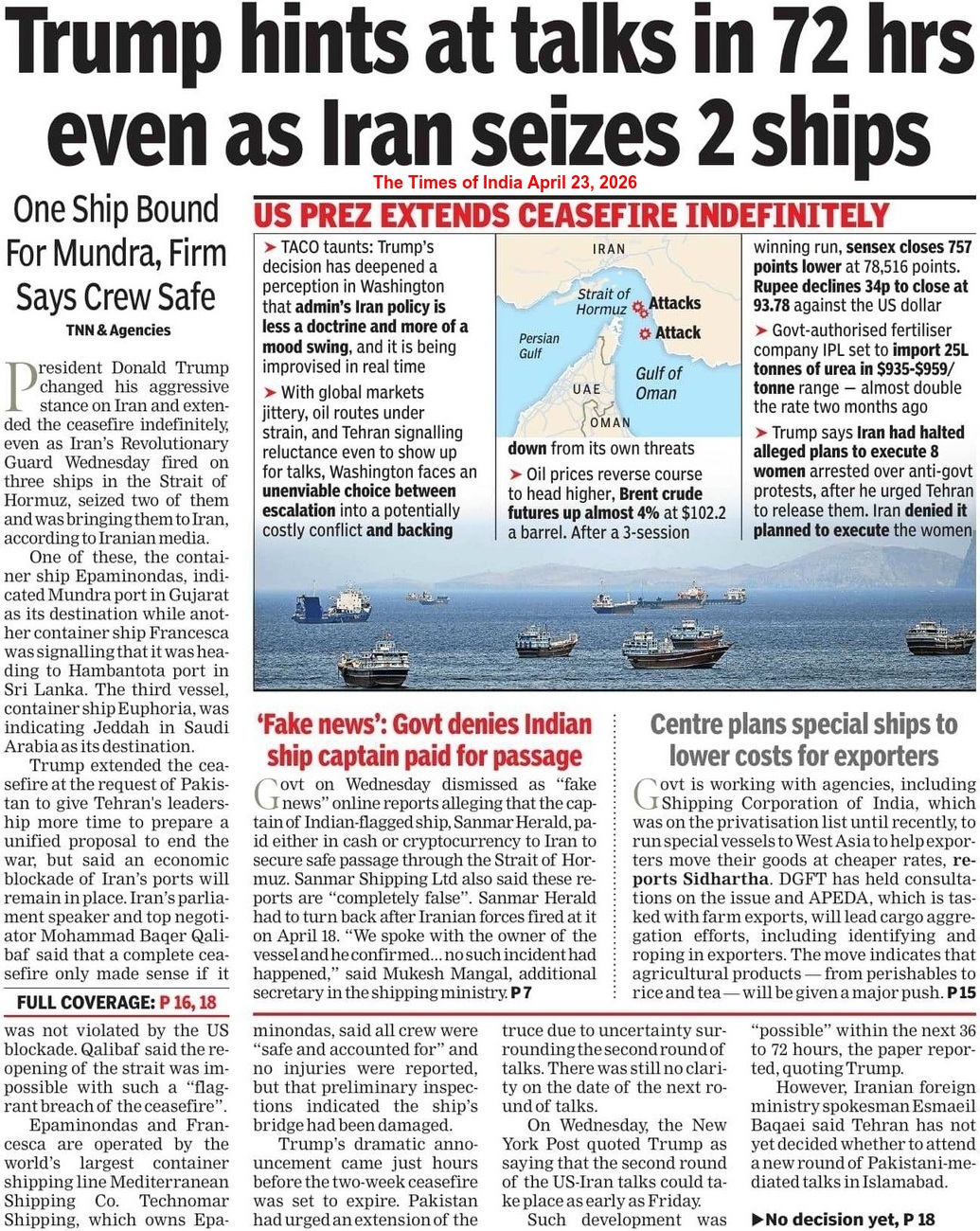
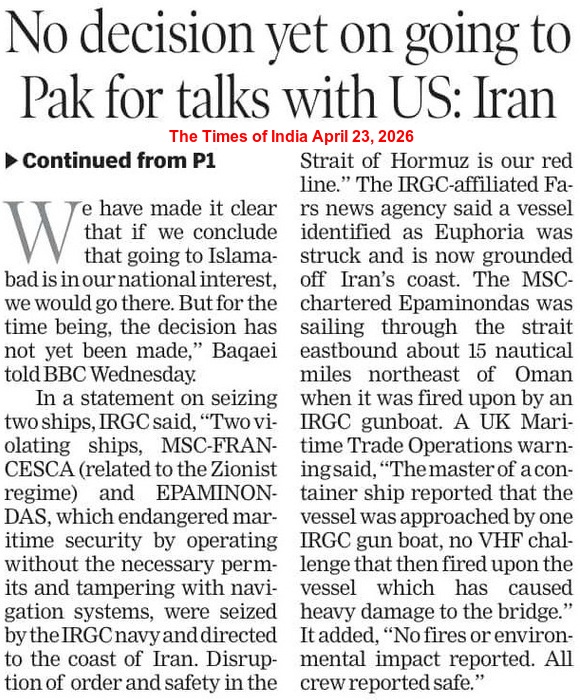
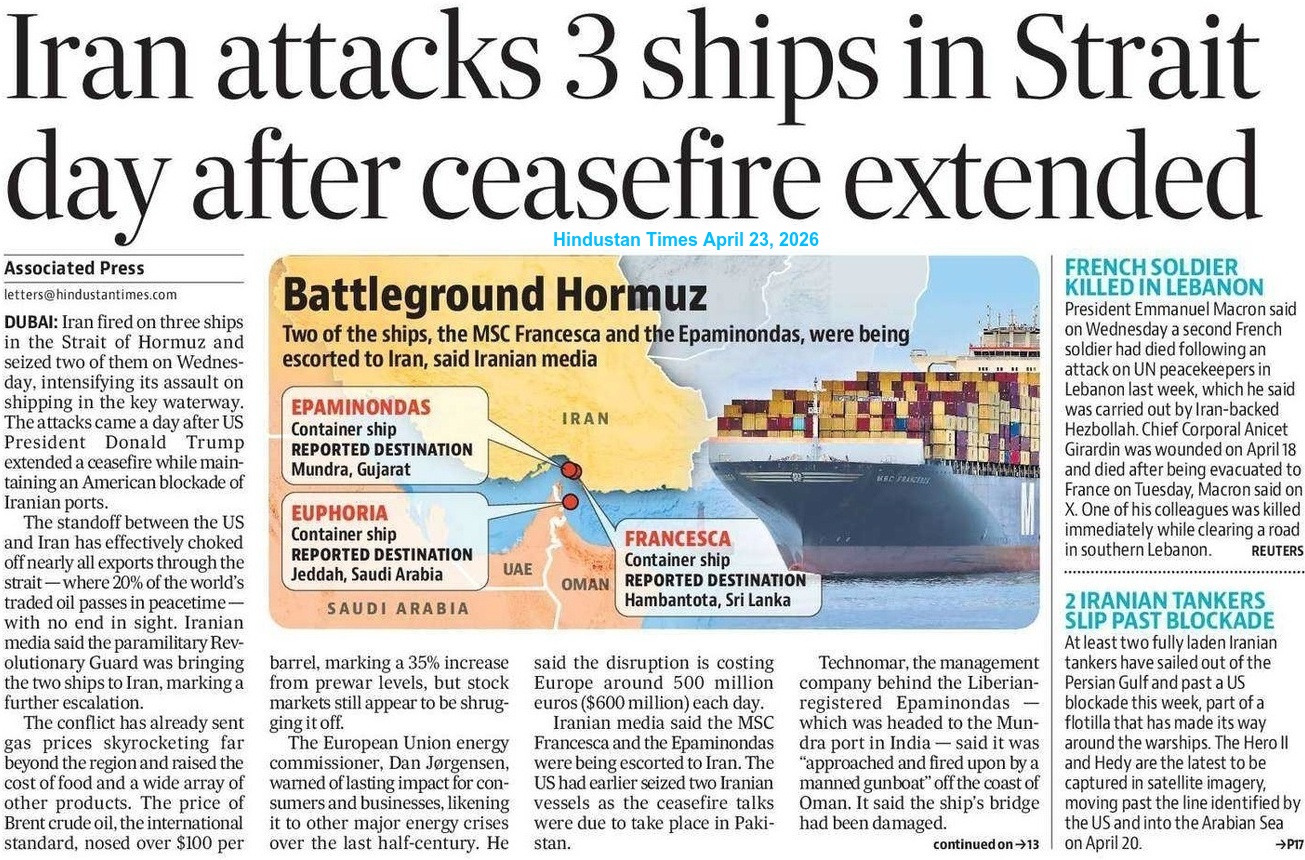
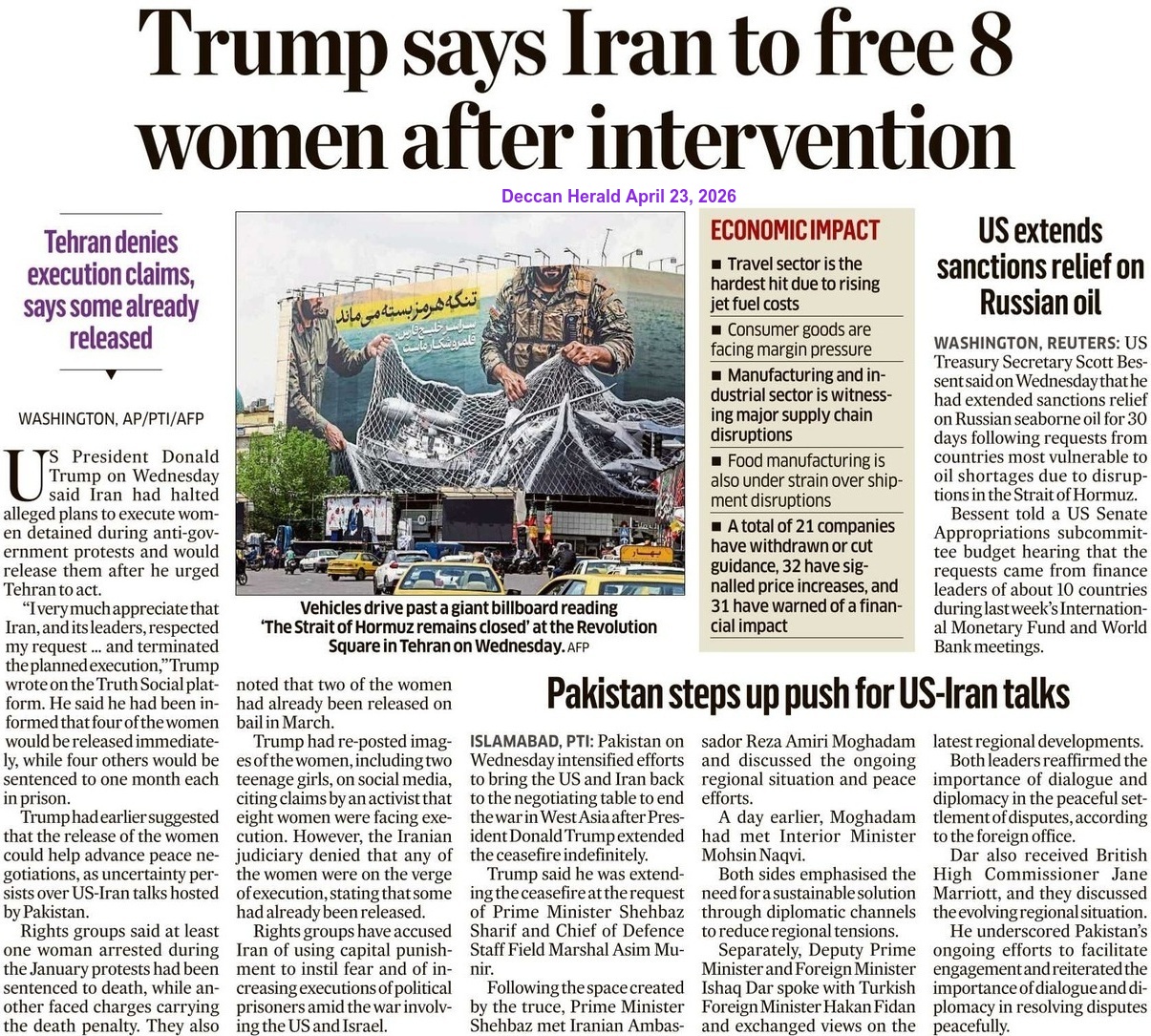
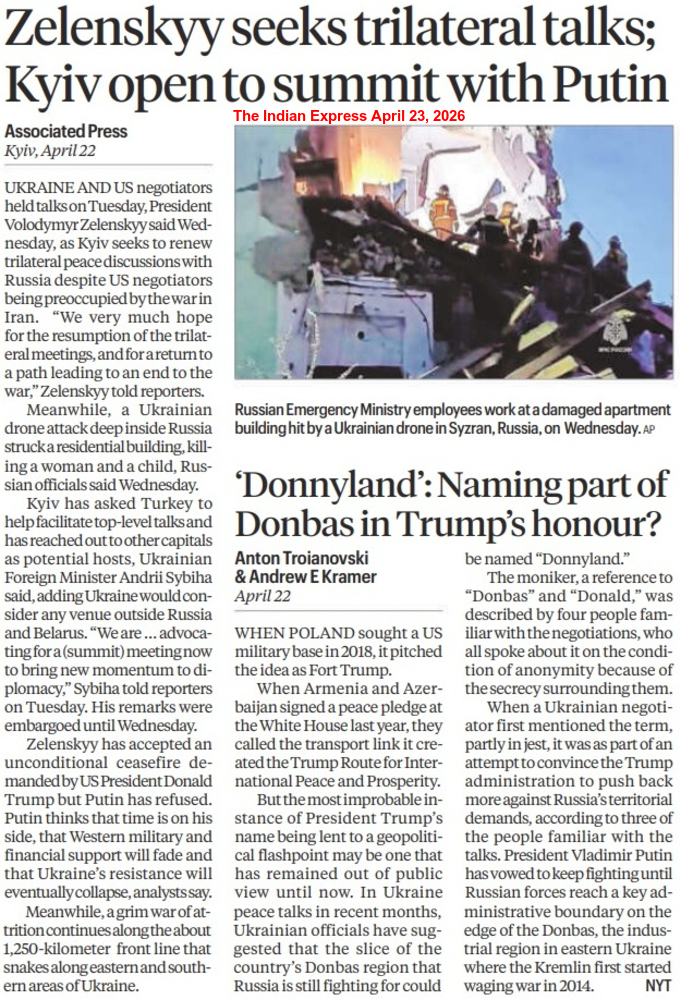
It is also believed that economics and trade, rather than diplomatic initiatives, are set to play a major role in bringing the conflict to an end. Interestingly, the war between Ukraine and Russia has been ongoing for four years. However, it has lost urgency in the global news cycle. On the contrary, various initiatives have been taken by major powers to end the US-Iran conflict. The primary reason for this is that the global economy has not taken a significant hit from the Russia-Ukraine War, despite the sheer brutality. The supply of Russian oil remains intact and the price has declined slightly. Ukraine, too, remains committed to exporting grain and maintaining its role as a key global food supplier. Hence, the global economy has been able to withstand the shock.
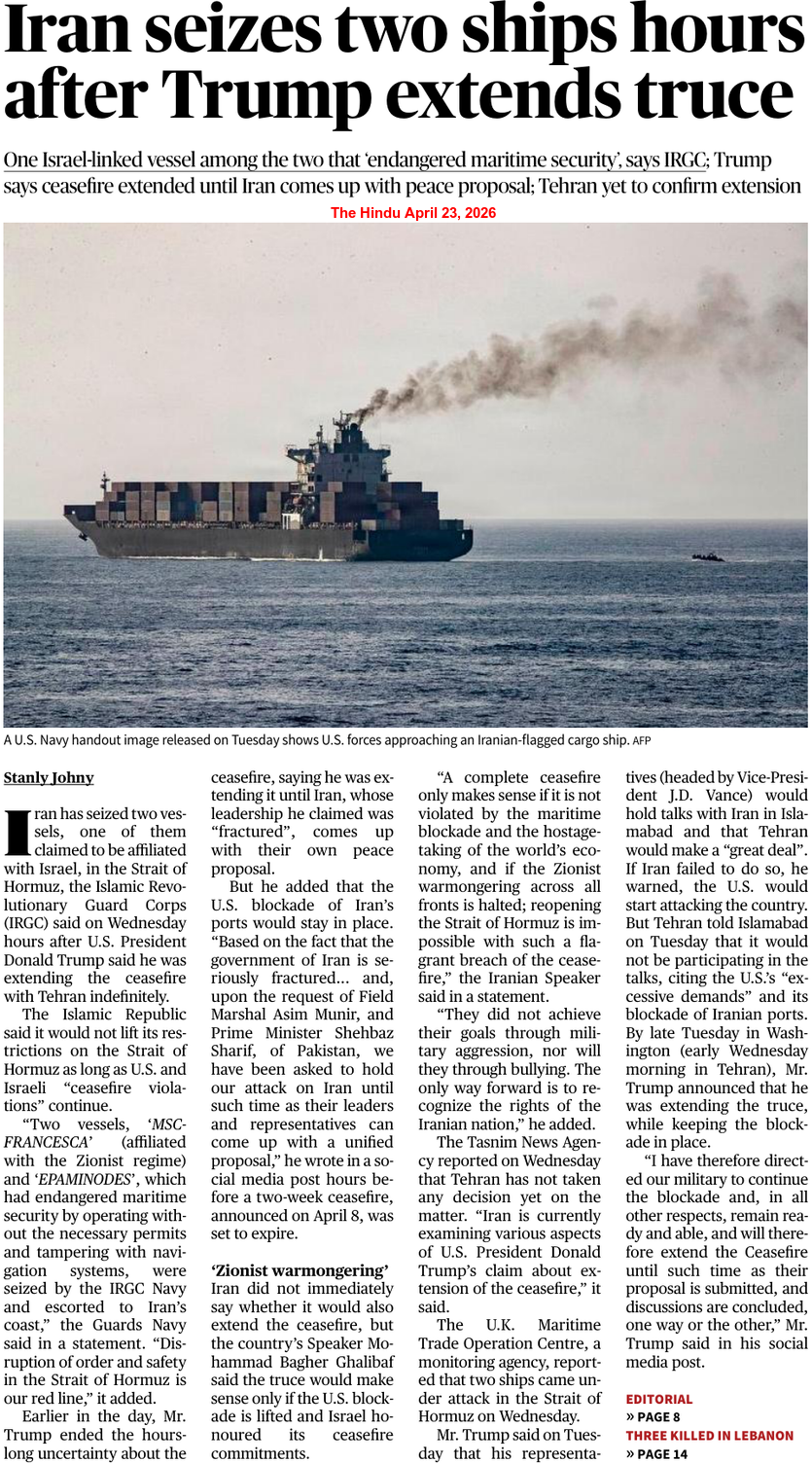
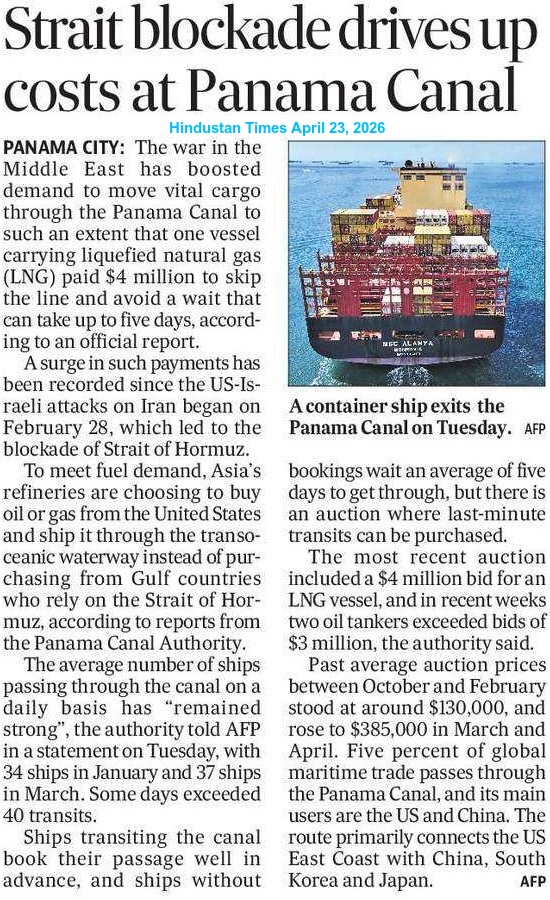
On the other hand, Iran has blocked the very course of the global economy. The Strait of Hormuz, a critical maritime bottleneck handling roughly 20% of global oil consumption, is experiencing severe disruption, causing immediate volatility in energy markets. Iran’s actions in the area have driven international oil prices higher as supplies from Gulf nations, like Saudi Arabia, the UAE and Qatar, are threatened.
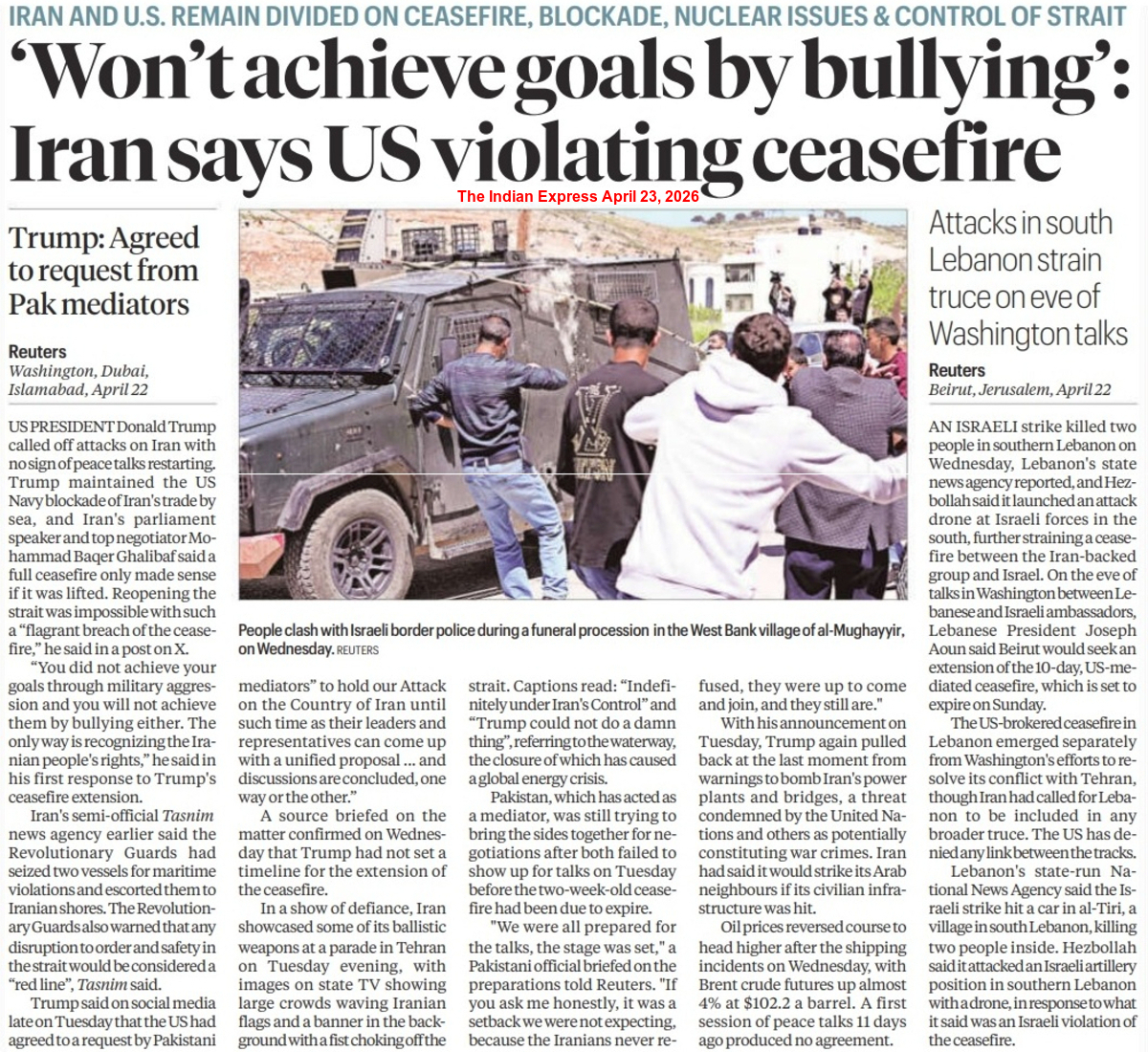
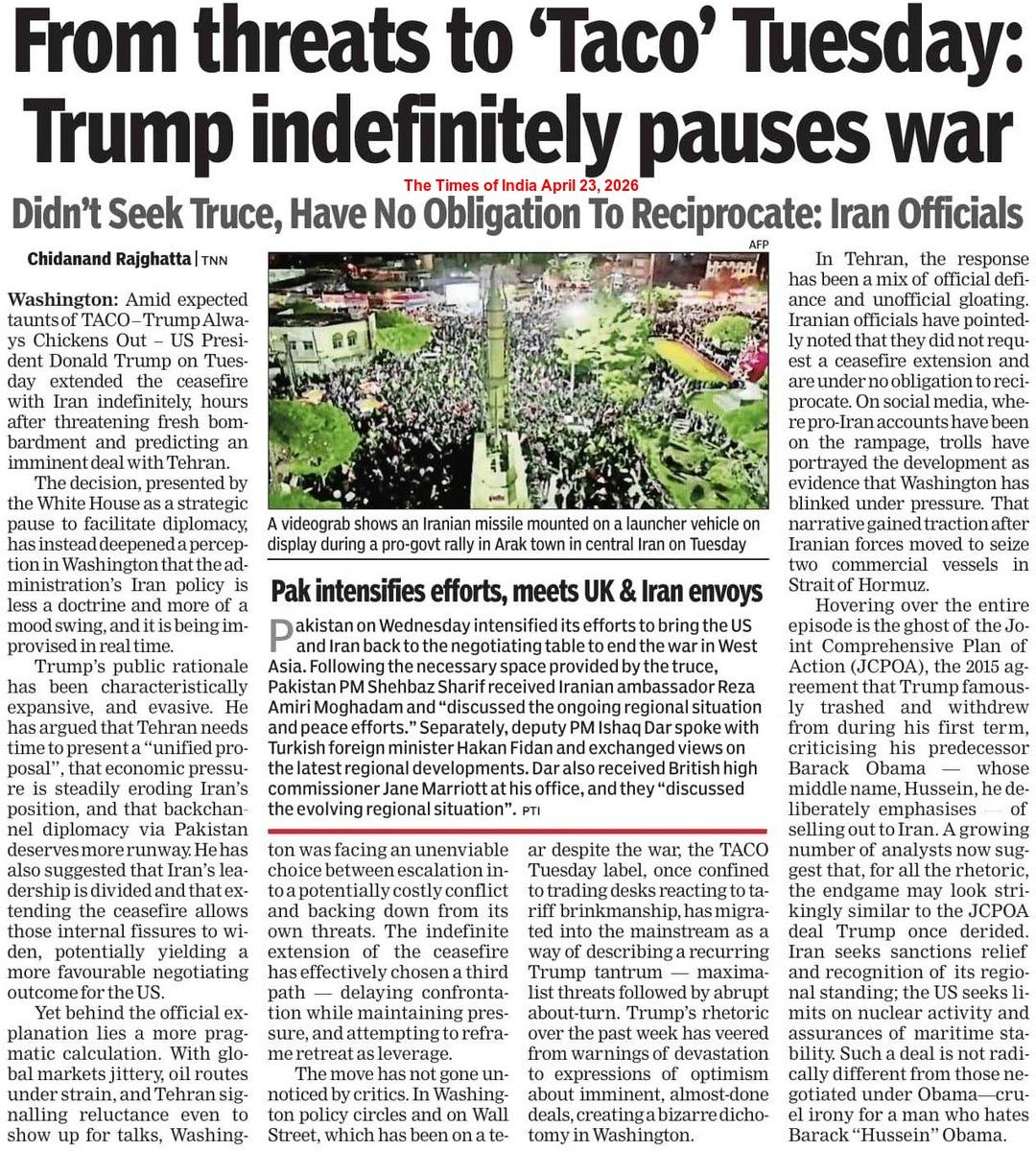
As of the latest data released on April 10, 2026, US inflation has accelerated past the 3% mark, prompting the Donald Trump Administration to yield. The US President faces mounting political pressure, with the Democrats getting an opportunity to target Trump and his Republican Administration.
In other words, geoeconomics, and not geopolitics or geostrategy, has started governing the 21st Century world. The more this is being proven, the more opportunities are opening up for China.
Meanwhile,
Boundless Ocean of Politics on Facebook
Boundless Ocean of Politics on Twitter
Boundless Ocean of Politics on Linkedin
Contact us: kousdas@gmail.com

 ISMC
ISMC Boundless Ocean Of Politics