

Mission Accomplished!
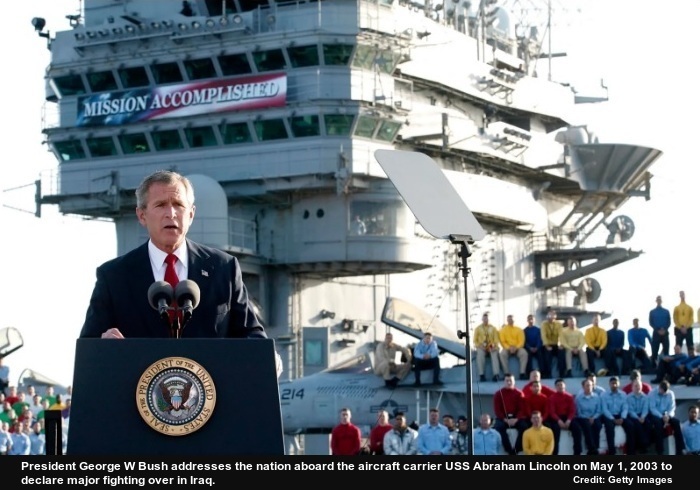
On May 1, 2003, George Walker Bush, the then-President of the US, declared Mission Accomplished in the US-NATO invasion of Iraq, less than two months after the invasion had been launched. As things turned out, Bush’s boastful speech made him a subject of ridicule, as the war lasted another eight years and the US troops still remain in Iraq.
With a multitude of questions still unanswered following the spectacular operation in Venezuela, there are legitimate grounds to ask if Donald John Trump is making the same mistake of prematurely proclaiming victory.
Of the unanswered questions, two are of special significance: Why did the Venezuelan Army not act against the invasion? And was this a regime change, when President Nicolás Maduro Moros’ hand-picked Vice President Delcy Eloína Rodríguez Gómez took over the presidency, apparently with support from Trump? Further, what did Trump mean when he said that the US would “run the country” temporarily, and that the American companies would begin selling Venezuela’s oil? Pete Brian Hegseth, the Secretary of War, outrightly stated that the action gave the US access to “additional wealth and resources” without having to “spend American blood”.
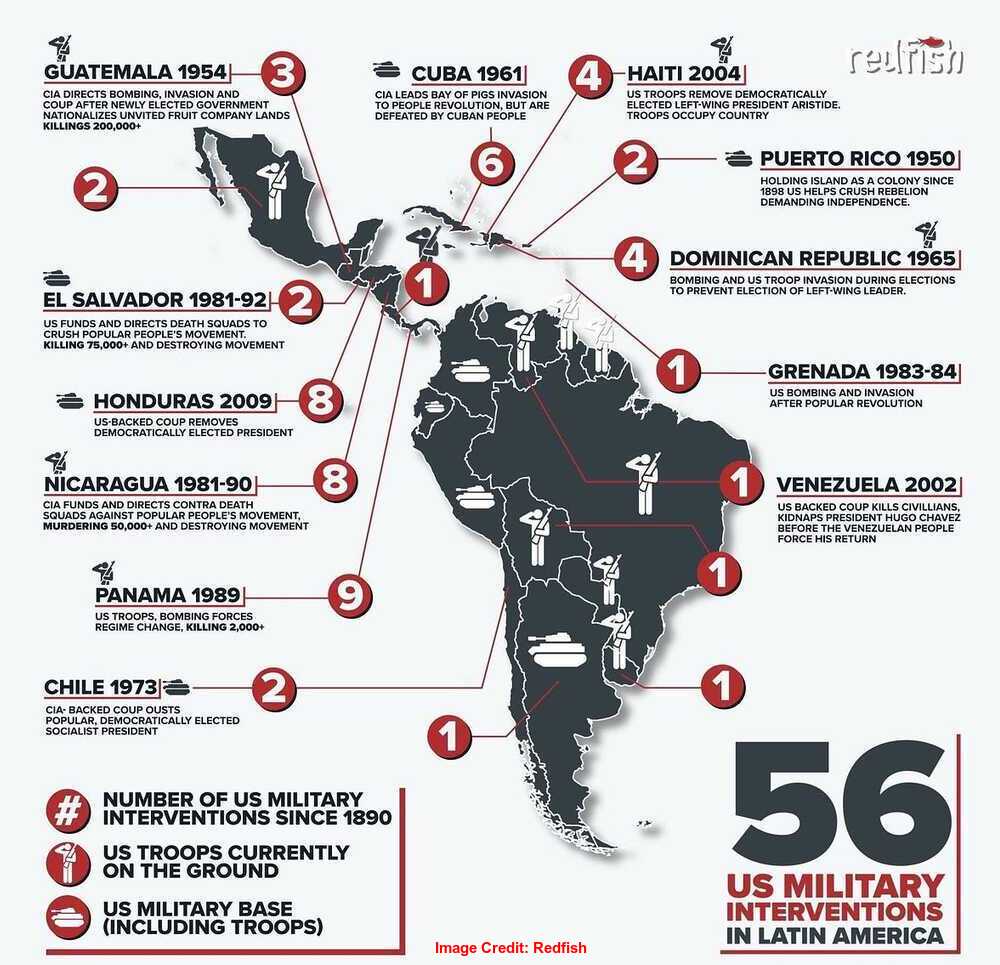
Of note is the expanding role of Marco Antonio Rubio, himself a Cuban American, around the actions in Latin America. In addition to his post as Secretary of State and National Security Adviser, he also runs the centre of regime change in the US Agency for International Development (USAID), and is being called by some the Viceroy of Venezuela. As a long-time advocate of ousting Maduro, Rubio has been associated with the veterans of the CIA-run Cuban mercenaries who were deployed in the anti-Castro Bay of Pigs invasion in 1961.
While many Republicans in the US Congress rallied in support of the Trump Administration’s action, some Democrats complained, but only because the President had not informed the Congress beforehand. Zohran Kwame Mamdani, the newly-elected Mayor of New York who is the one hope among anti-war democrats to counter the party’s neocon leadership, did call President Trump to voice his opposition to the raid and to the pursuit of regime change.
Little mentioned in all the commentary is that Trump is violating his campaign promises to be the President of Peace. It remains to be seen if this shift away from America First will deepen the split in Trump’s MAGA Movement, which had already grown considerably due to his support for Israel’s war policy, including the prospect of US support for another attack on Iran.
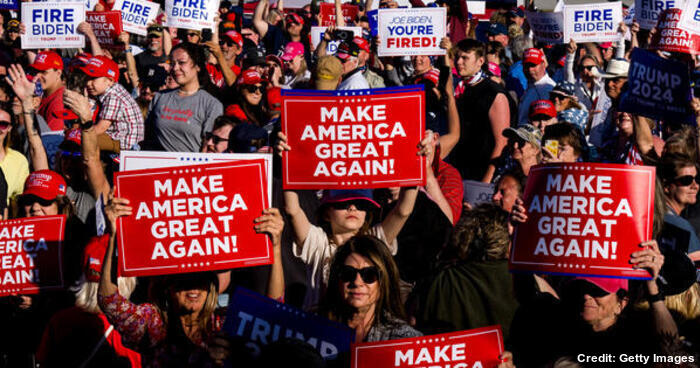
Former Congresswoman Marjorie Taylor Greene, who was a top leader of MAGA before being ousted by Trump for her stance on the Epstein case, delivered a scathing attack on the Trump Administration. She pointed out that if the regime change was really to save Americans from drugs, why hasn’t the administration moved against the Mexican cartels, and why has Trump pardoned former Honduran President Juan Orlando Hernández, a known and convicted trafficker? She observed that removing Maduro “is a clear move for control over Venezuelan oil supplies that will ensure stability for the next obvious regime change war in Iran. And of course, why is it okay for the US to militarily invade, bomb and arrest a foreign leader, but Russia is evil for invading Ukraine and China is bad for aggression against Taiwan? Is it only okay if we do it?” Indeed, Donald Trump’s base is demanding answers to these questions.
Opportunistic EU Leaders Justify Aggression Against Venezuela
The Brussels narrative, repeated by EU member countries, to justify their pro-war policy has been simple: Russia is the aggressor and Ukraine is the victim. However, the same logic evidently does not apply to the case in which the US is clearly the aggressor and Venezuela is the victim. Reactions from the various European leaders have been particularly subdued, considering their usual denunciations of the Trump Administration.
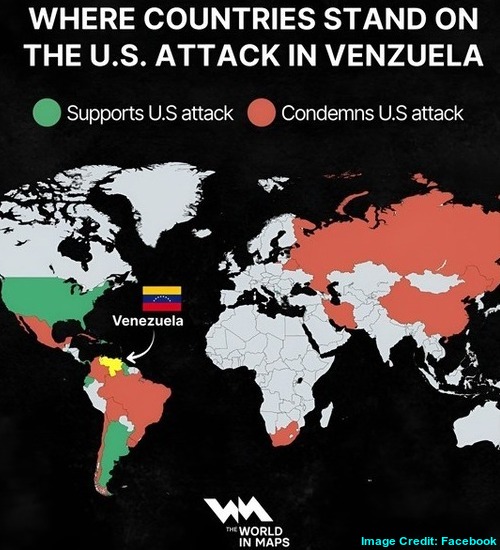
President of the EU Commission Ursula von der Leyen did not even mention the aggressor, tweeting: “We stand by the people of Venezuela and support a peaceful and democratic transition. Any solution must respect international law and the UN Charter.”
The EU’s High Representative for Foreign and Security Policy, Kaja Kallas, was on the same wavelength as he stated: “The EU has repeatedly stated that Maduro lacks legitimacy and has defended a peaceful transition. Under all circumstances, the principles of international law and the UN Charter must be respected. We call for restraint.”
Similarly, German Chancellor Friedrich Merz called the situation complex and one requiring careful consideration. He added: “International law remains the guiding framework… The objective is an orderly transition to an elected government.” The Chancellor stressed that President Maduro “has led his country into ruin. The most recent election was rigged. Like many other countries, we have therefore not recognised his presidency”.
A statement issued later by Armin Laschet of the CDU, the Chairperson of the Foreign Affairs Committee, reveals one aspect of the Europeans’ hesitation. “We must not forget that we remain committed to Ukraine. The question is: Would it be wise for Europeans to decide now to bring unilateral charges against US President Donald Trump?” he asked. Laschet’s concern is that criticism of Donald Trump could lead to a loss of US support for the EU’s plan for Ukraine.
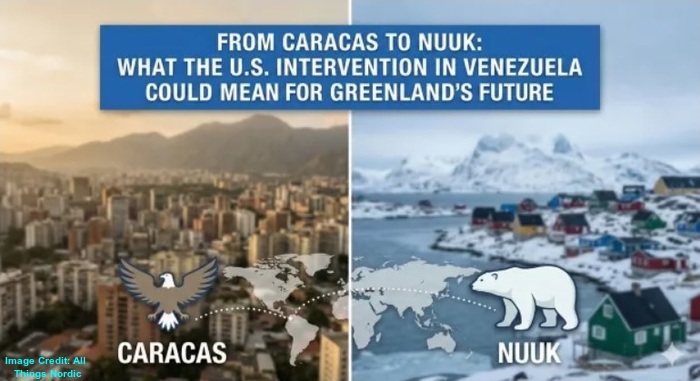
Italian Prime Minister Giorgia Meloni said that although Italy condemned the “external military action”, it does consider “defensive intervention against hybrid attacks on its security to be legitimate, as in the case of state entities that fuel and promote drug trafficking”.
Meanwhile, French President Emmanuel Jean-Michel Frédéric Macron created an uproar in his country by stating that Venezuelans should “rejoice” at the abduction of Maduro, although he did attempt to backpedal later, saying that he “neither supported nor approved” the military operation.
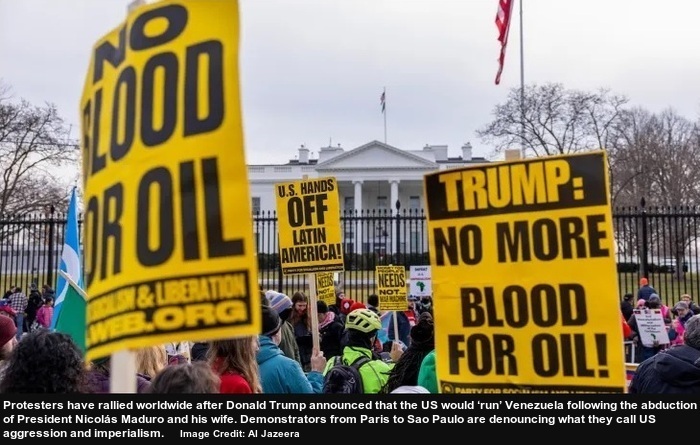
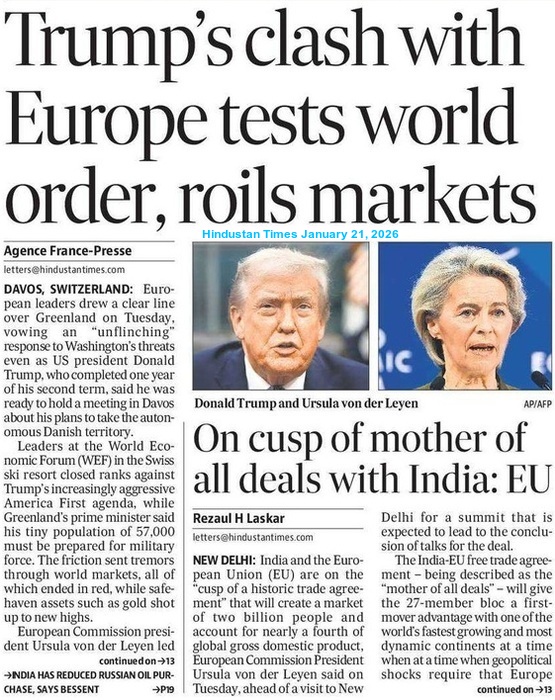
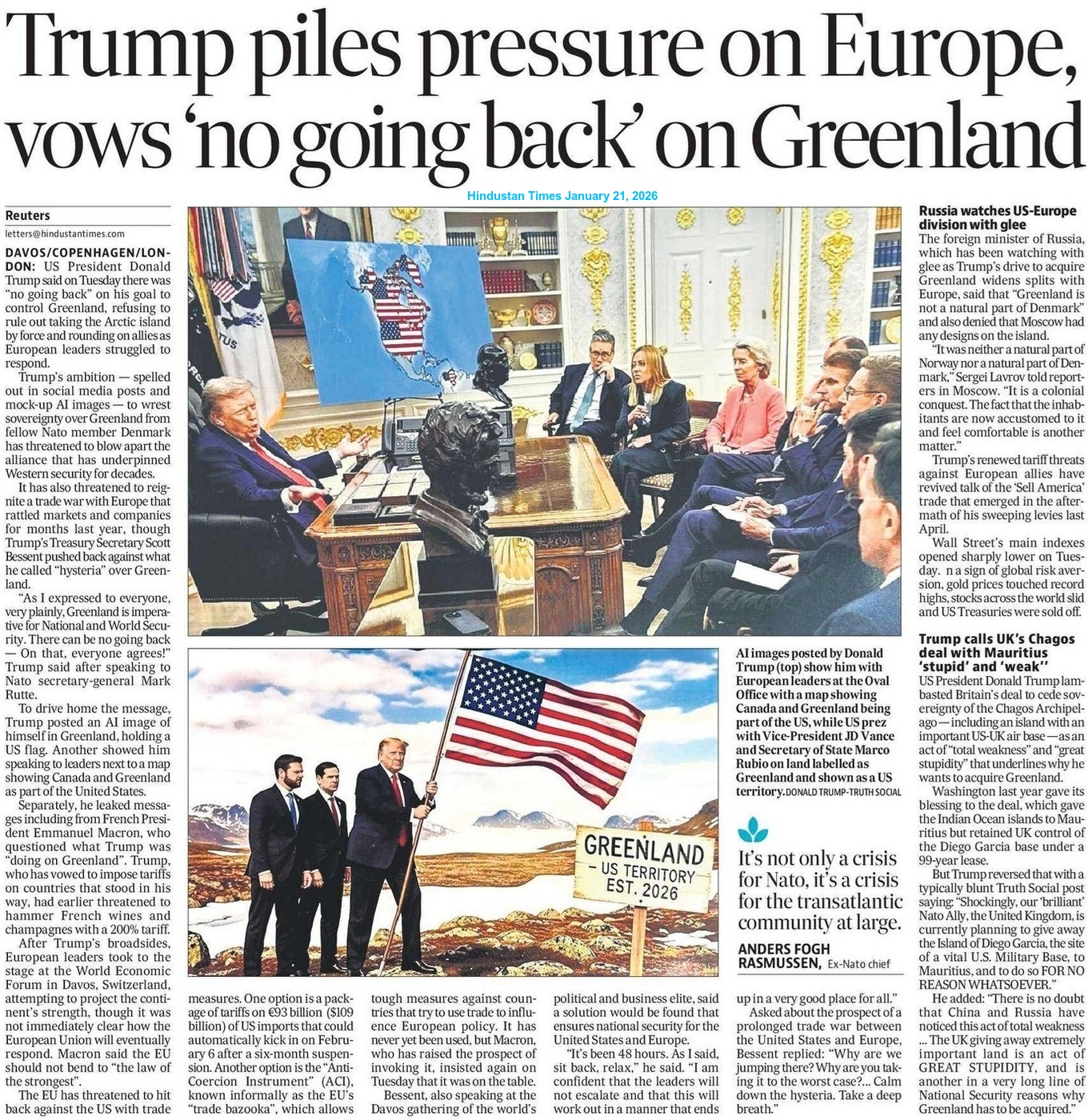
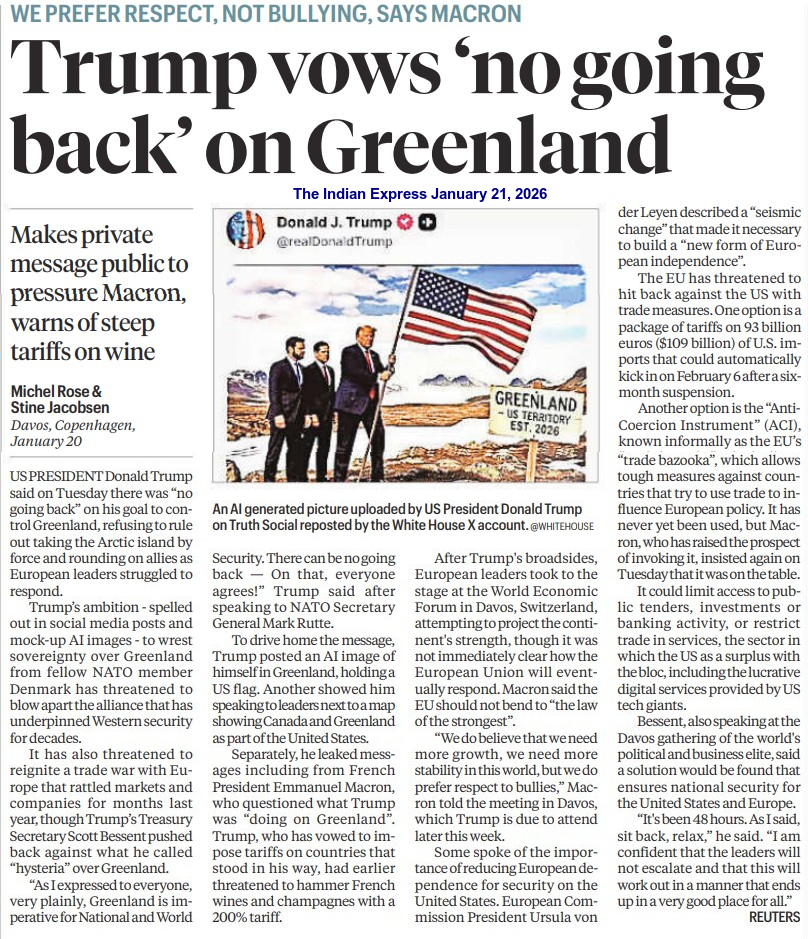
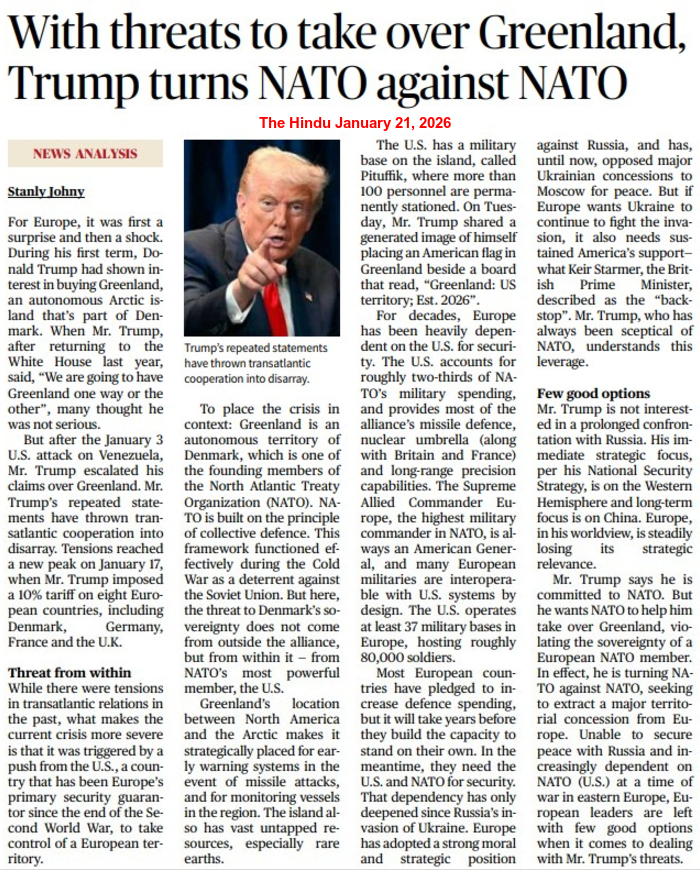
It may be noted that both Slovakian Prime Minister Robert Fico and Prime Minister of Hungary Viktor Orbán were far more critical of the use of US military force in Venezuela. It remains to be seen how these same leaders will react to the Trump Administration’s insistence on taking over Greenland, in one way or another.
Boundless Ocean of Politics received these two articles from the Executive Intelligence Review (EIR). They were first published in Executive Intelligence Review (EIR) Strategic Alert weekly newsletter (Volume 40, No. 2) on January 8, 2026.
Meanwhile,

Boundless Ocean of Politics on Facebook
Boundless Ocean of Politics on Twitter
Boundless Ocean of Politics on Linkedin
Contact us: kousdas@gmail.com

 ISMC
ISMC Boundless Ocean Of Politics