

A Huge Blow To Free Trade
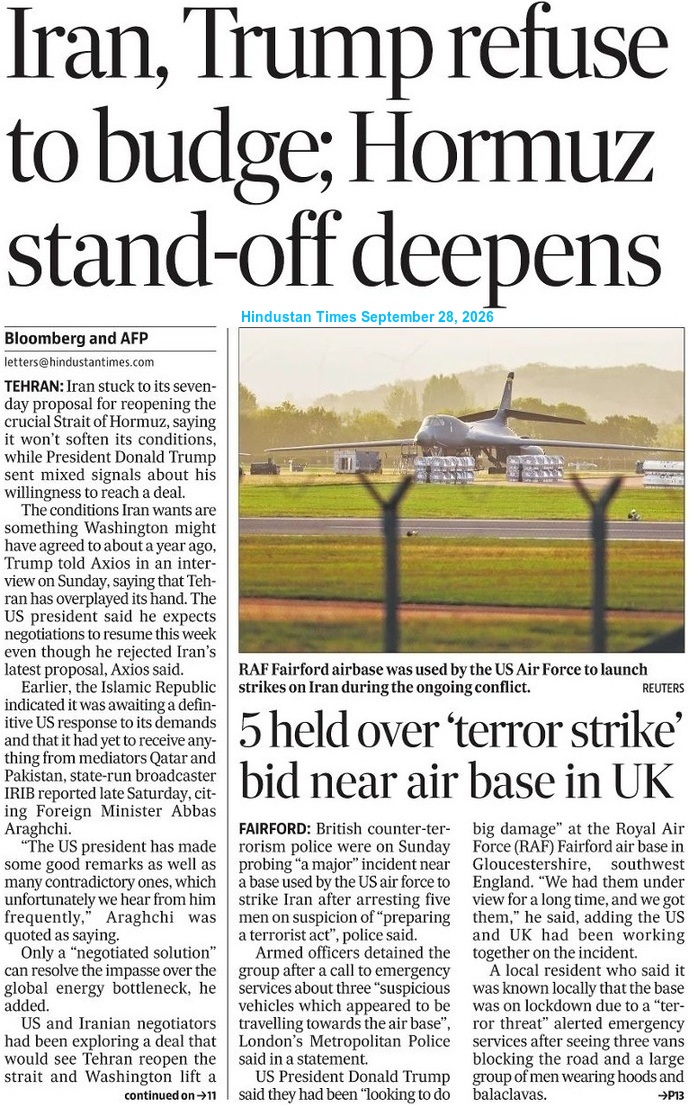
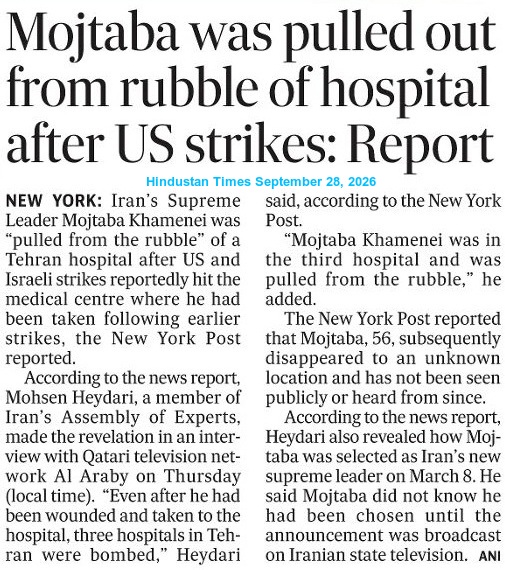
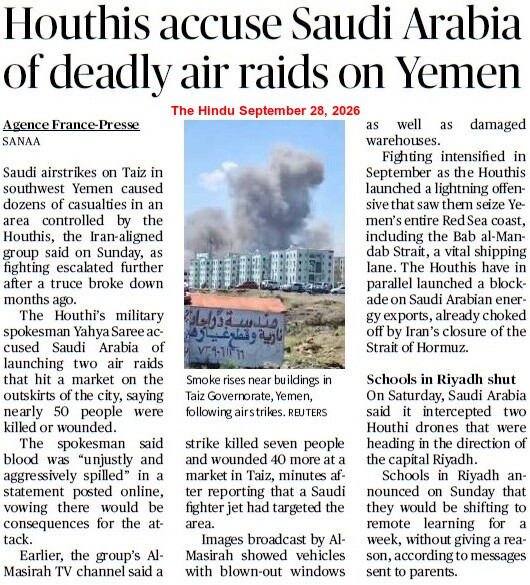
The US Congress recently cleared the Lindsey O Graham Sanctioning Russia and Iran Act of 2026, giving President Donald John Trump the authority to impose import tariffs of up to 100% on the top five countries that import crude oil from Russia and export it to the US market. Lindsey O Graham, the late Congressman who passed away in July 2026, had proposed a 500% tariff. However, the newly passed law has ultimately replaced the original tariff proposal, with a maximum ceiling of 100% for Secondary Tariffs on major energy buyers. The law has been passed at a time when the international oil market is going through a turmoil. Following attacks by the Houthis, the Bab el-Mandeb Strait, just like the Strait of Hormuz, has been blocked. Hence, the supply of crude oil from West Asia is being severely disrupted.
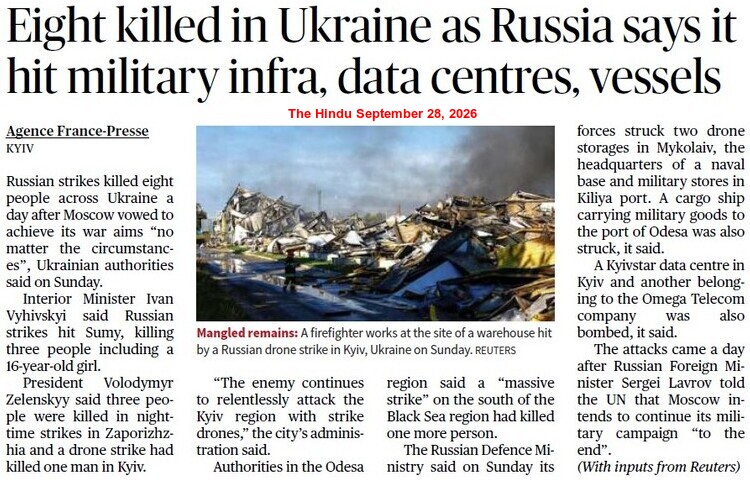
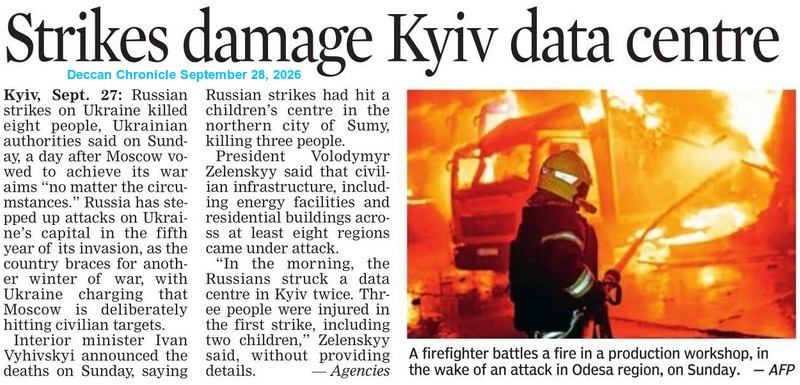
The scenario has prompted President Trump to urge Ukrainian President Volodymyr Oleksandrovych Zelenskyy to halt drone and missile strikes on Russian oil refineries during a recent phone call. He also expressed serious concerns over soaring global fuel prices and domestic impacts. It remains to be seen to what extent the US President makes use of this new law in such a situation.
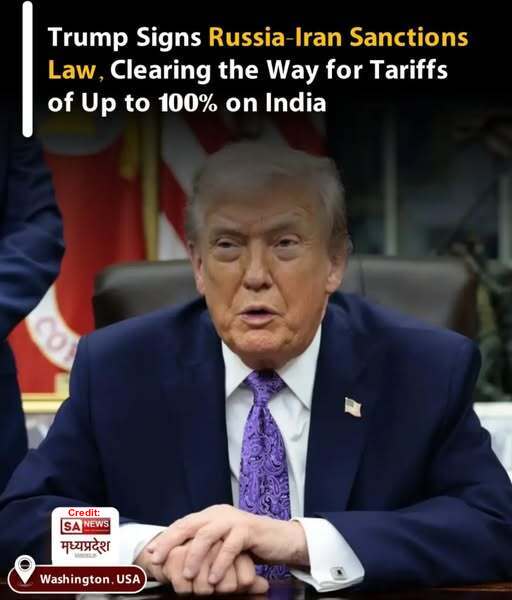
According to analysts, imposing strict sanctions on Russian oil at this moment would trigger a massive inflationary shock and severely disrupt the global economy. It is worth noting that the US President holds substantial discretionary power under the newly enacted Act. While the law authorises tariffs of up to 100% on the top five nations purchasing Russian oil and gas, it acts as an enabling mechanism rather than an automatic mandate.
India, the second-largest global buyer of crude oil after China, is in deep trouble as the South Asian nation currently sources roughly 37-45% of its total crude oil imports from Russia. India’s situation is quite different from that of China’s on various levels. The Indian Rupee recently traded near record lows of around 96-97 against the US Dollar. A further rise in oil import costs will weaken the Indian Rupee, thereby increasing overall import expenses and fuelling domestic inflation. India’s reliance on imported petroleum has reached a record high of 88.7% and its dependence on Russian crude recently hit a striking 50-52% mark. Hence, it is impossible for New Delhi to halt importing oil from Russia, amidst the intense uncertainty in West Asia.
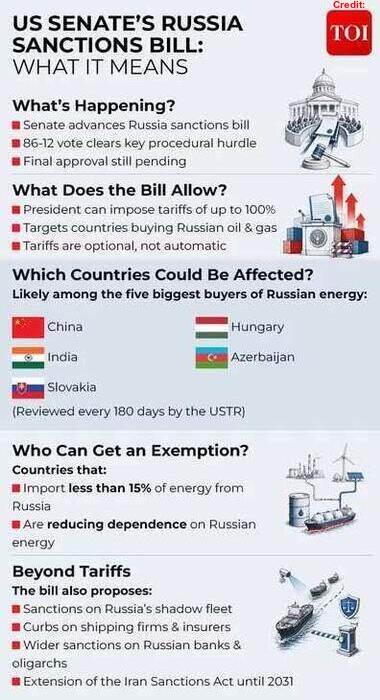
Therefore, India has only one option at this moment: To pursue diplomatic efforts in order to prevent the US from imposing punitive 100% tariffs (on India). No wonder, President Trump’s tariff policy has completely jeopardised the India-US trade agreement. The Narendra Modi Administration needs to consider what other options it has to open the domestic market and to manage the situation right now.
Such a punitive tariff policy, known as Secondary Tariffs that punish a nation simply for trading with a third country, is contrary to the core rules of the World Trade Organisation (WTO). As per the WTO rules, a member country cannot unilaterally impose trade sanctions, punitive tariffs or restrictive measures against another member without a justifiable cause recognised under WTO agreements.
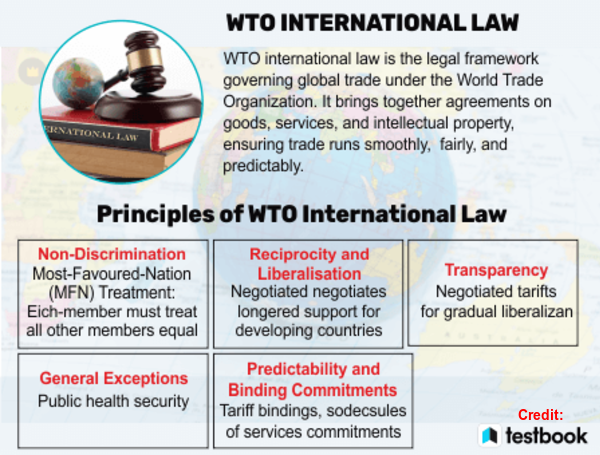
However, the US is doing so without hesitation and the global organisation – which sets, regulates and enforces the rules of trade between nations – apparently has no power to stop it. It seems that the WTO has no reasons to exist. This situation did not develop overnight. Instead, the WTO has been structurally weakened since the first term of President Trump.
Given the current situation, the very term Free Trade is gradually becoming meaningless. Undoubtedly, aggressive nationalist domestic politics has created such a situation by dictating the terms and conditions of free trade. With this, the post-Second World War era of global trade and rapid economic growth, spanning eight decades, has likely come to an end.
Meanwhile,

Boundless Ocean of Politics on Facebook
Boundless Ocean of Politics on Twitter
Boundless Ocean of Politics on Linkedin
Contact us: kousdas@gmail.com

 ISMC
ISMC
