

BRICS & The Double Choke-Point Crisis
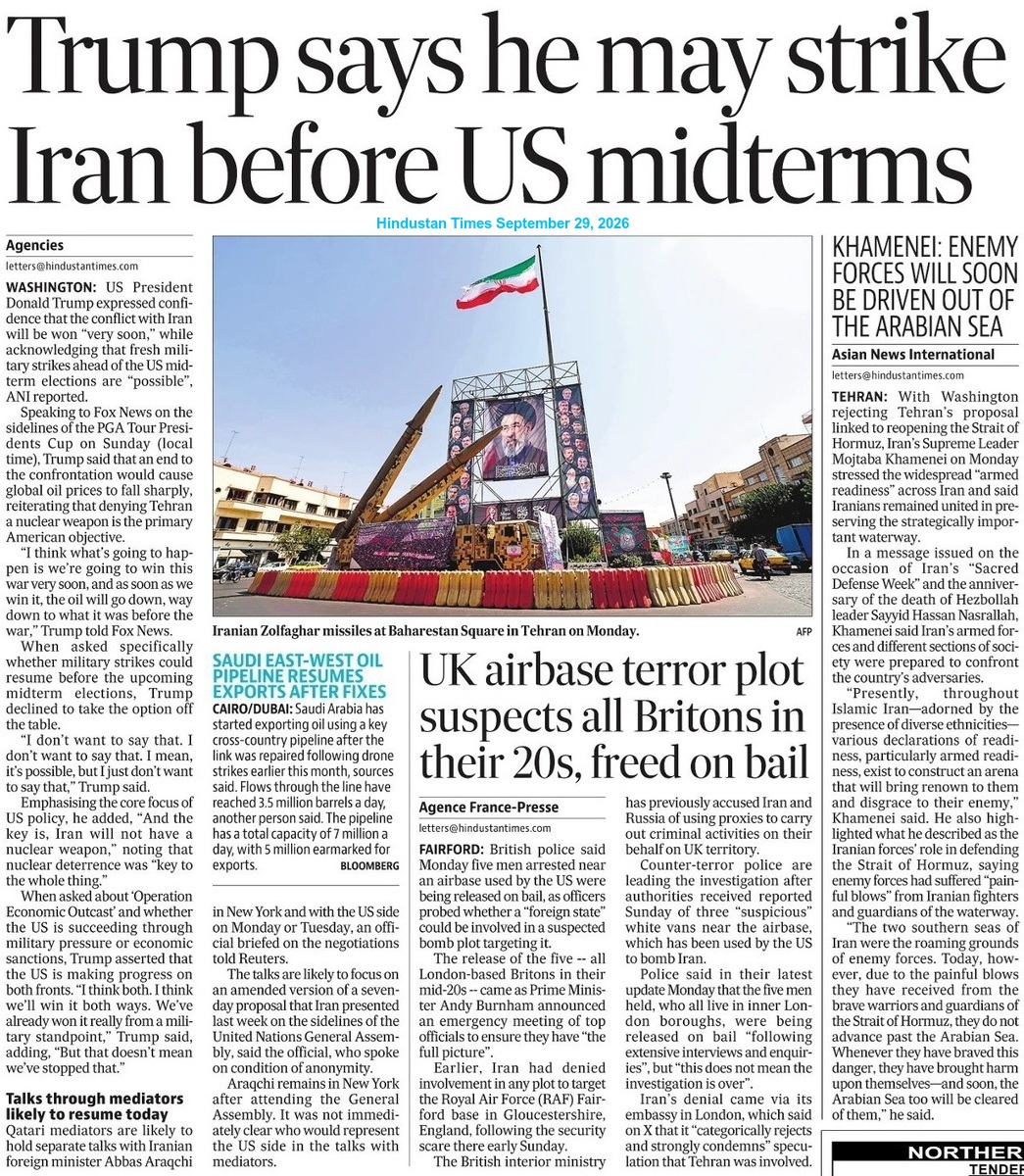
Drone attacks by the Houthis on various parts of Saudi territory have blown up a number of key oil export pipelines in recent times. Reports suggest that the Iran-backed rebel group of Yemen launched a drone attack targeting the East-West Pipeline, a crucial piece of infrastructure for Saudi Arabia’s crude oil exports, on September 11, 2026 from a remote area in Iraq. Currently, Riyadh faces difficulties in exporting oil via the Red Sea because of this. Experts are of the opinion that Saudi oil reserves will soon hit rock bottom unless the pipeline is repaired immediately. However, the Saudi Administration has remained tight-lipped about the actual extent of the damage to the East-West Pipeline.
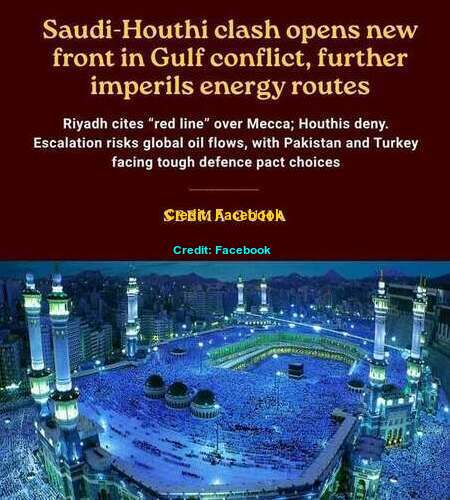
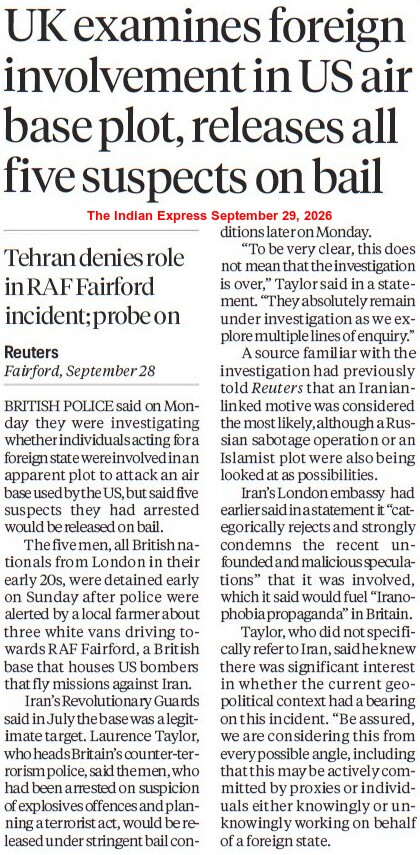
While the Houthis have intensified attacks on Saudi territory, the Yemeni forces have launched an operation against the rebels. Mian Muhammad Shehbaz Sharif, the Prime Minister of Pakistan, has strongly condemned the recent Houthi drone and missile strikes targeting civilian areas, energy infrastructure and areas near Mecca, calling them a severe threat to regional peace and stability. Saudi Arabia, Pakistan and Turkey signed the Mecca Joint Defence Agreement on August 7, 2026, establishing a mutual defence pact which stipulates that an armed attack on any of the three signatory countries would be considered an attack on all of them collectively. As expected, the prolonged silence of Pakistan and Turkey following the Houthi attacks on Saudi Arabia has raised questions. Although Islamabad and Ankara condemned the attacks publicly, they heavily walked back any expectations of immediate military intervention.
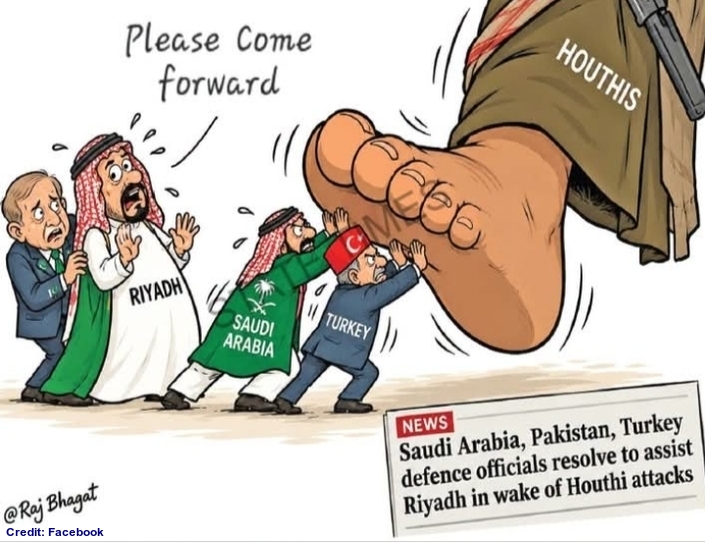
According to sources close to Riyadh, the Saudi authorities have noticed the gesture of the two friendly nations and issued careful diplomatic statements. Saudi Crown Prince Mohammed bin Salman Al Saud even bypassed the alliance to call Washington DC for support, highlighting the Kingdom’s underlying frustration that the mutual-defence clause of the Mecca Pact is being treated by its allies as symbolic rather than operational. Hence, the Pakistani Prime Minister’s statement (followed by the move made by the Saudi crown prince) is considered highly significant.
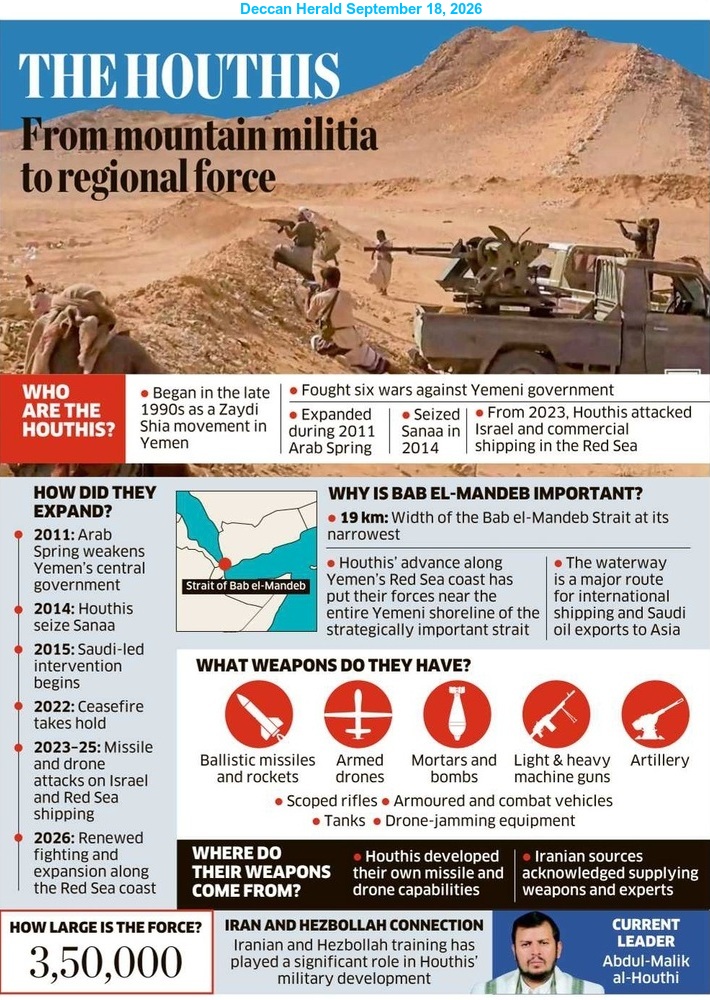
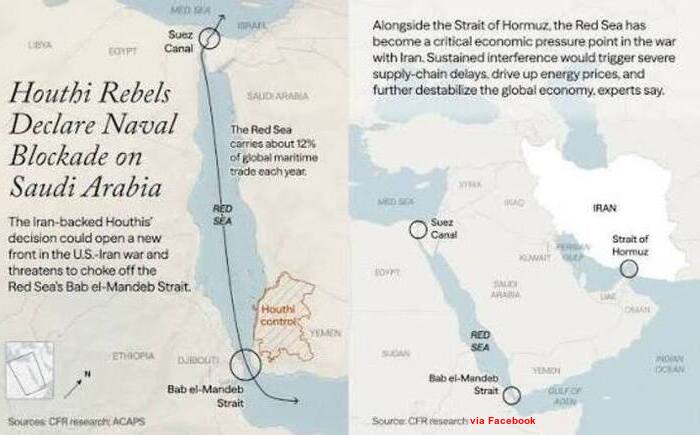
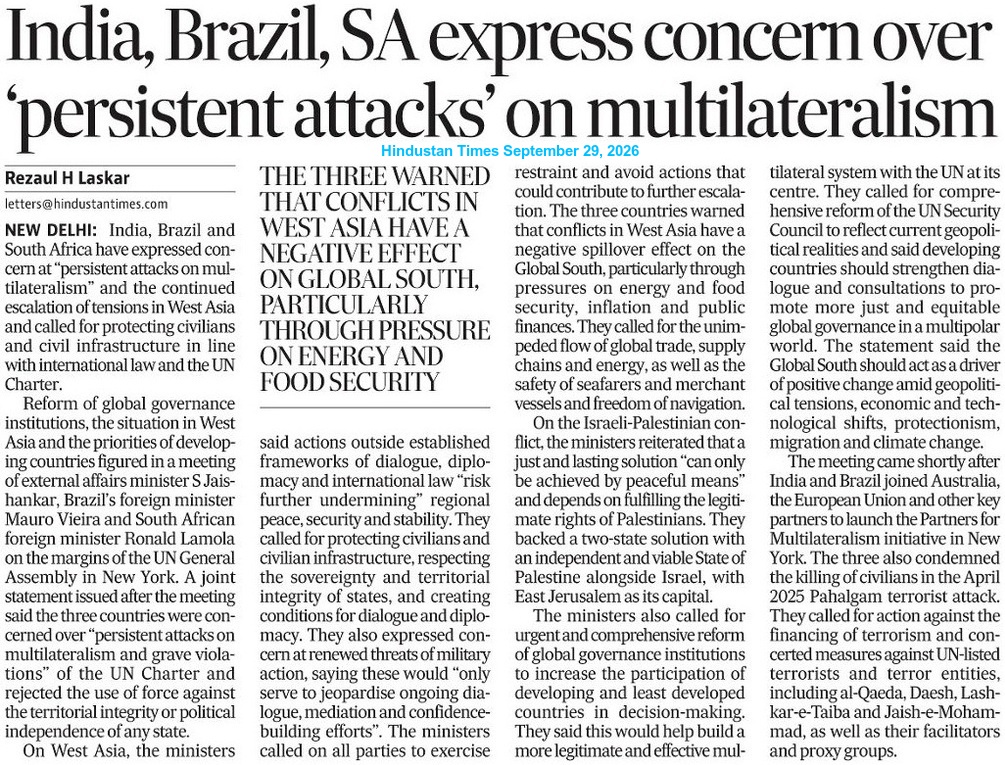
Meanwhile, the Houthis are steadily expanding their dominance along the Red Sea. They have seized several islands in the vicinity of the Bab el-Mandeb Strait over the past few weeks, making it difficult for the Saudi commercial ships to reach Europe. The temporary shutdown of Saudi Arabia’s vital East-West oil Pipeline following drone strikes and the Houthi seizure of the Red Sea region cast a shadow over the 18th BRICS Summit held in India on September 12-13, 2026. As both Saudi Arabia and Iran are now BRICS members, the escalating proxy warfare in West Asia severely tested the group’s capacity for diplomatic consensus. That is why the BRICS New Delhi Declaration stressed on energy security, the protection of critical infrastructure, freedom of navigation, resilient supply chains and the uninterrupted flow of energy.
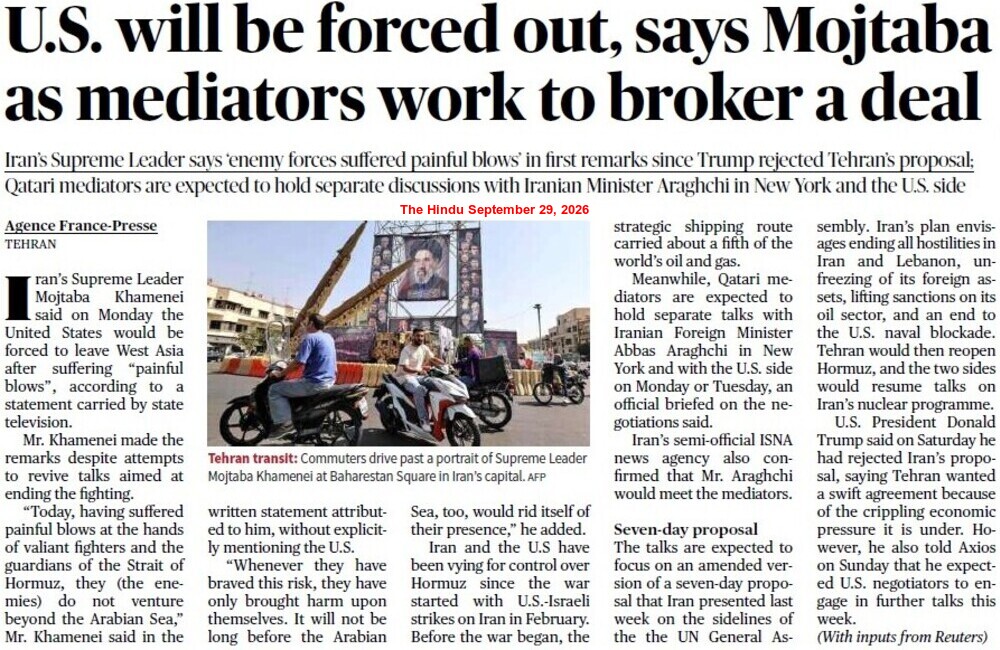
The transport of Gulf fuel through the Strait of Hormuz is severely halted due to ongoing military conflict. At the same time, Saudi Arabia’s alternative oil export network is facing a severe two-front security crisis following the drone strike on the East-West Pipeline and the Houthi control over the Bab-el-Mandeb Strait, creating major energy shortages across Asia. As a result, the global energy market is experiencing a severe double choke-point crisis.
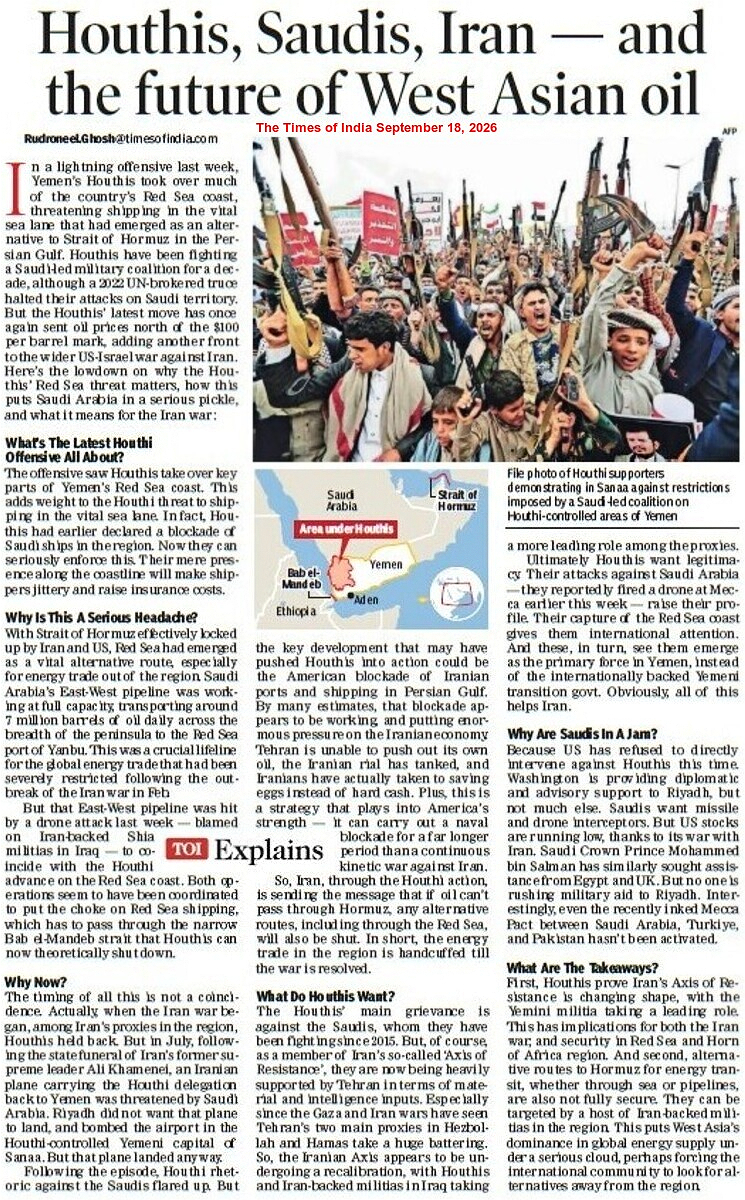
Therefore, the BRICS New Delhi Declaration highlighted energy market stability, diverse energy sources and secure supply chains with a special focus on practical steps for energy security and economic growth. Diplomats believe that attacks on the Saudi pipelines have demonstrated why it is crucial to establish alternative and secure routes for energy transportation. The Houthi threat is not just an issue for shipping in the Red Sea. If the critical energy infrastructure of Saudi Arabia and commercial shipping in the Red Sea come under attack, the risk is no longer confined merely to the vessels or the ports. The blockade of the Strait of Hormuz, recent drone strikes on the Saudi pipelines, destruction of oil export infrastructure and disturbance in maritime routes have become part of a single global energy security crisis. Hence, the risk surrounding Gulf oil in the international market could increase further and the entire matter could have a direct impact on global oil supplies. Prices could rise if concerns about supply increase.
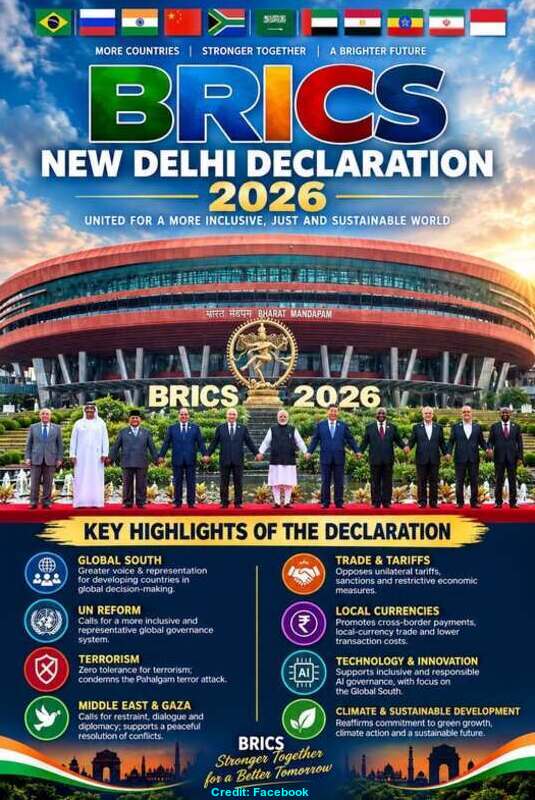
The emergency assistance network for seafarers, proposed by India, has gained added significance in the BRICS New Delhi Declaration amidst the current situation. The emphasis on uninterrupted trade, energy flows and supply chain resilience in the Declaration is quite significant. According to the Indian Ministry of External Affairs, the growing pressure on maritime routes in the Red Sea and the Gulf region, driven by the weaponisation of vital chokepoints – like the Strait of Hormuz and the Bab el-Mandeb Strait, presents a pivotal opportunity for BRICS to transition from diplomatic rhetoric to tangible maritime security cooperation.
India is under tremendous pressure as it meets roughly 85-88% of its crude oil demand through imports, maintaining deep ties to Gulf maritime chokepoints and diversified suppliers. Consequently, the prolonged closure of the Saudi pipelines, coupled with disruptions to fuel and commercial transport through the Strait of Hormuz and the Bab-el-Mandeb, could place immense economic pressure on India. These include rising crude oil prices, increased shipping and insurance costs, pressure on the currency and inflationary pressures affecting everything from transportation to the broader economy.
Meanwhile,




Boundless Ocean of Politics on Facebook
Boundless Ocean of Politics on Twitter
Boundless Ocean of Politics on Linkedin
Contact us: kousdas@gmail.com

 ISMC
ISMC
