

BRICS Declaration Condemns War, Tariffs
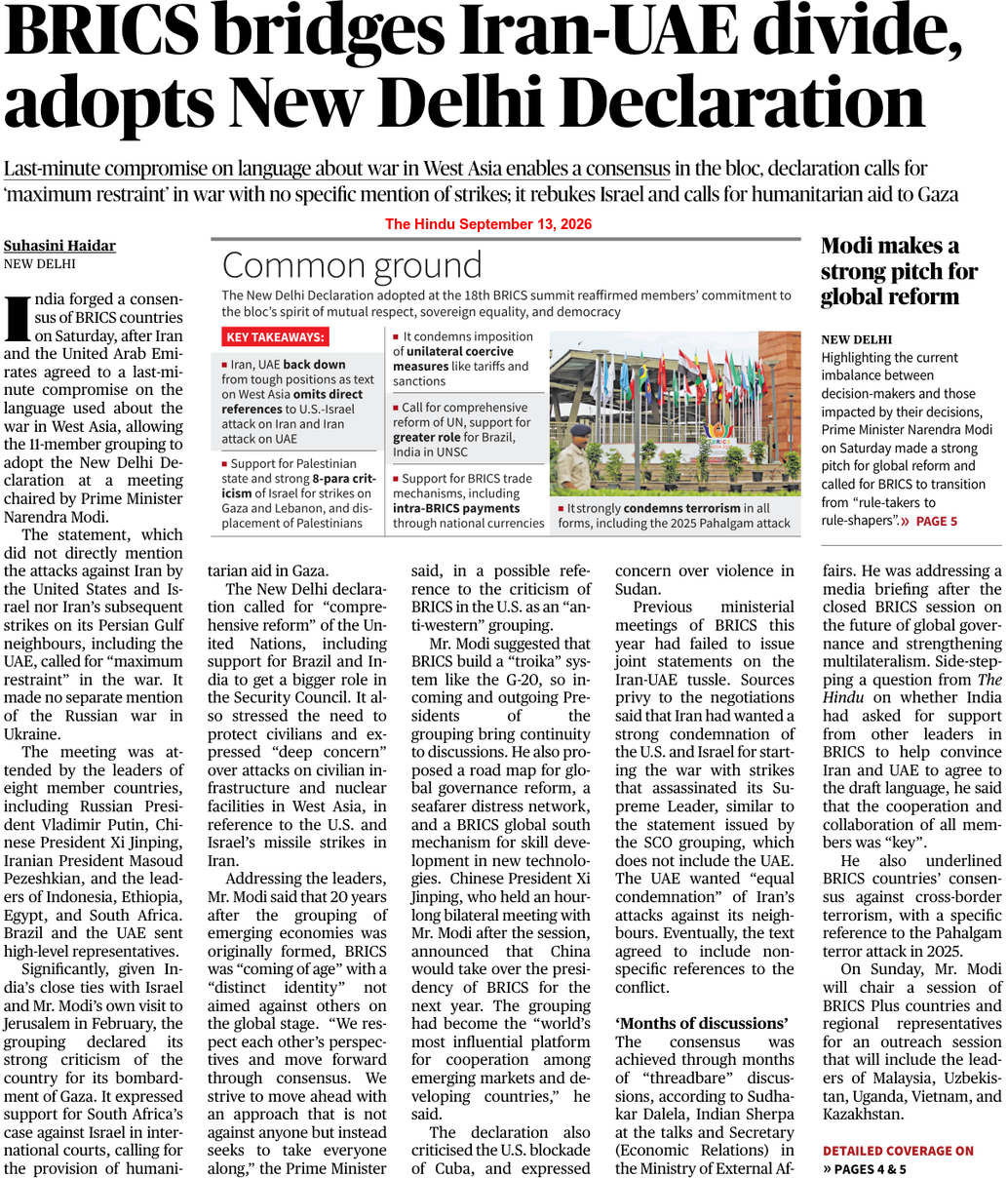
Leaders of the BRICS nations (an intergovernmental organisation of 11 major emerging economies and developing countries, including Brazil, Russia, India, China, South Africa, Egypt, Ethiopia, Indonesia, Iran, Saudi Arabia and the United Arab Emirates) adopted the New Delhi Declaration on September 12, 2026, as Indian Prime Minister Narendra Modi announced the consensus document at the bloc’s 18th Summit.
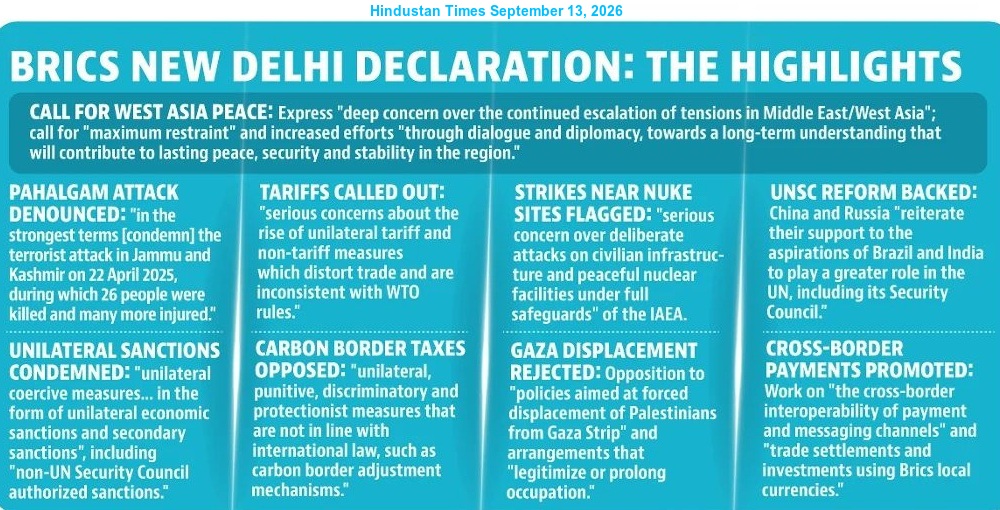
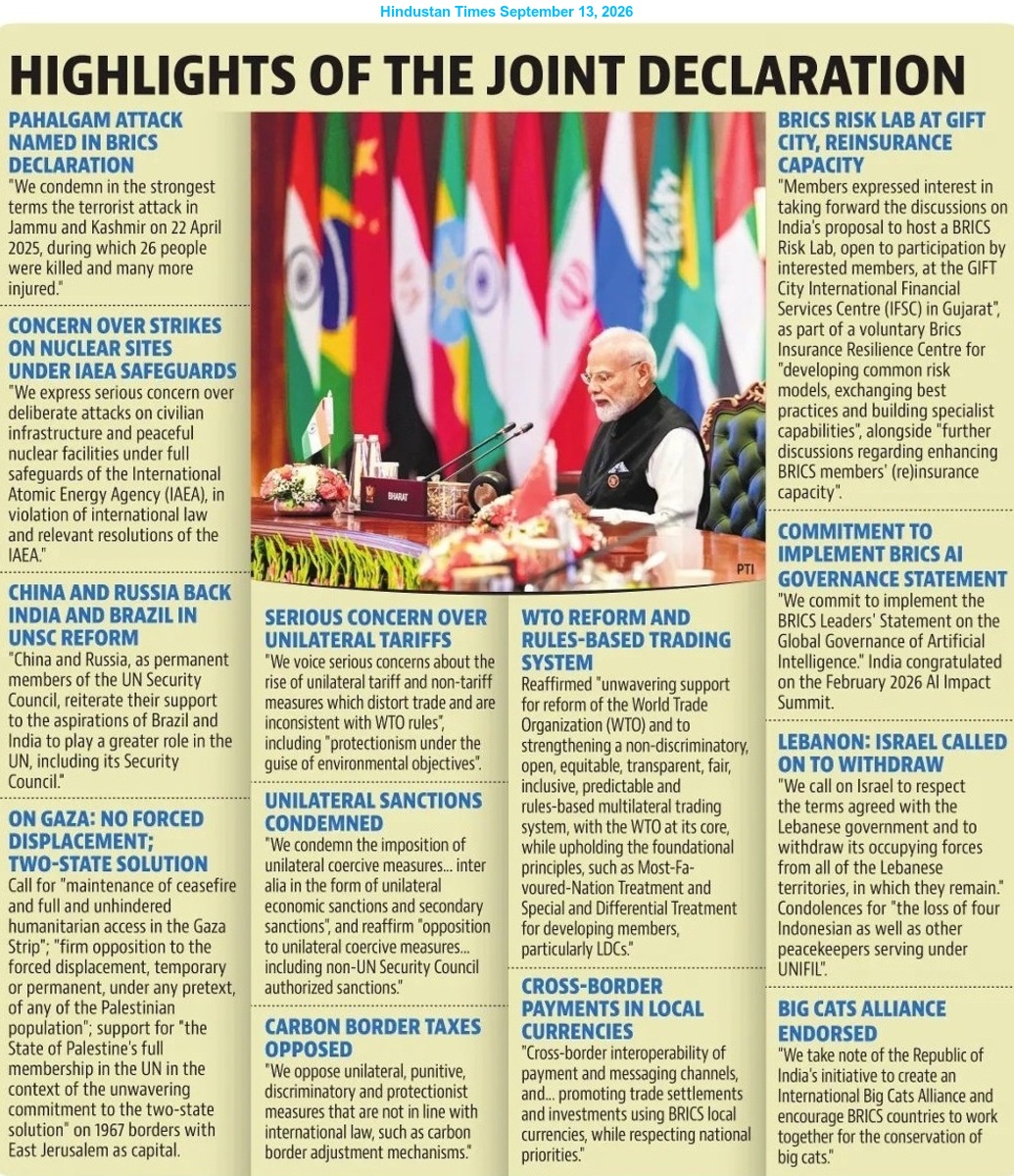
In this declaration, the BRICS leaders called for reforms of multilateral institutions, including a structural update of the UN Security Council (UNSC), apart from strongly condemning terrorism. They also condemned unilateral acts of war, stressing the need to ensure safety of seafarers and commercial navigation amid the ongoing military aggression in West Asia. China and Russia, the two permanent members of the UNSC, reiterated their support for the aspirations of Brazil and India to play a greater role at the UN, including on the UNSC. The BRICS leaders advocated for the increased voice and representation of developing countries from Africa, Asia, Latin America and the Caribbean at the UNSC, underpinned by a shareholding realignment that corrects their historic underrepresentation.
Speaking at the Summit, Prime Minister Modi said: “Today’s discussion makes it evident that the changing world cannot be steered by outdated institutions; reforms are essential in representation, responsiveness and rule-making.” He added: “We also emphasised that the Global South must have equal participation in the development of future technologies and the rules governing them.” The Prime Minister told the Summit: “The New Delhi Declaration adopted today provides a clear direction for our shared resolve. It is now our responsibility to translate these resolutions into tangible results.“
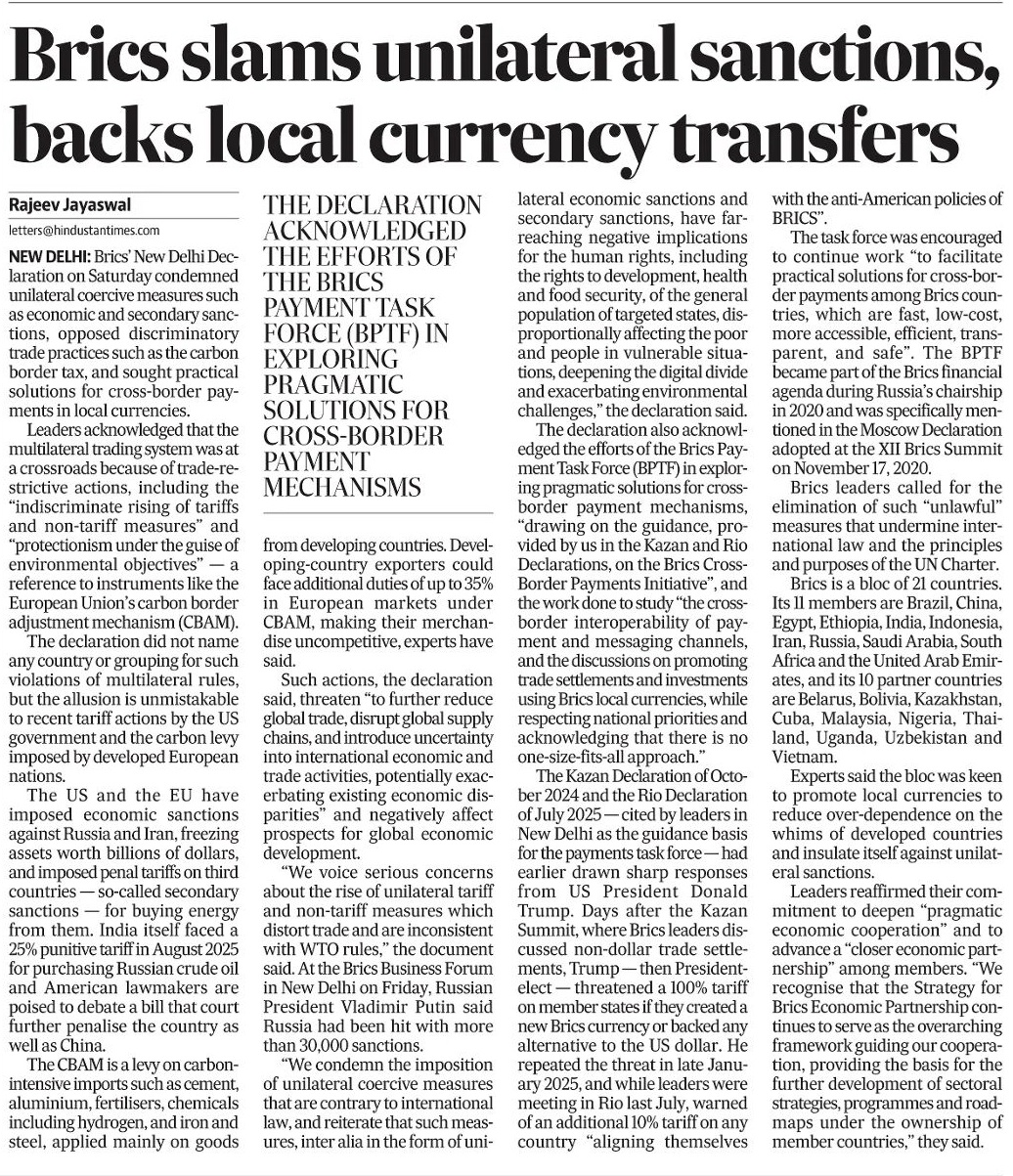
Meanwhile, the BRICS leaders reaffirmed their support for reform of the World Trade Organisation (WTO) and for an open, transparent, equitable and rules-based global trading system. The Declaration read: “We note that the multilateral trading system has long been at a crossroads. The proliferation of trade-restrictive actions that are inconsistent with WTO rules, whether in the form of indiscriminate rising of tariffs and non-tariff measures, or protectionism under the guise of environmental objectives, threatens to further reduce global trade, disrupt global supply chains, and introduce uncertainty into international economic and trade activities, potentially exacerbating existing economic disparities and negatively affecting prospects for global economic development.” It clearly mentioned that intra-BRICS trade should increasingly be conducted in local currencies, instead of the US Dollar.
The Declaration stated: “We voice serious concerns about the rise of unilateral tariff and non-tariff measures which distort trade and are inconsistent with WTO rules. We will work together to enhance the WTO’s responsiveness to trade disruptions and the needs and priorities of Emerging Markets and Developing Economies (EMDEs), as well as advance discussions on outstanding issues, and support balanced, inclusive and concrete outcomes that strengthen the multilateral trading system and enable it to better address evolving global challenges.“
The Declaration further condemned the terror attack in Jammu and Kashmir’s Pahalgam (India) on April 22, 2025, mentioning: “We express strong condemnation of any acts of terrorism as criminal and unjustifiable, regardless of their motivation, whenever, wherever and by whomsoever committed. We condemn in the strongest terms the terrorist attack in Jammu and Kashmir on April 22, 2025, during which 26 people were killed and many more injured. We reaffirm our commitment to combating terrorism in all its forms and manifestations, including the cross-border movement of terrorists, terrorism financing and safe havens. We reiterate that terrorism should not be associated with any religion, nationality, civilisation or ethnic group and that all those involved in terrorist activities and their support must be held accountable and brought to justice in accordance with relevant national and international law.“
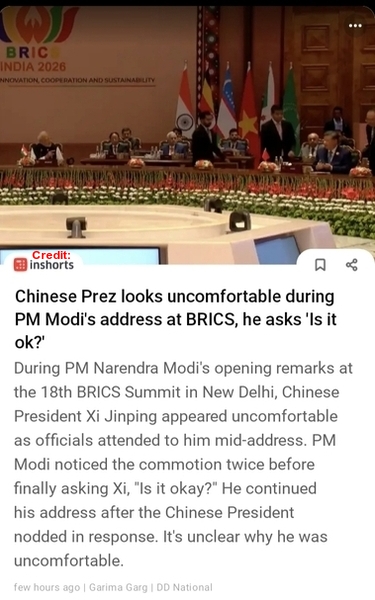
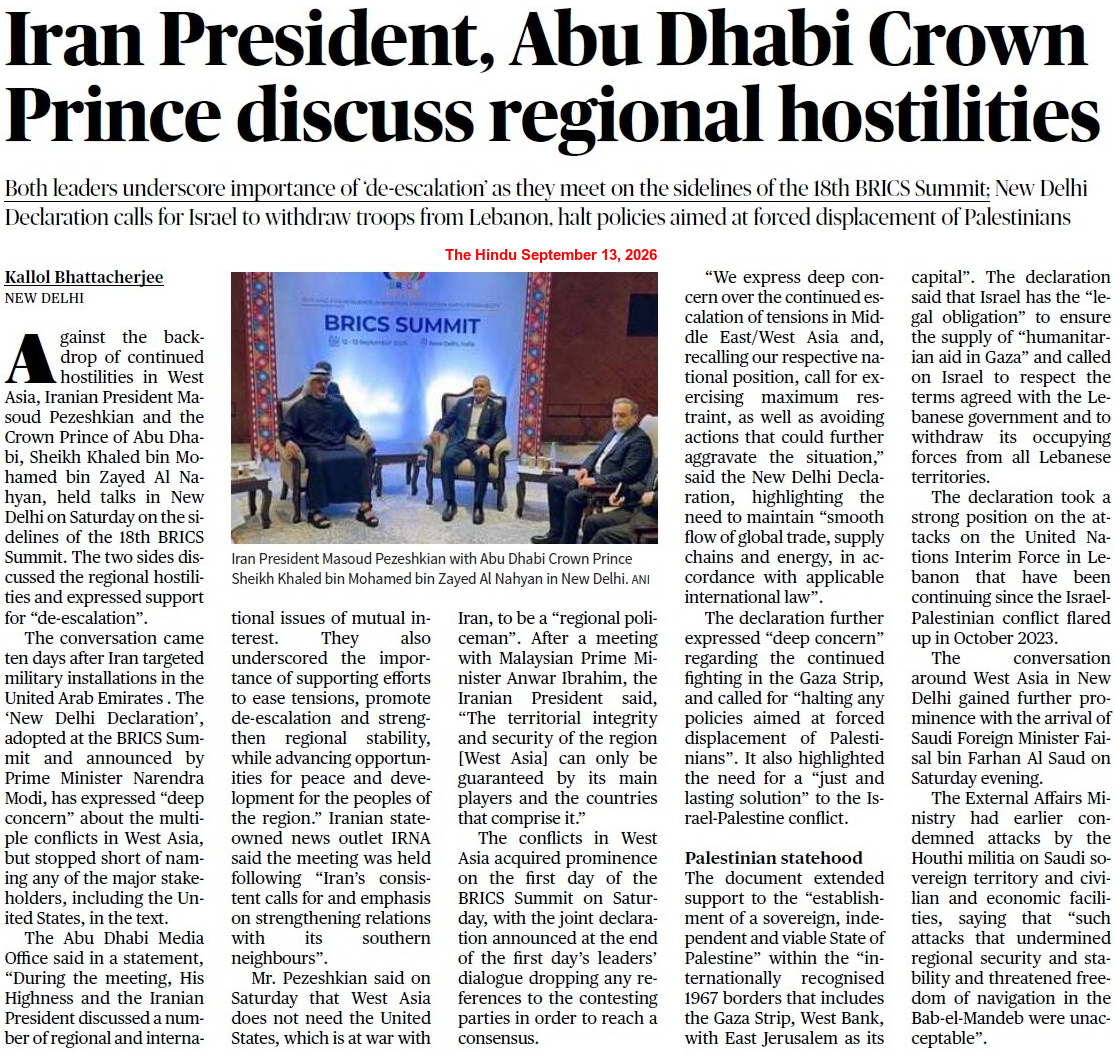
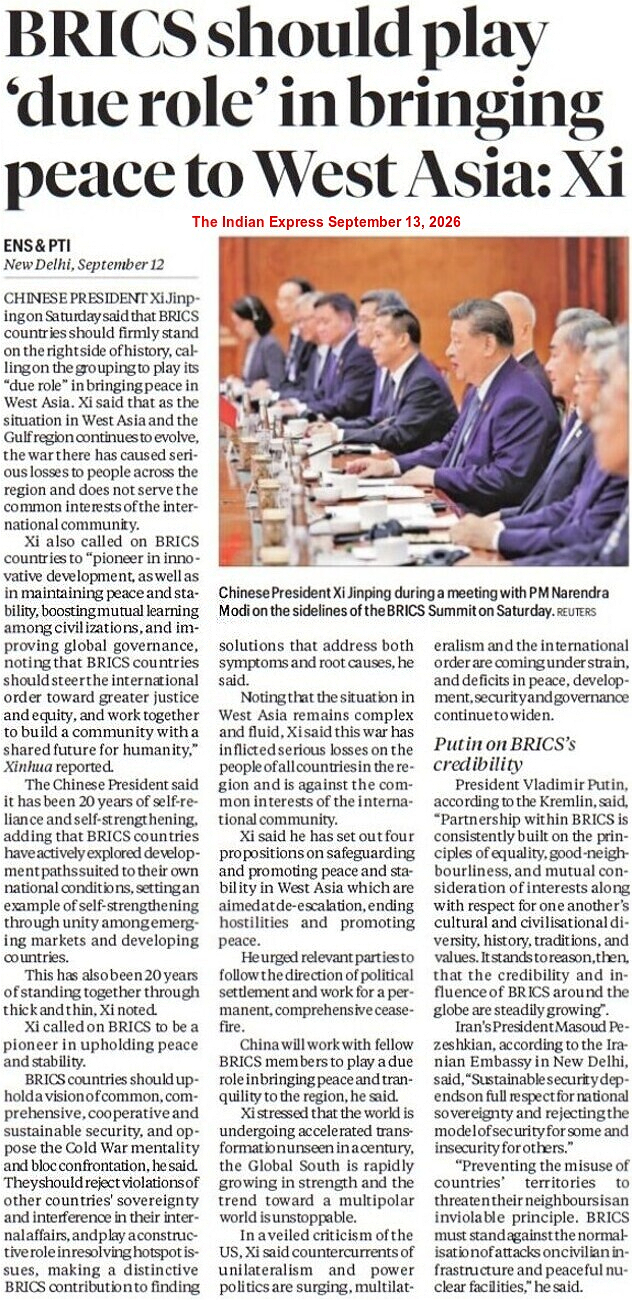
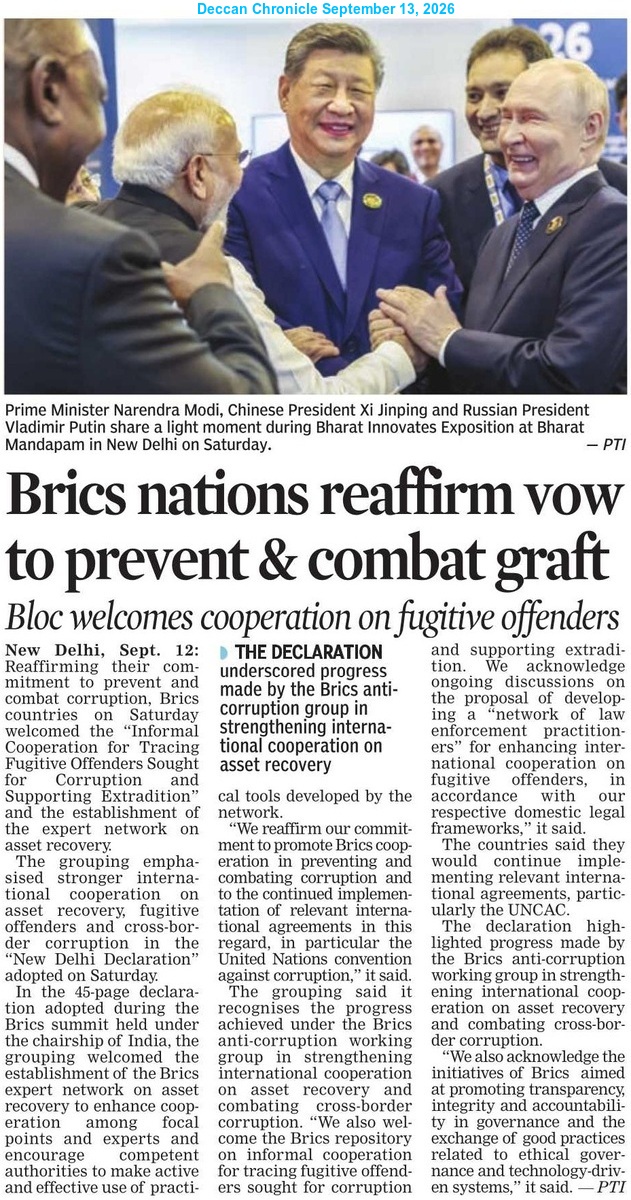
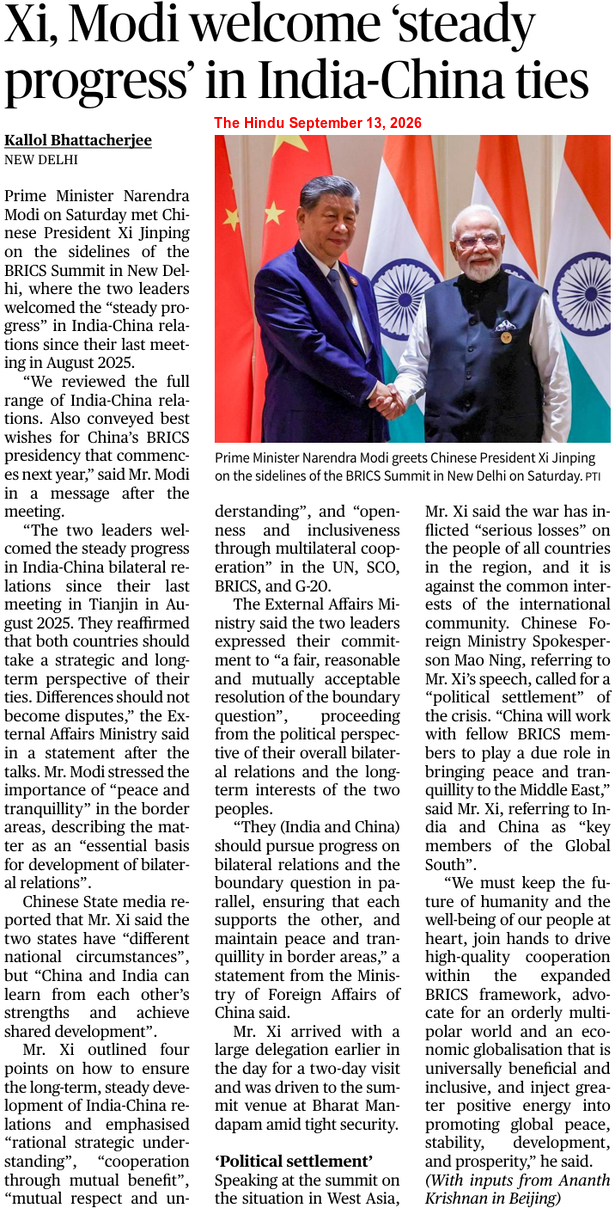
Earlier, the Indian Prime Minister welcomed world leaders, including Russian President Vladimir Putin, Chinese President Xi Jinping and Iranian President Masoud Pezeshkian, to the Summit. Leaders from across the BRICS grouping attended the Summit.
BRICS Summit Updates
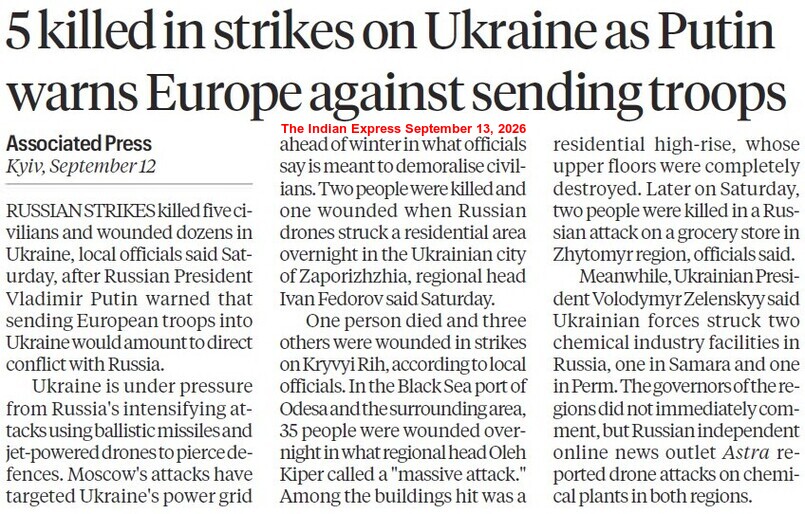
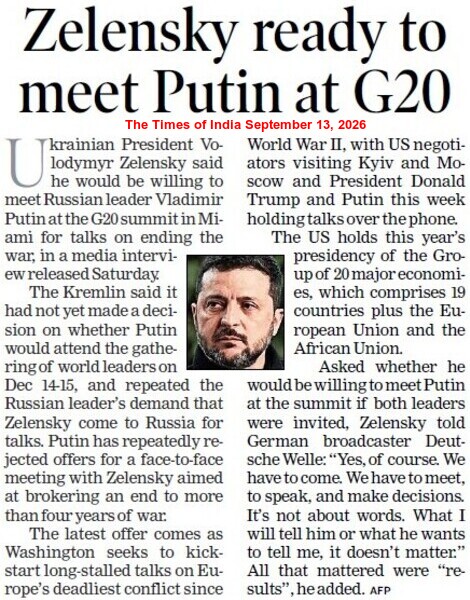
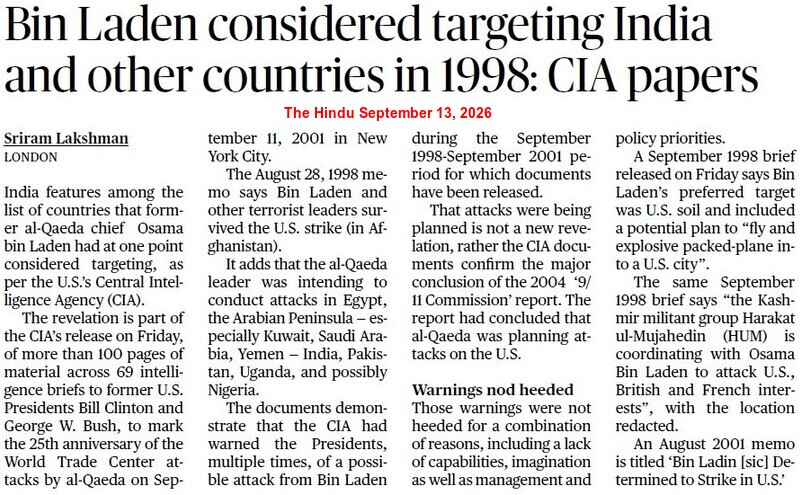
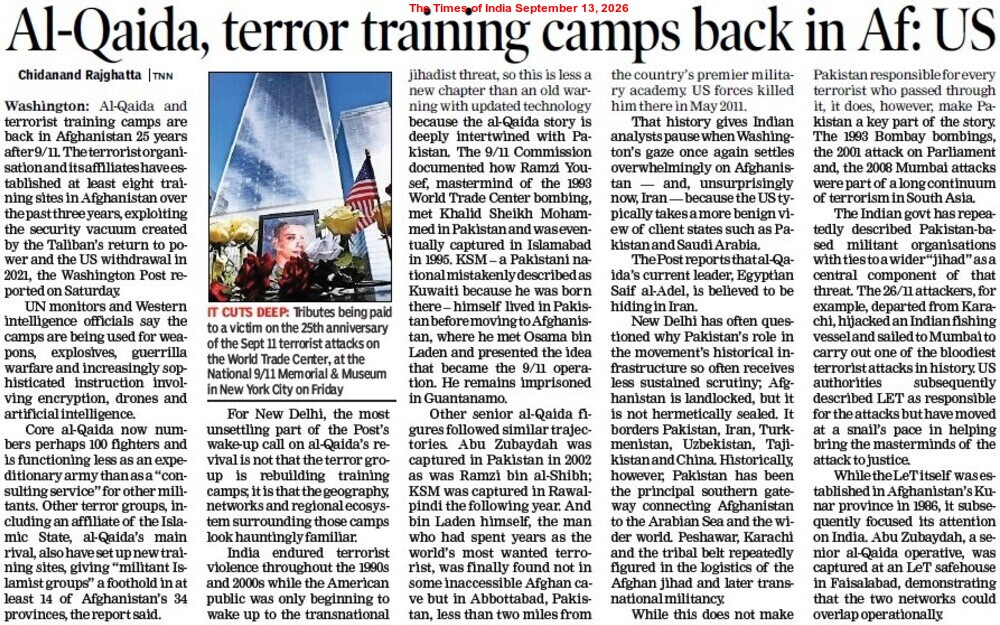
Meanwhile,
Boundless Ocean of Politics on Facebook
Boundless Ocean of Politics on Twitter
Boundless Ocean of Politics on Linkedin
Contact us: kousdas@gmail.com

 ISMC
ISMC
