

Murder, Suicide & Poverty
The incident of suicide has increased across the globe in recent times. People often kill their near and dear ones before committing suicide to save themselves from extreme humiliation or to protect the honour of their families! When a family member, especially a woman, violates social norms, the family first tries to hide it, and then punishes that member. Honour killing or the killing of a relative, especially a girl or woman who is perceived to have brought dishonour on the family, does not just happen in cases of illicit love, marriage or relationships within the family, but can also be caused by unpayable debts or financial hardship. Hence, there is an increase in the number of suicide and murder.
According to researchers who study personal and social ethics, honour killings have been prevalent in South Asian countries for centuries. Now, they are restricted to certain groups. The victims are usually young girls. They often tie nuptial knots, want to divorce their abusive husbands, want to pursue higher education or refuse to follow religious norms, ignoring the opinion of their family members. Hence, they have to pay the price by sacrificing their lives.

Robert Morris Sapolsky, an American academic, neuroscientist and primatologist, is of the opinion that honour killing is different from other types of domestic violence in terms of characteristics. He distinguished between revenge and purification, and also between honour as self-reliance and violence turned inward. (Sapolsky R M; Behave: The biology of humans at our best and worst; 2018) While Thomas Hobbes stressed on humans’ selfishness and predatory tendencies, Jean-Jacques Rousseau described humans as inherently gentle, peaceful, altruistic and noncompetitive. Sapolsky believes that both perspectives are partially justified, as humans are pro-social creatures when interacting with close relatives and also with strangers, if they identify them as members of their own cultural group.
Sapolsky has explained that women seeking divorce are often killed by their own male partners. In case of an honour killing, the killer is a male member of the victim’s family who commits the crime with the consent of the family. Most importantly, honour killings do not occur out of a spontaneous momentary impulse. Instead, it is a pre-planned decision approved by other members of the family. Some people try to justify honour killings with the help of religion so that there is no remorse. Furthermore, this sort of murder is often committed in public.

As per a UN report, at least 20,000 honour killings take place annually in the West alone. The meaning of respect is different in the Western World. However, people have become increasingly helpless across the globe. Hence, murder and suicide are on the rise everywhere.
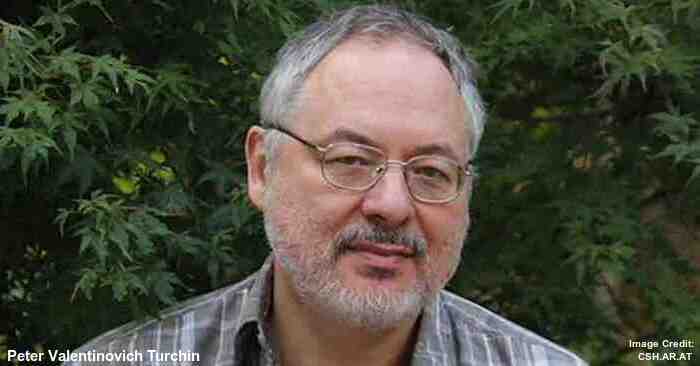
Peter Valentinovich Turchin, the prominent Russian-American population biologist and complexity scientist, has opined that one can find the roots of murder, suicide and other criminal activities in the social structure. He has stressed on the shortage of social capital which refers to the mutual trust and cooperation between people. According to sociologists, the amount of social capital of a community can be determined by trustworthiness of immediate neighbours and one’s affiliation with social organisations. The more organisations people are involved in, the more successful, reliable and transparent a society is.
In fact, societies with high income inequality have low social capital. And trust is based on reciprocity which depends on social equality. Furthermore, a hierarchical society tends to be an authoritarian one. Moreover, in a society where consumer goods are unevenly distributed, power struggles are more likely… Low-income people are almost invisible in the centre of power. Many believe that voter turnout decreases with increasing income inequality in a society, because the fate of low-income people does not depend on the outcome of the election. There is hardly any society where both income inequality and social capital are high. Usually, the greater the income inequality in a society, the less cooperative the people are.
Dr Ichiro Kawachi, the Professor of Social Epidemiology at Harvard University, has offered a socio-psychological explanation, stressing that income inequality reduces social capital and increases psychological stress. As one’s control over her/his mind decreases, the person fails to express frustration in a proper manner. Hence, the stress response system of human beings becomes hyperactive.

Dr Robert G Evans, the Emeritus Professor of Economics at the University of British Columbia, and Dr George A Kaplan, the Professor of Public Health and Epidemiology at the University of Michigan, have given a neo-materialist explanation of the same issue, stating that a government usually increases spending on common goods if it wants to improve the health, as well as the standard of living, of common people. The wealthy people also pay taxes for better transportation, roads, purified drinking water, schools and a comprehensive healthcare system. However, there is an increase in the economic gap between the rich and the poor, with growing income inequality in various countries. Hence, the wealthy people are unable to enjoy special government services available for the general public. In such a situation, they refuse to pay more taxes. Countries with high income inequality also reduce spending on education. With this, illiteracy and crime rate increase.
According to researchers, economic inequality and poor healthcare systems create a delicate, as well as complex, situation, giving rise to crime and violence in society. Poverty does not directly lead to criminality. Crime rate increases when poverty is quite high in a society amidst abundance. Income inequality, crime and suicide rates are steadily increasing in industrialised countries in the 21st Century. Sapolsky has stated that inequality and discrimination mean a decline in mutual trust, cooperation and social capital. As a result, suicide, instead of self-defence, and mutual destruction, instead of mutual defence, have become a social truth.
Boundless Ocean of Politics on Facebook
Boundless Ocean of Politics on Twitter
Boundless Ocean of Politics on Linkedin
Contact us: kousdas@gmail.com

 ISMC
ISMC Boundless Ocean Of Politics