

When The Anomie Bleeds
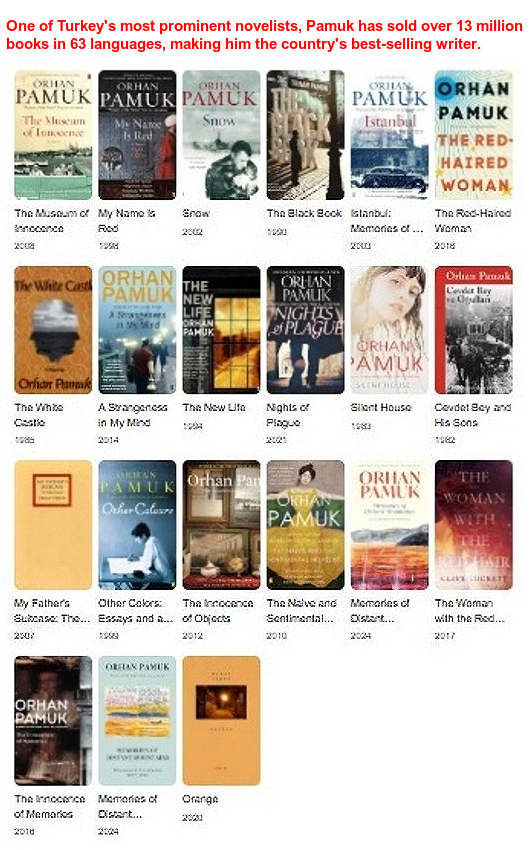
Like Egyptian author Naguib Mahfouz Abdelaziz Ibrahim Ahmed Al-Basha (popularly known as Naguib Mahfouz; December 11, 191 – August 30, 2006), Ferit Orhan Pamuk (b. June 7, 1952), the only Turkish writer to have been awarded the Nobel Prize in Literature (2006), has made his country’s literature relevant to the modern era. Most of his novels depict the social, political and cultural conflicts, and subsequent transformations of Turkey. In his literary works, Pamuk has depicted the family culture across generations in the East, showcasing the conflicts and differences from the perspectives of the old, as well as new, generations. He also portrayed the compassionate bonding among generations.
Pamuk has a soft corner for Istanbul as he was born and brought up in the former capital city. His childhood memories of Istanbul, the lifestyle of the upper middle-class families, monuments, the salty scent of the sea and family chatter at the dinner table are like a canvas of a famous European painting from the Middle Ages as it portrays the lives of several generations. Pamuk, too, has mentioned gray skies, gray mornings, clouds and rain in his autobiographical memoirs or novels.
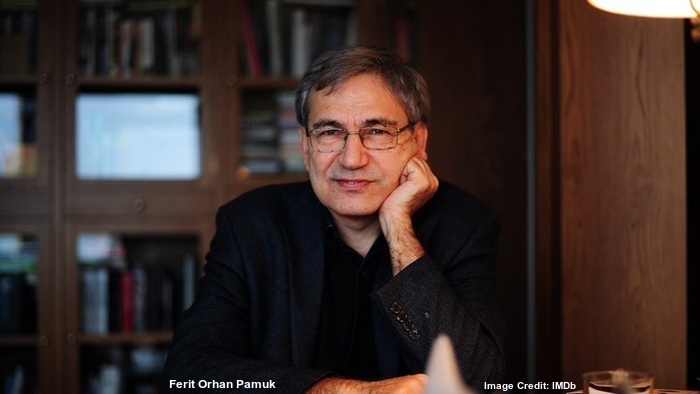
Pamuk’s 2004 novel Kar (English Snow) narrates the journey of Ka, an expatriate Turkish poet, to the border city of Kars. His journey, in a sense, is disconnected from modern civilisation as it explores the conflict between Islamism and Westernism in modern Turkey. In the early 1990s, Ka returned to his homeland after 12 years in exile in Frankfurt, Germany mainly to pen an article on the trend of suicide among young women in Kars. In reality, the poet wanted to use this trip to the border city as an excuse to meet up with his former fiancée. On his way into Kars, Ka got stuck because of ceaseless snowfalls. The poverty, belief in supernatural power and hardship of people living in the city hurt the poet, who was secular, as well as humanist, in nature with a strong European and Western Turkish heritage. During his stay in Kars, Ka also experienced an ideological clash between aimless Islamist and secular-minded people, fighting, killings, unemployment, the hijab culture, the role of the army, suicides and bloodshed. He rightly realised that there was no place for any particular ideology in the city. Kar is a complex political novel that analyses a nation, its people, their madness and the overall complexity of a society.
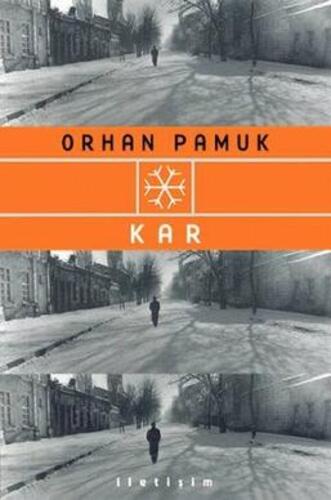
Pamuk’s second novel Sessiz Ev (English Silent House; 1983) is a story set in the 1980s in Turkey, a period just before the military coup. Along with her three grandchildren, Fatma, an old, lonely and depressed lady, visits a house in a small seaside town outside Istanbul to attend an annual ritual. Nilgun, the granddaughter of Fatma, is an educated and modern girl who enjoys a sea bath in the morning, loves to study politics and believes in Leftist ideology. On the other hand, Hasan, the illegitimate son of Fatma’s late husband, is a right-wing terrorist. He is a member of a political outfit that writes slogans, defaming communism and socialism. The party members, who prefer to identify themselves as followers of Islam (instead of Turkish nationals), also extract money from artisans. Although Hasan is a childhood friend of Nilgun and also likes her, she does not encourage Hasan. Hasan’s infatuation with Nilgun, his disappointment at the revelation of her political identity and her bold character ultimately come to an end with the painful death of the girl. The tragic ending of this novel has raised some important issues, such as tension related to the socio-political balance of Turkey in the 1980s, personal integrity and honesty, and the conflict between religious extremism and Leftist politics.
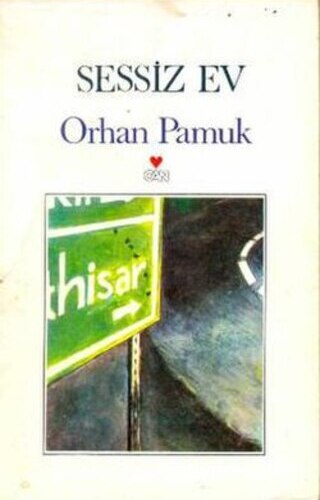
Pamuk was born in Istanbul in 1952 and brought up in a declining wealthy family. Although the author still lives in his hometown, he has been surrounded by bodyguards for the past 17 years. In his memoir Istanbul: Memories and the City, the Nobel laureate mentioned: “At first, I was worried about not being able to sit in a café or walk alone in my beloved city of Istanbul. I worried that having protection would distance myself from the everyday life that is my inspiration. However, over the years I have become quite relaxed about it… I am used to it.” A humorous Pamuk stressed: “I used to have three bodyguards, now I have one, which means Turkey is improving.”
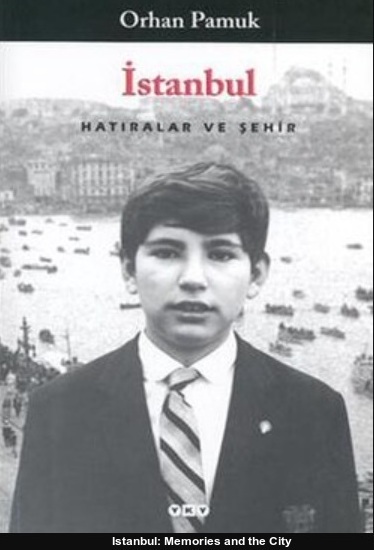
Like Mahfouz, Pamuk is neither a communist, nor a leftist. He is a secular person. Unfortunately, both of them have been injured, physically and emotionally, by religious fundamentalism, as well as extremism. In contemporary India (popularly known as the birthplace of various ideologies), the term secular has become an abusive one in recent times.
The current socio-political scenario in the Indian subcontinent, too, raises some important questions: Are religious and other sorts of extremism really irresistible? How can educated and enlightened people resist crazy socio-political policies? Are Asians falling behind on the global stage as far as social thought is concerned? What is the way to escape from religious fundamentalism? These questions have become relevant in Turkey and Egypt, too.
It seems that ‘the answer is blowin’ in the wind’.
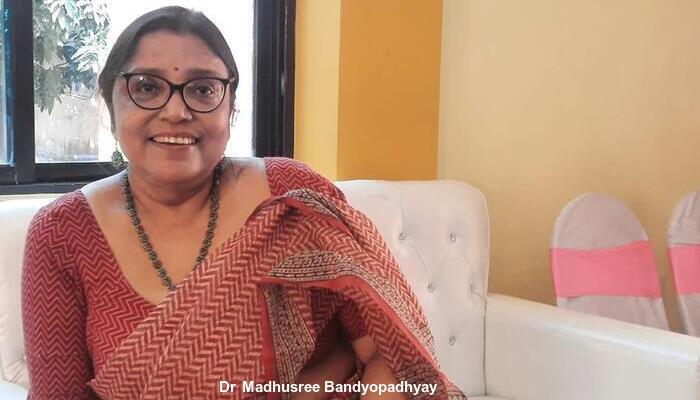
Translated by Koushik Das from the original Bengali article penned by Dr Madhusree Bandyopadhyay. Dr Bandyopadhyay is a former Associate Professor of Chemical Engineering at Jadavpur University, Kolkata, India. She has spent a long time abroad for professional purposes. Her favourite subjects are Science and Technology, History, Genetics and Social Studies on which Dr Bandyopadhyay has penned a number of books.
আদর্শহীনতার রক্তমোক্ষণ
তুরস্কের নোবেল পুরস্কার প্রাপ্ত একমাত্র লেখক, ওরহান পামুক। নাগুয়েব মাহফুজের মতো বিংশ শতাব্দীতে পামুকও নিজের দেশের সাহিত্যকে আধুনিক কালের উপযুক্ত করেছেন—তাঁর উপন্যাসগুলিতে তুলে ধরেছেন তুরস্কের সামাজিক, রাজনৈতিক ও সাংস্কৃতিক দ্বন্দ্ব ও পরে রূপান্তর। পামুক তাঁর উপন্যাসগুলিতে প্রাচ্যের সম্প্রসারিত পরিবারগুলিকে বিভিন্ন প্রজন্ম ধরে এঁকেছেন, দেখিয়েছেন নতুন প্রজন্মর সঙ্গে পুরানো প্রজন্মের দ্বন্দ্ব, দৃষ্টিভঙ্গীর পার্থক্য। আবার বিভিন্ন প্রজন্মের মধ্যে মমতার বন্ধন।
ওরহান পামুকের তুরস্ক পশ্চিম-ঘেঁষা। তাঁর ইস্তাম্বুল-প্রীতি সুবিদিত। ইস্তাম্বুলের শৈশব স্মৃতি, উচ্চ মধ্যবিত্তর জীবন-যাত্রা, সৌধ, সমুদ্রের নোনা গন্ধ, খাবার টেবিলে পারিবারিক ছোটো ছোটো কথা যেন মধ্য যুগের বিখ্যাত কোনো ইউরোপীয় চিত্রের ক্যানভাস, আর সেই ক্যানভাস-এ তিনি এঁকেছেন কয়েক প্রজন্মের মানুষের জীবন। ধূসর আকাশ, ধূসর সকাল, মেঘ ও বৃষ্টির প্রেক্ষাপটে আত্মজীবনীমূলক স্মৃতিকথা বা উপন্যাস লিখেছেন অথবা এঁকেছেন!
You may also like: Understanding The Arab World Through The Eyes Of Naguib Mahfouz
বরফে ঢাকা ‘স্নো’ উপন্যাসে কোনো এক সীমান্ত শহর কার্স-এ বহিরাগত এক তুর্কি কবির যাত্রা যেন সভ্যতা থেকে বিযুক্ত এক সফর। ১৯৯০-এর দশকের গোড়ার দিকে, জার্মানির ফ্রাঙ্কফুর্টে ১২ বছর নির্বাসন কাটিয়ে নতুন করে কা নামে এক কবি তার দেশ তুরস্কে ফিরে আসেন, পুবের এক শহর কার্স-এর তরুণীদের মধ্যে আত্মহত্যার প্রবণতা নিয়ে নিবন্ধ লেখার জন্য। বাস্তবে, কা সীমান্ত শহরের এই ভ্রমণকে তার পুরানো প্রেমিকার সঙ্গে দেখা করার অজুহাত হিসেবে ব্যবহার করতে চেয়েছেন। শহরে প্রবেশের পথে, ক্রমাগত তুষারপাতের ফলে কা আটকে পড়েন। কা ইউরোপীয় এবং পশ্চিমা তুর্কিদের ঐতিহ্যের এক ধর্মনিরপেক্ষ, মানবতাবাদী ব্যক্তি- কার্স শহরে থাকাকালীন তিনি বিশ্বাসের এক অনুভূতি নিয়ে শহরের দারিদ্র্য, অতিপ্রাকৃত বিশ্বাস এবং দুঃখ দেখে ক্রমাগত আঘাত পান। প্রত্যক্ষ করেন উদ্দেশ্যহীন ইসলামপন্থী ও ধর্মনিরপেক্ষ গোষ্ঠীর আদর্শের দ্বন্দ্ব, তাদের লড়াই, হত্যা, দারিদ্র্য, বেকারী, পর্দা, সেনাবাহিনীর ভূমিকা, আত্মহত্যা এবং আরও রক্তপাত। আদর্শের রক্তমোক্ষণ! এটি এক জটিল আদ্যন্ত রাজনৈতিক উপন্যাস যা একটি জাতি এবং তার মানুষকে তাদের সমস্ত উন্মাদনা আর বাস্তব জটিলতার মধ্যে অন্ধকার হয়ে আসা প্রেক্ষাপটে বিশ্লেষণ করে।
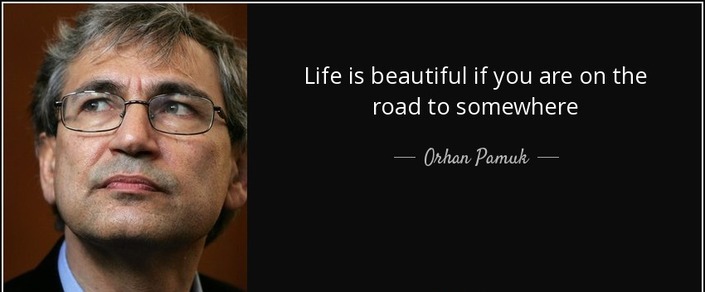
‘সাইলেন্ট হাউস’ উপন্যাসটি সামরিক অভ্যুথানের ঠিক আগে ১৯৮০-র তুরস্কের প্রেক্ষাপটে রচিত। বৃদ্ধা বিধবা ফাতমা; তার তিন নাতি-নাতনিরা এসেছে বাৎসরিক আচার পালনের জন্য ইস্তাম্বুল শহরের বাইরে সমুদ্রতীরে, ছোট্ট শহরের নিঃশব্দ বাড়িতে। ফাতমার নাতনি নিল্যুন শিক্ষিত আধুনিকমনস্ক। সে সকালবেলা সমুদ্র স্নানে আনন্দ পায়, রাজনৈতিক চর্চা করতে ভালবাসে, বাম রাজনীতিতে আস্থা রাখে। অপর দিকে হাসান এই উপন্যাসের প্রতিনায়ক। তার দলের মূল মন্ত্র – আগে মুসলিম, তারপরে তুমি তুর্কি। নবীনদের এই দল পেশিশক্তির আস্ফালনে জনতাকে দমন করে। হাসানের নিল্যুনের প্রতি মোহগ্রস্ততা, নিল্যুনের রাজনৈতিক পরিচয়ের প্রকাশে হতাশা ও ক্ষোভ, নিল্যুনের সাহসিক সত্যভাষণ, বিনিময়ে তার প্রাপ্তি চূড়ান্ত যন্ত্রণা ও মৃত্যু। উপন্যাসের করুণ সমাপ্তি তুলেছিল কিছু প্রশ্ন।
সেই সময়ের সামাজিক ও রাজনৈতিক ভারসাম্যের টানাপোড়েন; ব্যক্তিগত সততা ও তঞ্চকতা, ধর্মীয় উগ্রপন্থা ও বাম রাজনীতির সংঘর্ষ—সব মিলে উপন্যাসটি হয়ে ওঠে ওই সময়ের সামাজিক ও রাজনৈতিক টানাপোড়েনের নথি।
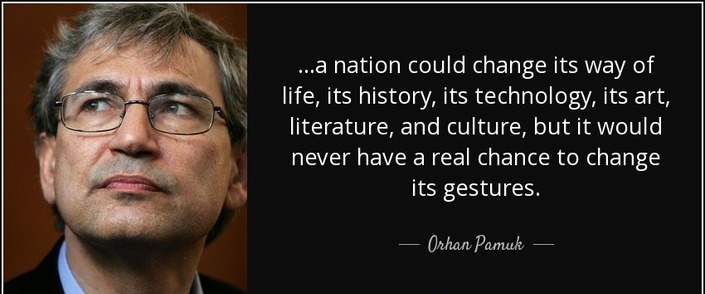
পামুক ১৯৫২ সালে ইস্তাম্বুল-এ জন্ম নেন এবং একটি পতনশীল বিত্তবান পরিবারে বড়ো হন, এখনও তিনি সেখানেই থাকেন। তবে বিগত ১৭ বছর ধরে তাঁর দেহরক্ষী আছে। তিনি বলেছেন, ‘প্রথমে, ক্যাফেতে বসতে বা প্রিয় শহর ইস্তাম্বুলে একা হাঁটতে না পারায় আমি চিন্তিত ছিলাম। এই সুরক্ষা আমাকে অনুপ্রেরণার দৈনন্দিন জীবন থেকে দূরে সরিয়ে দেবে। কিন্তু বছরের পর বছর ধরে এই অবস্থায় থেকে এখন বেশ স্বাচ্ছন্দ্য বোধ করি … আমি এতে অভ্যস্ত।’ তিনি রসিকতা করতে পছন্দ করেন: ‘আমার আগে তিনজন দেহরক্ষী ছিল, এখন আমার একজন আছে, যার অর্থ তুরস্ক উন্নতি করছে।’
নাগুইব মাহফুজ এবং ওরহান পামুক কমিউনিস্ট ছিলেন না, বামপন্থীও বলা যাবে না। তাঁরা ছিলেন সেক্যুলার নাগরিক। তাঁরা আহত হয়েছেন , শারীরিকভাবে বা মানসিক যন্ত্রণাতে, ধর্মীয় মৌলবাদ, উগ্রপন্থার হাতে। আজকে অবাক হয়ে দেখি এই ভারতে, যেখানে জন্মলগ্ন থেকে বিভিন্ন মতবাদ বেড়ে উঠেছে, সেখানেও গালি দেওয়া হয় সেক্যুলার বলে।
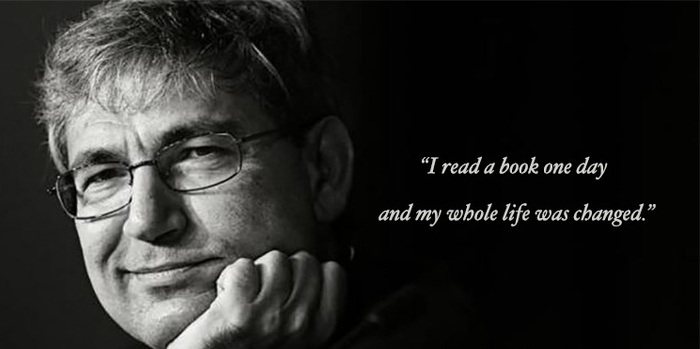
আজকে উপমহাদেশের পরিস্থিতি দেখে কিছু প্রশ্ন থেকে যায়। ধর্মীয় ও অন্যান্য উগ্রপন্থা কি অপ্রতিরোধ্য? শিক্ষিত ও আলোকপ্রাপ্ত মানুষ কীভাবে প্রতিরোধ করবে উন্মত্ত রাজনীতি ও সমাজনীতিকে? সামগ্রিক ভাবে সামাজিক চিন্তার জগতে এশিয়ার মানুষ কি পিছিয়ে পড়ছে? শেষ পর্যন্ত ধর্মীয় মৌলবাদের থেকে রক্ষা পাওয়ার উপায় কী! সেই প্রশ্ন আজও তুরস্ক বা মিশরে প্রাসঙ্গিক। ভারতেও প্রাসঙ্গিক হয়ে উঠেছে!
কোনো সহজ উত্তর বোধহয় নেই!
মধুশ্রী বন্দ্যোপাধ্যায় (April 25, 2025)
Boundless Ocean of Politics on Facebook
Boundless Ocean of Politics on Twitter
Boundless Ocean of Politics on Linkedin
Contact us: kousdas@gmail.com

 ISMC
ISMC
