

An Impossible Return
Nature does not argue with us, nor does it engage in discussions. However, it frequently sends warnings. Swelling seas, glacial retreat, catastrophic landslides, intense heat waves, wildfires, droughts, floods, devastating cyclones and the degradation of biodiversity – all these are immediate signs of warnings from Mother Nature.
The average temperature of the Earth was approximately 14 degrees Celsius (or 57 degrees Fahrenheit) at the beginning of the 20th Century. At the Paris Conference in 2015, scientists established the goal of limiting global temperature rise to 1.5 degrees Celsius above pre-industrial levels. They also warned that exceeding this threshold would cause long-lasting and potentially irreversible damage to the balance of ecosystems worldwide. Unfortunately, the global community stands quite close to that limit. Multiple independent climate agencies confirm that 2025 was the Earth’s third-warmest year on record, averaging approximately 1.46 to 1.47 degrees Celsius above pre-industrial levels. It seems that exceeding the prescribed limit is inevitable.
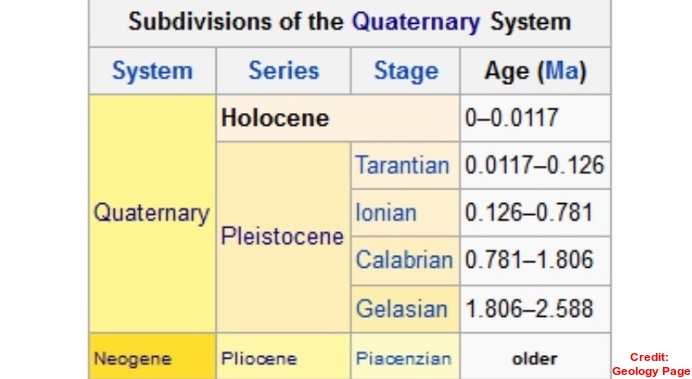
Geologists broadly recognise five major Ice Ages and warmer, temperate Interglacial Periods over the last 2.4 billion years. The Holocene Epoch, the current geological period spanning the last 11,700 years since the retreat of the Pleistocene glaciers, has provided a remarkably stable climate. This unique period of environmental predictability has allowed human societies to transit from nomadic hunting and gathering to systematic agriculture, which subsequently enabled the development of permanent settlements, complex civilisations and modern industrial, as well as technological, advancements. However, human demands have driven unprecedented technological progress and resource depletion over the past three centuries. This period, most notably initiated by the Industrial Revolution in the 18th Century, transitioned societies from agrarian to industrial, and eventually to a digital one. While this innovation has drastically raised the standard of living and global connectivity, it has simultaneously placed a severe strain on the Earth’s natural systems, accelerating the consumption of fossil fuels, minerals and destroying forests.
In an article published in the journal Nature in 2009, Professor Johan Rockström and his fellow researchers identified the Nine Planetary Boundaries for humanity’s safe operating space within the ecosystem. Those are Climate Change (Greenhouse gas levels and global temperature thresholds),Terrestrial Biodiversity (Rate of biodiversity loss and species extinction), Nitrogen-Phosphorus Cycle (Biogeochemical flows affecting soils and water bodies), Ocean Acidification (Changes in marine chemistry threatening calcifying organisms), Ozone Layer Depletion (Stratospheric ozone concentration), Freshwater Availability (The rate of global and regional freshwater extraction), Land-Use Change (Conversion of natural ecosystems, like forests, to croplands or urban areas), Chemical Pollution (Release of synthetic chemicals, novel entities and radioactive materials) and Atmospheric Aerosols (Concentration of particulate matter in the air). According to researchers, nature absorbs the damage caused by these elements to a certain extent. They believe that Climate Change, Terrestrial Biodiversity and the Nitrogen-Phosphorus Cycle have lost their natural rhythm because of various human activities and have crossed planetary limits.
The situation is even more alarming in the subsequent period. In a 2023 study published in Science Advances by Professor Katherine Richardson, Rockström and an international team of scientists provided a major update to the planetary boundaries framework, reiterating that the environment had not improved. Instead, excessive water consumption, unscientific use of land and chemical pollution crossed the safe limits for humanity. They further claimed that human activities pushed the Earth system well outside its safe operating space, stressing that six of the nine critical boundaries – Climate Change, Biosphere Integrity, Land-System Change, Freshwater Change, Biogeochemical Flows and Introduction of Novel Entities – had been transgressed.
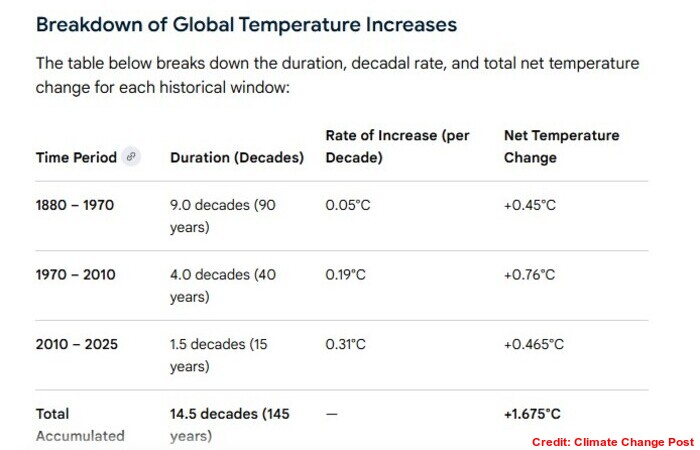
William J Ripple and seven other researchers authored the paper The risk of a hothouse Earth trajectory, published in the journal One Earth in February 2026, detailing the danger of exceeding the 1.5 degrees Celsius warming threshold. In this paper, authors mentioned that global temperatures rose at a rate of 0.05 degrees Celsius per decade from 1880 to 1970, 0.19 degrees Celsius from 1970 to 2010 and 0.31 degrees Celsius from 2010 to 2025. Also, the Atmospheric Carbon Dioxide levels have reached approximately 430 parts per million (ppm), a concentration not seen for millions of years in the Earth’s history. It is the highest atmospheric CO2 concentration for over two million years! Every ecosystem has a maximum threshold for tolerating heat, or a tipping point. When crossed, it leads to large, accelerating and often irreversible changes in the ecosystem. As a result, rising temperatures and extended dry seasons threaten a dieback threshold. Passing this point could convert the rainforest into a dry savanna, releasing billions of tonnes of stored carbon. The Arctic permafrost, too, has a thermal threshold for stability. Abrupt thawing releases Methane and Carbon Dioxide, creating a self-amplifying feedback loop that drives further atmospheric warming. The Greenland and West Antarctic ice sheets are increasingly vulnerable to passing critical melting thresholds, as well. While the melt takes time, crossing these points locks in global sea-level rise.
Global warming has impacted the seas and oceans, too. North- and south-flowing Atlantic currents act as the Earth’s thermal conveyor belt, redistributing excess solar heat from the equator to the polar regions. Warm surface water travels north, warming regions, like Europe, while dense, cold-water sinks and flows south, preventing extreme global temperature imbalances. Recent research confirms that crucial climate-regulating currents, like the Atlantic Meridional Overturning Circulation (AMOC), are steadily weakening. A weakened AMOC means less warmth is transported to the North Atlantic, leading to significantly harsher, colder winters in Western Europe and potentially a 7 degrees Celsius temperature drop in the Arctic. Furthermore, the East Coast of the US will experience accelerated sea level rise, and arid and semi-arid regions will expand in parts of Asia and Africa primarily due to the widening of the Hadley circulation, shifting rainfall gradients and the weakening of monsoon winds. The Southern Hemisphere has become disproportionately vulnerable to climate-driven warming. Rising temperatures, erratic rainfall and frequent droughts are directly reducing staple crop yields. As the region heavily relies on rain-fed agriculture and smallholder farms, this jeopardises regional food security, destabilises local supply chains and increases the prevalence of hunger.
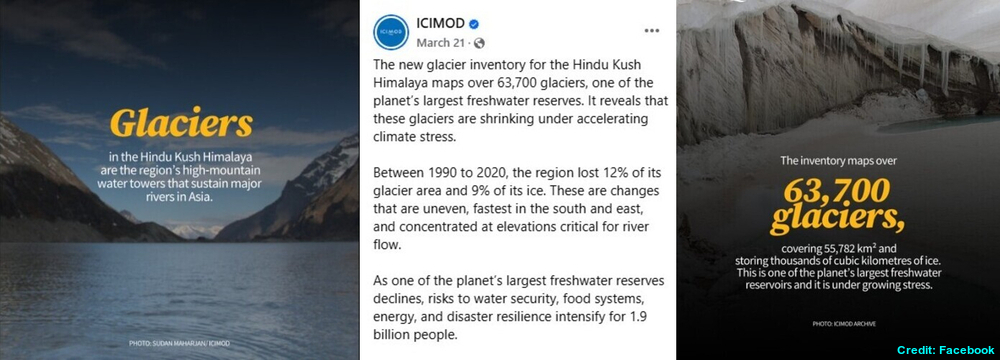
The International Centre for Integrated Mountain Development (ICIMOD) released two landmark reports in March 2026, confirming that the Hindu Kush Himalaya (HKH) region contains over 63,700 glaciers spanning across 55,782sqkm. Known as the Water Towers of Asia, these glaciers act as a critical freshwater reserve feeding 10 major river systems, including the Indus, Ganges and Brahmaputra, which sustain nearly two billion people downstream. According to those reports, 63,700 glaciers have triggered a rapid rise in water levels of those 10 major rivers because of melting.
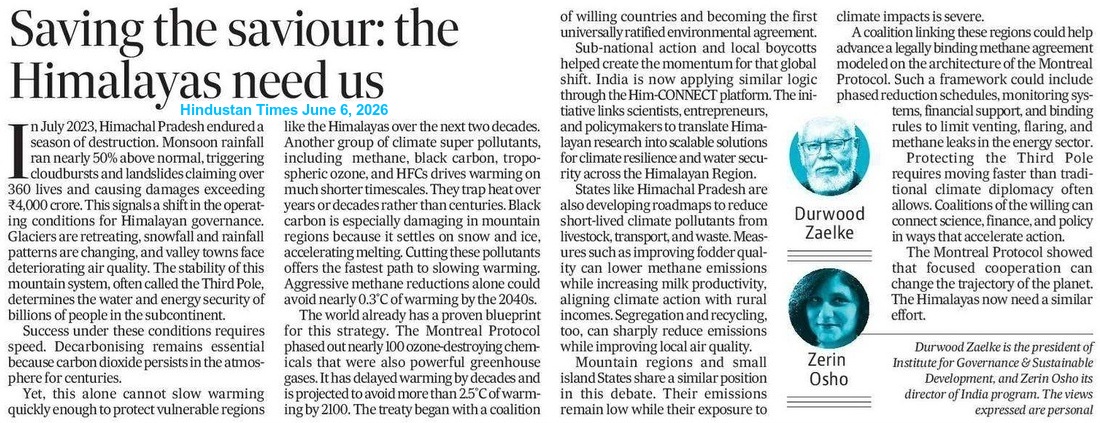
Analyses of the HKH region show that glaciers have lost 12% of their total area between 1990 and 2020, and nearly 27 metres of ice thickness since 1975. Snow persistence across the Ganges basin plunged to 24.1% below the long-term average in the 2024-25 winter, making it the lowest recorded level in 23 years. It registered a drastic drop in snow persistence, the amount of time snow stays on the ground, putting downstream communities at a high risk for early-summer water shortages. Similarly, snow persistence has experienced a 28% decrease in the Indus and Brahmaputra basins. If this trend continues, the three major rivers of South Asia will run dry during the months of April and May in the near future.
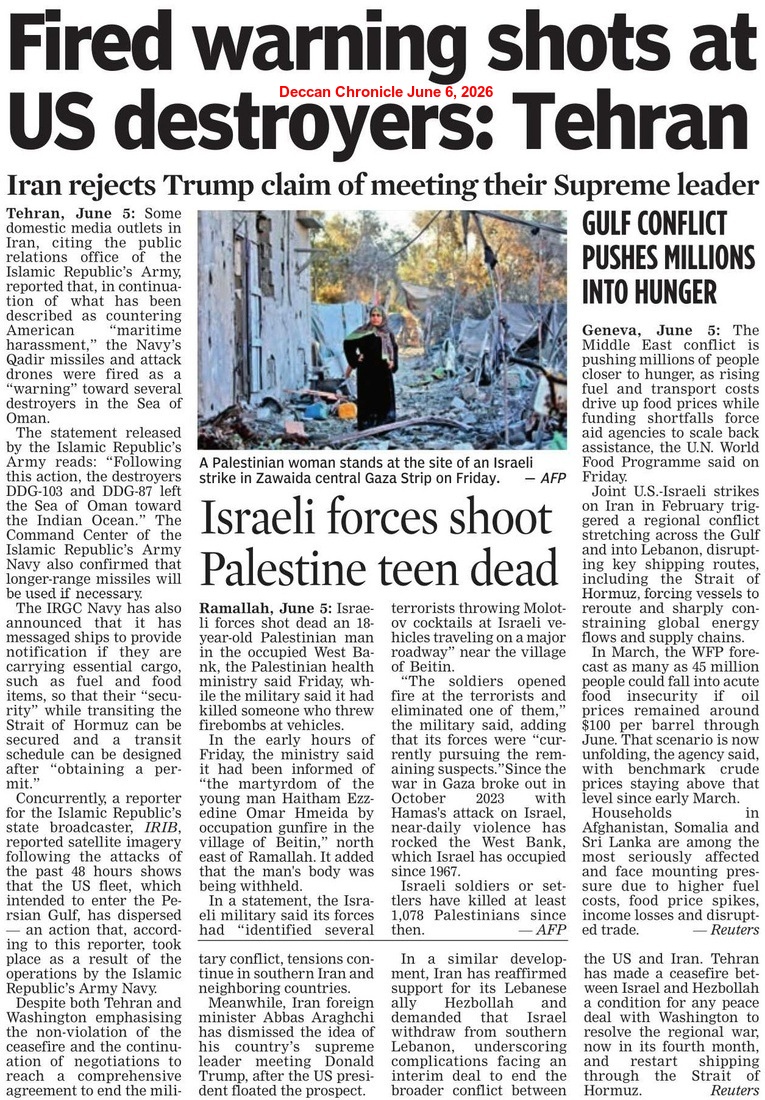
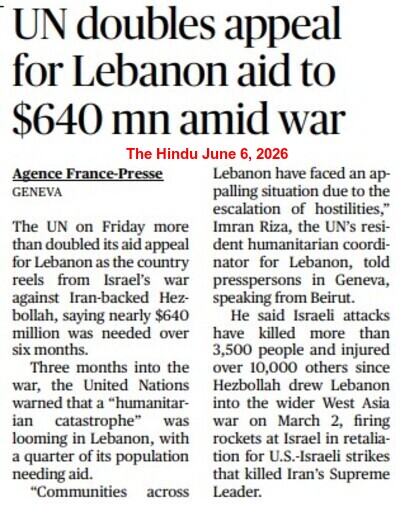
Yet, the world’s powerful statesmen remain indifferent in this time of crisis. The geopolitics of energy drives major ongoing international conflicts in Ukraine, West Asia and Venezuela. Researchers estimate that the first 14 days of the US and Israeli conflict with Iran generated over five million tonnes of carbon dioxide equivalent (CO₂e) emissions! According to researchers, the premise that we are entering a climatic tinderbox and a return from there is quite impossible within the human timescale.
Meanwhile,










Boundless Ocean of Politics on Facebook
Boundless Ocean of Politics on Twitter
Boundless Ocean of Politics on Linkedin
Contact us: kousdas@gmail.com

 ISMC
ISMC
