

Donald Trump & Xiopolitics
President Donald John Trump’s decision on Iran remains highly volatile following his return from China, as the Pentagon prepares options to resume the Operation Epic Fury. Reports suggest that the US and Israeli forces are waiting for instructions from the US President. They would launch attacks on the Islamic Republic immediately after receiving a green signal from President Trump. The Central Military Command of Iran, too, has warned of “much more devastating” retaliation, if the US and its allies strike civilian targets, refineries or nuclear facilities. The New York Times has reported that the President is weighing options for renewed military action against the West Asian nation and yet to make a final decision.
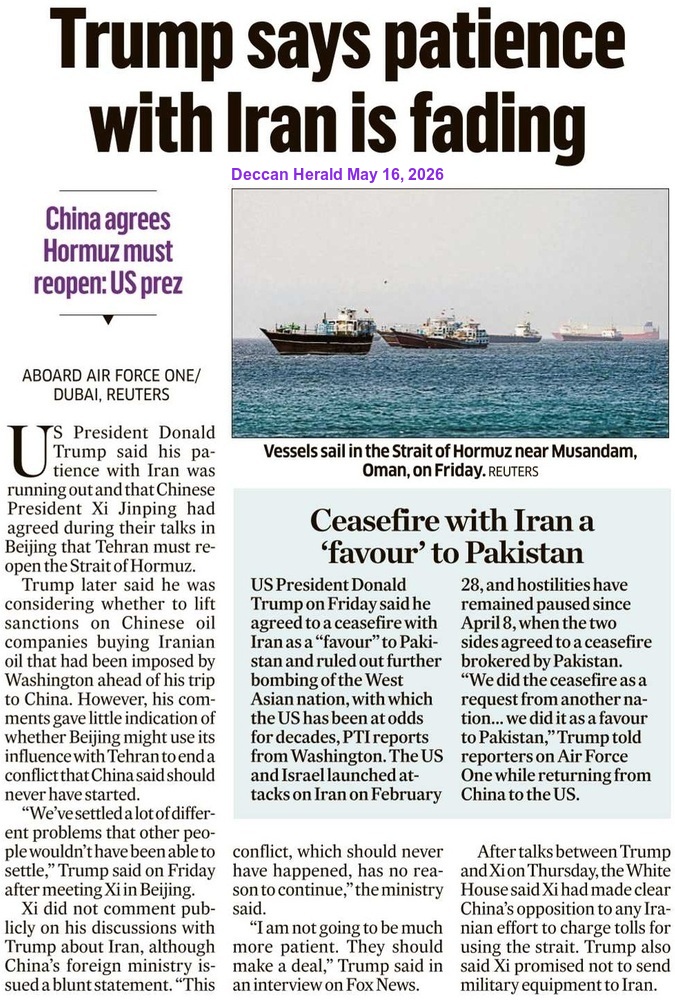
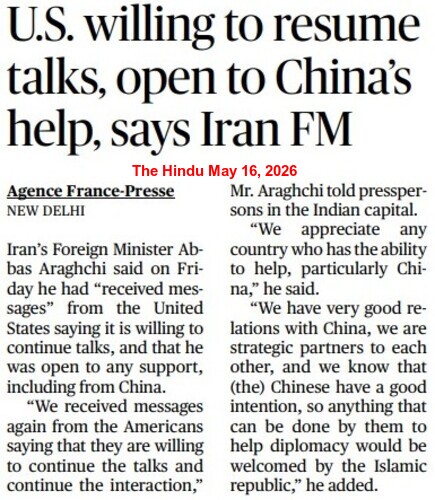
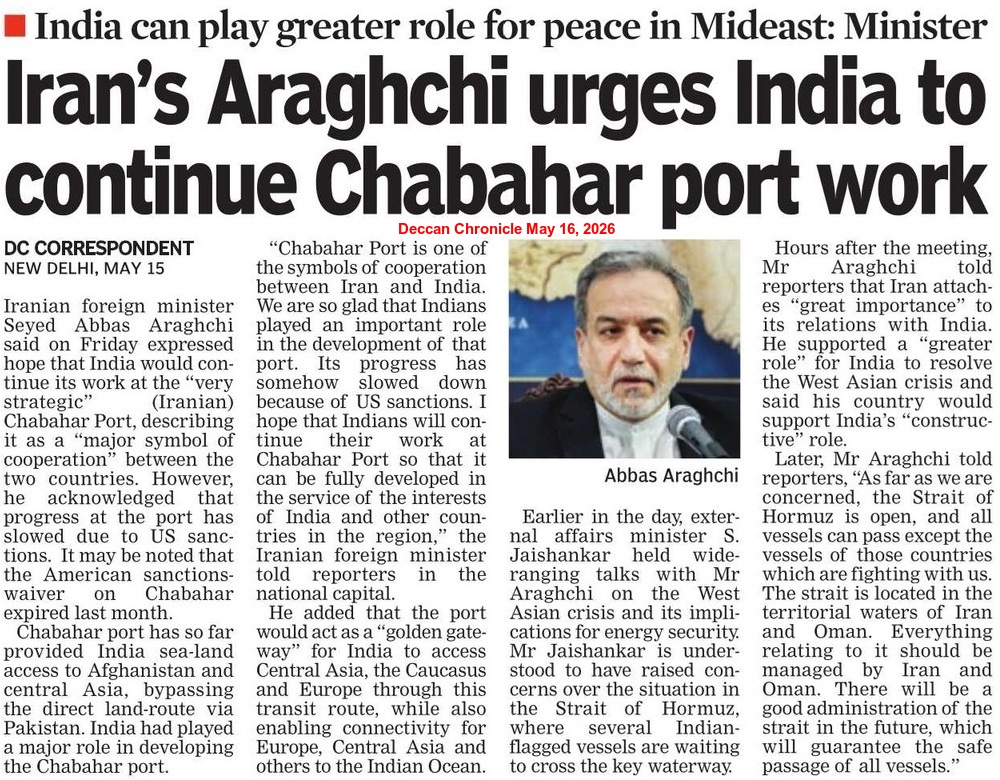
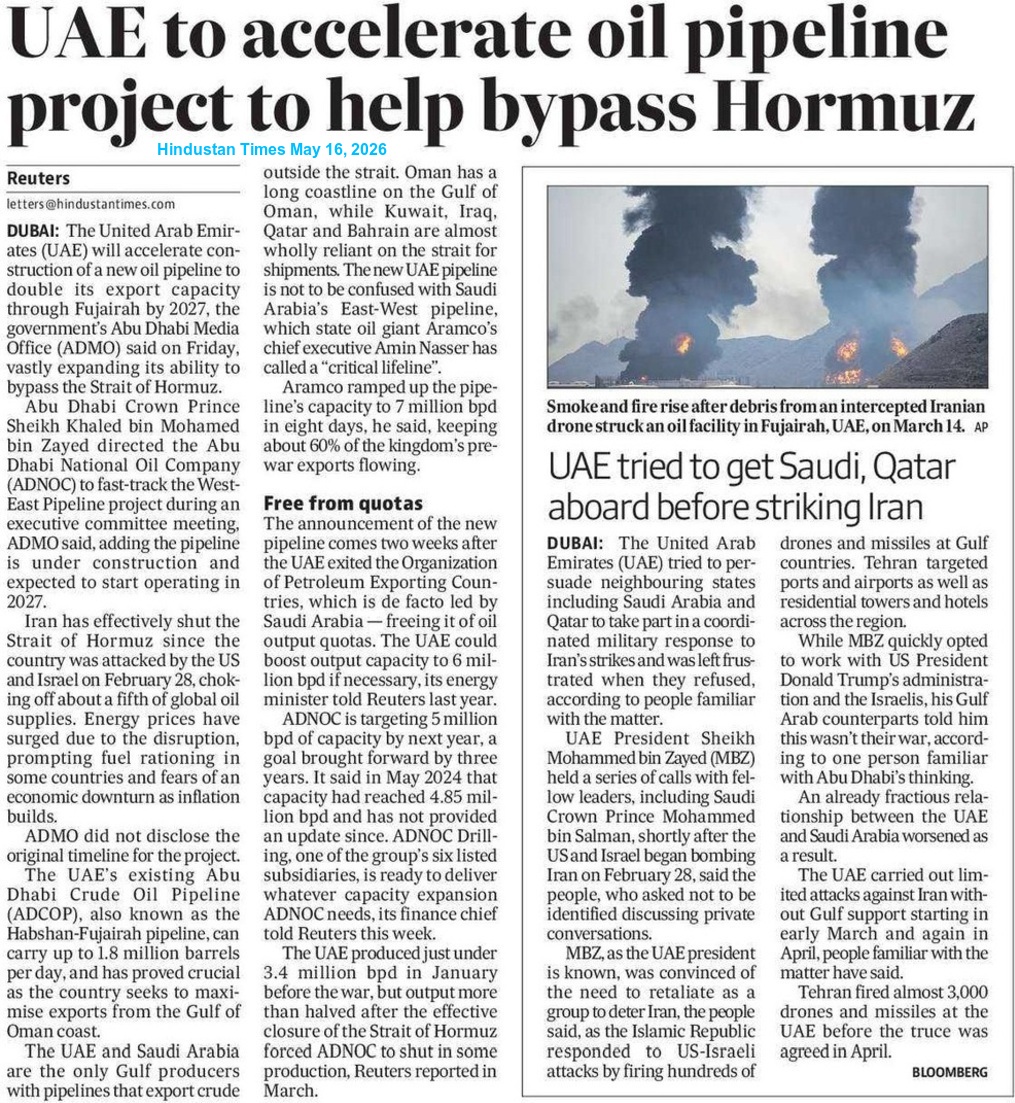
According to sources close to the White House, top US officials have prepared various plans for every possible scenario. They have also discussed how attacks could be carried out and possible changes in the nature of attacks compared to previous instances. At the same time, several countries, including Pakistan, are continuing their efforts to broker a permanent ceasefire between the US and Iran. Representatives of those countries are maintaining constant contact with the White House, apart from making serious efforts to persuade Tehran to open the Strait of Hormuz.
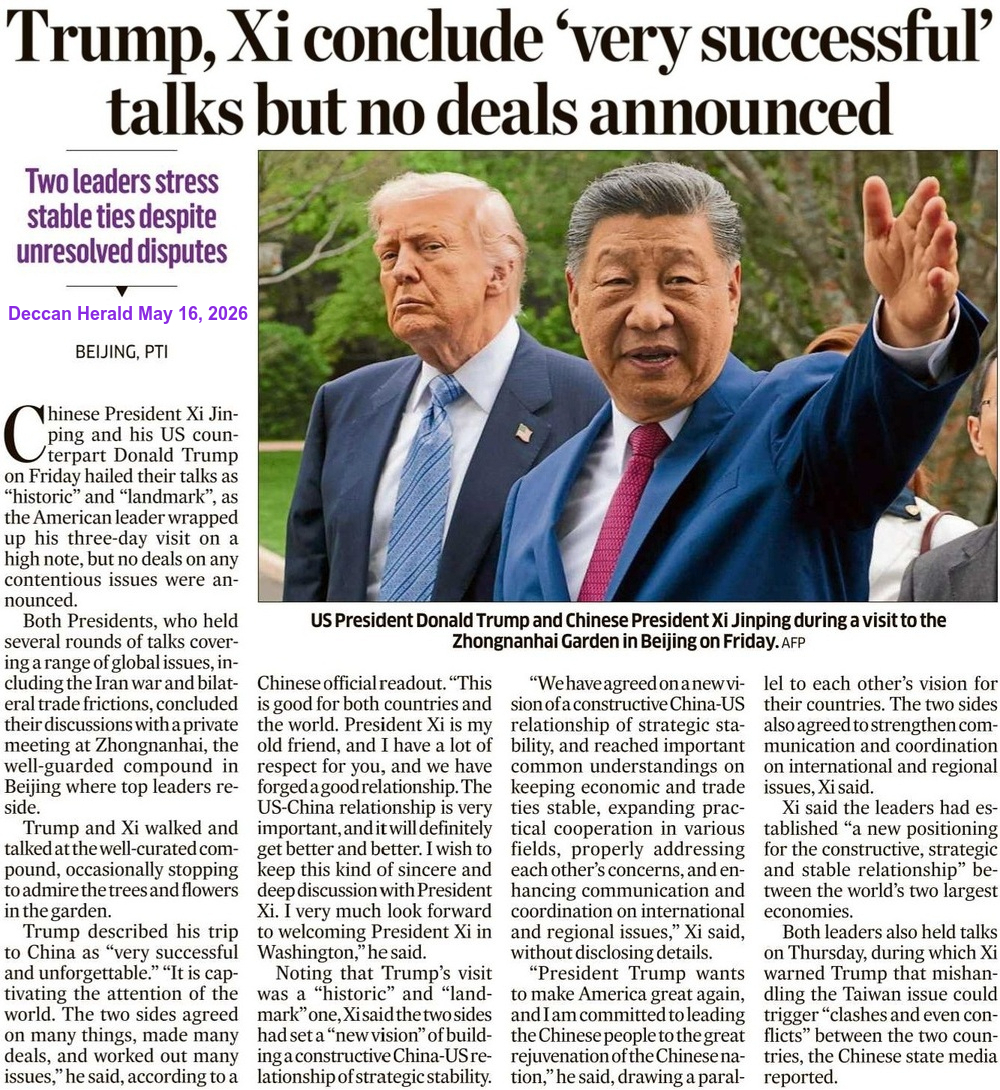
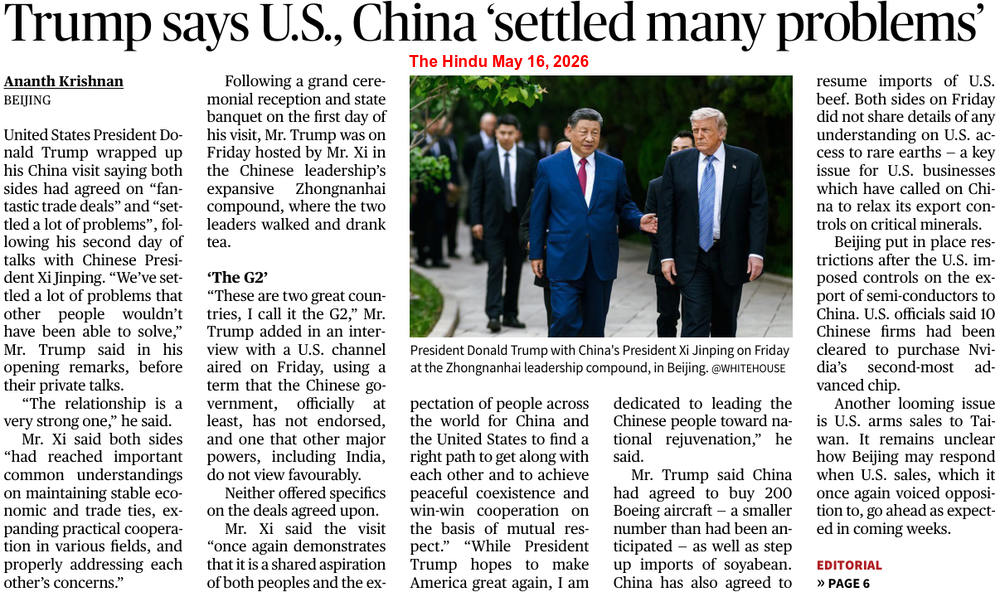
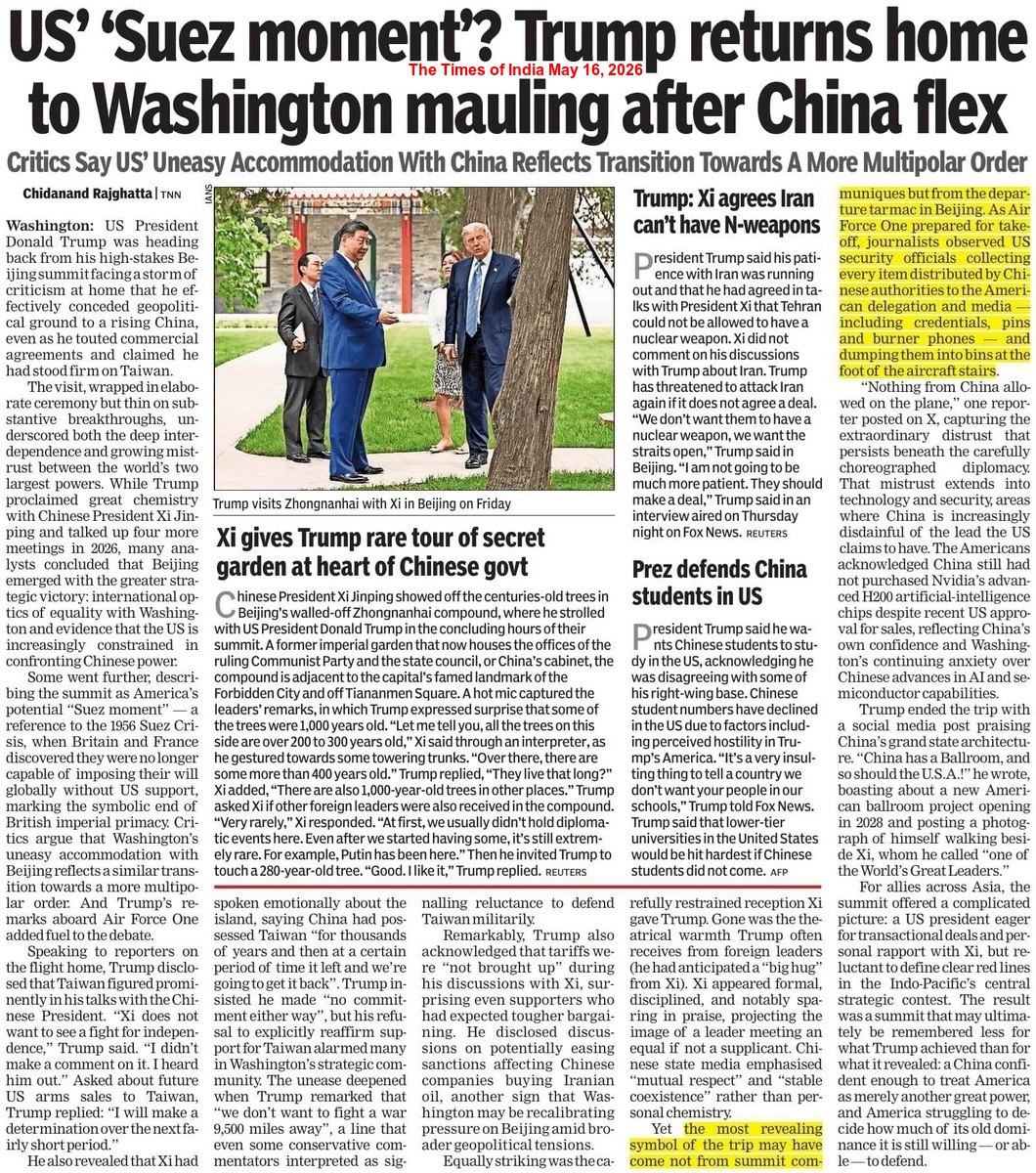
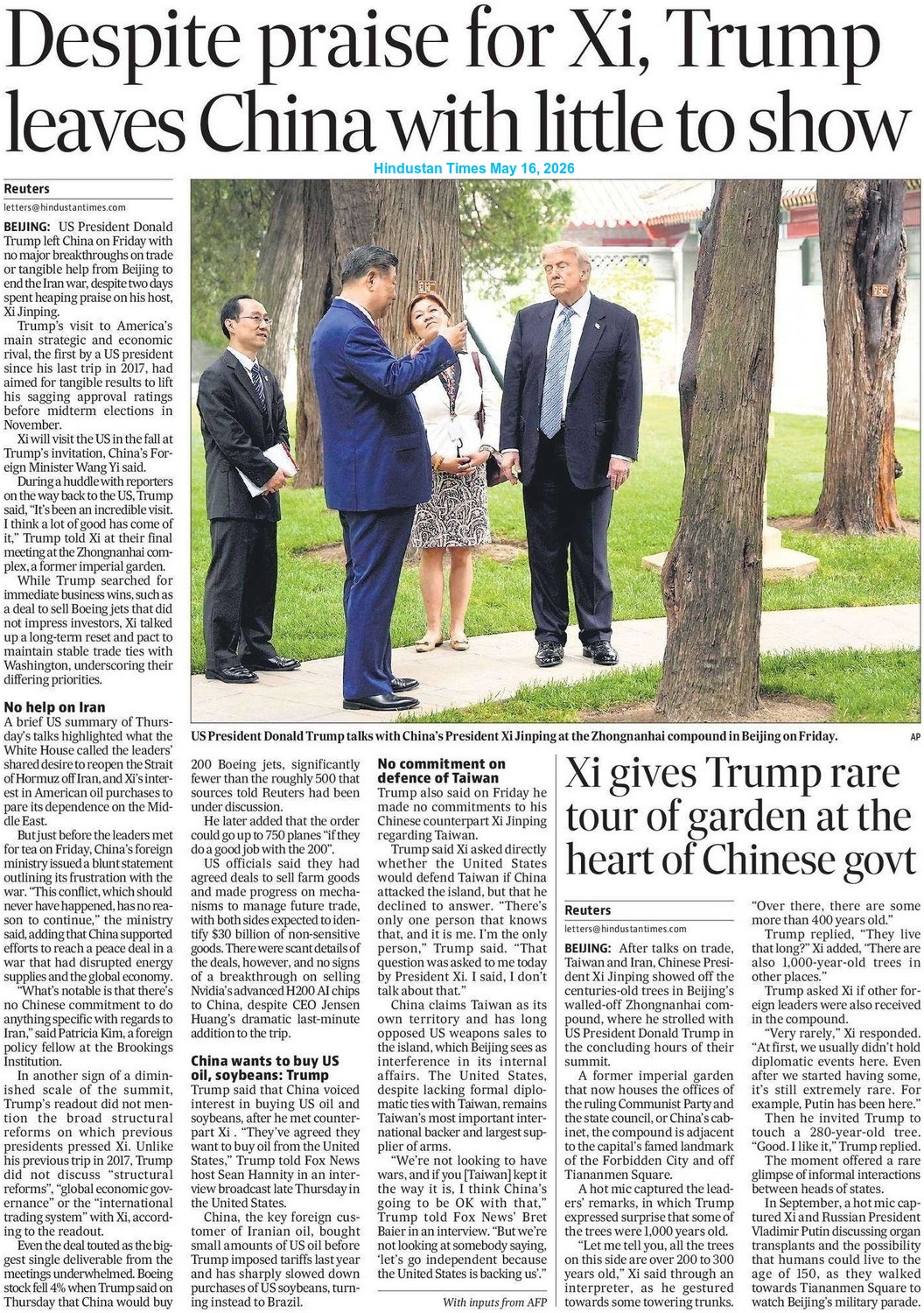
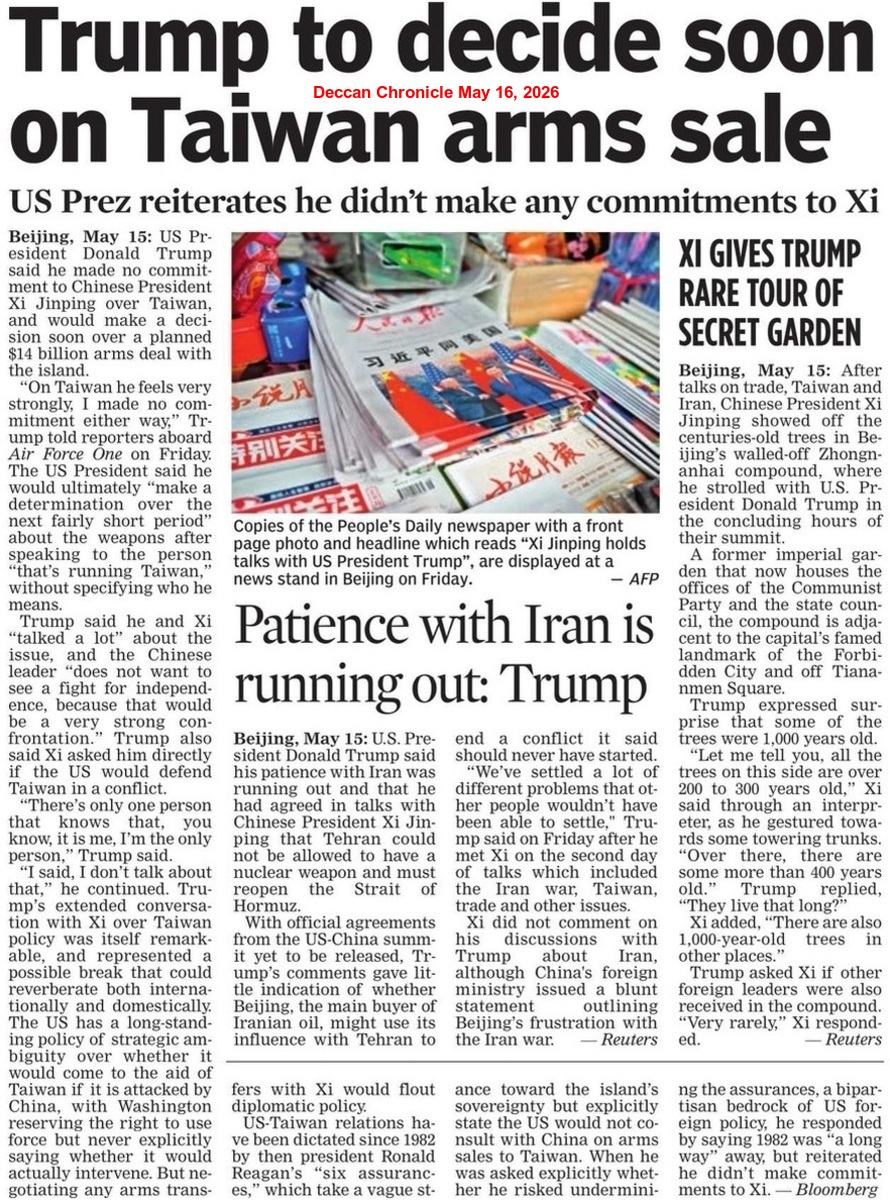
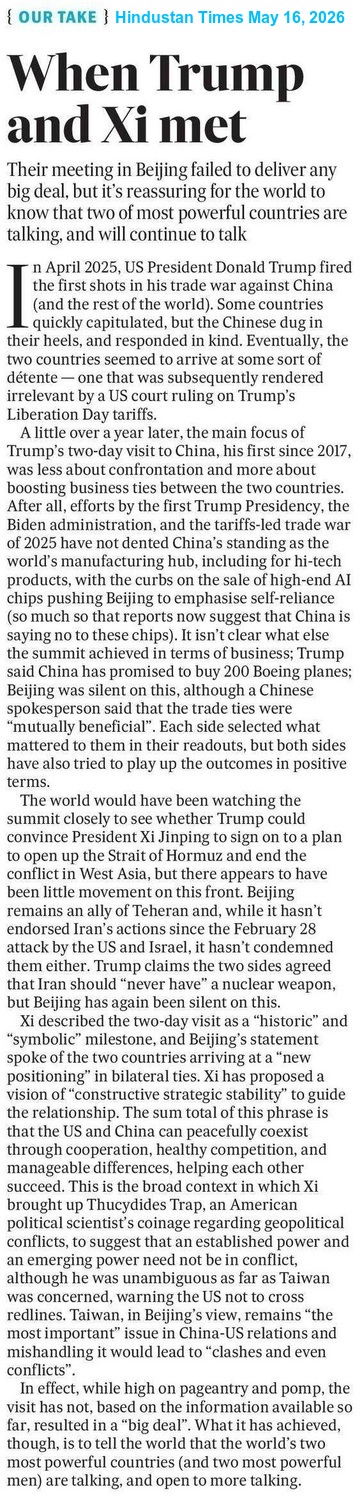
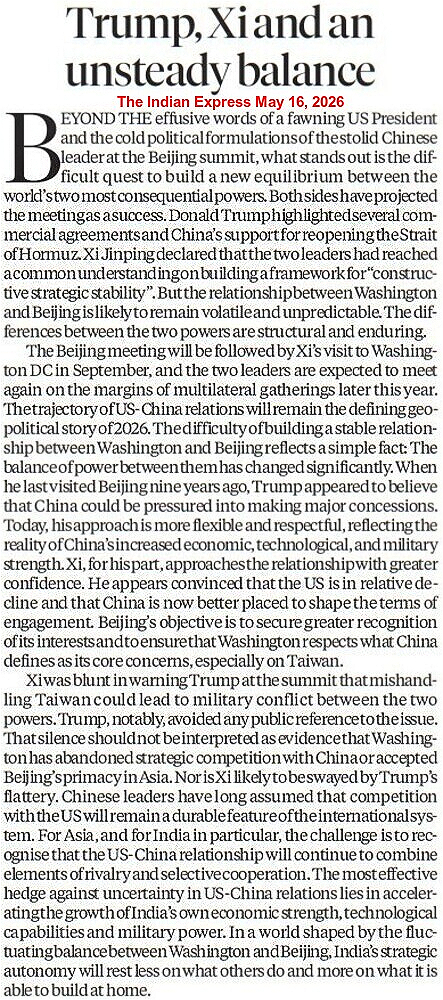
In Beijing, President Trump discussed the Iran issue with his Chinese counterpart Xi Jinping. Xi reportedly informed the visiting US President that China wanted uninterrupted navigation through the Strait of Hormuz. Later, Trump claimed that he did not ask the Chinese President for “any favours” or to exert pressure on Iran regarding the ongoing crisis in the Strait. In fact, both China and the US have taken a highly secretive, as well as ambiguous, approach during high-stakes closed-door meetings between the two Presidents. Beijing has issued warnings about clashes, leaving the operational details of the negotiations classified.
Washington DC has stationed more than 50,000 troops in West Asia. Two officials from the Middle East have claimed that the US and Israeli forces are all set to resume the armed conflict with Iran, stressing that attacks could resume as early as next week. Earlier, the Islamic Revolutionary Guard Corps (IRGC) mentioned in a statement: “We are not in a ceasefire, we are in a stage of war. No protocol, regulation or agreement has been written between us and the US or Israel.”
Political analysts have opined that President Trump’s approach to Iran is in a state of flux. While diplomatic options, like extending the fragile ceasefire and pursuing a long-term nuclear agreement, remain on the table; ongoing negotiations and military pressures remain highly volatile. The primary responsibility of the Trump Administration should be to ensure peace in West Asia and to eliminate uncertainty in the Strait of Hormuz. This move will help the President to win over a section of his hostile countrymen. However, if Trump decides to resume the war, then the scale of US aggression and involvement would expand.
You may also like: The ‘Suez Moment’ Of US
A section of analysts has claimed that shifting US military operations into a second phase typically implies a pivot in strategy, such as transitioning from major combat or a heavy blockading posture to targeted, counter-insurgency mop-up operations, or shifting focus to non-contiguous multi-domain warfare (e.g., cyber, intelligence-led targeting or autonomous weapons deployment). The Trump Administration may also deploy special forces in Iran for conducting a ground operation in order to seize or destroy nearly 400kg of 60% enriched uranium, much of which is believed to be buried deep underground at heavily fortified sites, like the Isfahan and Natanz nuclear complexes.
As the US President navigates the complex situation, only time will reveal his definitive path.
Meanwhile,
Boundless Ocean of Politics on Facebook
Boundless Ocean of Politics on Twitter
Boundless Ocean of Politics on Linkedin
Contact us: kousdas@gmail.com

 ISMC
ISMC
