

The ‘Suez Moment’ Of US
The decline and fall of empires throughout history are rarely sudden events, but rather terminal phases preceded by consistent and identifiable warning signs. For example, the Army engages in countless prolonged, intertwined conflicts with foreign Armies, often lacking clear, long-term or achievable end-states. Secondly, the cost of maintaining a massive military, securing distant frontiers and funding bureaucracy exceeds the ability of an empire to generate revenue. It is called Imperial Overstretch. Most importantly, the sustained resistance of a subjugated population often grows strong enough to outlast, weaken and ultimately surpass the might of an empire.
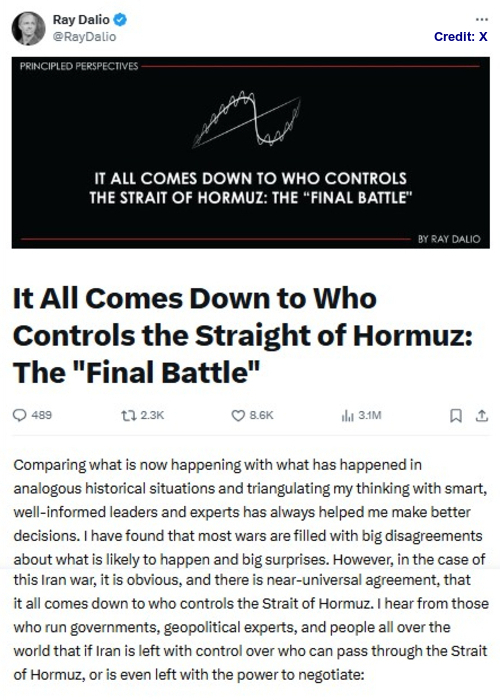
The nationalisation of the Suez Canal on July 26, 1956 was such a momentous event in the history of the British Empire. Seven decades later, the ongoing struggle surrounding the Strait of Hormuz seems to signal a similar moment. Historian Ray Dalio has warned that the ongoing tensions and potential conflict surrounding the Strait of Hormuz could act as a watershed, imperial-decline moment for the US, analogous to the 1956 Suez Canal Crisis for Britain.
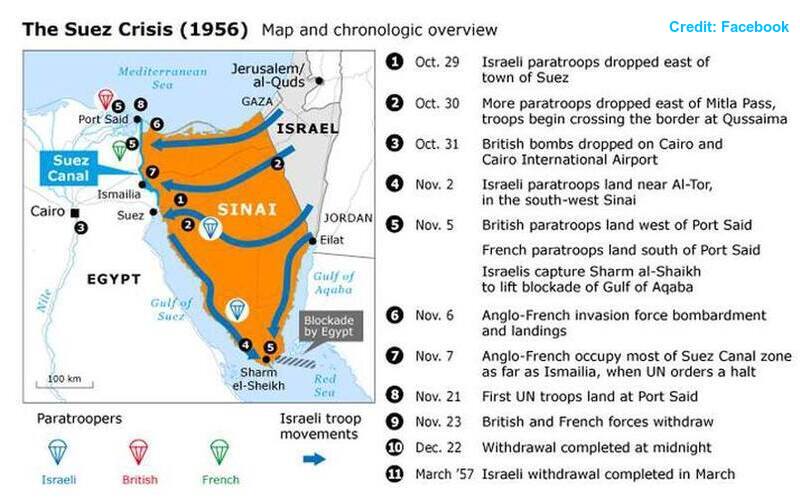
The British Empire spanned roughly 400 years, from the mid-16th Century to the late 20th Century, becoming the largest empire in history. The British Navy used to control the key maritime routes, including the Suez Canal, across the globe. The Canal – which connects the Mediterranean Sea to the Red Sea through the Isthmus of Suez, and divides Africa and Asia – was not merely a maritime corridor for transporting goods; but also connected Britain with its former colonies. At the same time, the Suez Canal was a symbol of Britain’s imperial status.
On July 26, 1956, Gamal Abdel Nasser, the then President of Egypt, announced the nationalisation of the Suez Canal Company, shifting control from British and French interests to the Egyptian State in order to fund the Aswan High Dam. His decision challenged the British imperialist power in West Asia. Britain had already been severely weakened by the Second World War, effectively ending its status as the world’s preeminent superpower. Nasser’s action sparked the 1956 Suez Crisis, a collusive military campaign where Britain, France and Israel invaded Egypt to regain control of the Canal.
Although the joint forces achieved success in the initial stage of the war, the situation subsequently began to change rapidly. The US, the erstwhile Soviet Union and the UN called upon Britain to withdraw troops from Egypt. Ultimately, Britain had no other option, but to back down in the face of intense diplomatic pressure. The consequences of this were far-reaching as the British Pound gradually weakened and many of its allies across the world questioned the global dominance of Britain. Later, the British colonies intensified their independence movements. The 1956 Suez Crisis is widely regarded by historians as the definitive turning point that signalled the end of Britain’s role as a top-tier global power, and solidified the US and the erstwhile Soviet Union as superpowers. In fact, the issue was not merely about the Canal; it was about perspective. As (global) confidence in Britain’s power began to wane, its geopolitical and economic consequences, too, gradually became apparent.
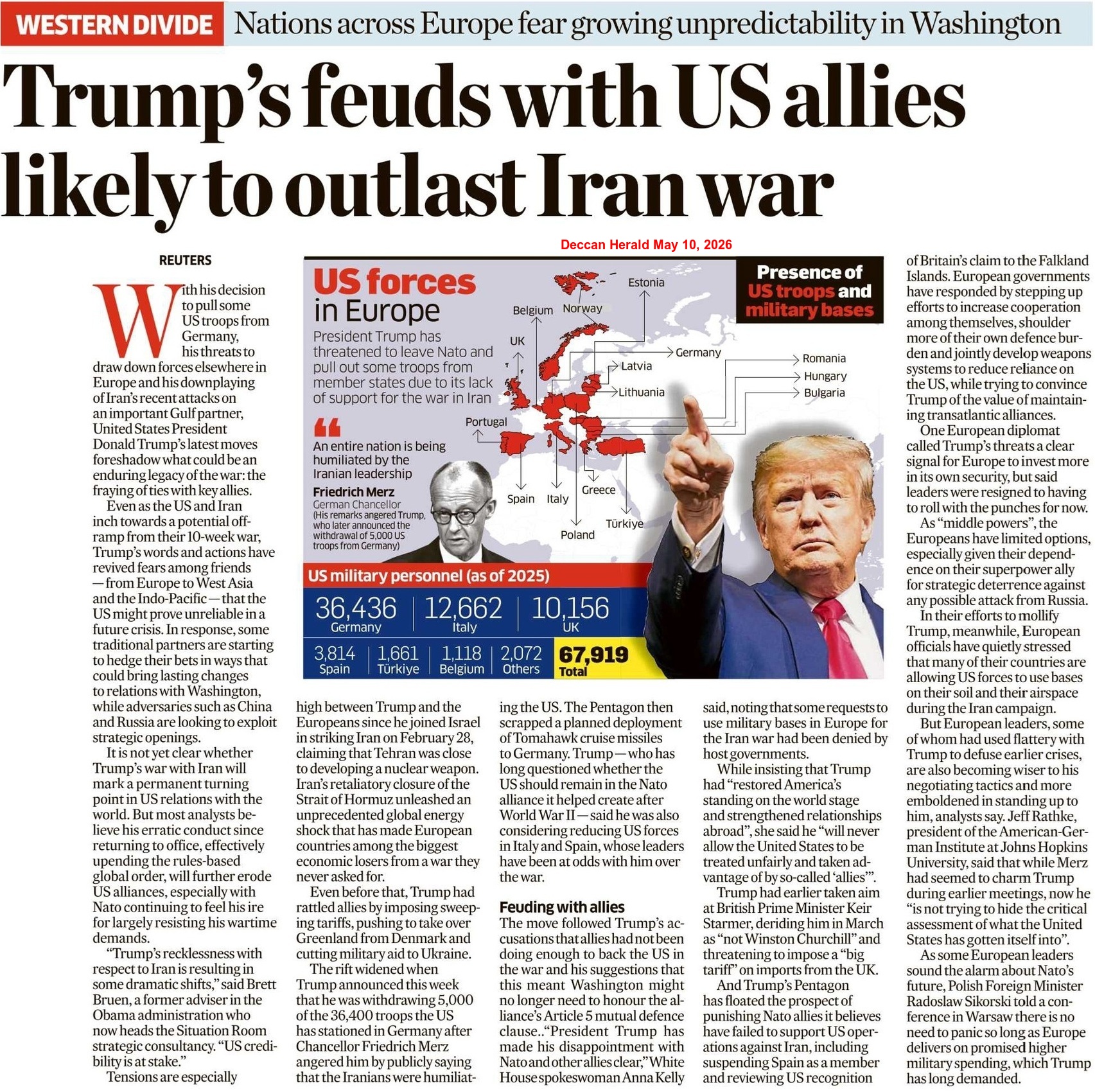
The 1956 Suez Crisis is widely considered as a pivotal moment in 20th Century history that accelerated the decline of Britain as a superpower while cementing the US as the dominant power in the West and the Middle East. The US intervention in the crisis was a highly calculated strategic move by the Eisenhower Administration, acting as a turning point that solidified the US as the dominant Western superpower, replacing traditional European colonial powers. By compelling Britain, France and Israel to withdraw, the US demonstrated its power while navigating the intense pressures of the Cold War and managing regional instability. Even today, the US influence on the politics, economy and even security of West Asia remains immense. From establishing military bases to introducing the petrodollar system, the US now holds dominance in this particular region. However, the current situation differs in one crucial respect: it does not appear that any single power is poised to displace the US in the way it directly displaced the British Empire.
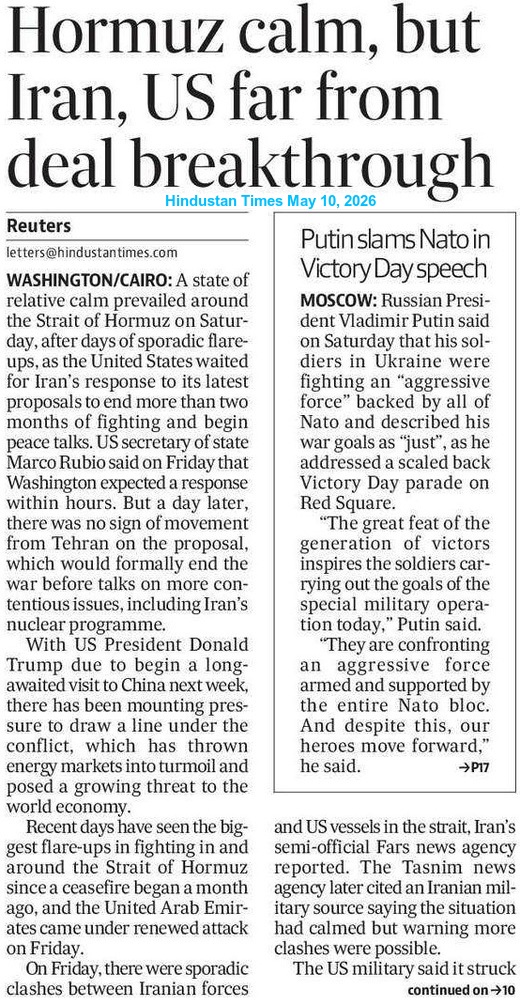
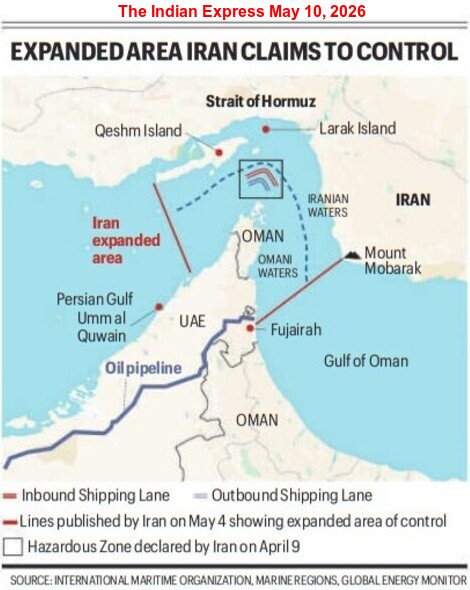
Just like the Suez Canal, the Strait of Hormuz has emerged as a vital waterway for fuel supplies, with roughly one-fifth (approximately 20-30%) of the world’s total oil and Liquefied Natural Gas (LNG) supplies passing through the Strait, primarily from Middle Eastern producers. Over 17 million barrels (per day) of oil and more than 20% of global LNG trade transit through this narrow route. Therefore, any form of disruption in the Strait of Hormuz could have far-reaching effects on the global economy. The prolonged closure of the Strait or persistent disruptions to the flow of fuel is not only destabilising the global economy, but is also exerting pressure on the rest of the world, including the US, by driving up fuel prices.
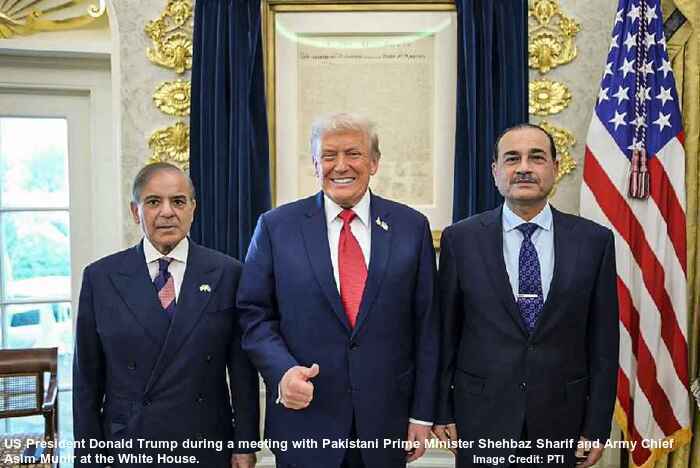
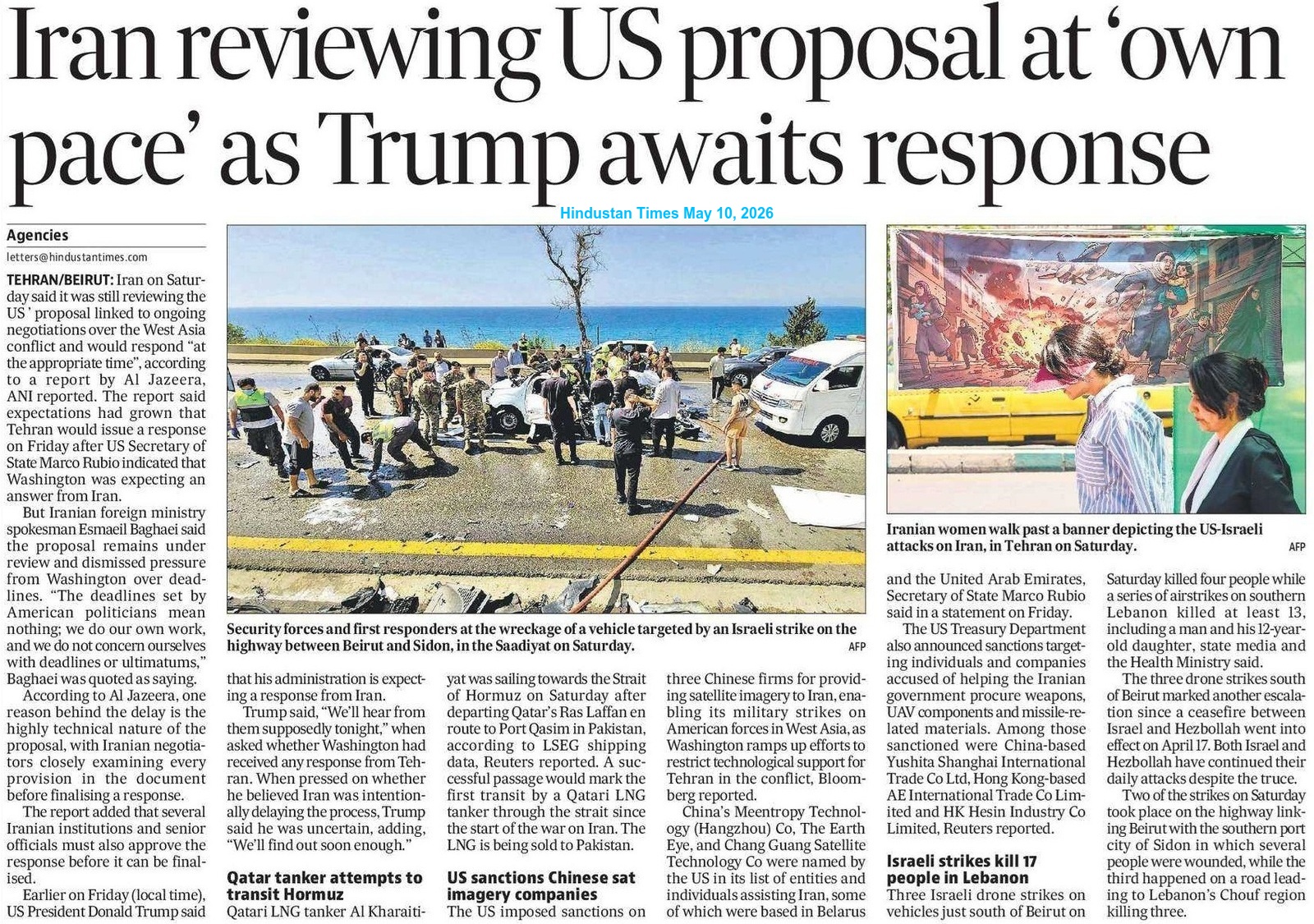
On the other hand, if the US, in spite of possessing military might, fails to normalise the situation in the Strait of Hormuz, it would raise questions regarding its status as a global power. In fact, US President Donald John Trump agreed to the ceasefire based on conversations with Pakistani Prime Minister Mian Muhammad Shehbaz Sharif and Army Chief Field Marshal Syed Asim Munir Ahmed Shah as he was unable to bring the situation under control.
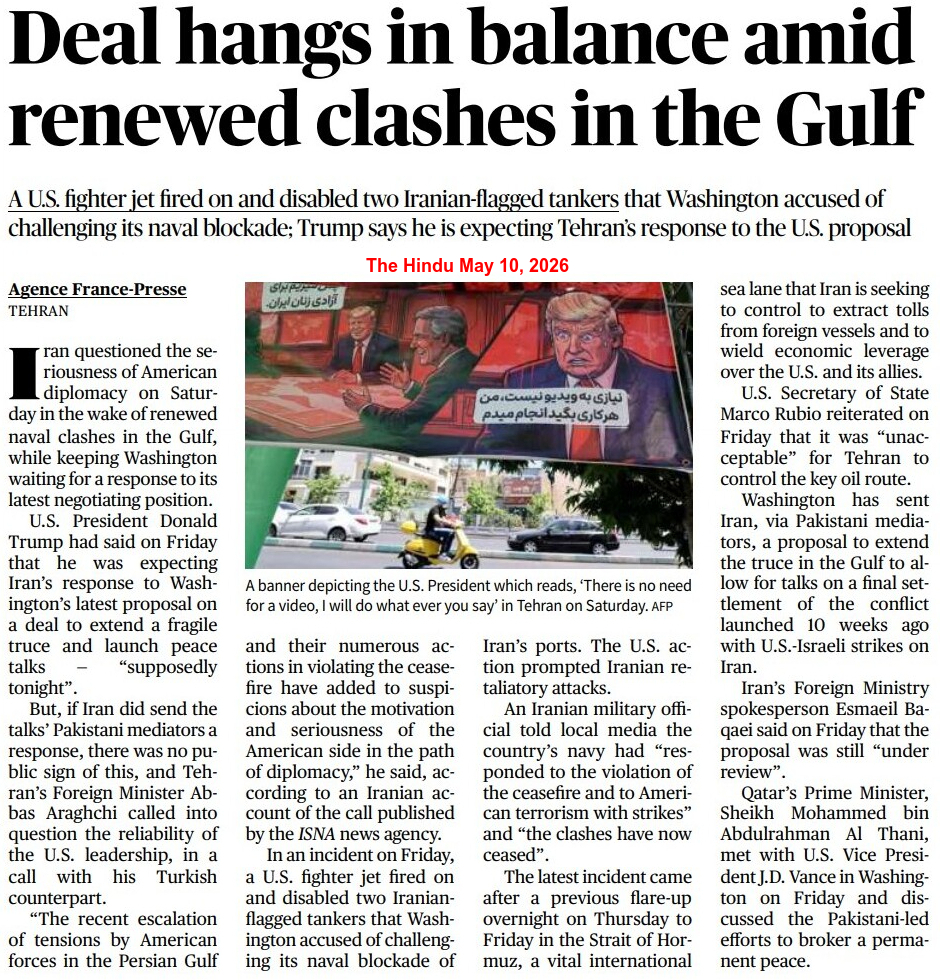
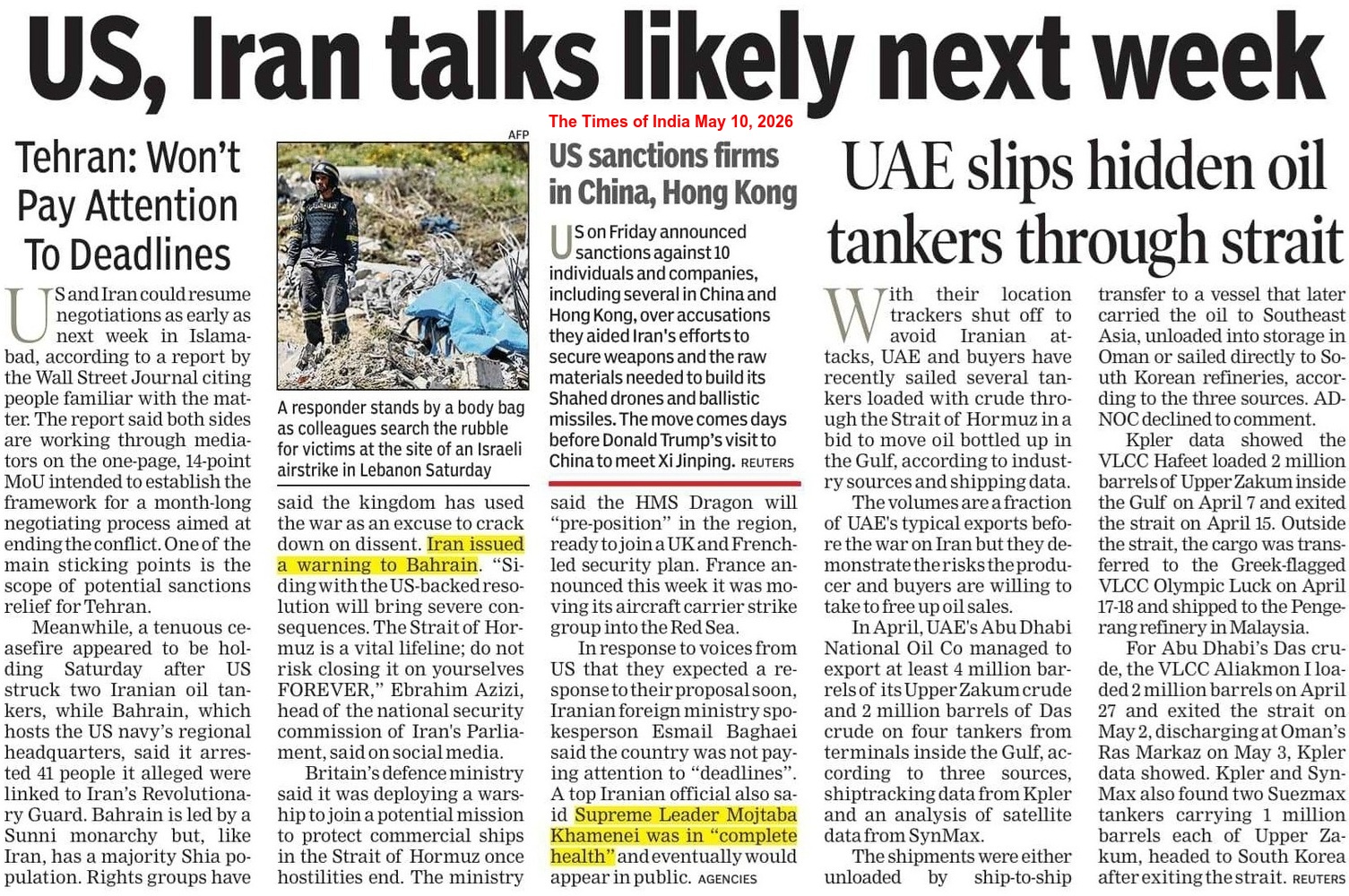
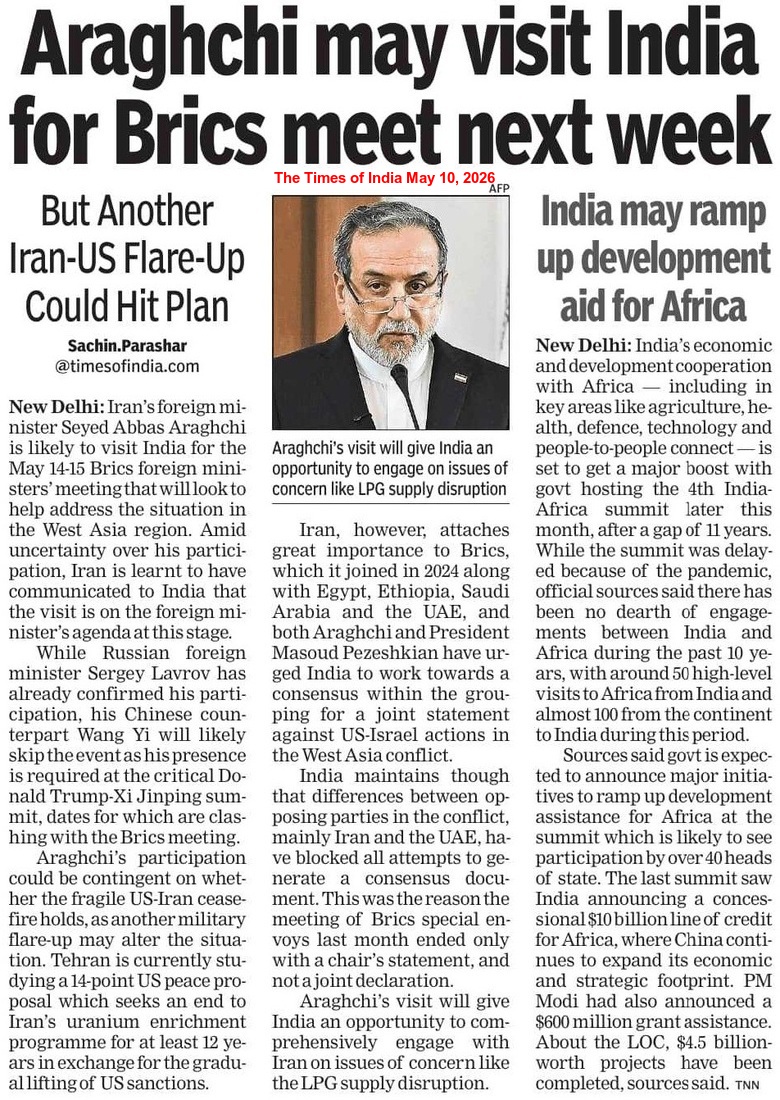
Many, especially in the West, assumed that the joint aggression by the US and Israel, as well as the death of Supreme Leader Ayatollah Seyyed Ali Hosseini Khamenei, would break Iran’s morale. However, new leadership figures, like Mojtaba Khamenei, vowed revenge, suggesting that the Axis of Resistance was not broken. In fact, the new Iranian leadership appears more hardline, consolidated and tightly bound to security forces. It has adopted an uncompromising stance, characterised by no negotiation policies, increased defiance toward the US and a vow to respond to regional aggression with force. Reports indicate that the Islamic Revolutionary Guard Corps (IRGC) remain active and have launched retaliatory missile strikes. The Islamic Republic leverages its 1,690km coastline and 33km-wide Strait of Hormuz bottleneck to block one of the world’s most critical energy transit routes.
Interestingly, the current political leadership of Iran has maintained a posture of caution and high-stakes negotiation, with some evidence suggesting a “no hurry” strategy while focussing on securing maximum concessions regarding sanctions and regional security. Currently, Iran is not trying to achieve all of its objectives in order to claim strategic success. As the US and its allies have failed to trigger a Regime Change in Tehran, Iran has achieved its primary objective – survival.
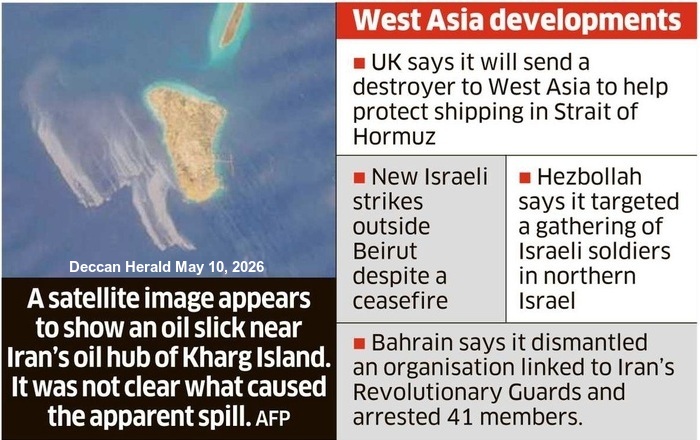
However, President Trump is yet to end the Iran War. Rather, the US, even amidst the ceasefire, blocks the Strait of Hormuz, apart from imposing various sanctions in order to put Iran under tremendous pressure. Hence, the situation is extremely complex. The military operation launched on February 28, 2026 – referred to as Operation Epic Fury by the US and as Operation Roaring Lion by Israel – has rapidly escalated into a major war of the 21st Century, characterised by significant destruction and severe financial impact. Multiple sectors, including energy, have been affected by this war. Given the current situation, it will take several years to rebuild the damaged energy infrastructure.
It is quite easy to understand that Donald Trump is the first leader in modern history to create a global crisis by waging a war in the Middle East. Unfortunately, the global community would have to pay a heavy price (for a long time) for this war, waged with the aim of establishing US hegemony.
Meanwhile,

Boundless Ocean of Politics on Facebook
Boundless Ocean of Politics on Twitter
Boundless Ocean of Politics on Linkedin
Contact us: kousdas@gmail.com

 ISMC
ISMC

4 Comments »