

Trump Rejects ‘Peace Proposal’, Iran Hits Back
US President Donald John Trump rejected Iran’s new Peace Proposal on May 11, 2026, stressing that the proposed peace deal was “deeply unsatisfactory“. He made it clear that Tehran’s proposal could not be accepted under any circumstances.
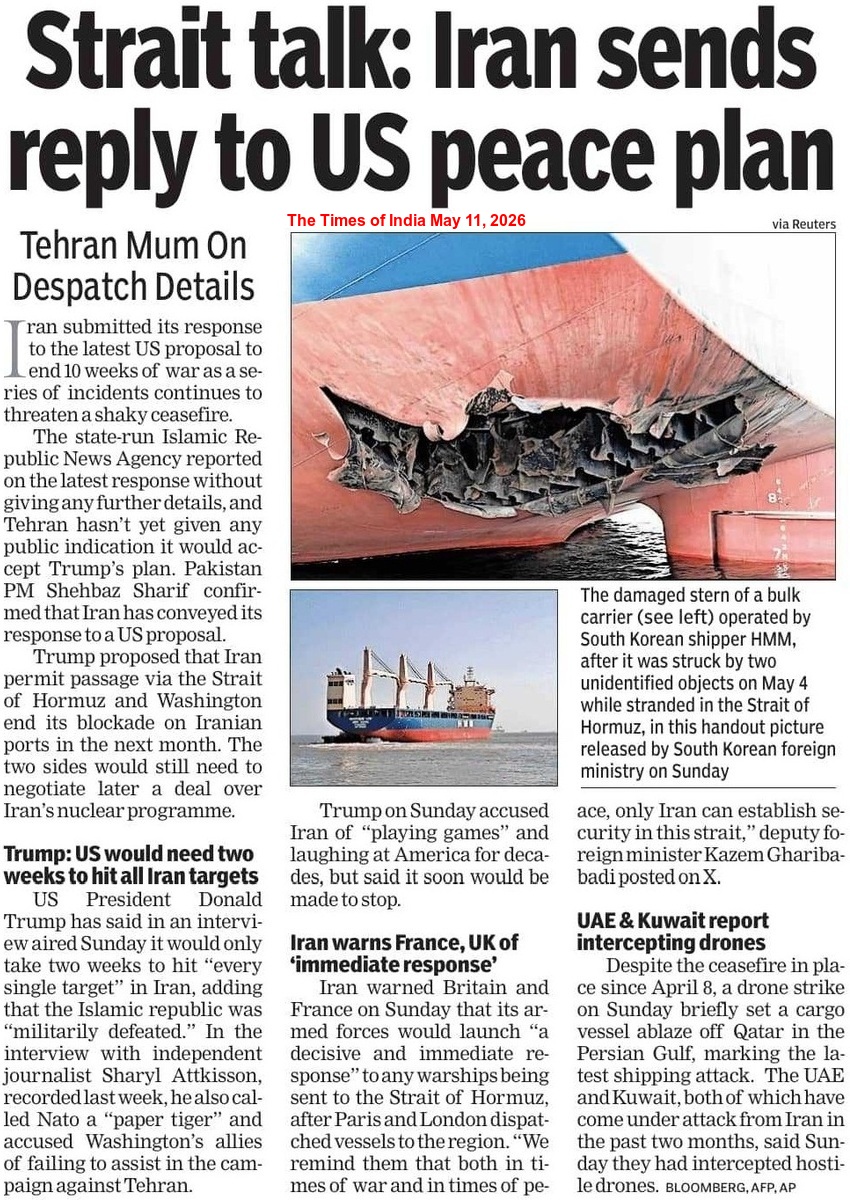
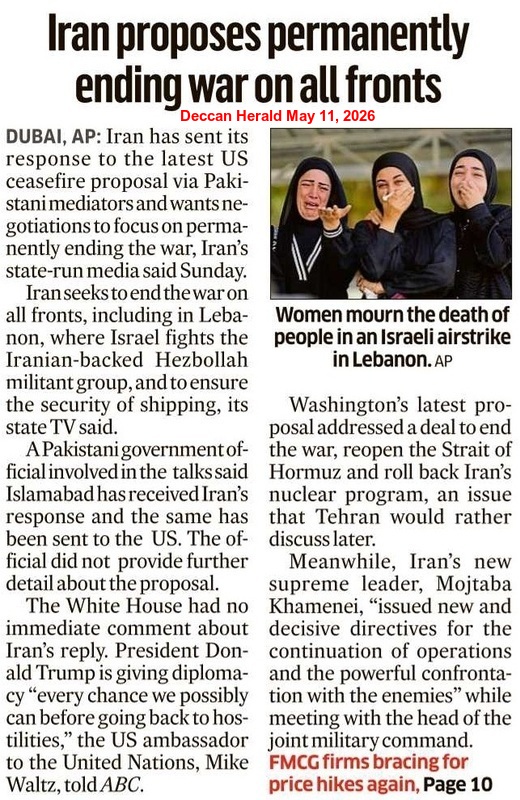
The Islamic Republic sent the new Peace Proposal to the US through Pakistan, which is mediating between the two parties. The local media reported that the proposal outlined several conditions, including a demand for compensation for war damage. Tehran also emphasised Iranian sovereignty over the Strait of Hormuz. Iran called on the US to end its naval blockade, guarantee no further attacks, lift sanctions and end a ban on oil sales. The West Asian nation further proposed to have some of its highly enriched uranium diluted and the rest transferred to a third country, seeking guarantees that the transferred uranium would be returned, if negotiations fail or the US quits the agreement later.
After reviewing the proposal, the US President wrote on Truth Social: “I don’t like it – TOTALLY UNACCEPTABLE.” He described the reply as “inappropriate”, accusing Tehran of long-standing hostility. Trump stated that Iran had been “playing games” with the US for decades, adding: “They will be laughing no longer.” He also hinted at a tougher stance ahead. Reports suggest that the US President discussed the issue with Israeli Prime Minister Benjamin ‘Bibi’ Netanyahu, calling it a “very nice call”.
President Trump claimed that the US was “closely monitoring” Iran’s stockpile of enriched uranium, saying that Washington DC would know if anyone approached the site and would “blow them up“. “We’ll get that at some point. Whenever we want. We have it surveilled. I did a thing called Space Force, and they are watching that… If anybody gets near the place, we will know about it – and we’ll blow them up,” he told journalist Sharyl Attkisson.
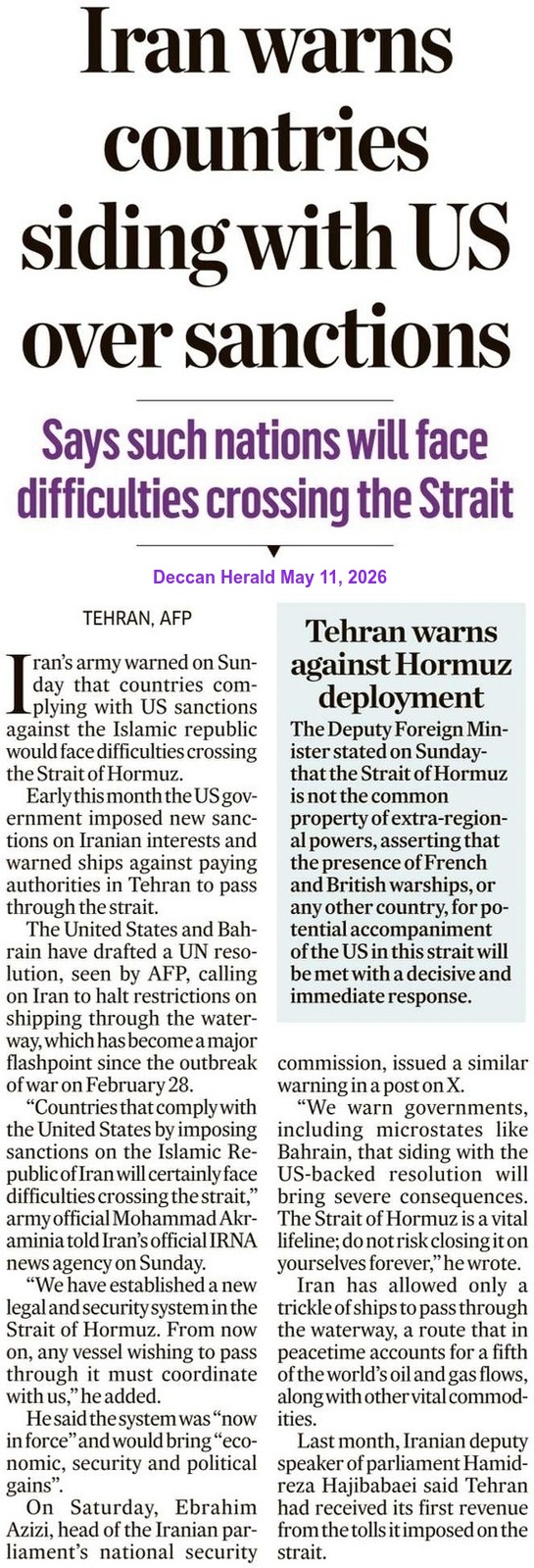
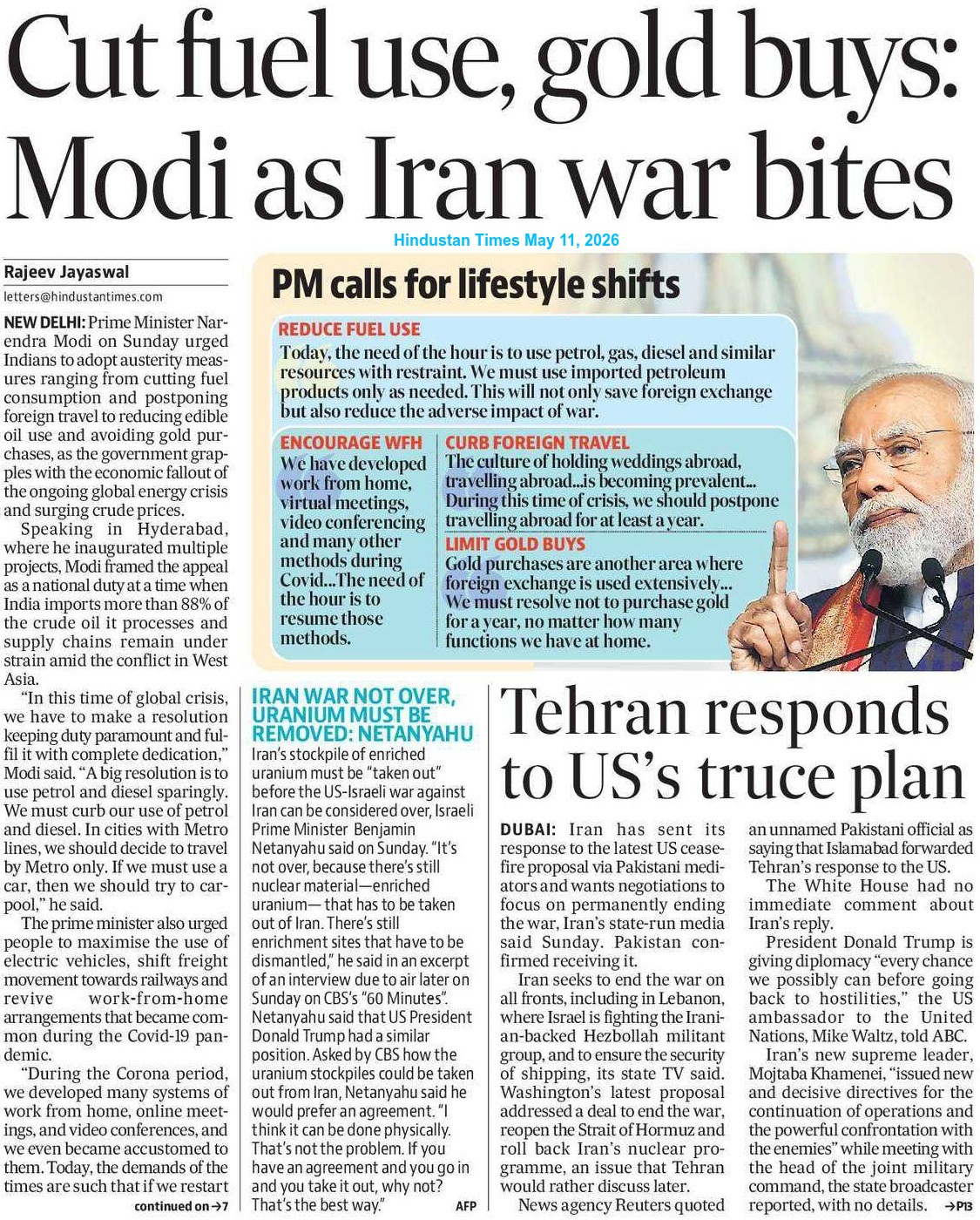
Immediately after the US President rejected the Peace Proposal, Iran publicly maintained its defiant line. President Masoud Pezeshkian wrote on X: “We will never bow down to the enemy, and if there is talk of dialogue or negotiation, it does not mean surrender or retreat.” New Supreme Leader Mojtaba Khamenei, too, “issued new and decisive directives for the continuation of operations and the powerful confrontation with the enemies” after holding talks with the head of the Joint Military Command. The top Iranian leadership of Iran warned that Tehran would not hold back from retaliating against any new US strikes or permit more foreign warships in the Strait of Hormuz.
Read: The ‘Suez Moment’ Of US
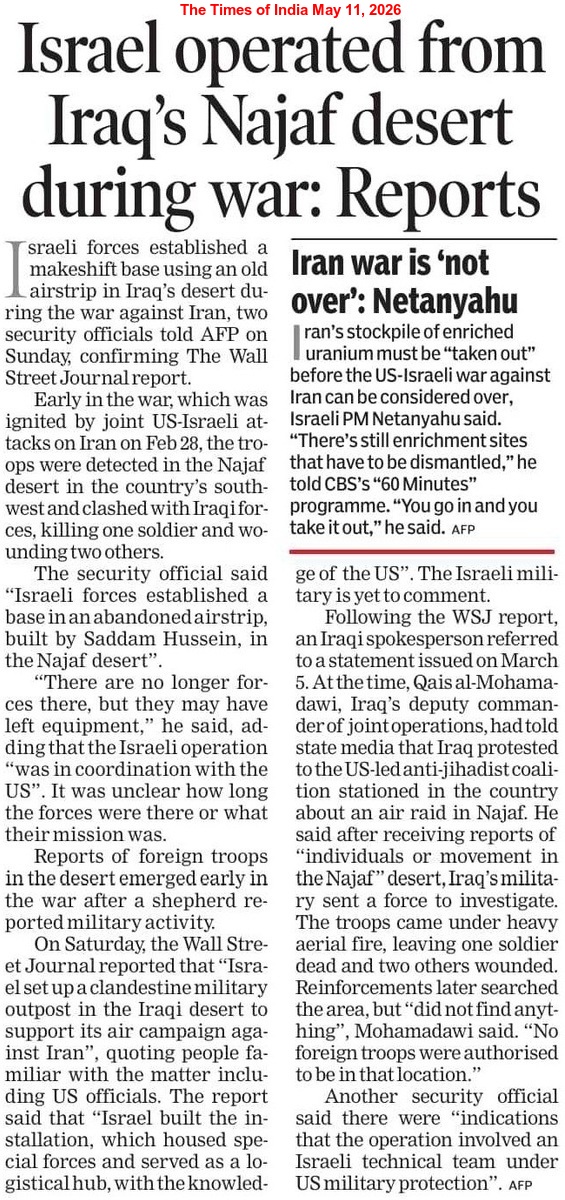
Meanwhile, Israeli Prime Minister Netanyahu claimed that the conflict was not over until Iran’s enriched uranium was removed and its nuclear facilities dismantled. “It is not over, because there is still nuclear material – enriched uranium – that has to be taken out of Iran. There are still enrichment sites that have to be dismantled,” he stated during an interview aired on the CBS News programme 60 Minutes on May 10, 2026. When asked how the uranium could be removed, he said: “You go in and you take it out.“
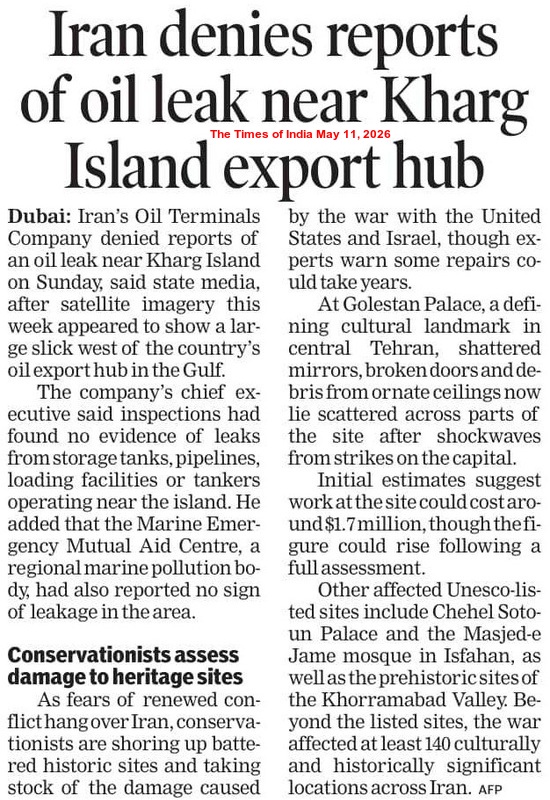
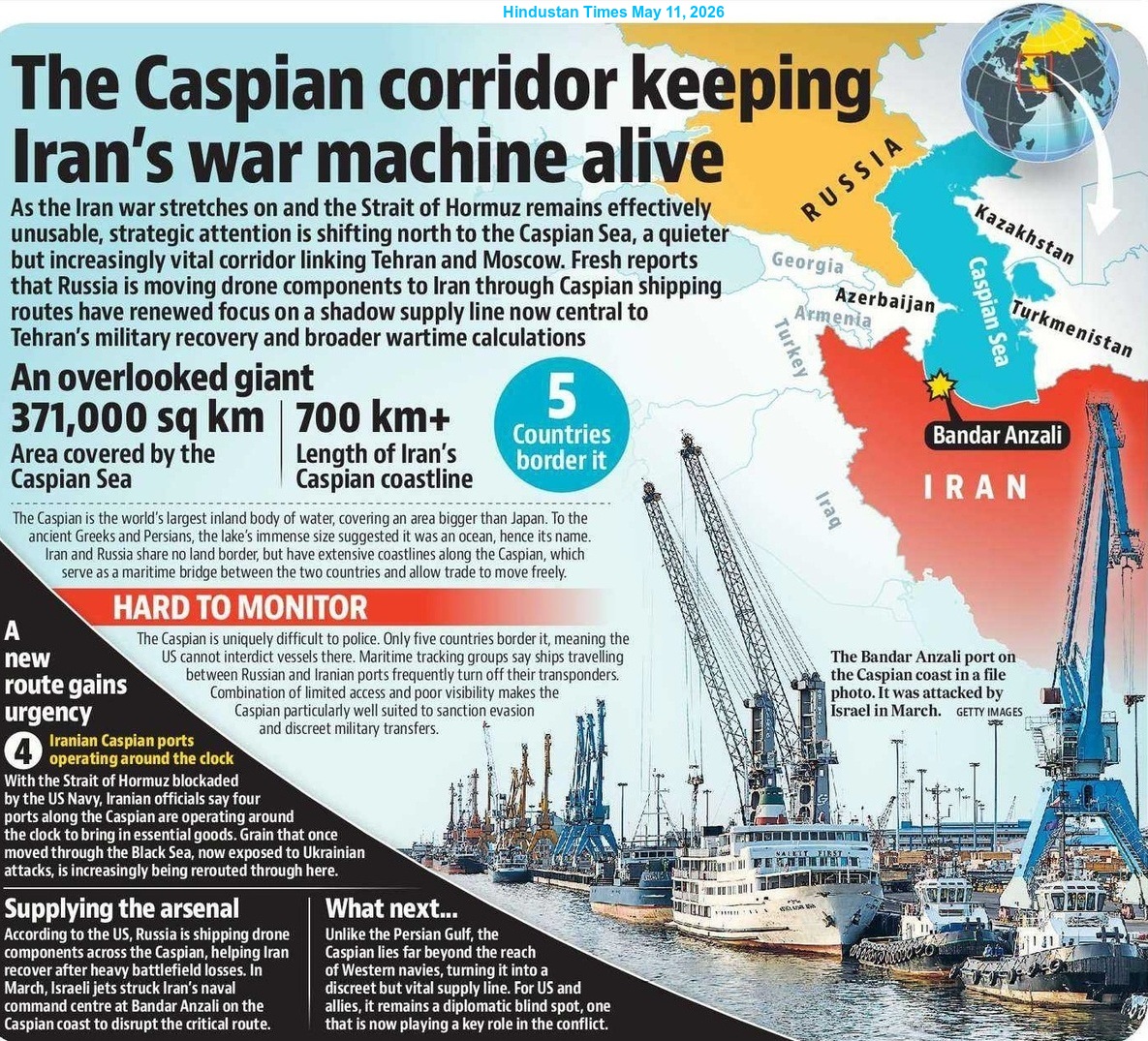
As expected, oil prices jumped more than USD 4 a barrel on May 11, 2026 following news of the continued stalemate that left the narrow Strait of Hormuz largely closed. Before the war began on February 28, the waterway carried one-fifth of the world’s oil and Liquefied Natural Gas (LNG) flows, and emerged as one of the central pressure points in the war. “The oil market continues to trade like a geopolitical headline machine, with prices swinging sharply based on every comment, rejection, or warning coming from Washington and Tehran,” Priyanka Sachdeva, senior market analyst at Phillip Nova, told Reuters.
Meanwhile,
Boundless Ocean of Politics on Facebook
Boundless Ocean of Politics on Twitter
Boundless Ocean of Politics on Linkedin
Contact us: kousdas@gmail.com

 ISMC
ISMC
