

Waiting For The Right Opportunity
Amidst turbulent geopolitical situations in West Asia, India faces an unsettling situation. From the aftermath of Operation Sindoor to the recent mediation efforts (by Pakistan) in the Iran War, the US has consistently been seen leaning towards Pakistan throughout this period. Washington DC recently informed New Delhi that it would not unilaterally support India in case of a conflict with Pakistan. According to foreign policy experts, India should maintain a measured, pragmatic approach amid a reported US pivot towards Pakistan under the Donald Trump Administration.
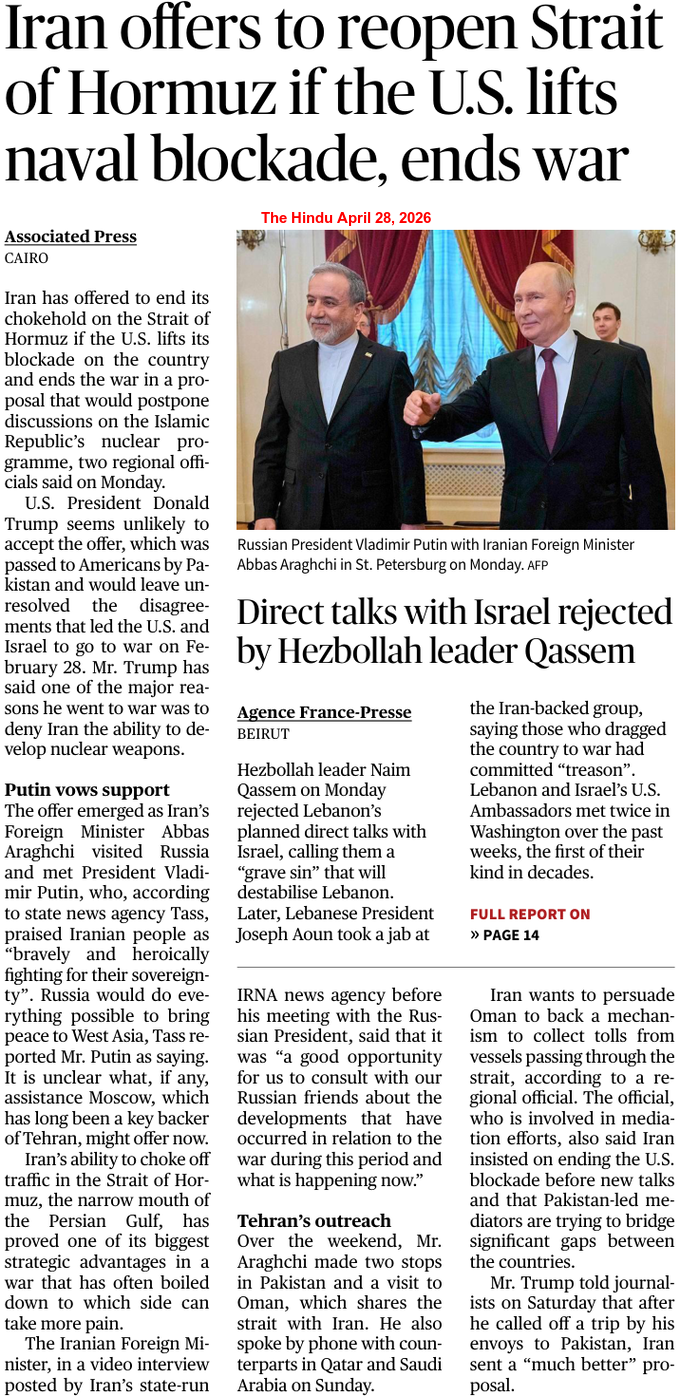
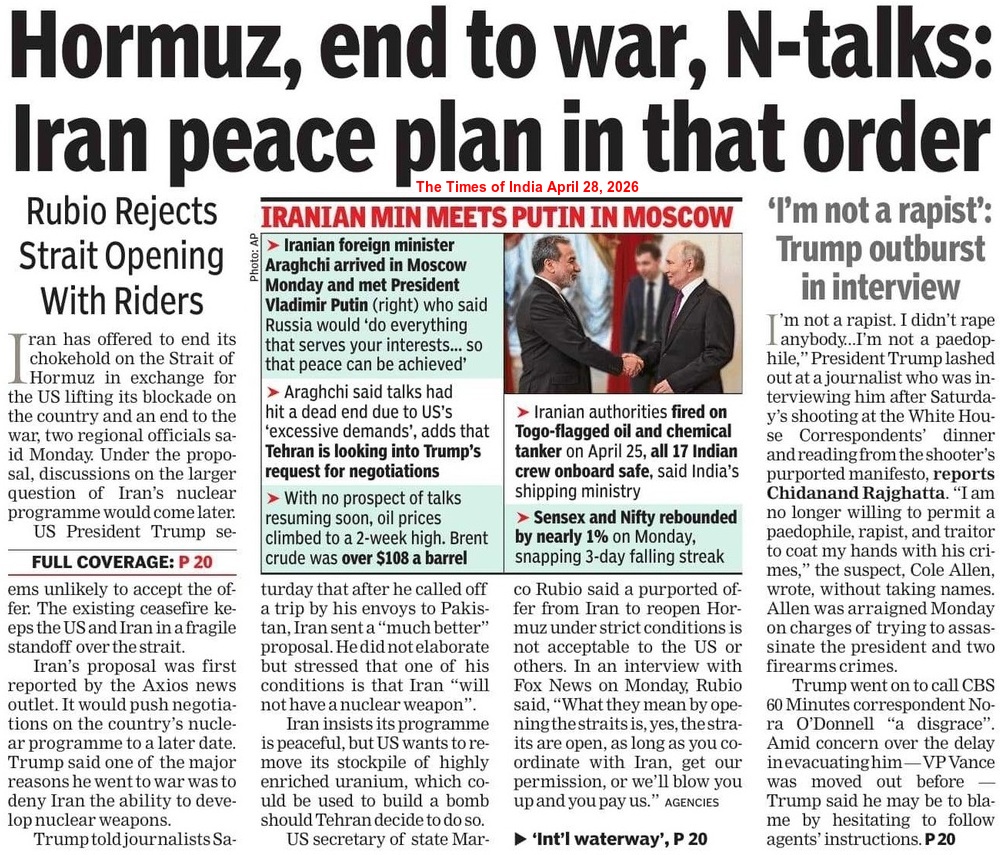
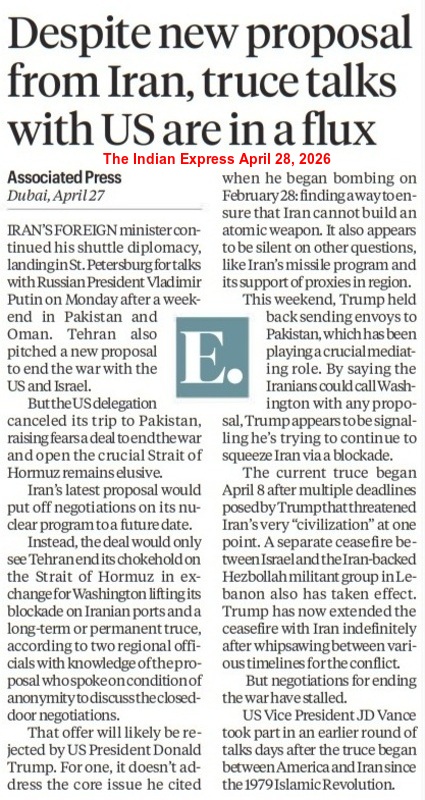
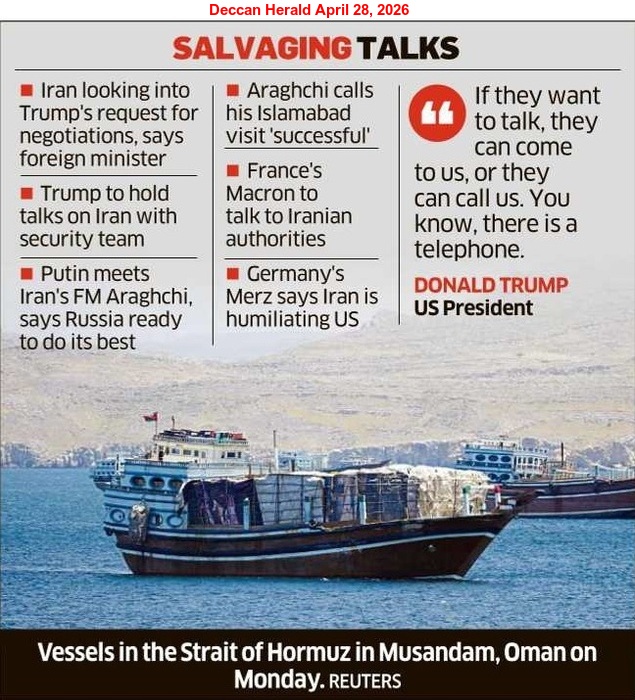
As Pakistan is heavily involved in acting as a mediator in high-stakes negotiations between the US and Iran regarding a ceasefire, White House Press Secretary Karoline Leavitt has expressed appreciation for Islamabad’s mediating efforts, describing the South Asian nation as an “incredible” and “extraordinary” mediator. Also, President Donald John Trump has given a series of compliments to Field Marshal Syed Asim Munir Ahmed Shah, the Army Chief of Pakistan, in recent times.
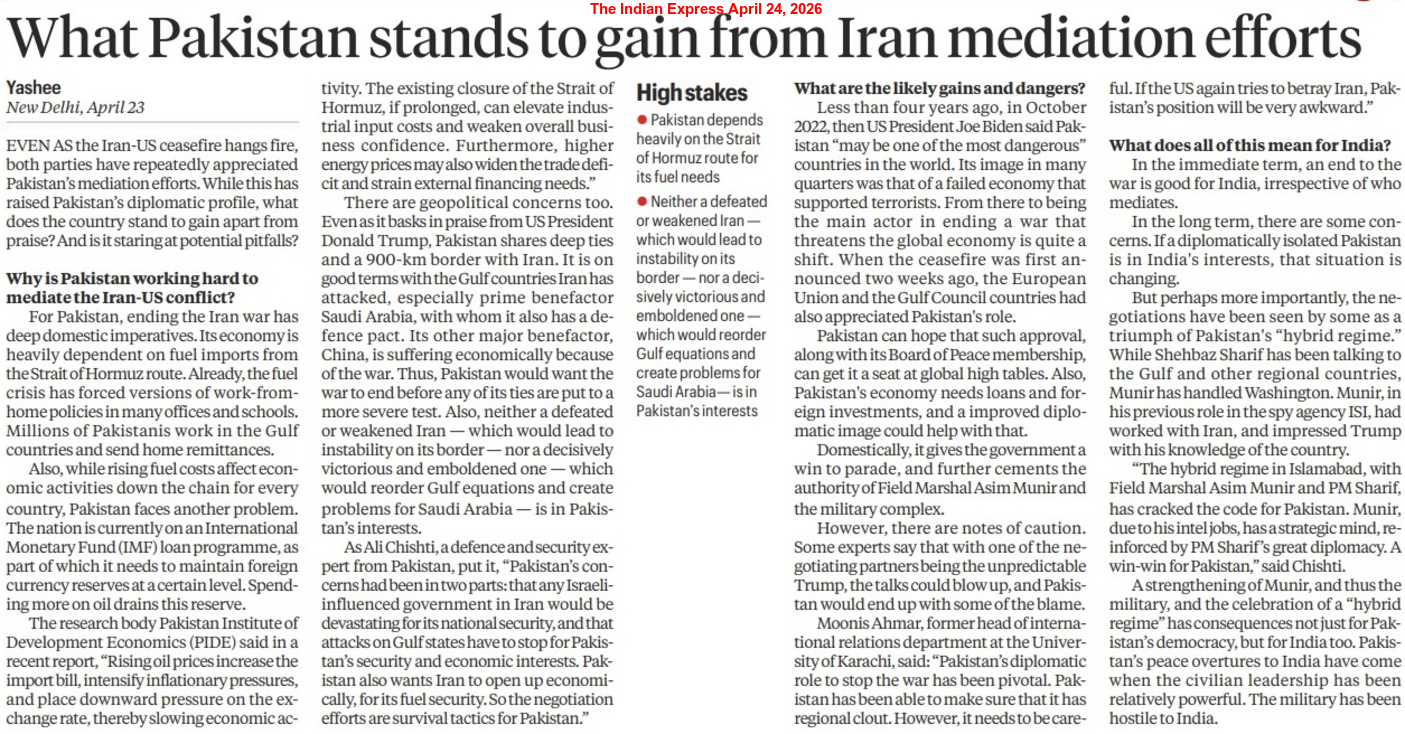
It may be noted that Pakistan is seeking to establish itself as an effective mediator in West Asia. However, the reality is quite different. Pakistan’s relationship with the US is widely considered as a transactional, situationship or alliance of necessity rather than a deep, strategic partnership. In fact, Washington DC required a militarily capable Islamic partner in the Gulf region who is sufficiently well-versed in regional diplomacy and capable of assisting in the advancement of US objectives when necessary. In such a scenario, the Trump Administration has identified Pakistan as a highly capable, specialised partner to assist with regional stability and American objectives.
On the other hand, both financial inflows and international legitimacy are crucial for Islamabad. The top political leadership of Pakistan is naturally keen to seize this opportunity in an attempt to reconfigure its global position and to secure the support of the Gulf nations. Essentially, Pakistan is responding to pressure from neighbouring countries.
India’s strategic deepening of ties with Saudi Arabia, the UAE and other Gulf nations – spanning energy, investment and security – has significantly diminished Pakistan’s traditional influence in this region in recent times. Under these circumstances, securing financial support from the Gulf states has become increasingly conditional for Pakistan, moving away from automatic rollovers of debt toward demands for economic reform, tangible security commitments and alignment with regional security priorities.
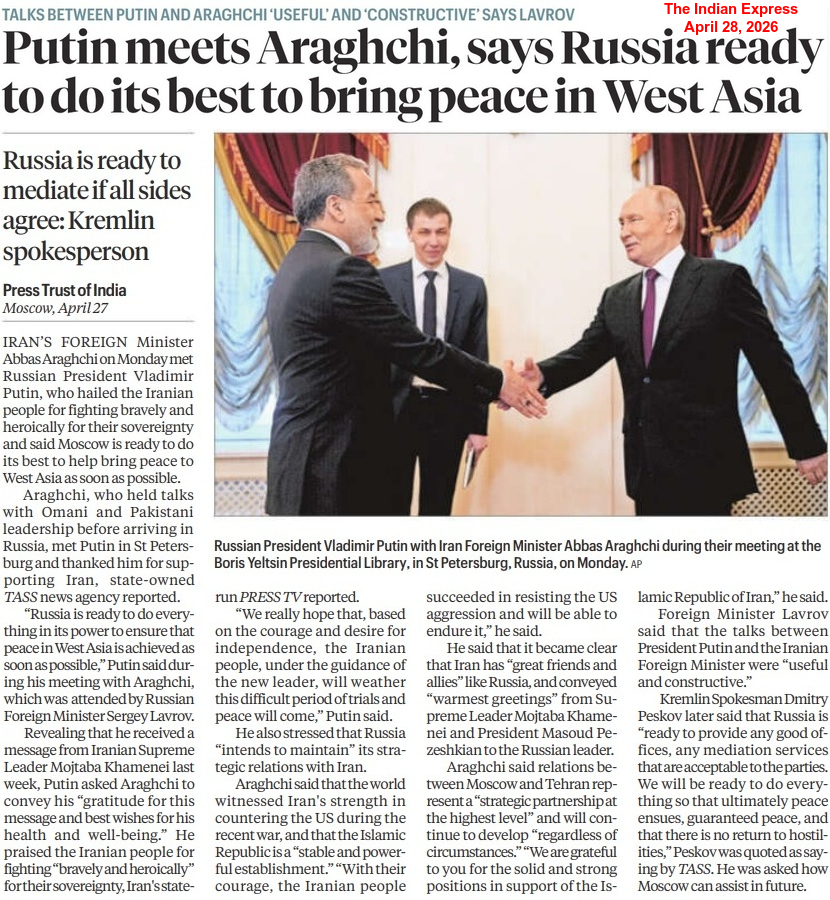
In this ever-changing geopolitical landscape, India should refrain from taking any hasty steps and, instead, carefully further expand and strengthen its diplomatic ties with Russia, Europe and even the Gulf nations. Perhaps, this is the dilemma of the Indian foreign policy and the very source of its strength, as well.
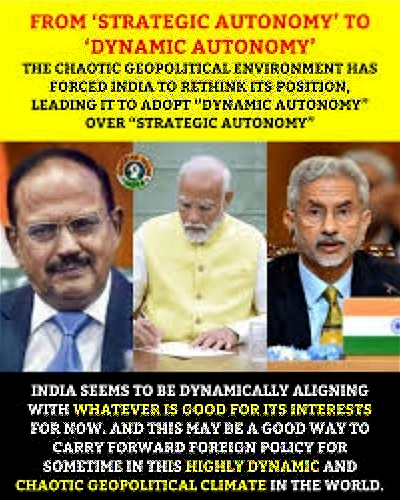
In fact, New Delhi’s foreign policy in the 21st Century has shifted from the rigid binary choices of the Cold War era toward a strategy of multi-alignment and strategic autonomy. While the Cold War prompted nations to choose between the US and the erstwhile Soviet Union, contemporary India engages multiple power centres, including the US, Russia and the Global South, simultaneously, prioritising national interests over ideological bloc politics. Today, New Delhi has diplomatic opportunities to balance (and repair) its strategic partnership with the US on one hand and to expand economic, as well as defence, cooperation with Europe, West Asia and beyond on the other.
The question arises here: Will India be able to sustain its multi-aligned strategy in an increasingly transactional global order? For the time being, India should not fundamentally change the course of its foreign policy, but rather exercise patience and stick to its long-term strategy. It is quite important to understand that patience is not passive waiting in diplomacy; it is concentrated strength that allows a country to build trust, navigate complex stakeholder landscapes and avoid emotional, reactive decisions.
Meanwhile,
Boundless Ocean of Politics on Facebook
Boundless Ocean of Politics on Twitter
Boundless Ocean of Politics on Linkedin
Contact us: kousdas@gmail.com

 ISMC
ISMC
