

Iran Issues ‘Code 100’ As Tensions Escalate
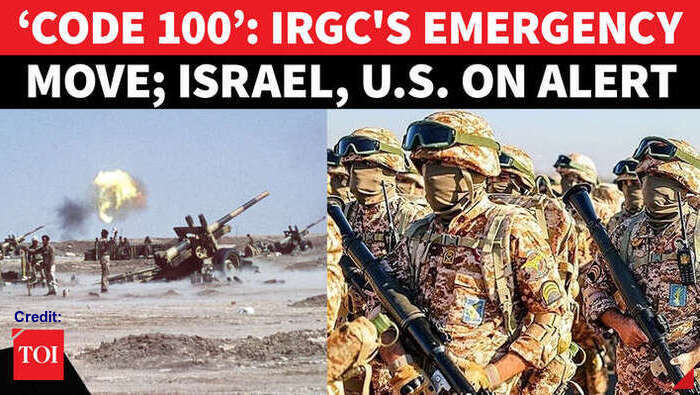
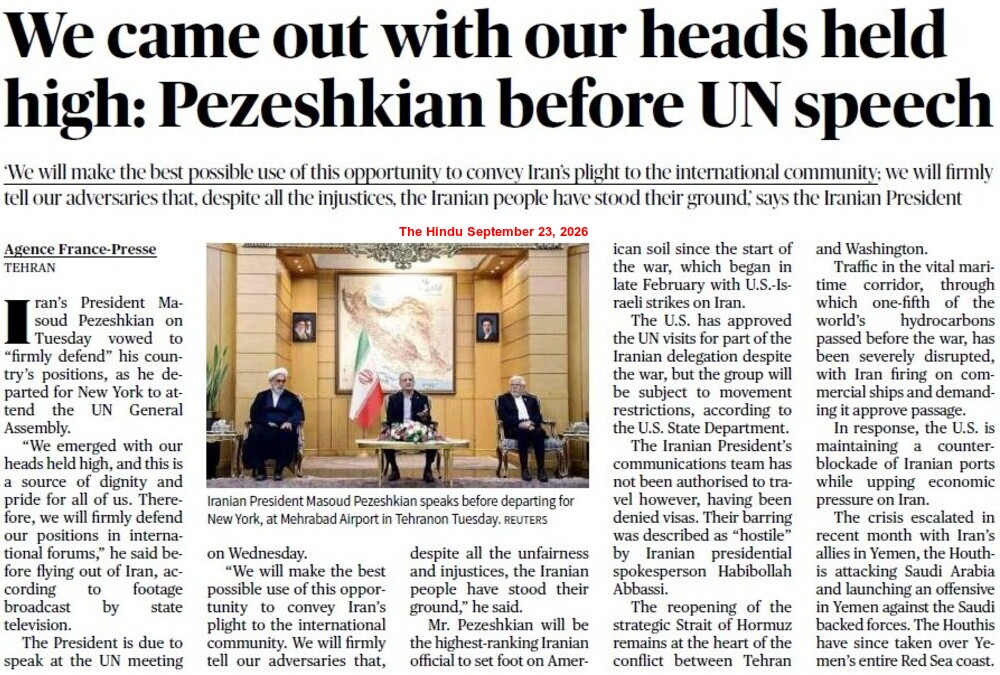
As tensions between Iran and the US begin to escalate, Tehran has started putting its house in order. The Islamic Republic has issued a Highest Military Alert, fearing that tensions surrounding military operations across West Asia could soon escalate to a critical level. On September 23, 2026, the Masoud Pezeshkian Administration decided to wrap up final preparations well in advance.
The Government of Iran has ordered the Islamic Revolutionary Guard Corps (IRGC), the Artesh (a branch of the Iranian military), the Air Defence Force and Internal Security Forces to remain on high alert, while issuing a nationwide protocol, named Code 100. As per US media reports, all Iranian forces have been kept ready to launch rapid operations ahead of potential military action by the US.
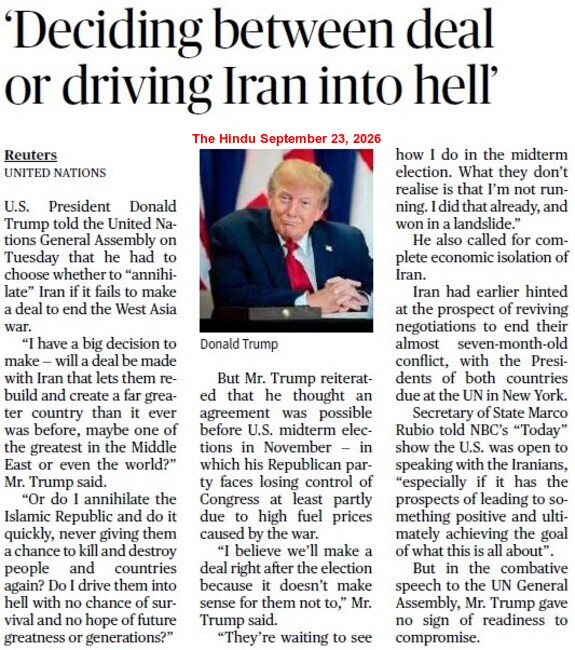
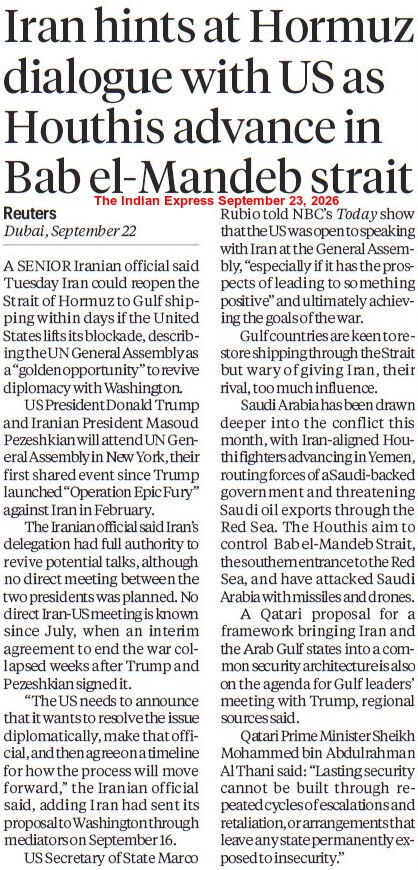
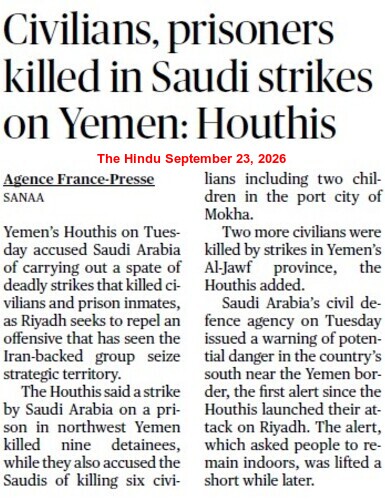
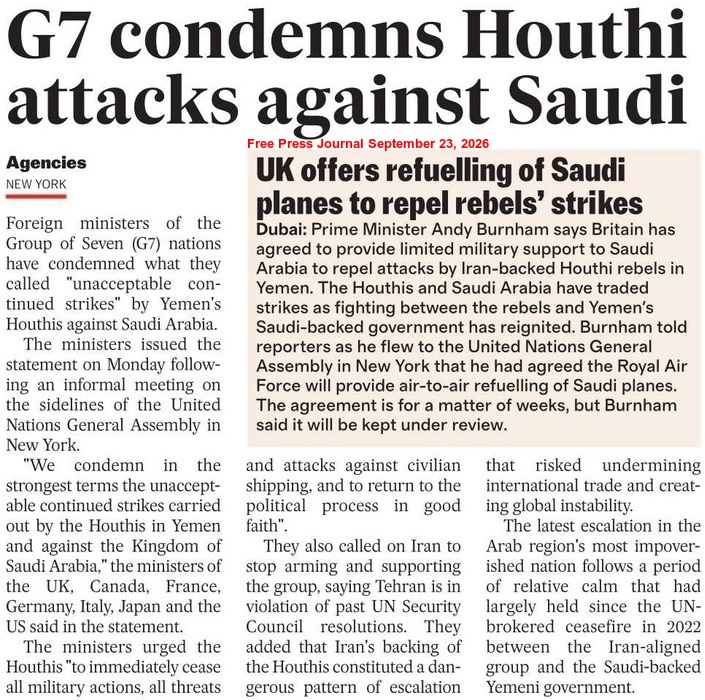
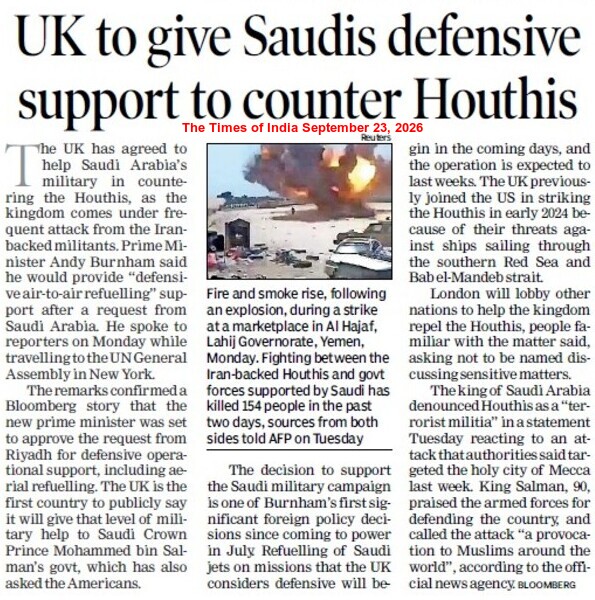
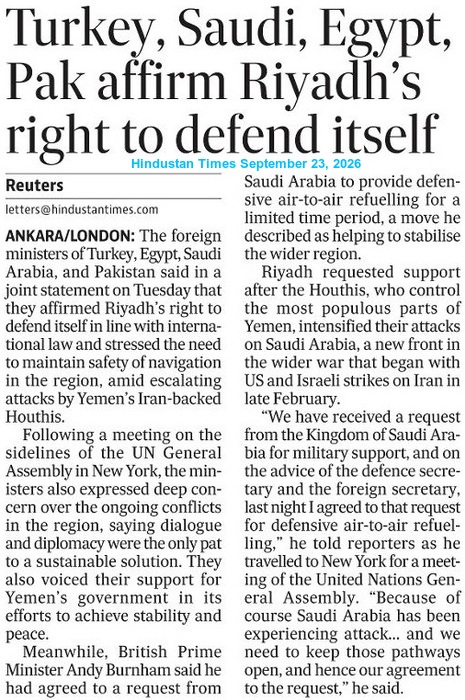
Iran made the move a day after US President Donald John Trump warned that a major incident could take place very soon, saying that he could bring Tehran to its knees economically and diplomatically. In response, Iran stated that the US would be met with a response without any hesitation, if it launched an attack. The Administration of President Pezeshkian suddenly issued the state of maximum alert following a series of attacks across West Asia over the weekend. Tensions across the region have escalated further following the Houthi attacks on Saudi Arabia.
In Iranian military terminology, Code 100 represents an unconfirmed, maximum wartime readiness protocol denoting the country’s absolute highest level of military alert and security preparedness. Following the issuance of this directive, branches of the Armed Forces – the IRGC, the Artesh and Air Defence Commands – are instructed to remain rapidly prepared for potential conflict or military operations at the highest level of readiness. Such military preparations involve measures, like keeping troops ready for rapid deployment, strengthening military communication systems and ensuring preparedness for a swift counter-response, in the event of a potential attack.
One of the key tasks is protecting vital missile stockpiles from potential enemy air strikes. The vast underground networks of tunnels and bunkers of Iran built deep inside mountains and deserts to store, move and launch ballistic missiles are commonly known as missile cities. Ensuring airtight security at those bases is the primary step of the Code 100. This Code dictates securing the missile cities as its first critical phase. In this phase, the IRGC could move mobile missile launch systems to alternative or secondary positions, as well. This move is aimed at keeping the missiles and launch units secure by repeatedly changing their locations prior to a potential attack.
Iran has integrated Russian-supplied S-300 systems with its domestic Bavar-373 and Khordad-15 platforms to form a multi-layered national air defence network. These systems have been kept active in the border areas and also at key strategic infrastructure sites. Air defence systems use high-frequency scanning modes and phased-array technology to increase the update rate of radar beams, allowing them to capture faster, highly dynamic targets, like drones and missiles.
It may be noted that Iran’s military planning includes a system known as Mosaic Defence, a decentralised military doctrine designed to ensure the Armed Forces can keep fighting autonomously even if the central leadership or the national capital is destroyed. Hence, the West Asian nation’s defence system does not become completely paralysed even if communication with the Central Military Command is severed during a war.
The IRGC commanders are specifically trained and structurally organised to operate independently, if the Central Command communications are severed, as the Mosaic Doctrine ensures continuity of operations during a total communications blackout, cyberattack or decapitation strike. In other words, the Iranian commanders will be empowered to independently conduct military operations, asymmetric tactics and counter-attacks at the local level.
Iran has drastically escalated efforts to seal off its nuclear infrastructures in Natanz, Fordow and Isfahan, apart from taking adequate measures to jam GPS signals and various countermeasures to detect, as well as neutralise, aerial surveillance or drone movements. These additional preparations are being undertaken to minimise or avert the risk of enemy surveillance or attacks on nuclear facilities.
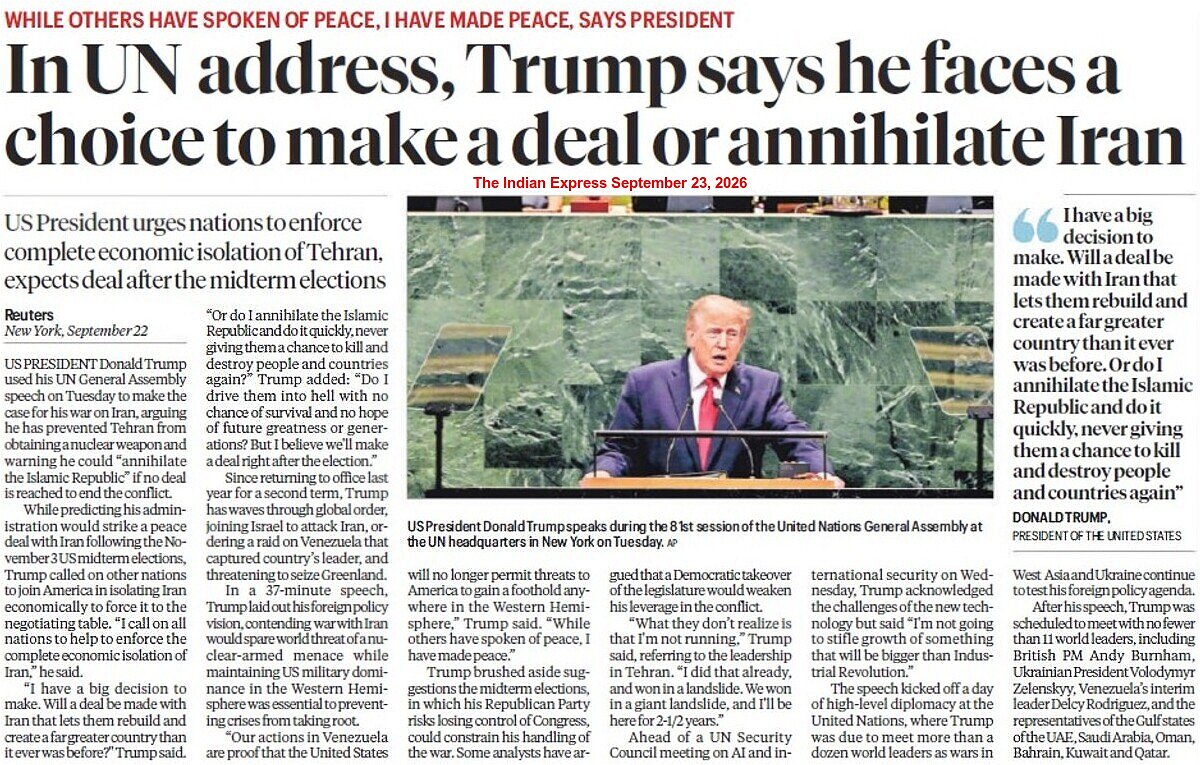
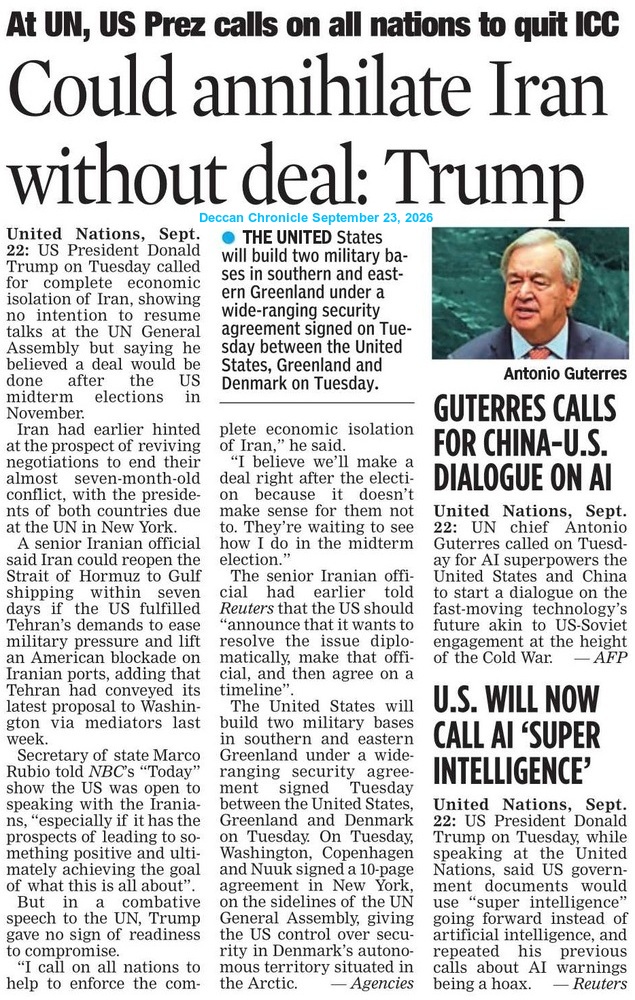
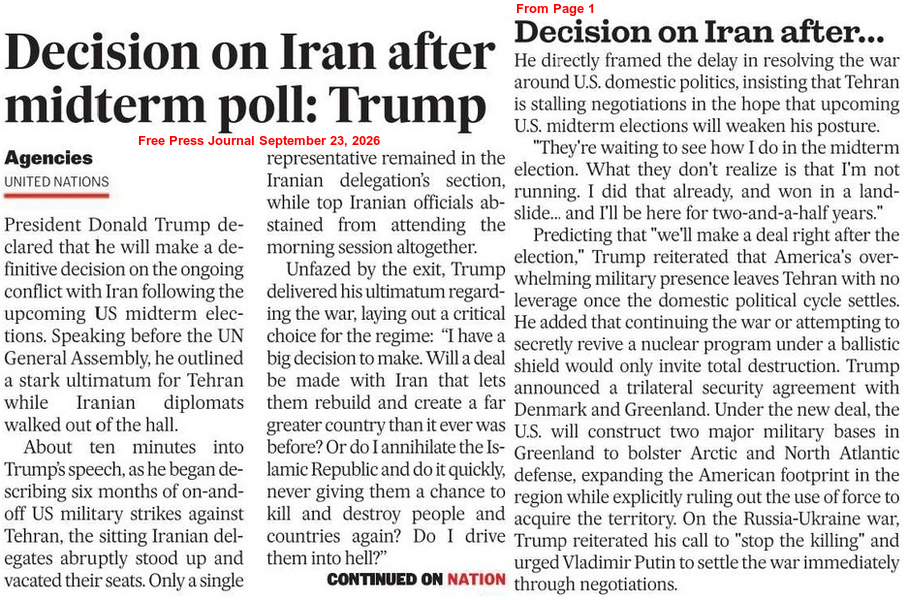
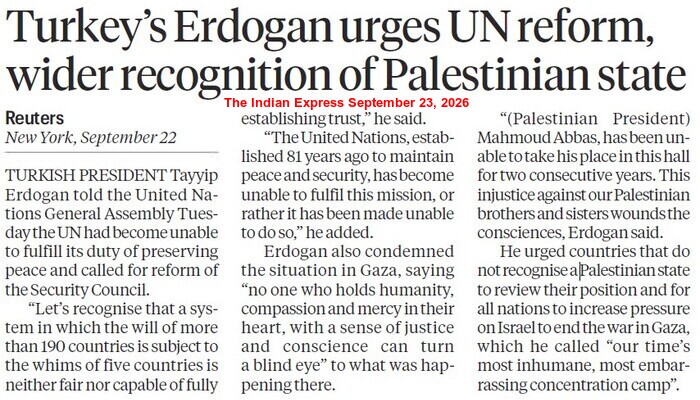
After addressing the UN General Assembly in New York on September 22, 2026, President Trump rushed to Washington DC to attend an urgent national security meeting. Later, he issued directives regarding the situation in Iran and the safety of US troops in West Asia. The President also issued security guidelines for US citizens residing in or travelling to the Gulf region.
Meanwhile,



Boundless Ocean of Politics on Facebook
Boundless Ocean of Politics on Twitter
Boundless Ocean of Politics on Linkedin
Contact us: kousdas@gmail.com

 ISMC
ISMC
