

German Chancellor’s Days Are Numbered
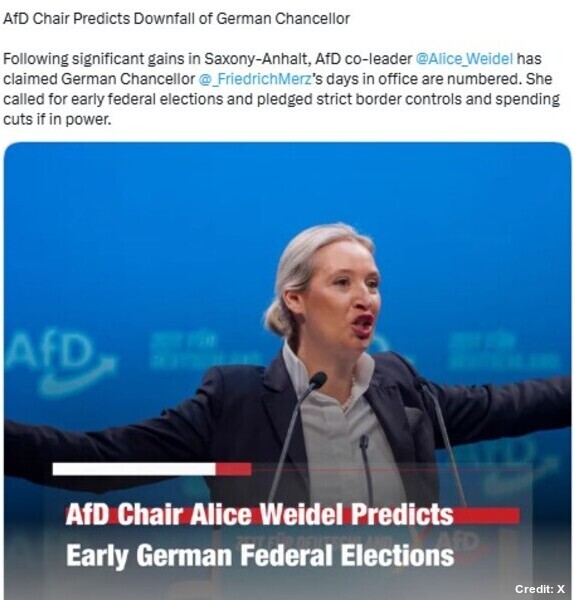
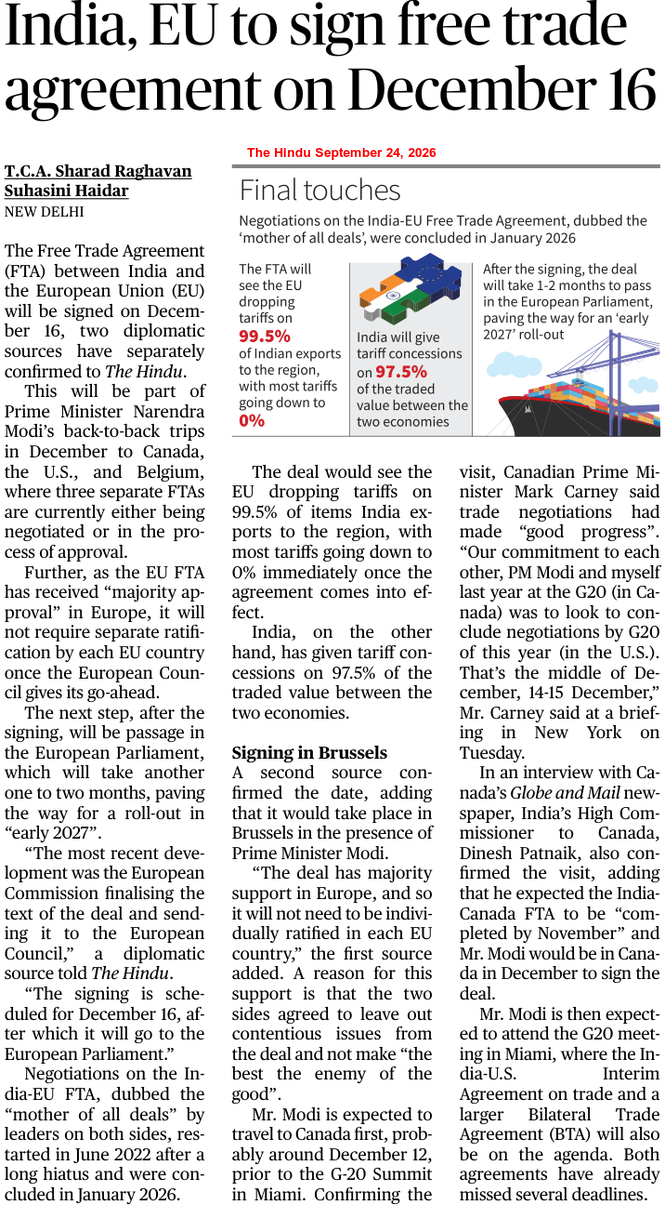
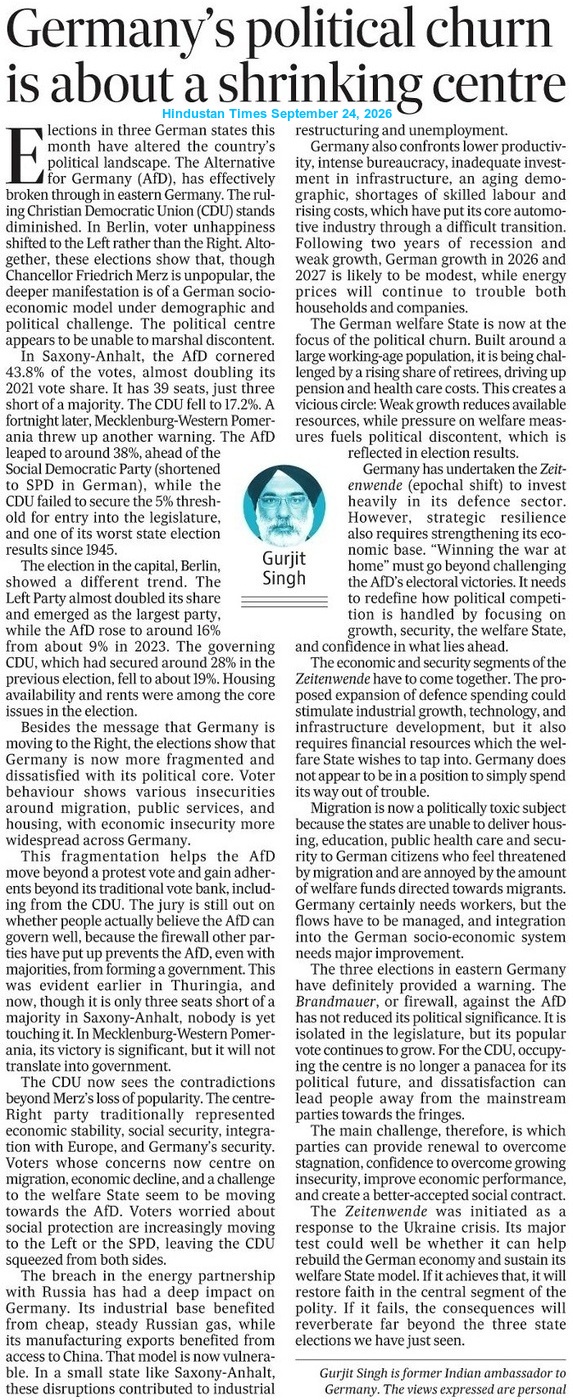
The hysterical attempt to persuade voters in Saxony-Anhalt that a vote for the right-wing Alternative for Germany (AfD) would turn the state capital of Magdeburg into a “suburb of Moscow” and turn the entire state into a foothold for Vladimir Putin didn’t work: 43.8% of them voted for the AfD. Voter participation in this German state in the East was high, at 77.8%, due to an unprecedented mobilisation on both sides – those for and those against the AfD.
The results of the other parties were far behind: the CDU came in second with only 17.2% of the votes, or less than half of their score in the last state elections in 2021, followed by the SPD at 9.3%, the Greens at 8.9%, the Linke (Left) at 8.6% and the BSW (Alliance Sahra Wagenknecht – Reason and Justice) running for the first time, at 5.3%. Leaving the BSW aside, since its approach to the AfD is different from the other four parties, the latter combined received only slightly more (less than half a percent) than the AfD. The CDU of Saxony-Anhalt blamed their defeat on the highly unpopular policy of Chancellor Joachim-Friedrich Martin Josef Merz, who is also national chairperson of the party. Debate on his replacement or resignation is certain to increase, as well as on his “firewall policy”, banning any contact or collaboration with the AfD, which is contested within the CDU.
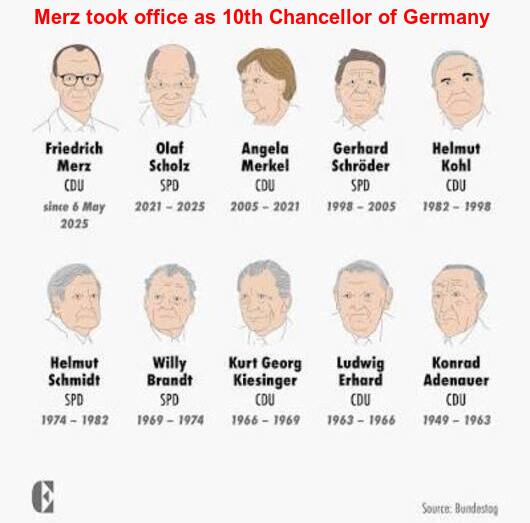
Pressure on Chancellor Merz to leave will likely grow after two State Elections (held on September 20) in Berlin and even more so in the eastern state of Mecklenburg-West Pomerania where the AfD might come out in the lead, as well.
Whether Saxony-Anhalt will have a new government soon is unclear because of the stalemate in the new State Parliament. The AfD will hold 39 seats, while 42 seats are needed for an absolute majority. If, on the other hand, an alliance between the CDU, the SPD and the Greens were struck – with some form of support from the Linke – these four parties combined would also have 39 seats. There are several other scenarios, but the one involving the BSW with its five seats to tip the balance is the most explosive in terms of a clash with the Merz policy, particularly as concerns Russia. The AfD wants to restore good relations with Russia, put an end to military support to Ukraine, an end to the war and ensure repair of the Nord Stream pipelines in order to resume gas imports from Russia. This is also what the BSW calls for. In addition, they both oppose Green Deal radicalism and many “woke” aspects of culture.
If it turns out that no solution on a new government can be found, not even a minority government option, early elections in Saxony-Anhalt before the end of this year cannot be excluded. And if the political controversies further increase, early elections on the national level cannot be ruled out.
Concerning the breakdown of the vote for the AfD, 41% of those aged 18-25 (young and first-time voters) chose the “outsider party”, and a huge 60% (Ị) of workers.
This article was first published in Executive Intelligence Review (EIR) Strategic Alert weekly newsletter (Volume 40, No. 37) on September 10, 2026.
Meanwhile,





Boundless Ocean of Politics on Facebook
Boundless Ocean of Politics on Twitter
Boundless Ocean of Politics on Linkedin
Contact us: kousdas@gmail.com

 ISMC
ISMC
