

Navigating The Challenging World Order
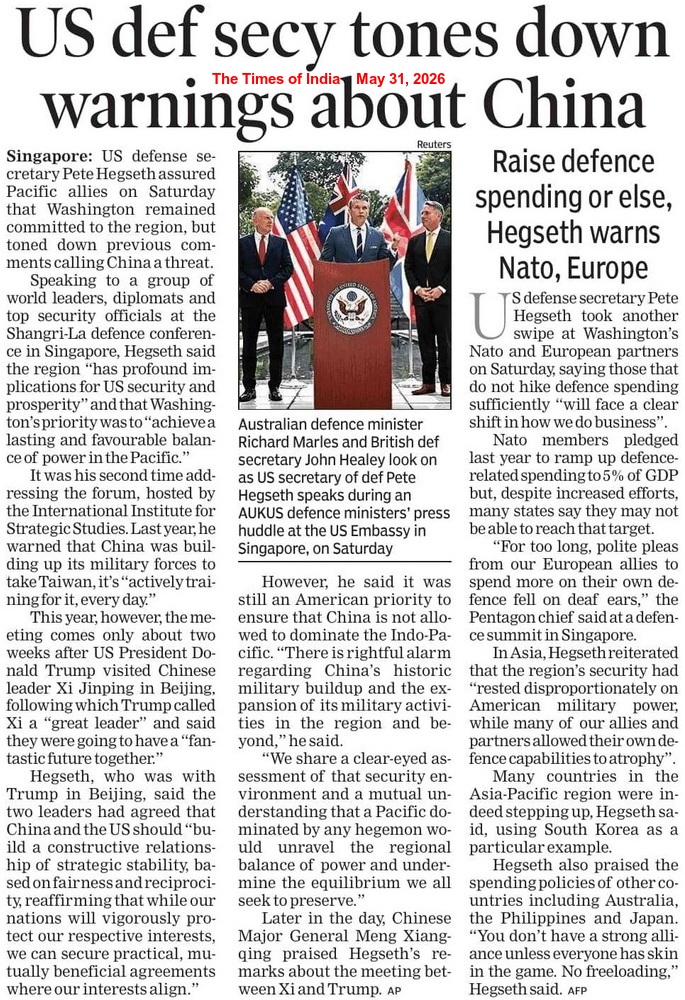
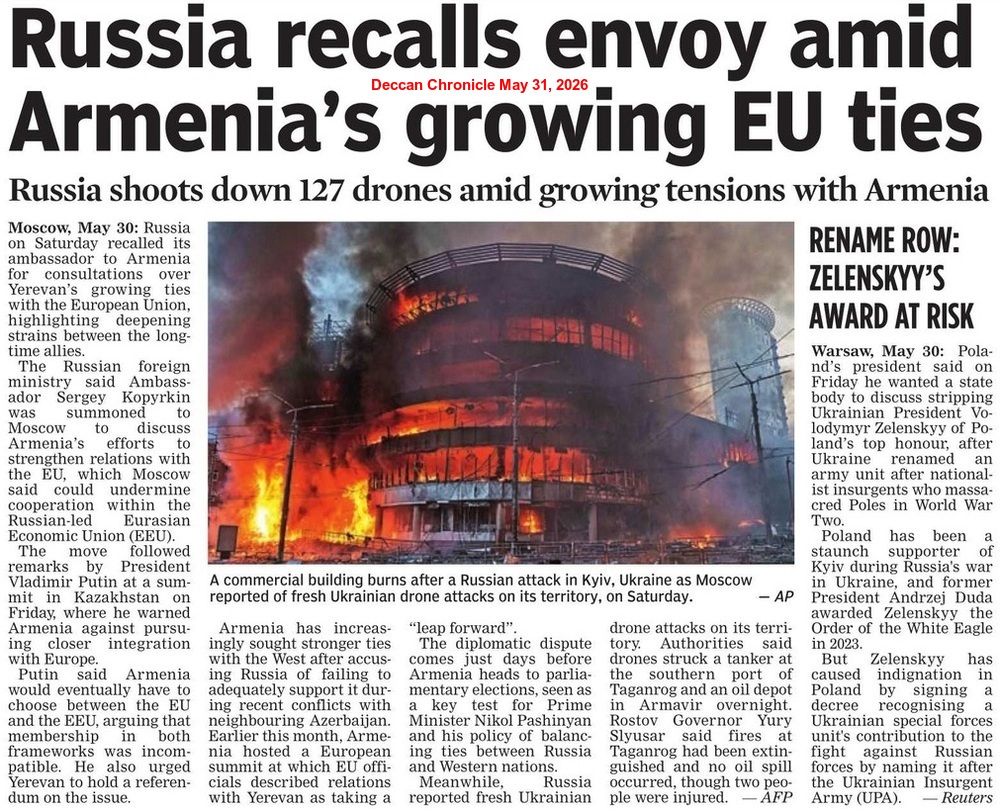
India has been navigating a relentless gauntlet of geopolitical challenges in recent times. Amidst the instability in West Asia, the recent high-stakes summit between US President Donald John Trump and Chinese President Xi Jinping in Beijing has deeply unsettled geopolitical calculations of the South Asian nation. It may be noted that President Trump’s visit to Beijing took place following months of tension between the US and China over various critical issues, such as tariffs, the US-Iran conflict and Taiwan.
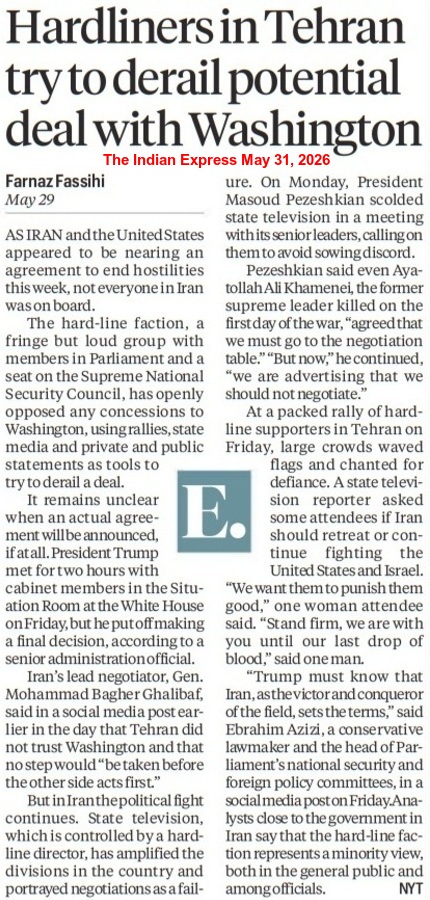
The Beijing Summit and subsequent post-meeting actions by President Trump and his Chinese counterpart Xi highlight a mutual pivot from outright confrontation toward managed competition and constructive strategic stability. The two world powers are pragmatically stabilising ties while still fiercely protecting their core long-term strategic interests. Although political analysts believe that the US-China rapprochement could shrink India’s immediate leverage as a pure balancing power, a section of experts is of the opinion that it would likely force New Delhi to pivot from strategic ambiguity to a more robust, independent great power stance.
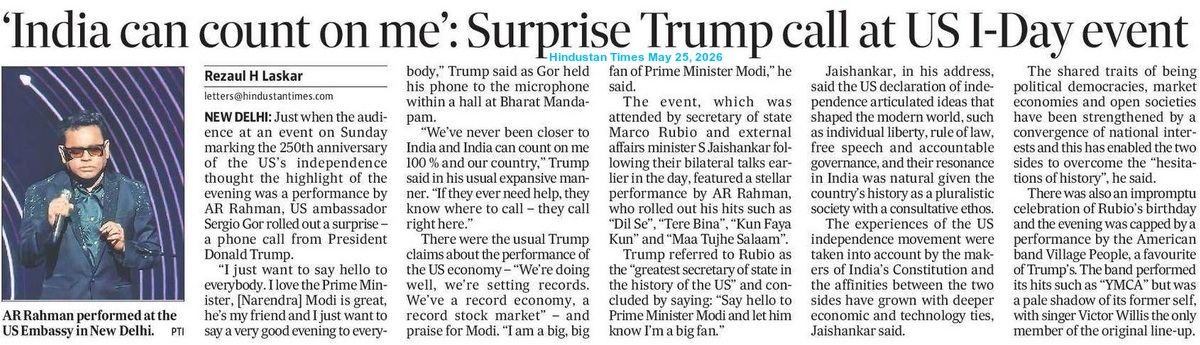
In fact, India faces a complex web of interconnected challenges. Since the year 2000, India’s geopolitical calculations have remained heavily dependent on the US-China tensions. The scenario has prompted New Delhi to directly challenge the influence of Beijing across the Indo-Pacific Region, a highly contested geopolitical domain. It is a serious concern as India and China are direct economic competitors, particularly in the manufacturing, supply chain and global influence sectors (in spite of an asymmetric trading relationship where India remains heavily dependent on Chinese imports). If (US) tariffs on Chinese products are relaxed or supply chains return to normalcy, global investors may prefer China’s established infrastructure and manufacturing systems over emerging capabilities of neighbouring India. It will certainly hurt India’s interests.
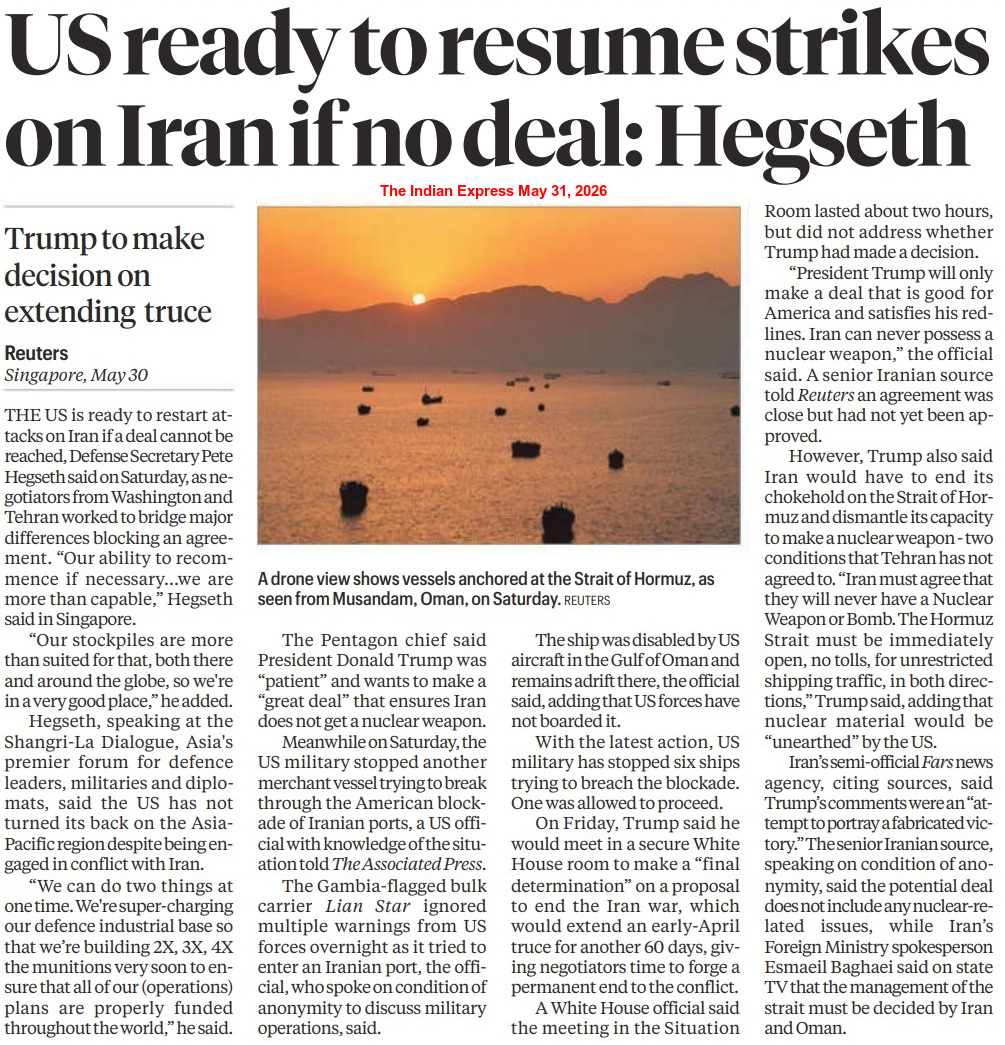
Furthermore, India’s energy security depends on an uninterrupted flow of hydrocarbons through the Strait of Hormuz. Hence, the escalating US-Iran tensions and maritime blockades in the region are structurally straining the Indian economy, driving global crude prices past USD 111 per barrel and threatening domestic supplies. If President Trump uses his recent visit to Beijing to bolster the bargaining leverage of China over Iran in exchange for economic concessions, India could easily be sidelined. In other words, India faces the risk of strategic sidelining as the recent high-level diplomacy indicates that the US and China are actively negotiating to manage global flashpoints, including the conflict in Iran. While Washington DC seeks Beijing’s assistance to pressure Tehran, a US-China compromise could diminish New Delhi’s role as an Indo-Pacific counterbalance to China.
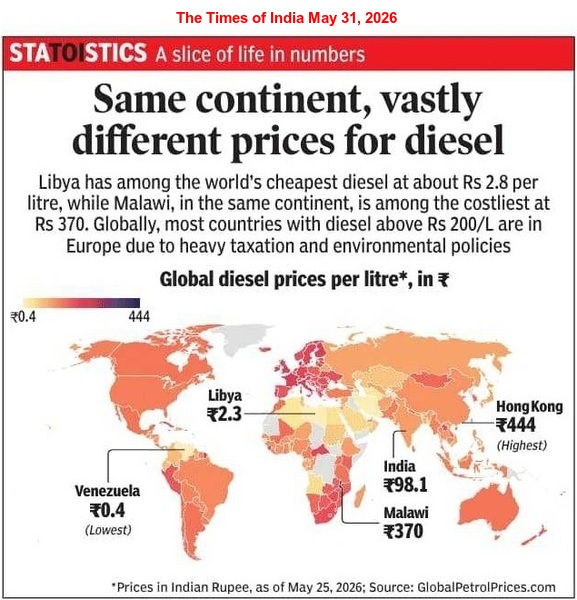
There are other issues, as well. New Delhi has long hoped that the US’ hostile stance toward China would lead to the imposition of stricter restrictions on Beijing’s military and economic support for Pakistan. However, the hope has largely been complicated by evolving geopolitical realities. Instead of isolating the China-Pakistan axis, the US has occasionally engaged Islamabad for tactical mediation, leaving New Delhi to manage the regional balance primarily through its own indigenous defence build-up and independent security frameworks.
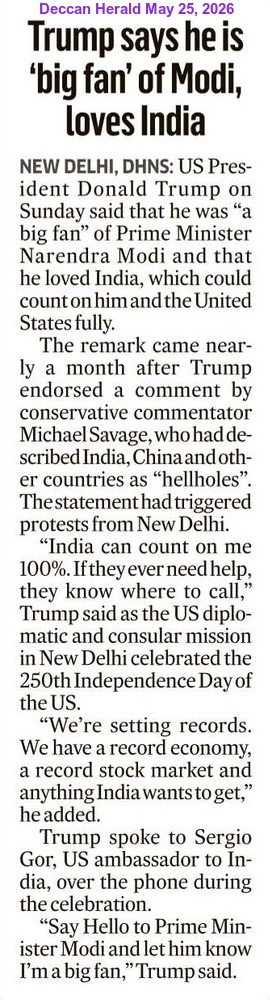
Political analysts have opined that a warmer relationship between China and the US could theoretically reduce Washington DC’s reliance on New Delhi as a geopolitical counterweight, which might embolden Beijing to increase pressure on India along the Line of Actual Control (LAC). Such a scenario risks diluting international backing for India’s positions on sensitive issues, like Kashmir; although its strategic autonomy and expanding Indo-Pacific role make a complete alignment against Indian security interests highly unlikely.
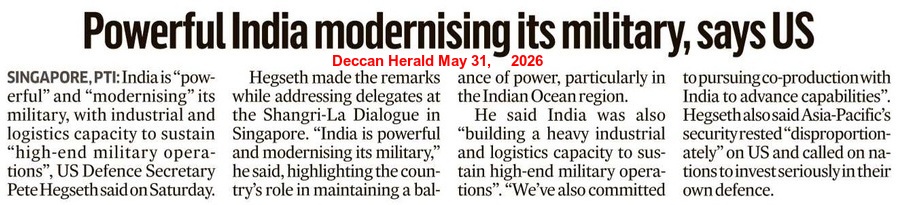
Hence, India would have to diversify its geopolitical strategy, if the dynamics of US-China relations change in the future. To offset the China Plus One economic tailwind, New Delhi would have no other option, but to actively hedge its bets through issue-based alignments, aggressively expand tech and defence partnerships with middle powers, and rely on its foundational tradition of strategic autonomy. In that case, India should strengthen ties with the European Union (EU), the Association of Southeast Asian Nations (ASEAN) and the middle powers of the Indo-Pacific Region.
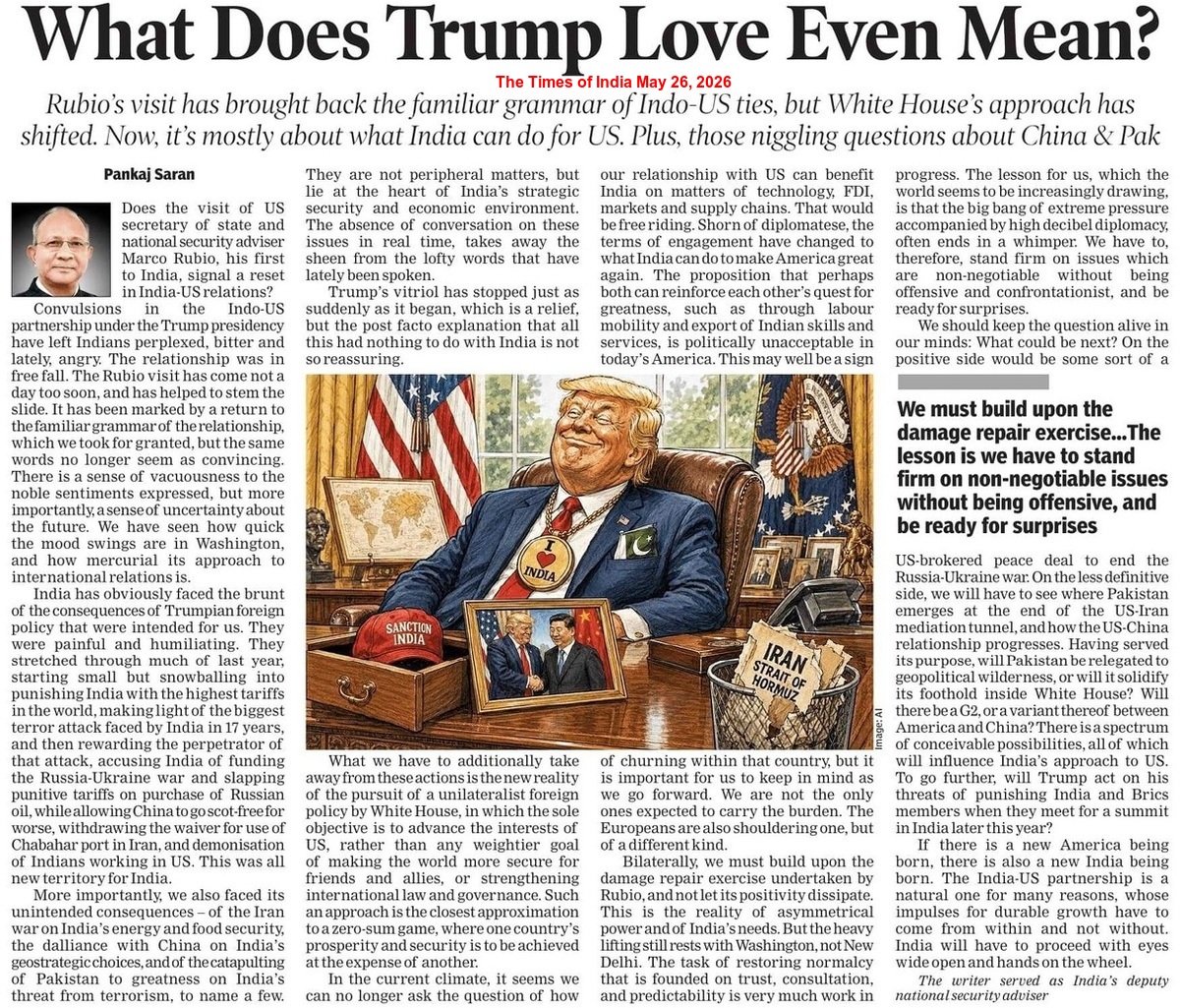
For India, the challenge now is not merely to manage China or strengthen ties with the US, but rather to prepare itself for a global order in which the two superpowers might find a bilateral accommodation more valuable than engaging the South Asian nation.
Meanwhile,
Boundless Ocean of Politics on Facebook
Boundless Ocean of Politics on Twitter
Boundless Ocean of Politics on Linkedin
Contact us: kousdas@gmail.com

 ISMC
ISMC
