

US May Invest USD 30bln In Iran
The US-Iran ceasefire still remains in effect. However, there is a disagreement among analysts regarding how long it lasts. While a fragile ceasefire has largely halted direct military engagements, the two nations remain deeply deadlocked over three core issues preventing a final peace agreement. While Washington DC demands strict limits on the Iranian nuclear (uranium enrichment) programme and unfettered navigation in the Strait of Hormuz, the Islamic Republic insists on the immediate lifting of all sanctions and retention of control over the Strait. In such a scenario, officials of the two countries have managed to prepare a draft agreement.
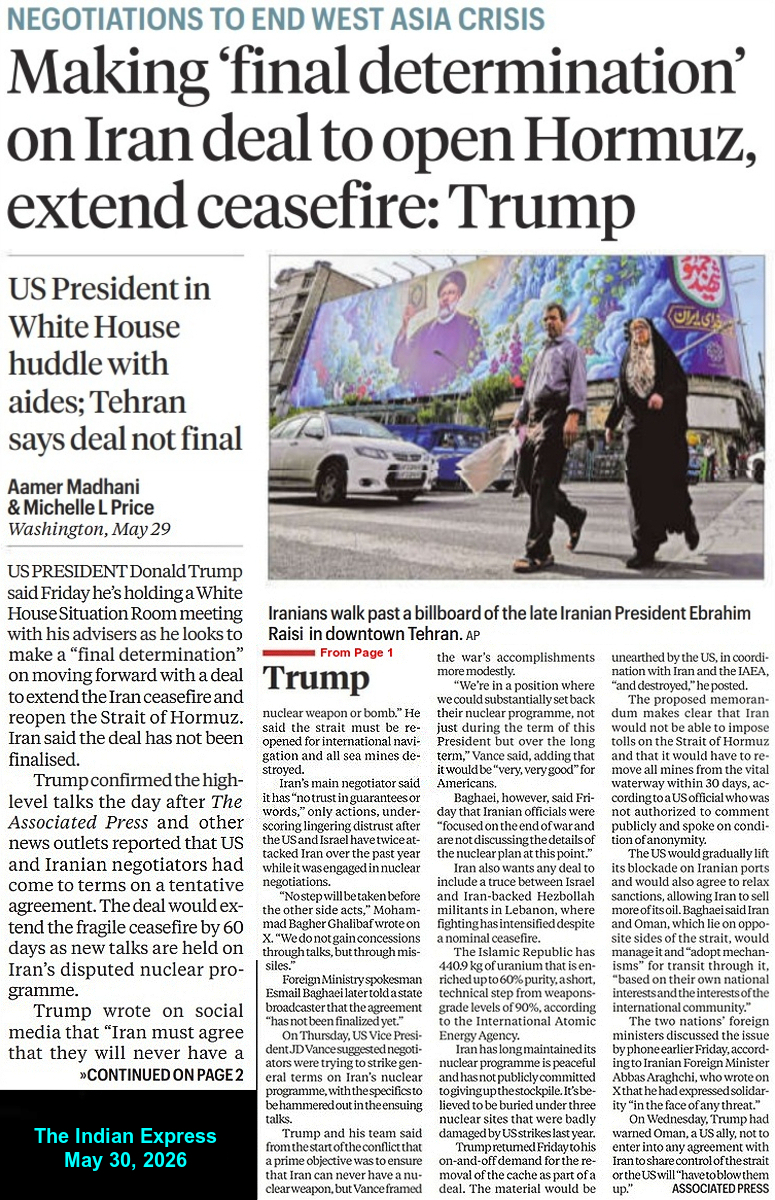
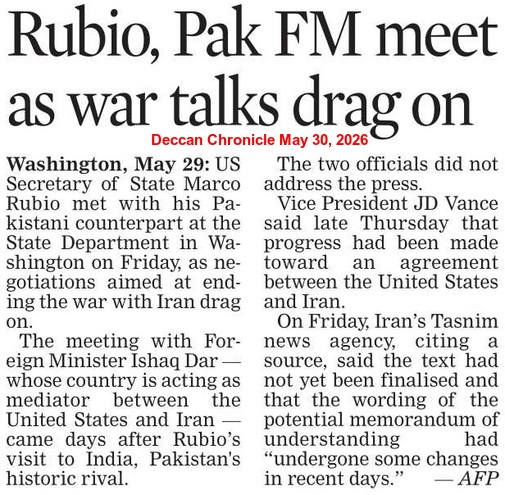
The New York Times has mentioned in a report that US and Iranian officials are discussing a new draft Memorandum of Understanding (MoU) after hammering out a preliminary agreement that might ultimately end the armed conflict. The discussions have been positive so far and both countries are on track to finalise the MoU, in spite of disagreements regarding several important issues.
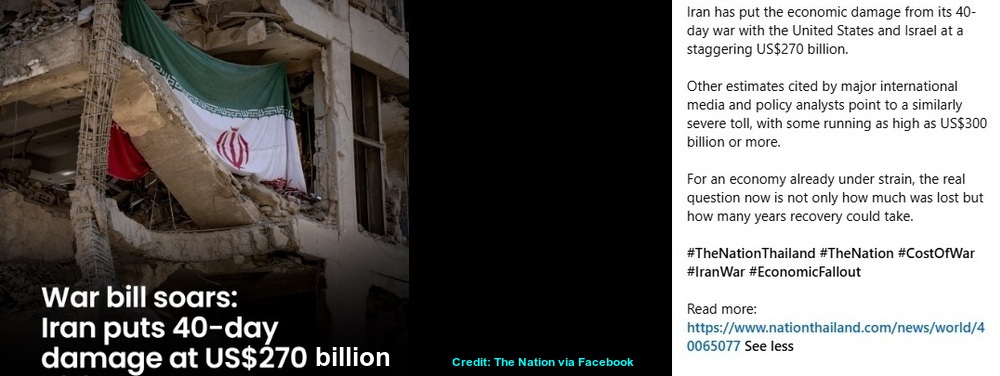
Reports suggest that serious negotiations are underway regarding the proposed permanent ceasefire agreement, covering Iran’s nuclear programme, US sanctions, regional security and the cessation of hostilities. However, one of the major breakthroughs emerging from the discussions is a multi-billion dollar restructuring and investment package. As far as the package is concerned, the US has reportedly proposed a USD 20-30 billion investment to establish a civilian, non-enrichment nuclear energy programme in the West Asian nation. This programme would potentially be funded by Gulf allies, with the stipulation that Tehran ceases all uranium enrichment. The diplomatic incentives also include unfreezing USD 6 billion in Iranian assets currently held in restricted foreign accounts. The Donald Trump Administration has further floated broader, sweeping reconstruction funds, including a proposed USD 300 billion post-war reconstruction and Lebanon peace clause, as part of a wider MoU to end the regional conflict. Analysts are of the opinion that Iran’s economy could undergo a huge transformation after the finalisation of the agreement on these terms.
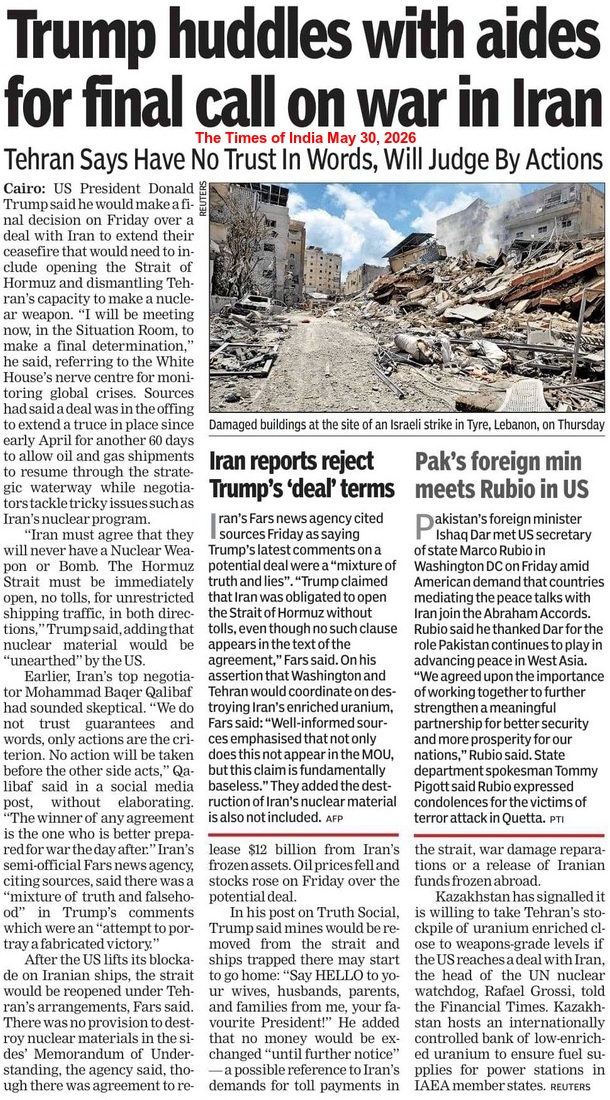
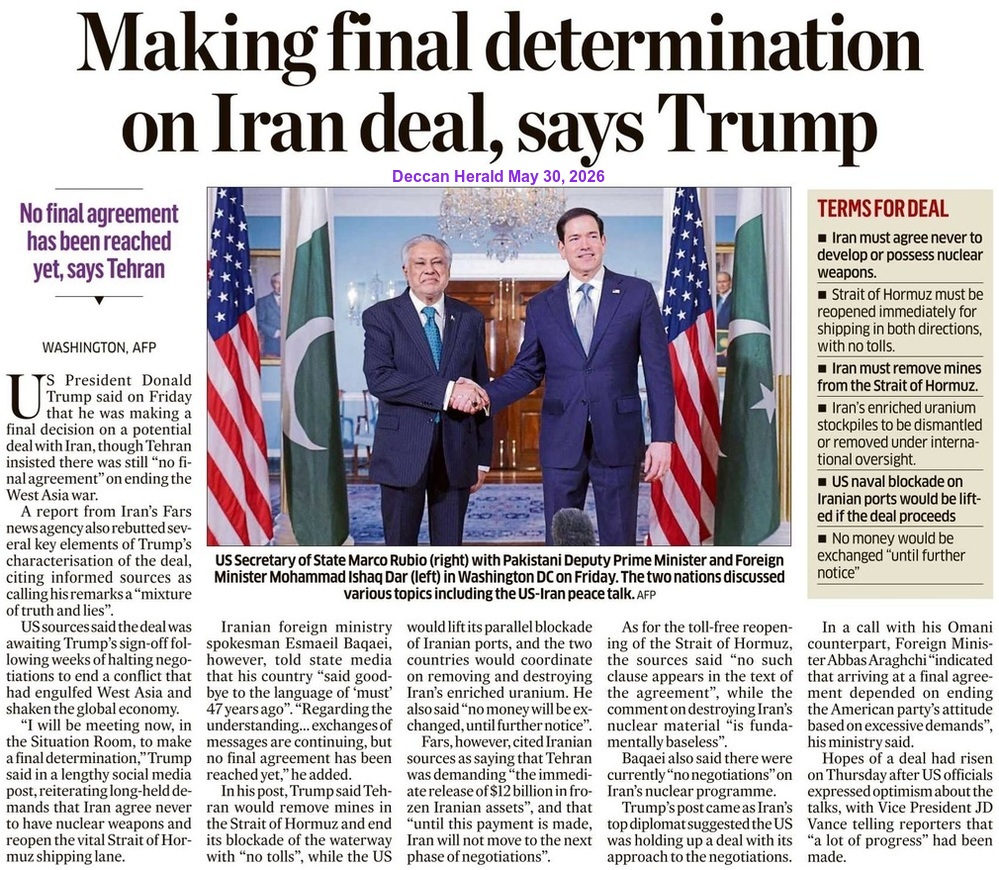
On the other hand, the most sensitive, as well as controversial, issue in the discussions is the Strait of Hormuz. The draft of the interim agreement, formulated based on discussions between the two parties, states that Tehran would reopen the Strait of Hormuz and detailed negotiations regarding the Iranian nuclear programme would commence soon. However, Tehran has made it clear that ships transiting through the Strait would have to pay tolls (to Iran and Oman) in the future. Interestingly, both Iran and the US have agreed to discuss issues related to the nuclear programme in the second phase as they want the preliminary issues to be discussed first and to reach a settlement. The nuclear programme could be discussed later. However, neither country has made any positive comments on this matter.
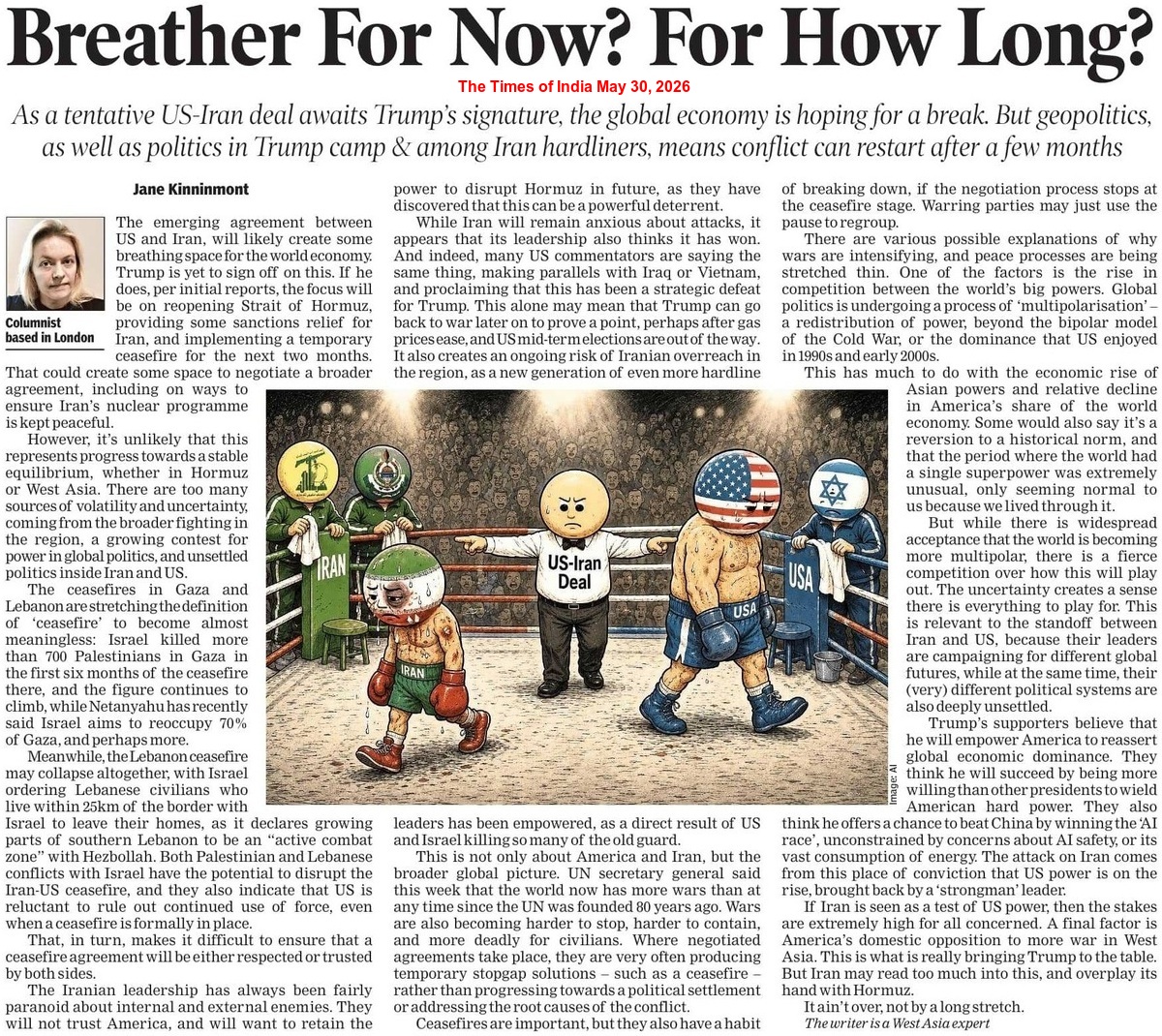
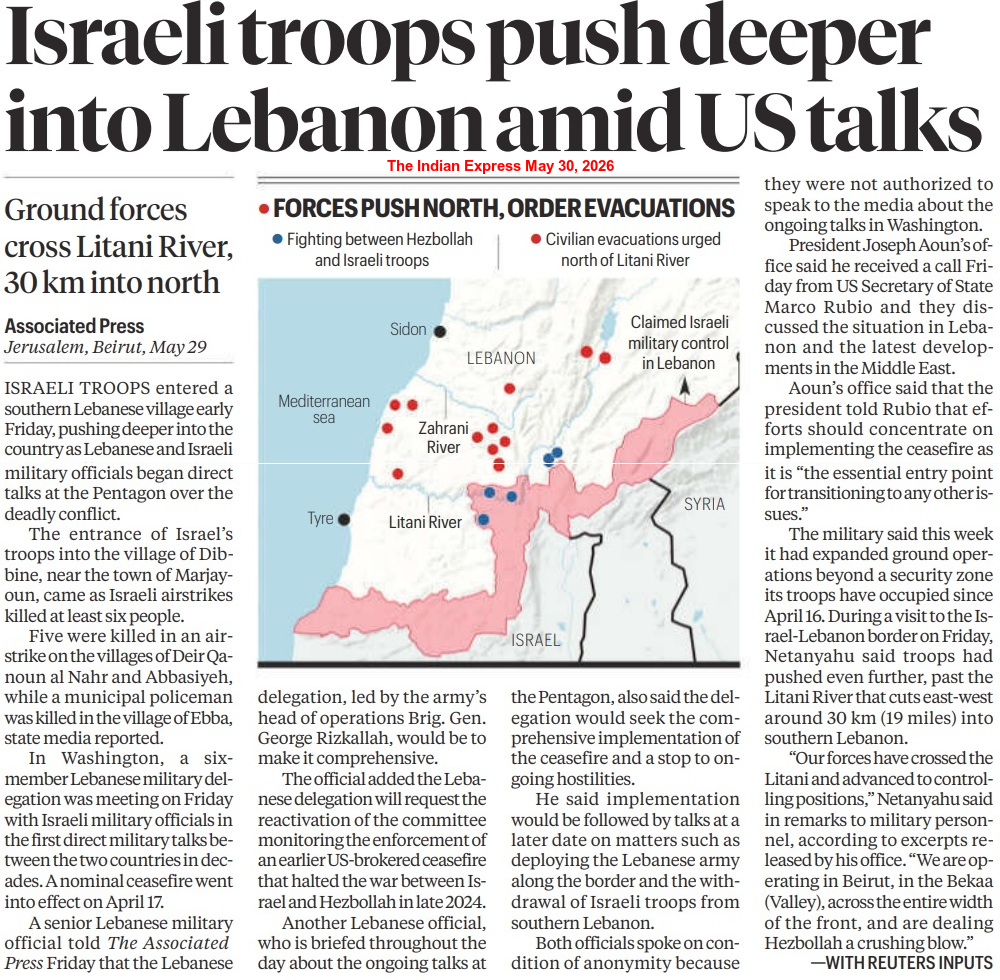
According to the US media, negotiators of the two countries have reached a tentative 60-day ceasefire and negotiation framework. The extension of the ceasefire shall heavily depend on the progression of broader diplomatic talks and key sticking points. Iran has demanded that Lebanon also be included in the ceasefire accord, thereby linking a halt to Israel’s military offensive against Hezbollah with broader regional peace negotiations. A senior US official has stated: “Iran is prioritising Lebanon. It will not accept Israeli violations in Lebanon like what happened after the 2024 ceasefire.“
Despite the ceasefire, the US and Iran have sporadically exchanged fire, prompting negotiators to finalise an agreement on an urgent basis. Senior officials monitoring the conflict believe that if the military intensity escalates, it will completely disrupt diplomatic negotiations and destroy any chances for a lasting ceasefire. Hence, mediators focus on finding common ground without imposing decisions, utilising specialised techniques to facilitate a swift and agreeable outcome.
Meanwhile,
Boundless Ocean of Politics on Facebook
Boundless Ocean of Politics on Twitter
Boundless Ocean of Politics on Linkedin
Contact us: kousdas@gmail.com

 ISMC
ISMC Boundless Ocean Of Politics