

The Return Of Unipolar Arrogance
US President Donald John Trump‘s successive moves have caused a global concern. His recent announcement of the Board of Peace (BOP), too, is a controversial one. Although the US President has claimed that the arrangement is aimed at managing post-war Gaza and resolving global conflicts, the move is a direct blow to the principle of multilateralism that has been developed since the end of the Second World War. There was a hint of a Multipolar World Order in the post-Cold War era. However, such an order is on the verge of collapse because of Trump’s aggressive foreign policy.
The timing and context of the formation of the BOP are also significant. Notably, the Board has deliberately omitted the issue of Palestinian self-determination. Instead, it has presented the Palestinian issue as a matter of governance and stability, without delving into issues, such as the illegal Israeli occupation and violations of international law.
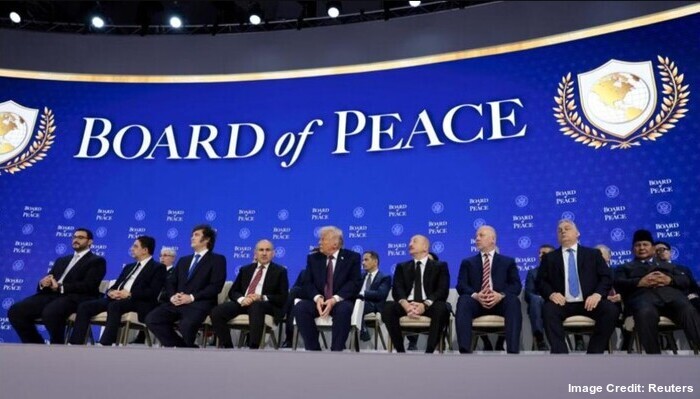
The institutional structure of the BOP has raised significant concerns regarding its deviation from established international norms, concentration of power and potential to undermine the UN. Critics describe the structure as more of a “control architecture” or a business-like “pay-to-play” model rather than a traditional multilateral peace-building organisation. Most importantly, President Trump has been named Chairman for Life! Hence, he shall enjoy extensive power to appoint members and set the agenda. In addition to the US President, the BOP includes figures, like Marco Antonio Rubio, Jared Corey Kushner and Sir Anthony Charles Lynton Blair, who believe in military policy and are involved in the politics of regime change. Therefore, the BOP can be described as a centralised, US-led mechanism that prioritises authoritarian alignment over traditional multilateral diplomacy.
The design, funding and membership structure of the Board not only mark a departure from traditional multilateral organisations, favouring a corporate-style, hierarchical and elite-driven framework, but also reveal its class, as well as power, character. The pay-to-play model of power could secure permanent membership on the Board by contributing over USD 1 billion in the first year. Such a model shall further empower the US and its Western allies, depriving countries in Africa, Asia and Latin America.
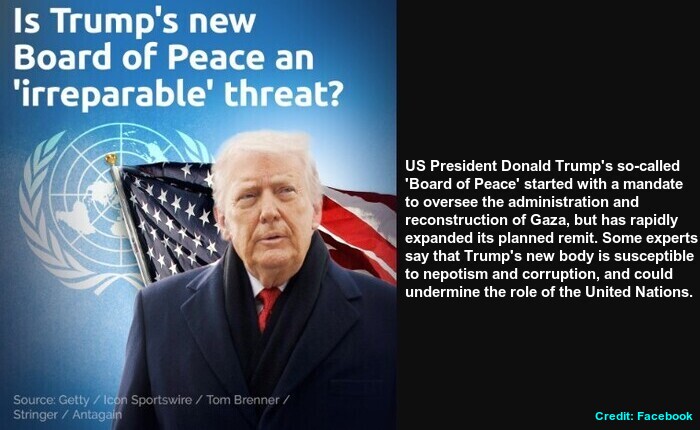
By presenting itself as a rival (or a potential alternative) of the UN, the BOP is challenging the very idea of a rules-based international order. In spite of various flaws and imbalances of power, the UN has long remained the only global forum where the voices of Developing Nations can be heard. The formation of the Board is widely analysed not as a reform of existing international bodies, but as a radical shift toward a new, alternative system of global conflict management.
On a deeper ideological level, the BOP acts as a mechanism to shift international relations away from the multilateral system towards a more unipolar or leader-driven world order. The collapse of the Soviet Union in December 1991 not only marked the end of the Cold War and the Bipolar World Order, but also resulted in a period of unprecedented US dominance, often described as a Unipolar Moment. This era allowed the US to trigger wars in Iraq, erstwhile Yugoslavia, Afghanistan and Libya. However, the emergence of alternative centres of power over the past two decades has begun to challenge this dominance. The BOP wants to change this historical trend.
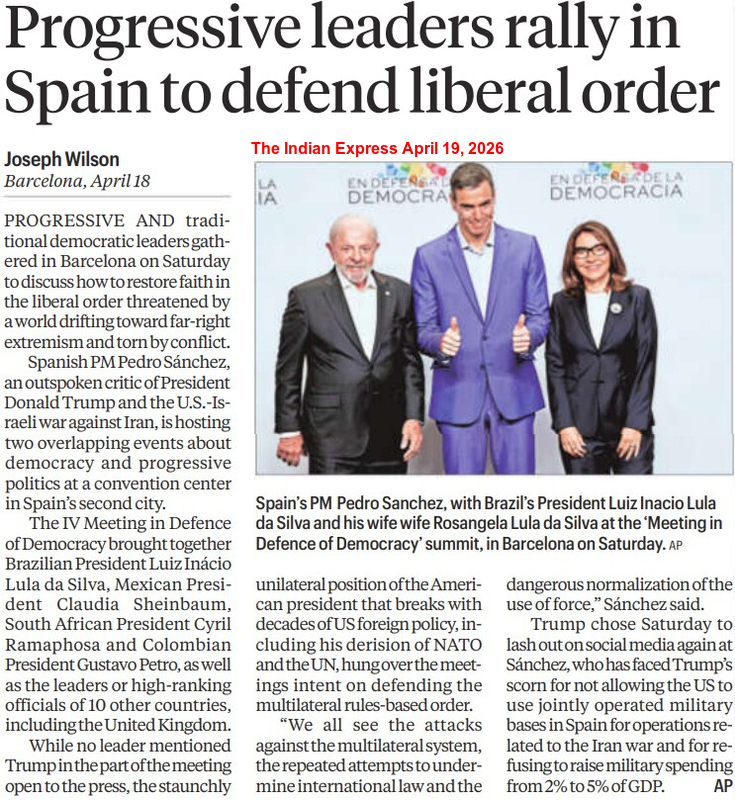
Economic coercion plays a crucial role in implementing this new system. The threat of tariffs and financial pressure to force other countries to join the Board is a part of President Trump’s imperialist strategy. The attempt to maintain stability through threats, manipulation or extortion (blackmail) is fundamentally unjust and coercive, rather than a true state of peace. European scepticism regarding the BOP is substantial, revealing deep-seated uneasiness among longtime US allies over the initiative’s structure, mandate and the inclusion of controversial leaders. Political analysts are of the opinion that no international system can function depending on the whims of a particular leader.
The concern about the BOP can be considered a struggle for the future of the international system. The Trump-ruled world would certainly destroy the liberal international order, which prioritised multilateralism, collective security and the promotion of Human Rights. Instead, his approach favours bilateral, transaction-based negotiations where US interests are the primary metric. The foundation of peace should be justice and the collective will of nations.
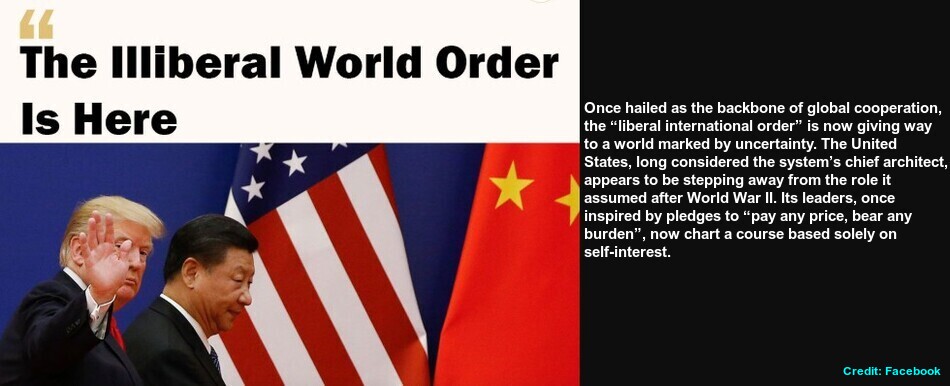
President Trump’s actions remind the global community of the darkest days of unchecked US dominance. Strong and unequivocal opposition to any attempt to revive such a dominance is essential.
Meanwhile,
Boundless Ocean of Politics on Facebook
Boundless Ocean of Politics on Twitter
Boundless Ocean of Politics on Linkedin
Contact us: kousdas@gmail.com

 ISMC
ISMC
