

Making The Most Of Opportunities
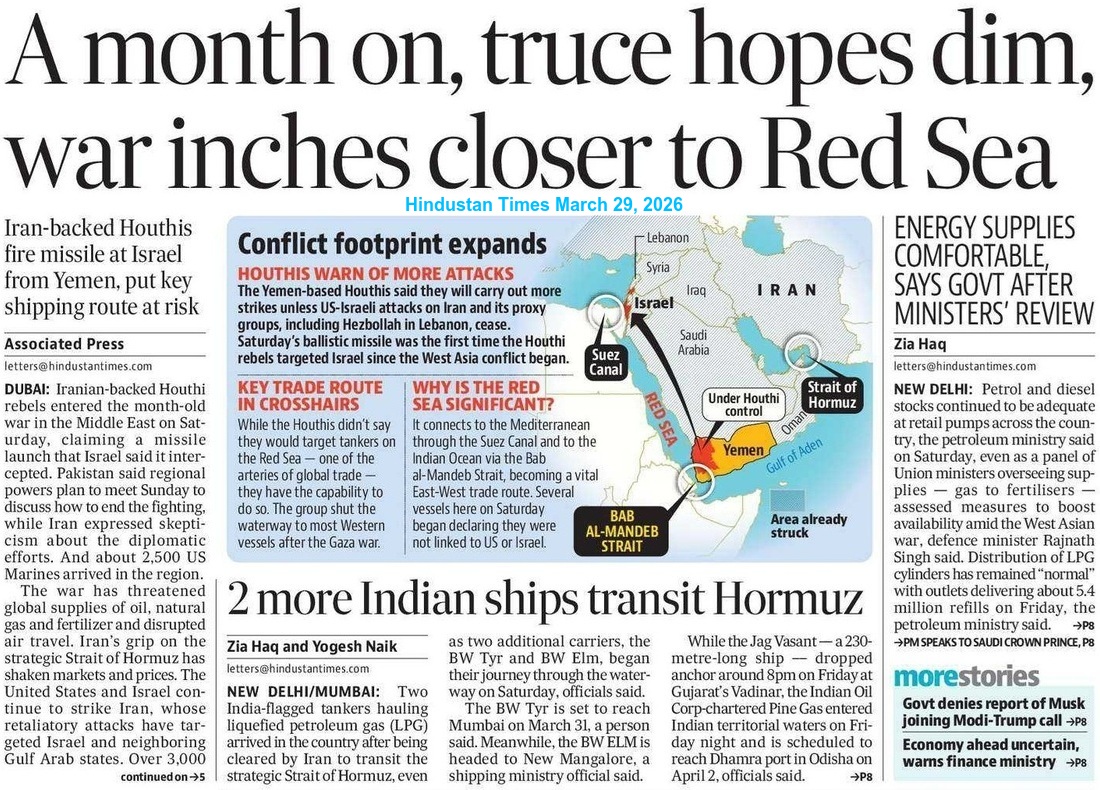
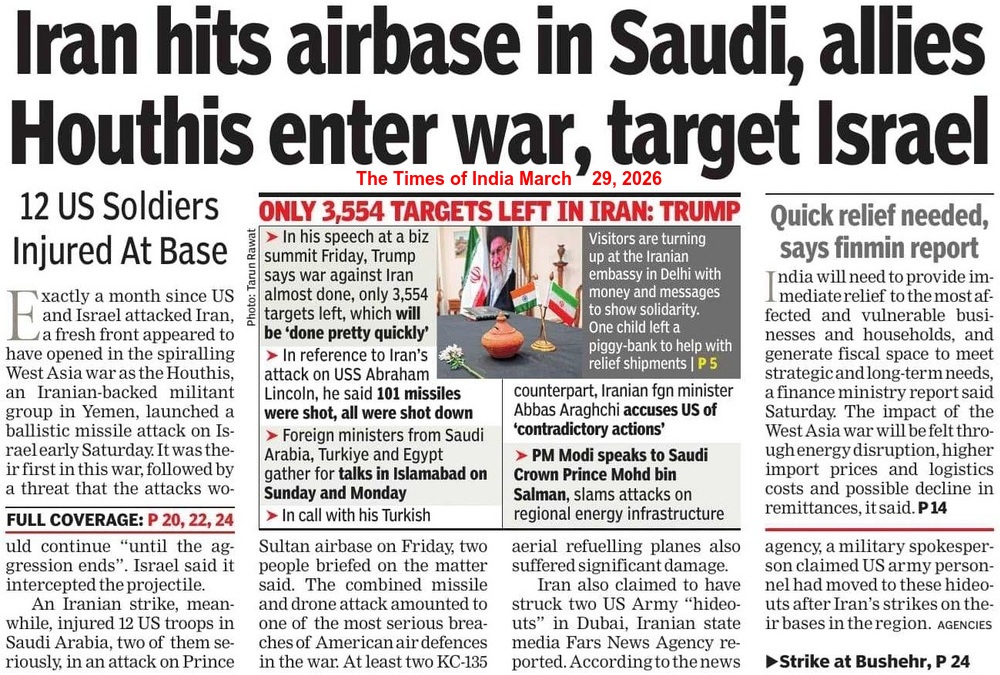
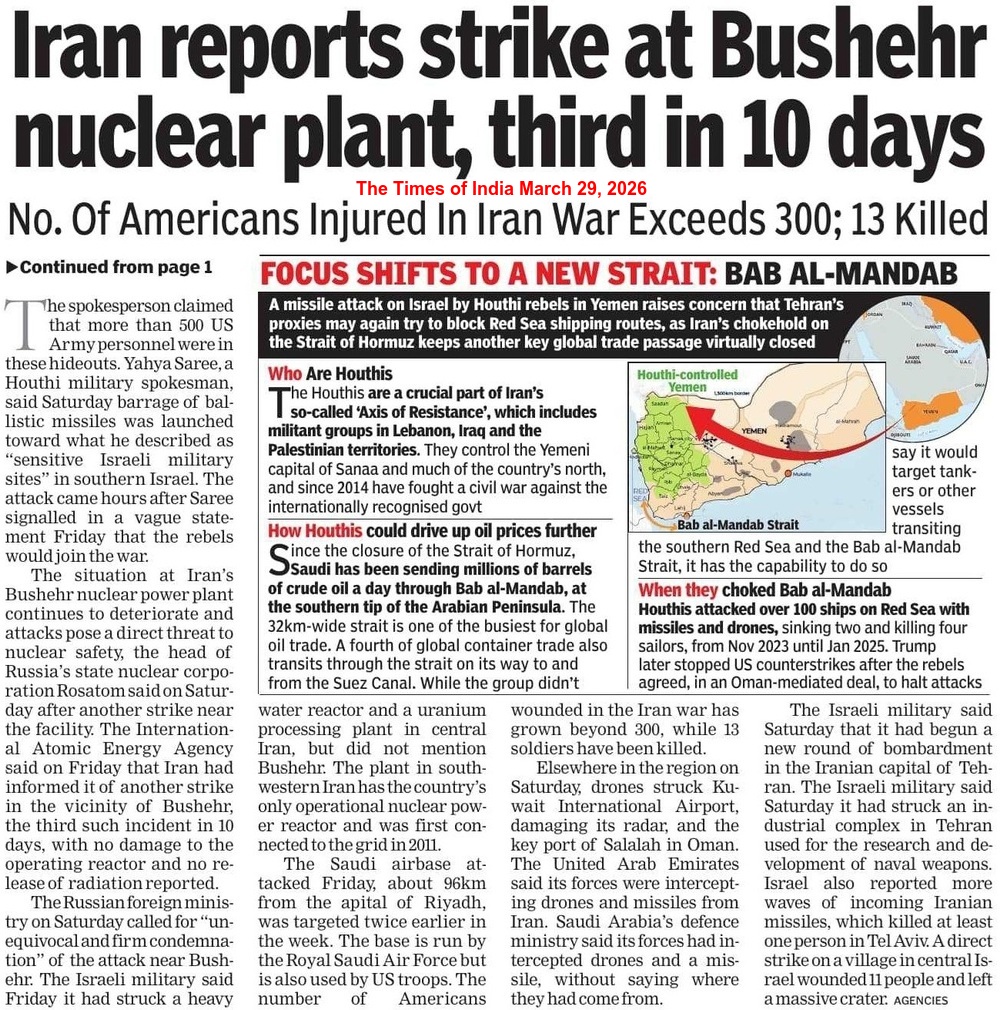
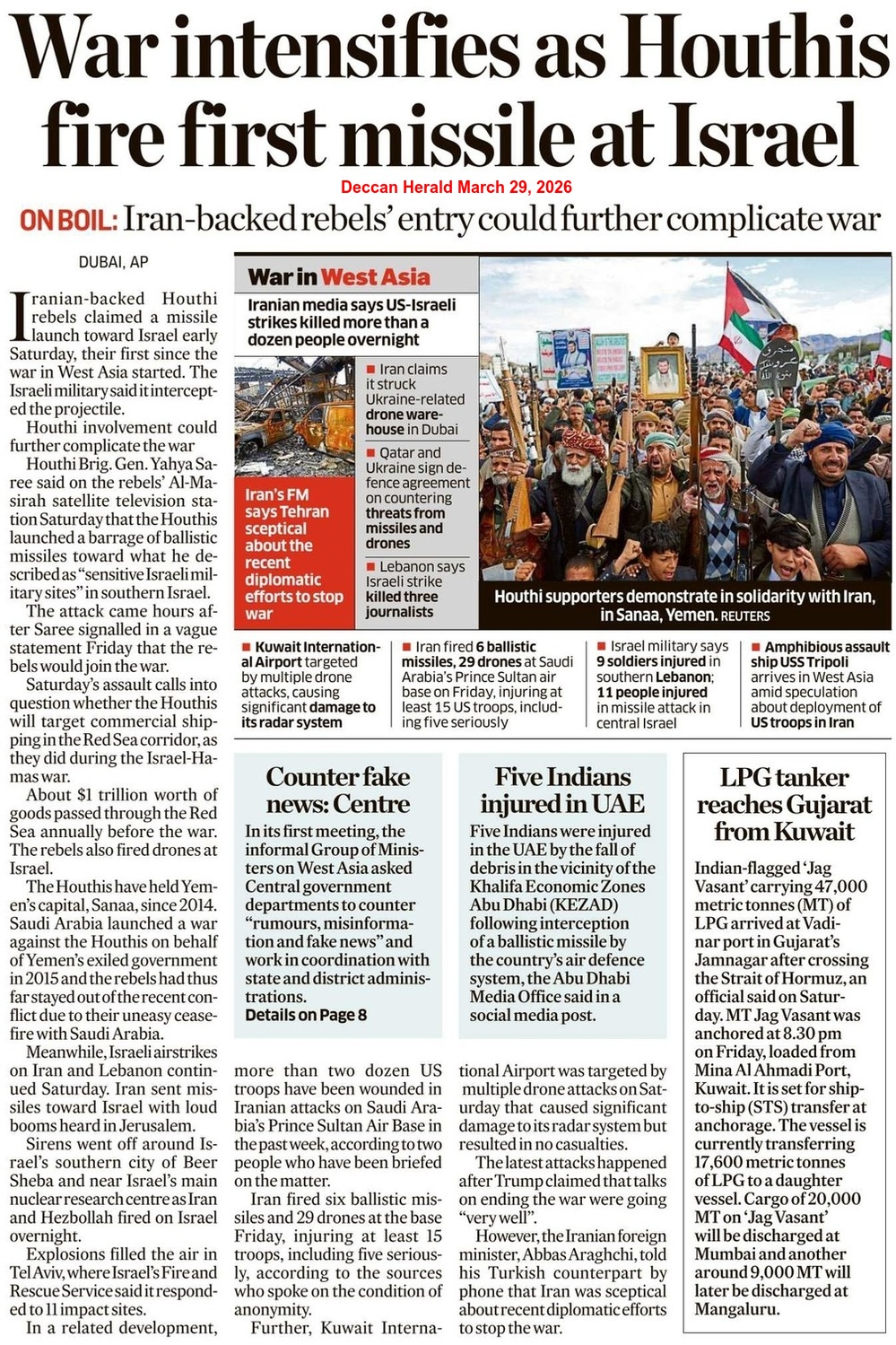
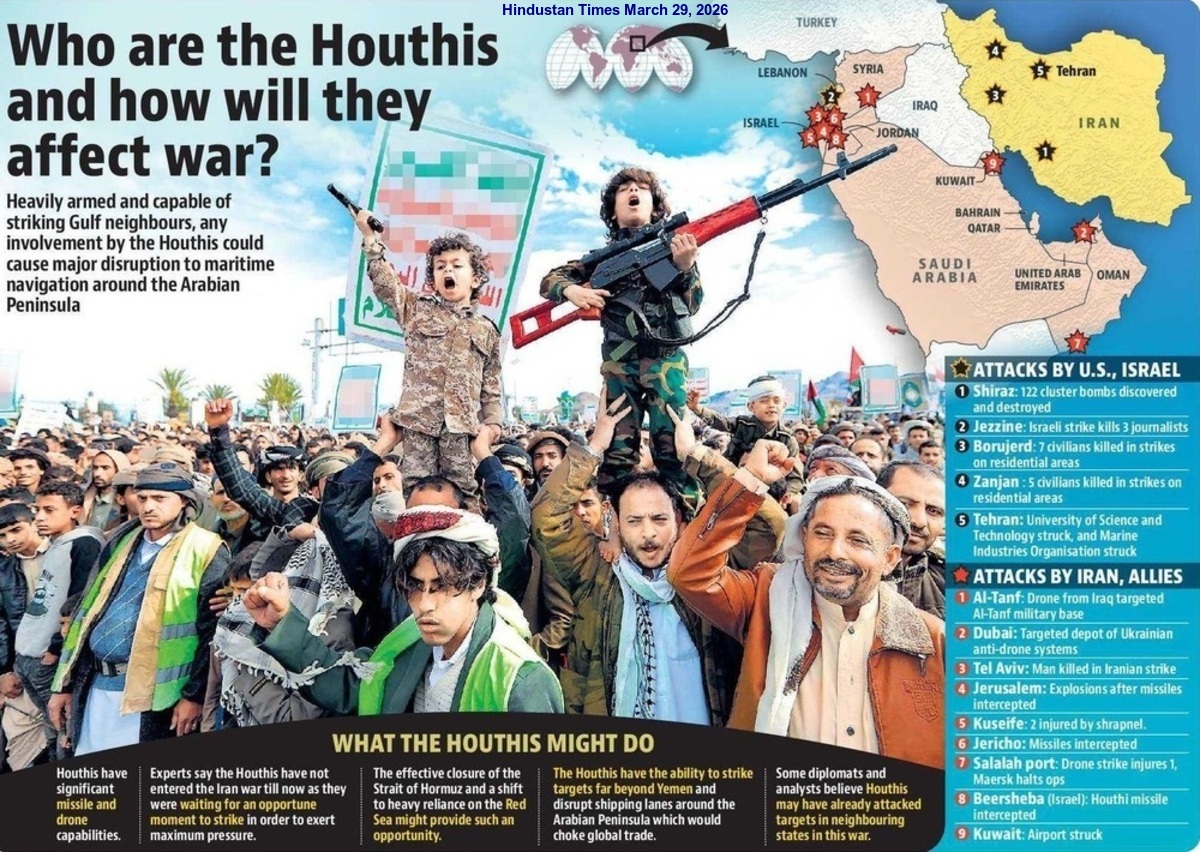
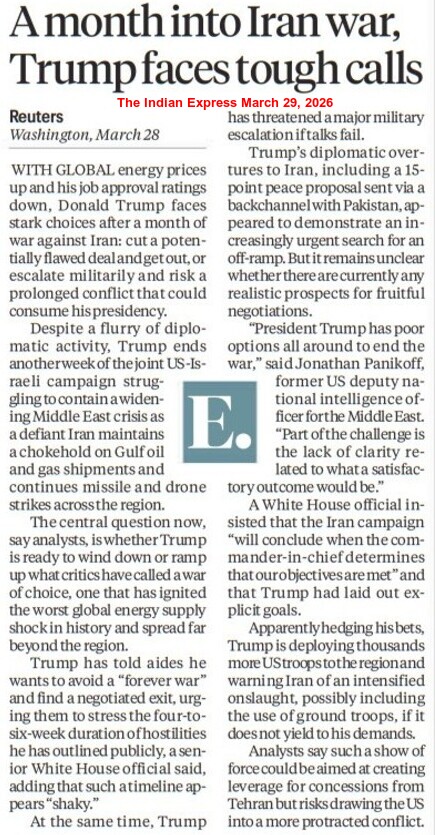
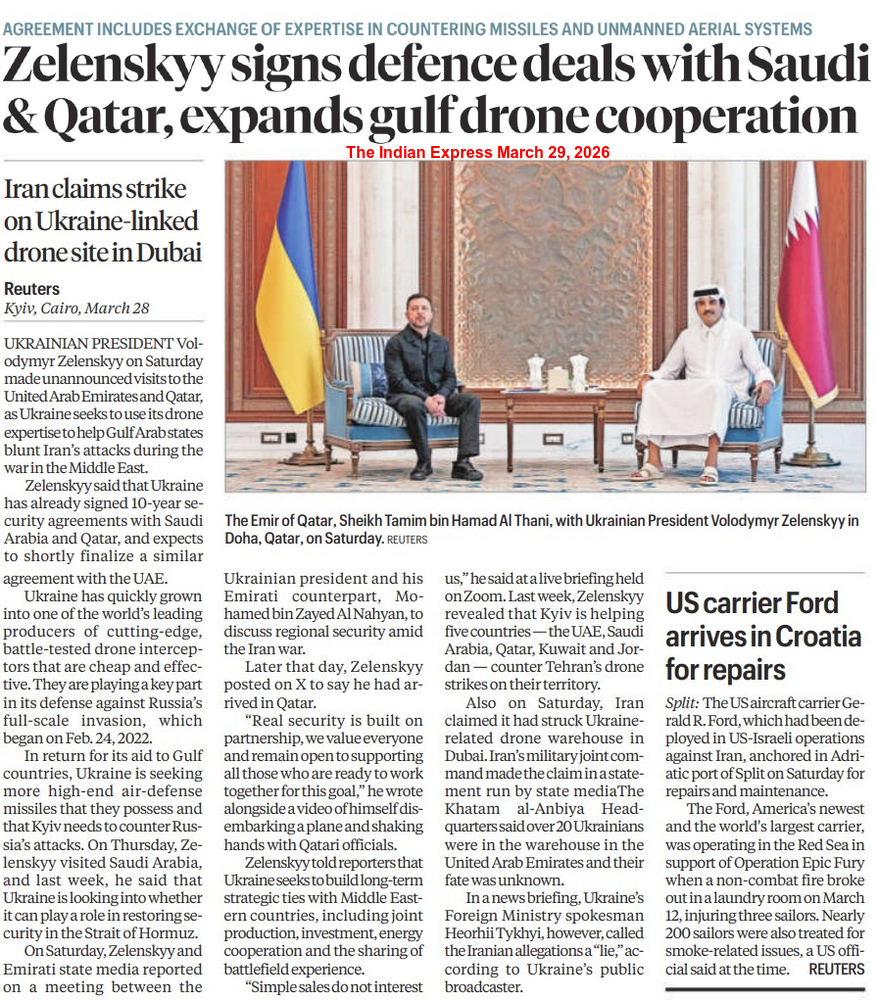
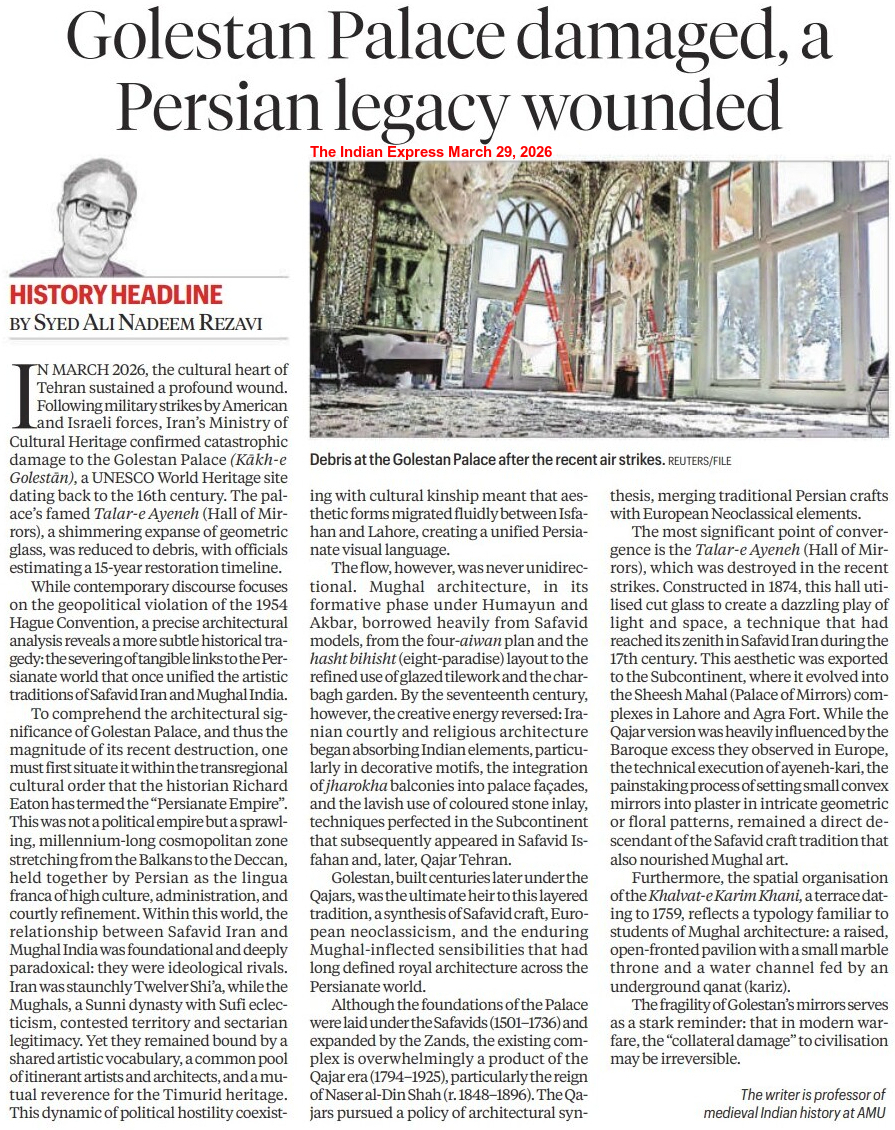
The joint US-Israeli military campaign against Iran, initiated on February 28, 2026, has not only induced widespread geopolitical instability, but also created significant foreign policy dilemmas for many countries across the globe. The escalating energy security threats, a spike in global oil prices and intense diplomatic pressure have prompted those countries to navigate serious security concerns while avoiding a broader regional war.
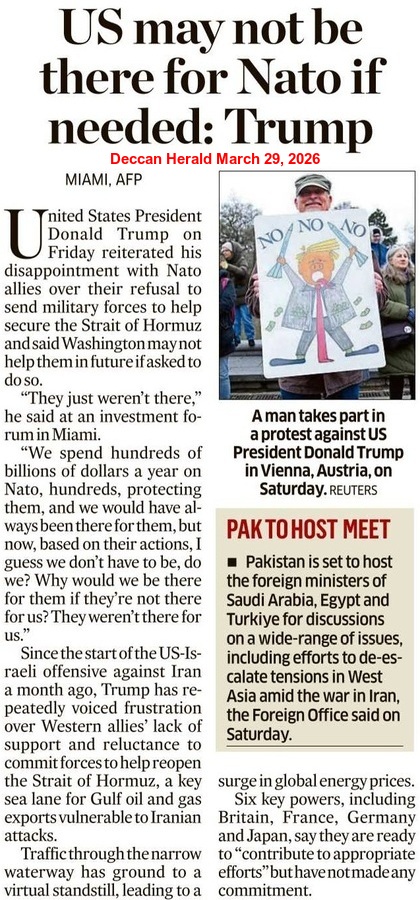
Pakistan, a friend of Saudi Arabia and the neighbour of Iran, is one of them. Yet, the South Asian country (along with Turkey and Egypt) has emerged as a mediator for ending the bloody armed conflict, as Islamabad is trying hard to bring Tehran and Washington DC to the negotiating table. Top Pakistani officials have confirmed that they are acting as a conduit, relaying messages and a 15-point Ceasefire Proposal of US President Donald John Trump, and have offered Islamabad as a venue for direct, in-person talks.
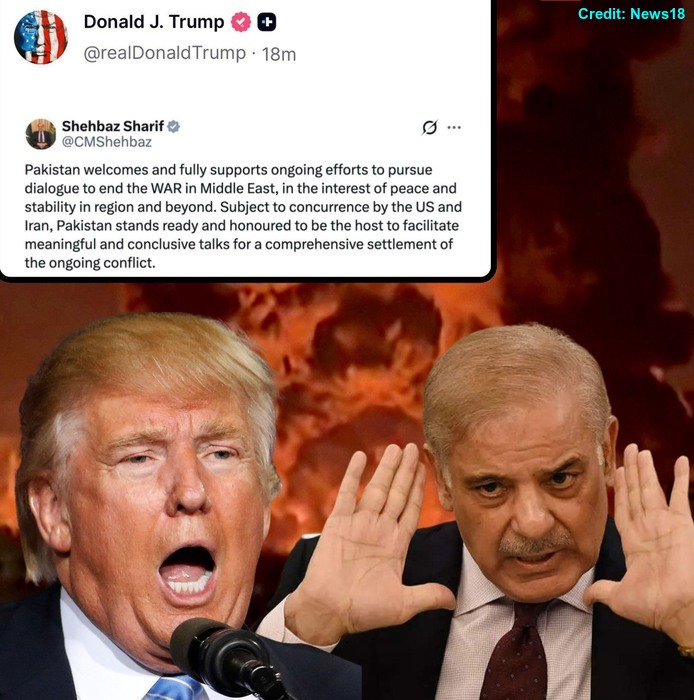
It is quite difficult to imagine that Iran and the US would consider Islamabad a potential venue for efforts to de-escalate the conflict that has exerted profound influence on global energy markets, supply chains and strategic stability. It is mainly because Pakistan is currently facing internal political instability and security-related issues. The question arises here: Why is Pakistan eager to mediate high-risk foreign conflicts in spite of facing severe internal security and economic crises?
Political analysts believe that there is a combination of strategic self-interests, such as the need to project itself as global power and the desire to prevent instability from spreading across its own borders. Pakistan is grappling with a broken economy and relies heavily on the Middle East for fuel imports (approximately 40% of its oil needs) and remittances, which are crucial for its financial stability. A prolonged conflict in the Strait of Hormuz directly impacts its fuel prices and exacerbates fiscal pressures, making a mediated peace crucial for Pakistan’s own stability. As a neighbour sharing a 1,000km border with Iran, Pakistan is also highly vulnerable to the fallout from a war as escalation could lead to security issues on its western frontier, adding to its ongoing, intense clashes with Afghanistan-based militants.
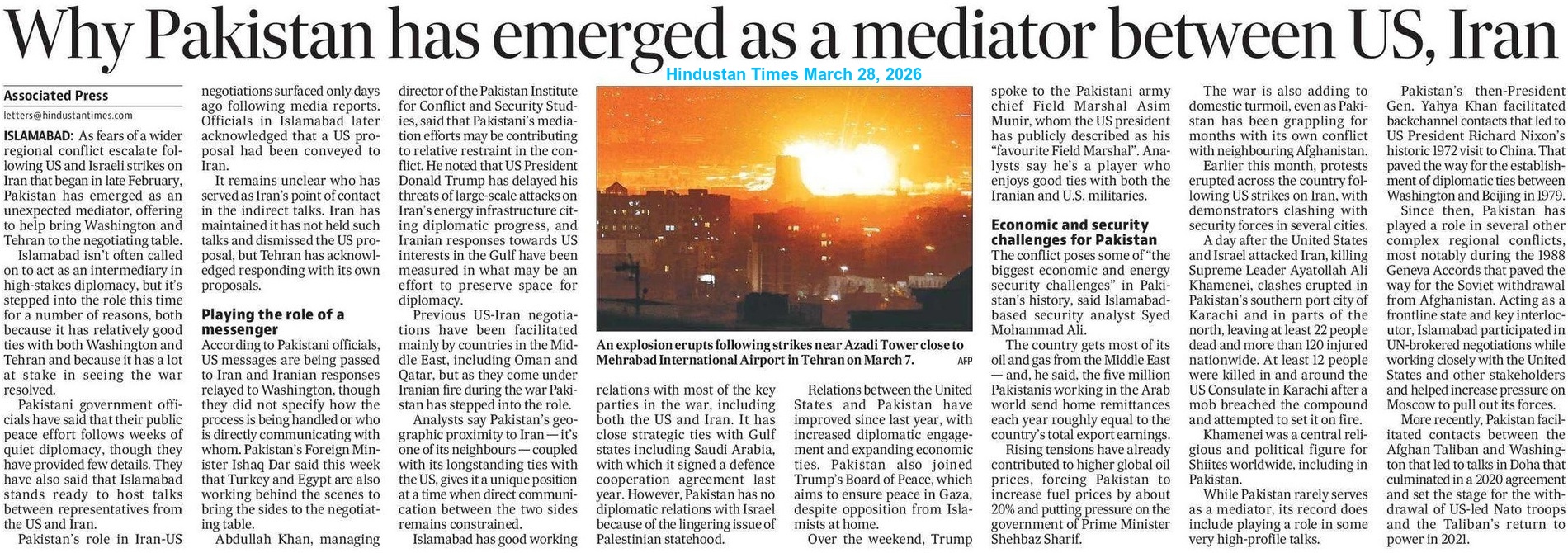
In such a scenario, Pakistan has got an opportunity to improve its global image after being criticised for being isolated. Success in mediating a major conflict could help the country to move beyond being seen merely as a security liability and to assert its relevance as a regional power broker. Hence, Islamabad has decided to make the most of these opportunities as it is uniquely positioned with “relatively good ties” with both Tehran and Washington DC, allowing the South Asian nation to act as a courier for messages at a time when traditional Middle Eastern mediators have come under fire.
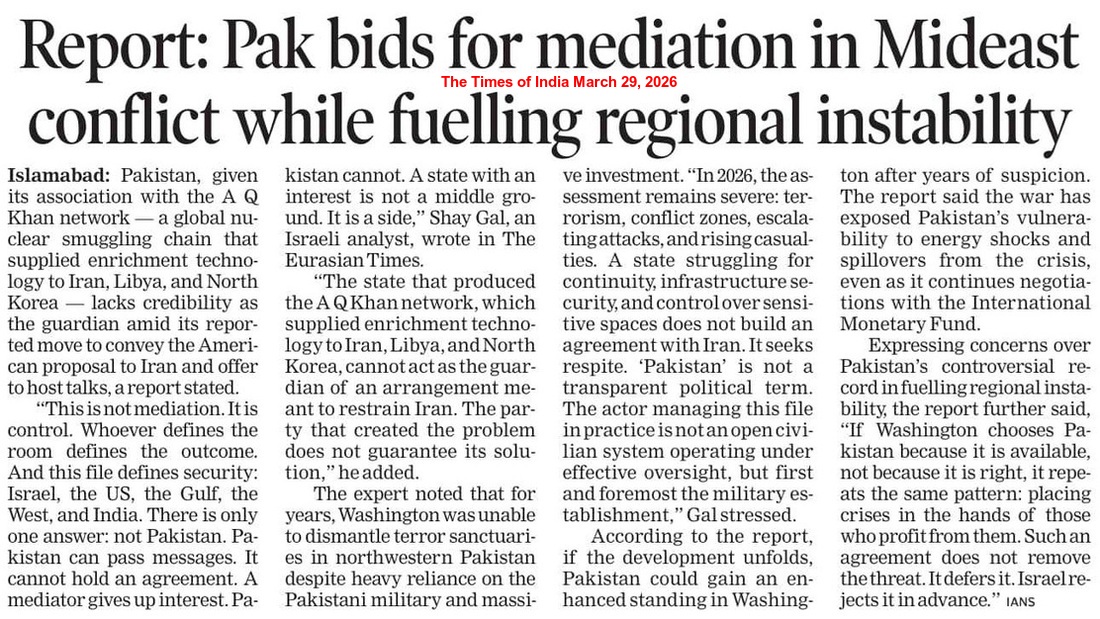
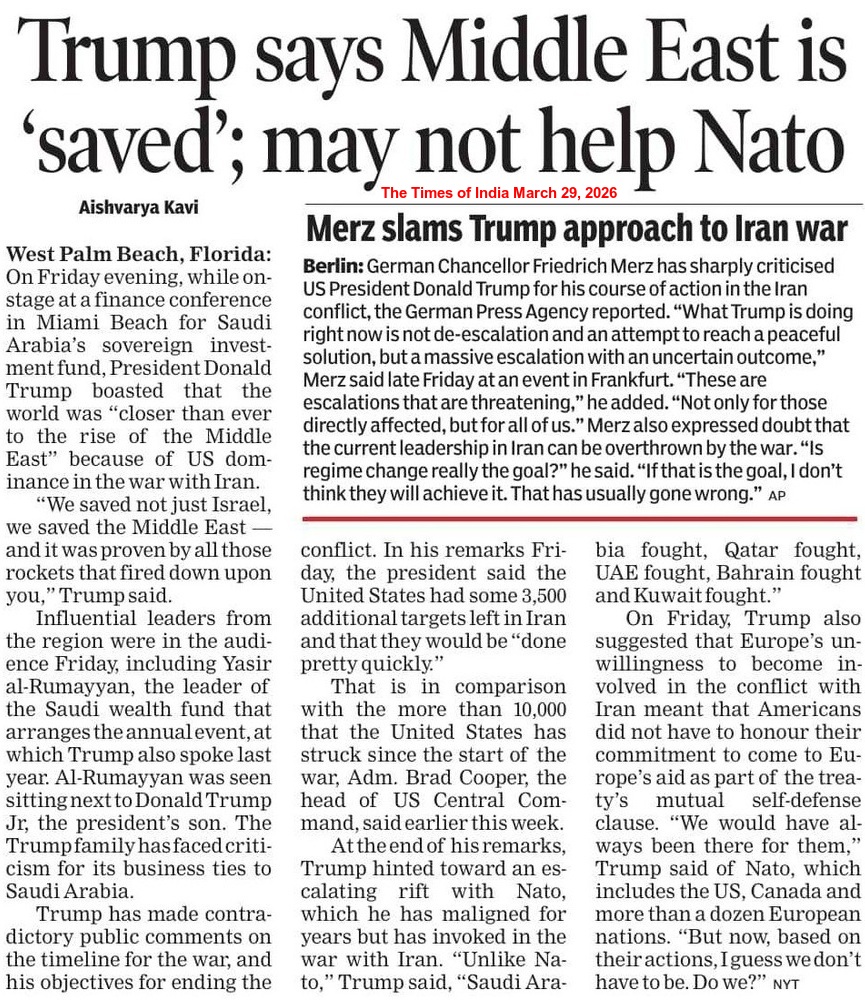
However, there is a problem. On September 17, 2025, Pakistan signed a landmark Strategic Mutual Defence Agreement (SMDA) with Saudi Arabia. The SMDA pledges that any aggression against either nation would be treated as an attack on both, effectively creating a joint defence alliance. Since the beginning of the ongoing conflict in West Asia, Iran has launched drone attacks in various locations of Saudi Arabia. Furthermore, The New York Times has reported that Crown Prince Mohammed bin Salman Al Saud (also known as MbS), the de facto Saudi leader, has been pushing President Trump to continue the war against Iran, arguing that the US-Israeli military campaign presents a historic opportunity to remake the Middle East. The Crown Prince has also hinted that his country is willing to join the war.
If Saudi Arabia joins the US-Israeli War on Iran, it will activate its mutual defence pact with Pakistan and potentially lean on the nuclear arsenal of the South Asian country. Salman al-Ansari, a Saudi geopolitical researcher, recently told Middle East Eye: “If the Saudis were to decide to enter with complete force… Iran is going to be the biggest loser because Saudi Arabia will activate its bilateral defence agreement with Pakistan.”
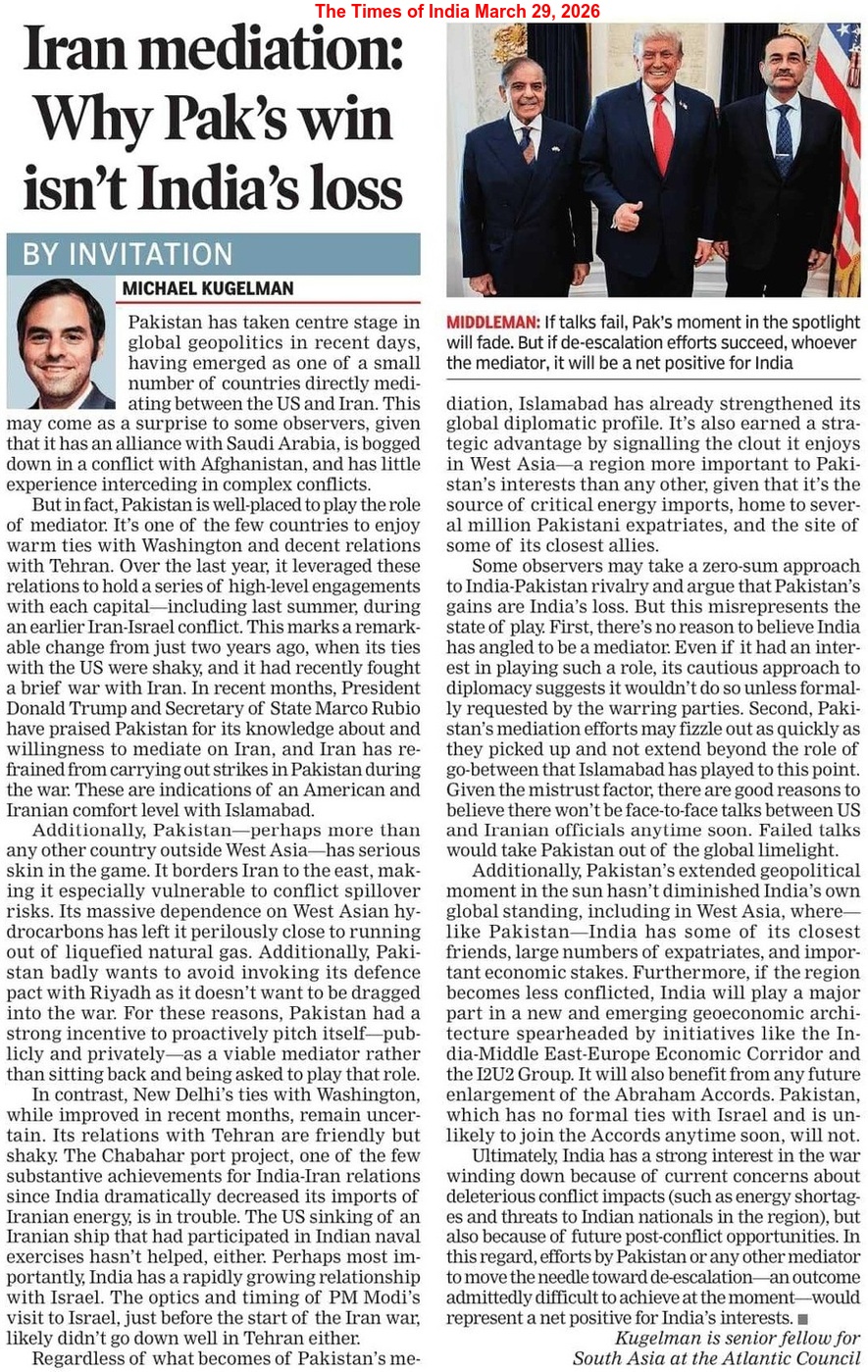
On the other hand, Pakistan does not want to get involved in the war due to its internal political instability. Also, one-fifth of the Pakistani population belongs to the Shia faith and is pro-Iran. Islamabad is well aware of the fact that the ongoing conflict could trigger instability along the Iran-Pakistan border and its impact could spread to the restive region of Balochistan.
Taking all these aspects into consideration, Pakistan has decided to actively work with Turkey and Egypt to mediate an end to the ongoing military conflict, involving Iran, Israel and the US.
Meanwhile,
Boundless Ocean of Politics on Facebook
Boundless Ocean of Politics on Twitter
Boundless Ocean of Politics on Linkedin
Contact us: kousdas@gmail.com

 ISMC
ISMC Boundless Ocean Of Politics