

Missile, With ‘Thank You India’ Message, Fired At Israel
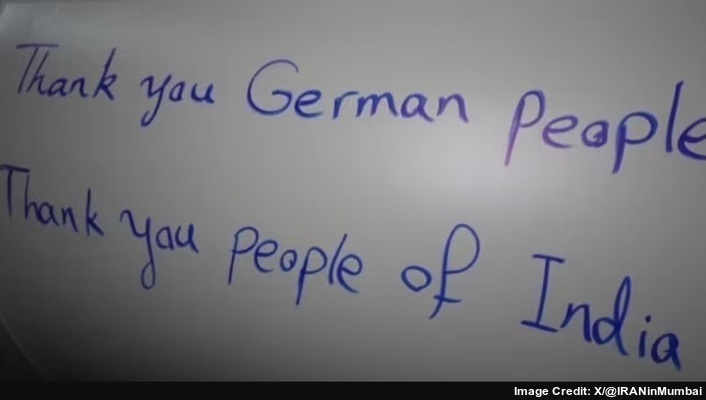
Iran has started inscribing messages of gratitude to countries it deems friendly or supportive on missiles launched at Israel. These messages, often written in blue marker or on stickers on the missiles, are part of what Iranian State Media calls the 83rd wave of its military campaign, titled Operation True Promise 4, carried out by the Islamic Revolutionary Guard Corps (IRGC).
Now, India has found its place on Iranian missiles as the West Asian nation has inscribed “Thank You India” on them, shared by the Consulate General of Iran in Mumbai on X. This symbolic, diplomatic and emotional gesture, seen on March 27, 2026, thanked India for support, including aid from Kashmir, and recognised the South Asian country as a friendly nation amid the ongoing conflict. Apart from India, Tehran’s list of gratitude includes three other countries – Spain, Pakistan and Germany.
So far, Iran has explicitly thanked India, Spain, Pakistan and Germany as this public gesture, seen on missiles and drones, is aimed at highlighting support for Tehran during its ongoing conflict with Israel and the US. Visuals shared by the Consulate General of Iran in Mumbai on X showed Iranian military personnel using blue markers to write messages of gratitude on projectiles moments before launch towards targets in Israel and US military installations. One of the inscriptions read: “Thank you, people of India”, a message that has sparked intense international debate over shifting diplomatic alignments in the region.
On X, the Consulate General mentioned: “Gratitude from Iran’s Aerospace Force to the people of Spain, Pakistan, India and Germany for their support and solidarity, especially during the 83rd wave of missile response to the US and Israel.” It may be noted that Indians, particularly from the northern Province of Kashmir, have sent humanitarian aid to Tehran. In recent weeks, civilians in Jammu and Kashmir have also organised donation drives to support those affected by the conflict. Contributions have included cash, jewellery and household items, with many accounts highlighting personal sacrifice.
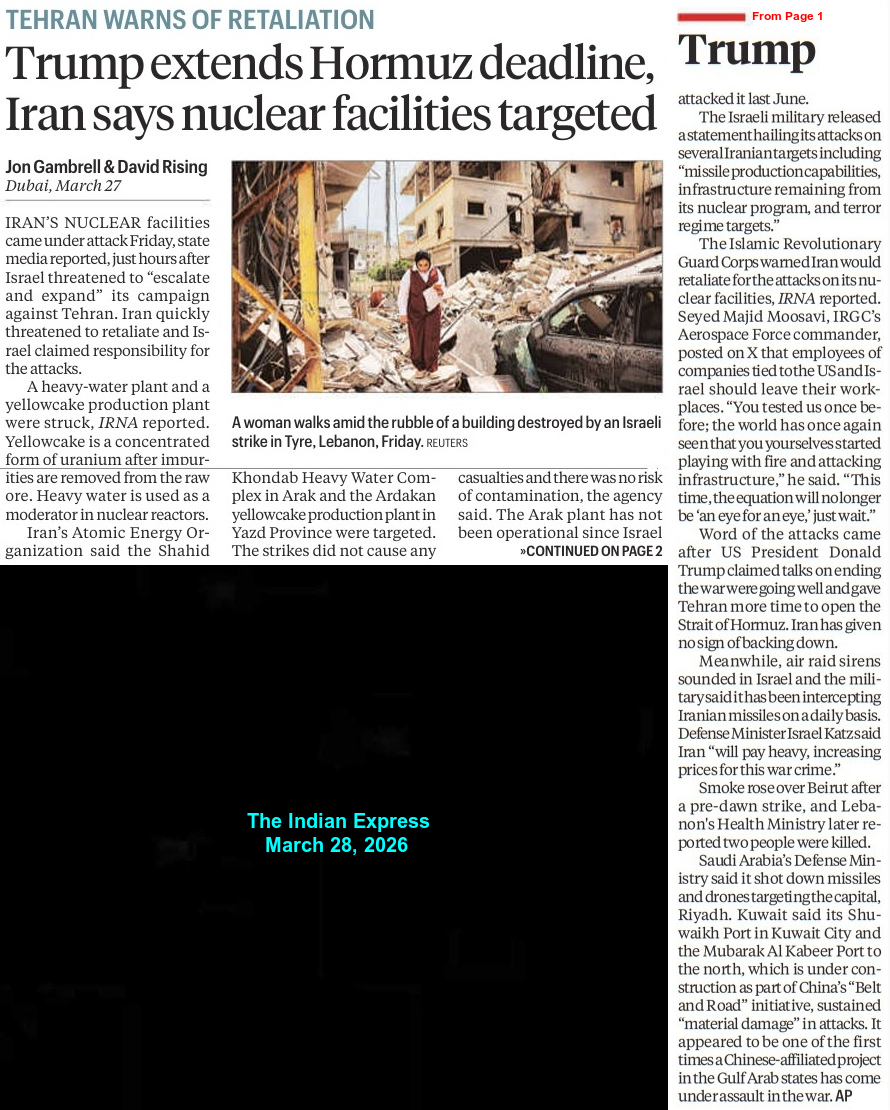
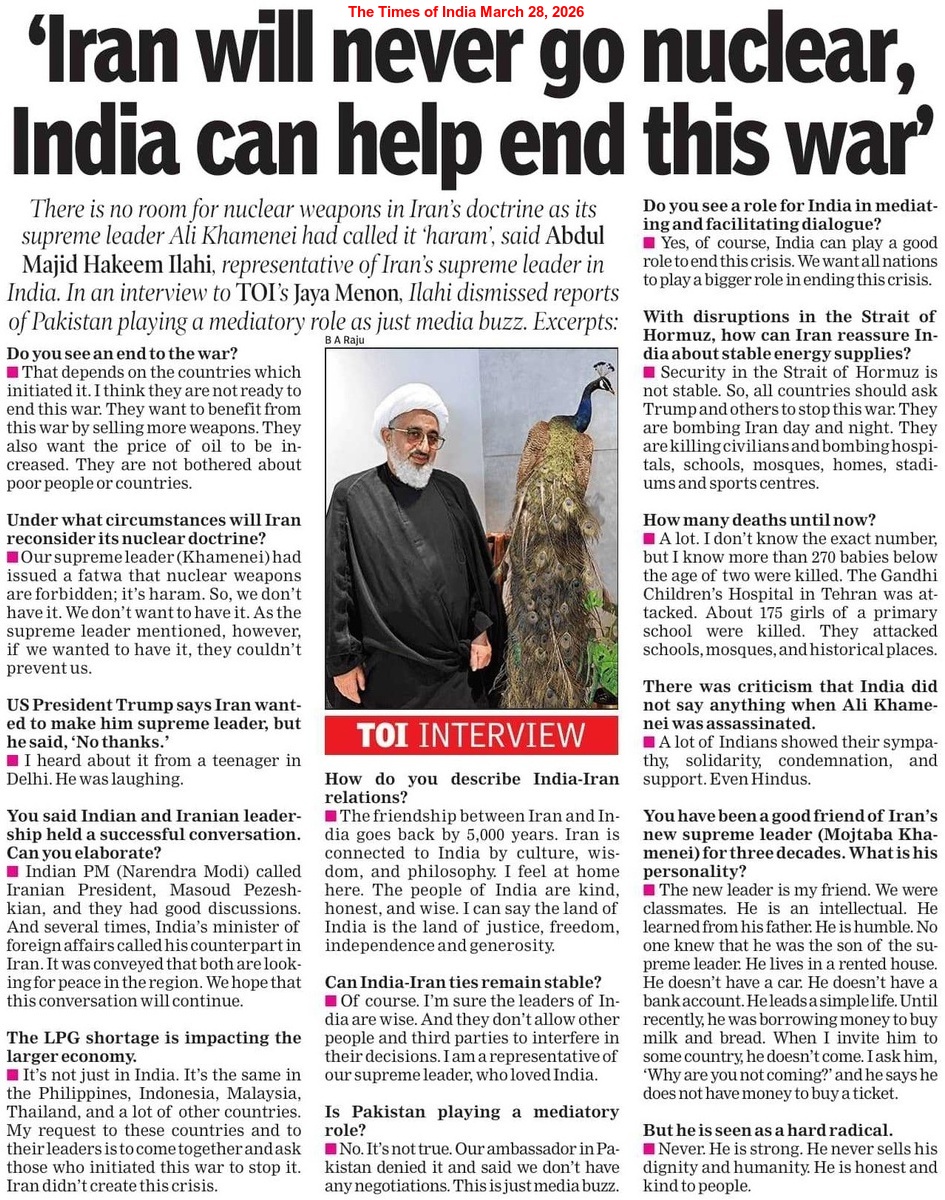
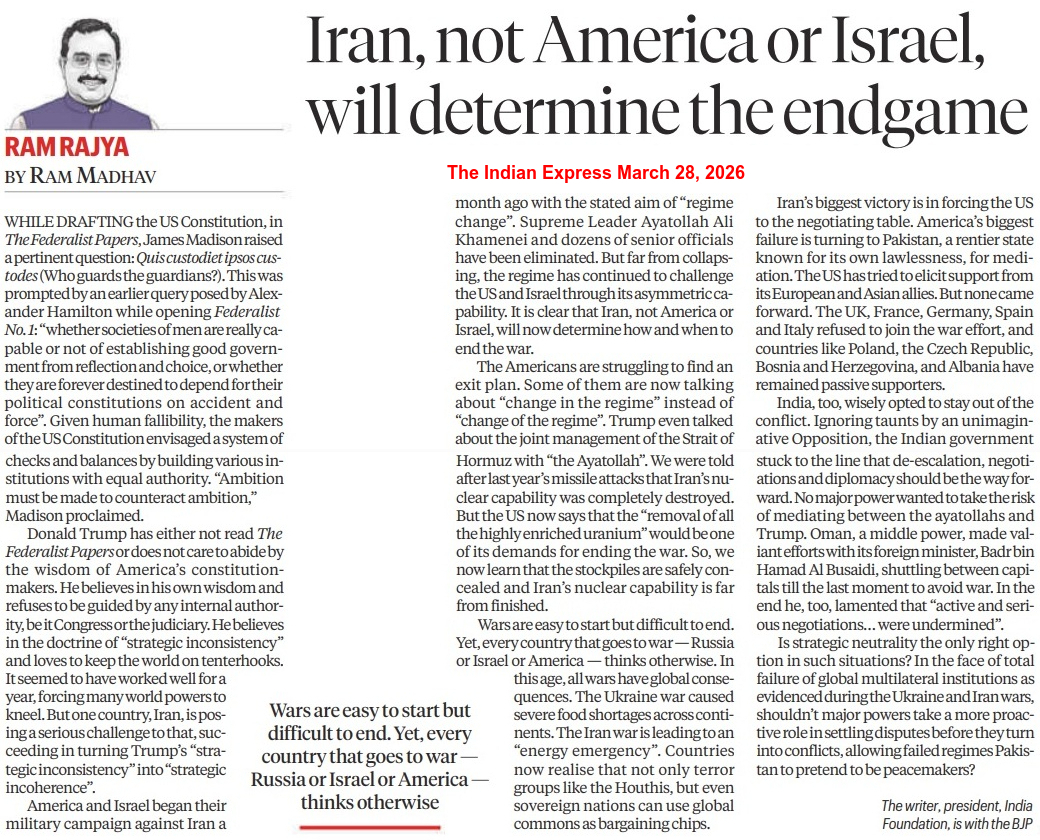
Abbas Araghchi, the Foreign Minister of Iran, has stressed that India is considered a friendly nation, promising safe transit for friendly countries through the critical Strait of Hormuz while threatening ships related to enemies. He has explained that safe passage is granted upon coordination with Iran, allowing vessels to pass through the heavily impacted oil shipping route. According to Araghchi, the main aim of the move is to keep key energy supplies flowing, particularly for India, which imports significant amounts of fuel from the region. As expected, vessels linked to the US and Israel are not included in this arrangement.
Meanwhile, Mohsen Rezaei, the Senior Military Adviser to Supreme Leader Ayatollah Seyyed Mojtaba Hosseini Khamene, has threatened the US, saying: “If their air power, which is their main force, has not yielded results, what are they expecting from a ground operation? Are American soldiers really ready to die for Israel? I guess… we’ll see.”
‘We’re No Qatar, Will Beat the Hell Out of Them’: Pakistan Warns Israel
Immediately after a joint US-Israeli airstrike near the Pakistani Embassy in Tehran on March 26, 2026, Islamabad issued a stark warning to Tel Aviv over the safety of its diplomats, stressing that any threat to its officials – whether in Iran or elsewhere – would certainly invite a sharp response.
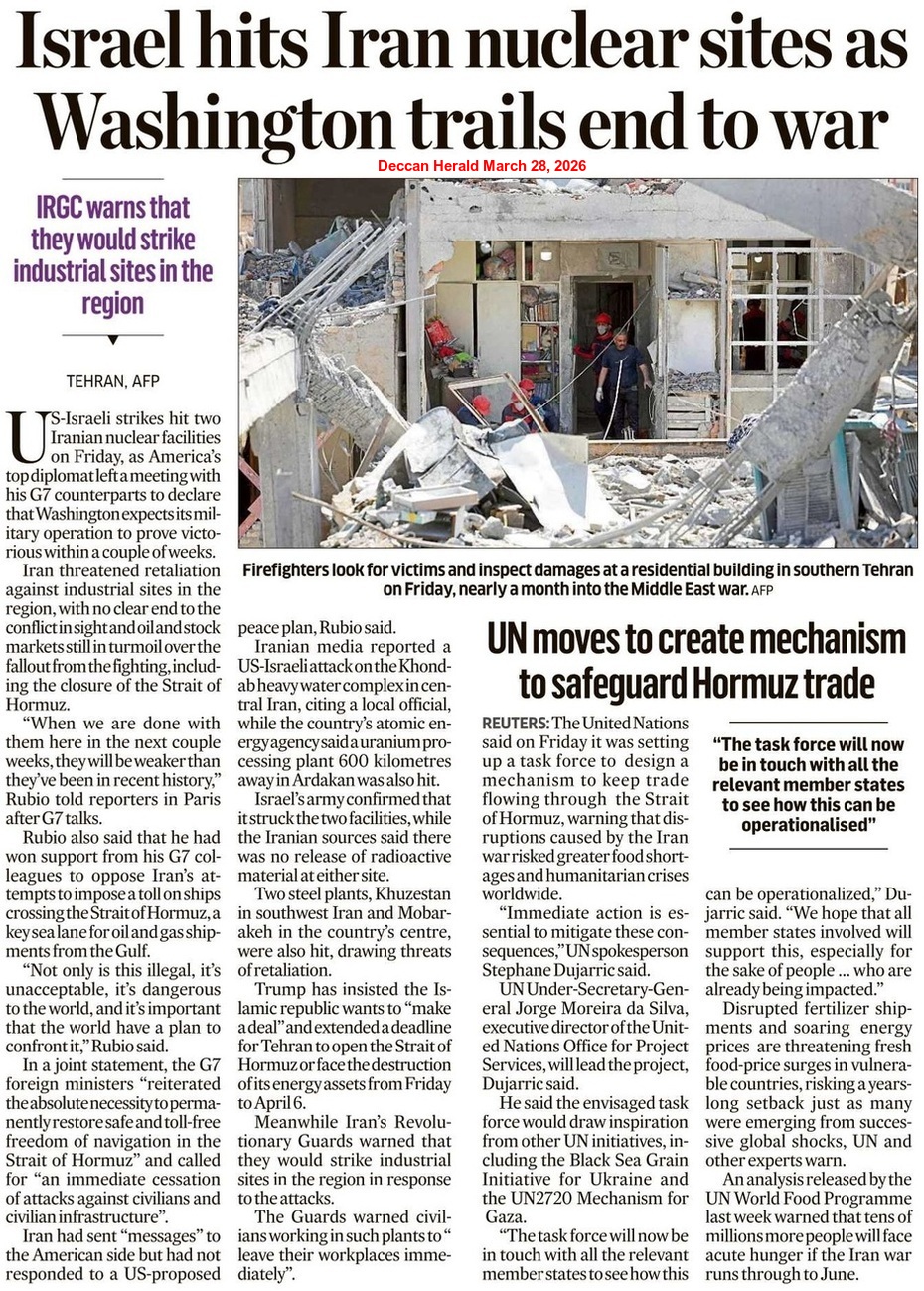
The government-affiliated Pakistan Strategic Forum issued a statement, mentioning: “Israel must remember, Pakistan is no Qatar. We will beat hell out of them if any harm occurred to our diplomats, anywhere in the world.” Incidentally, the US and Israel carried out bombings near the Pakistani Embassy and the official residences of diplomats in the Iranian capital. Although no Pakistani diplomat received injuries in that attack, a number of buildings in the sensitive area were badly damaged.
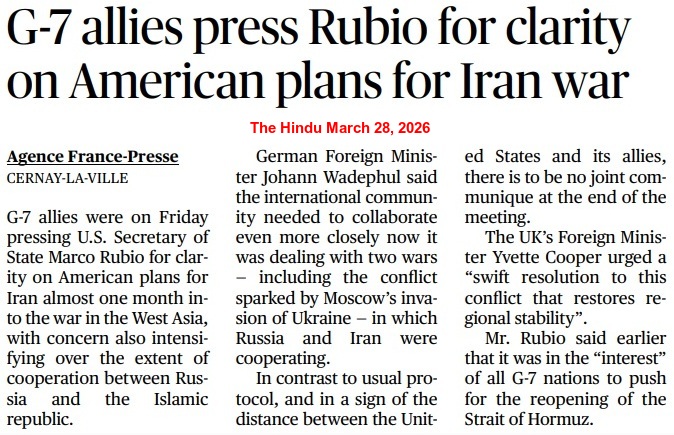
Pakistan has emerged as an unexpected mediator, offering to help bring Washington DC and Tehran to the negotiating table. According to political analysts, Islamabad is hardly called on to act as an intermediary in high-stakes diplomacy. However, Pakistan has stepped into the role this time for various reasons. Moreover, it maintains relatively cordial ties with both Iran and the US. Also, Islamabad has a lot at stake in seeing the war resolved. Against this backdrop, Pakistan has expressed dissatisfaction over the Israeli attack near its Embassy in Tehran.
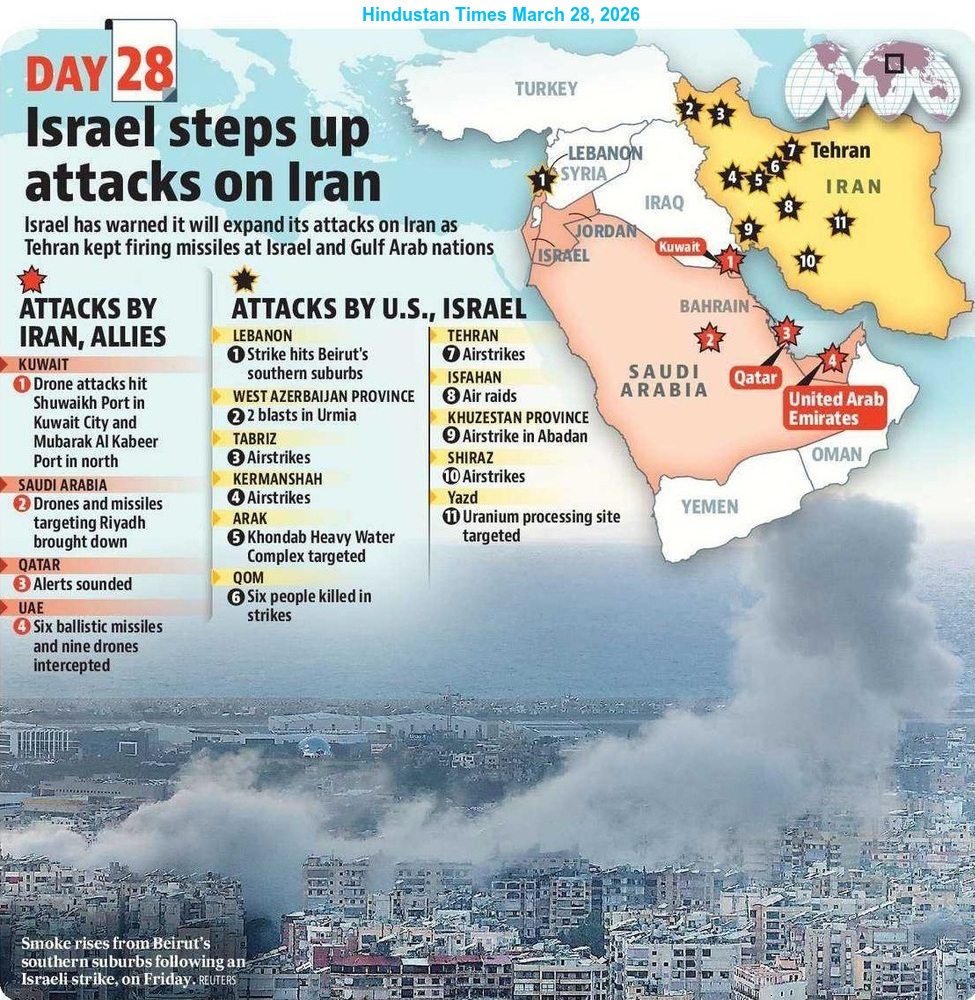
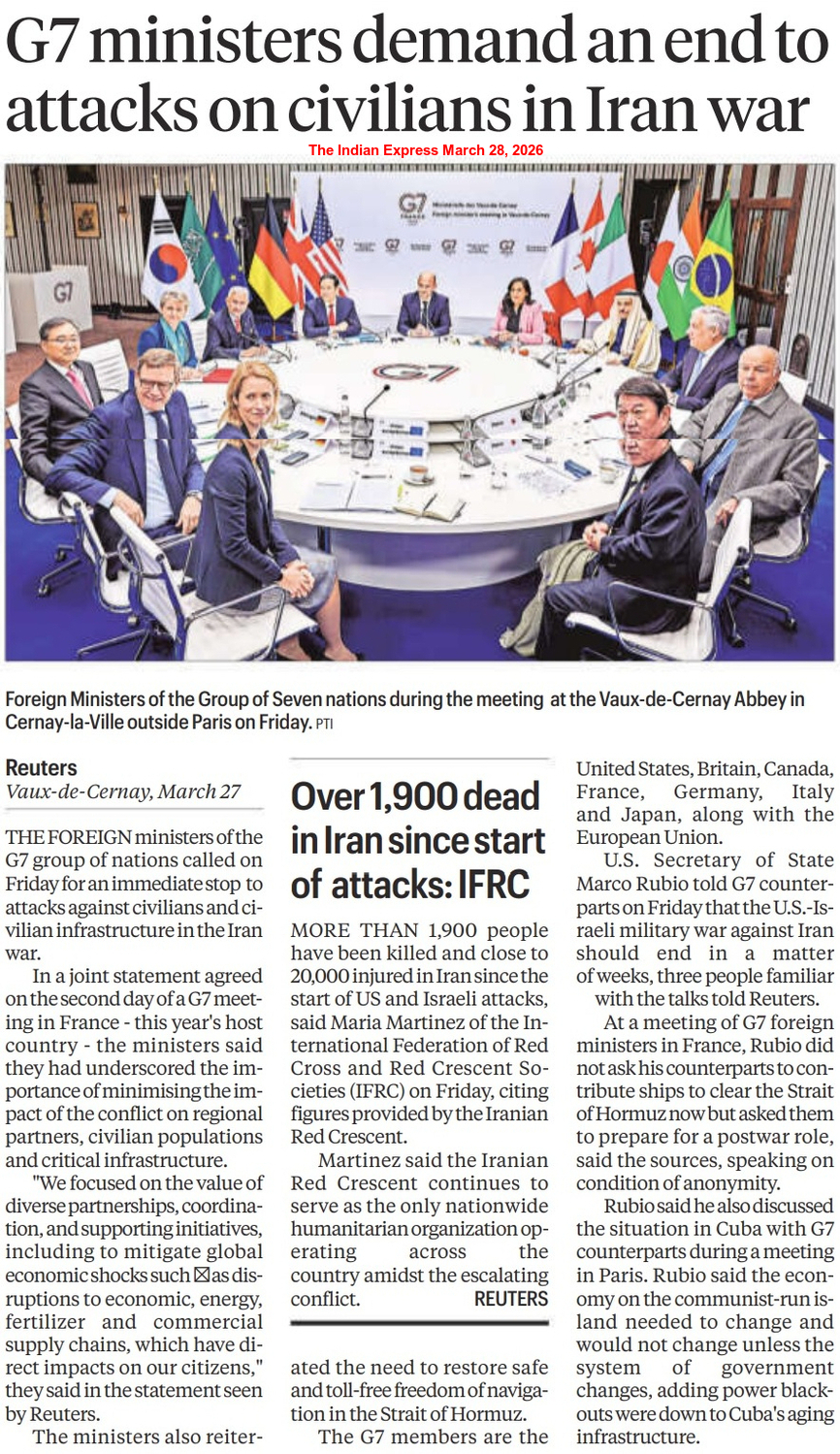
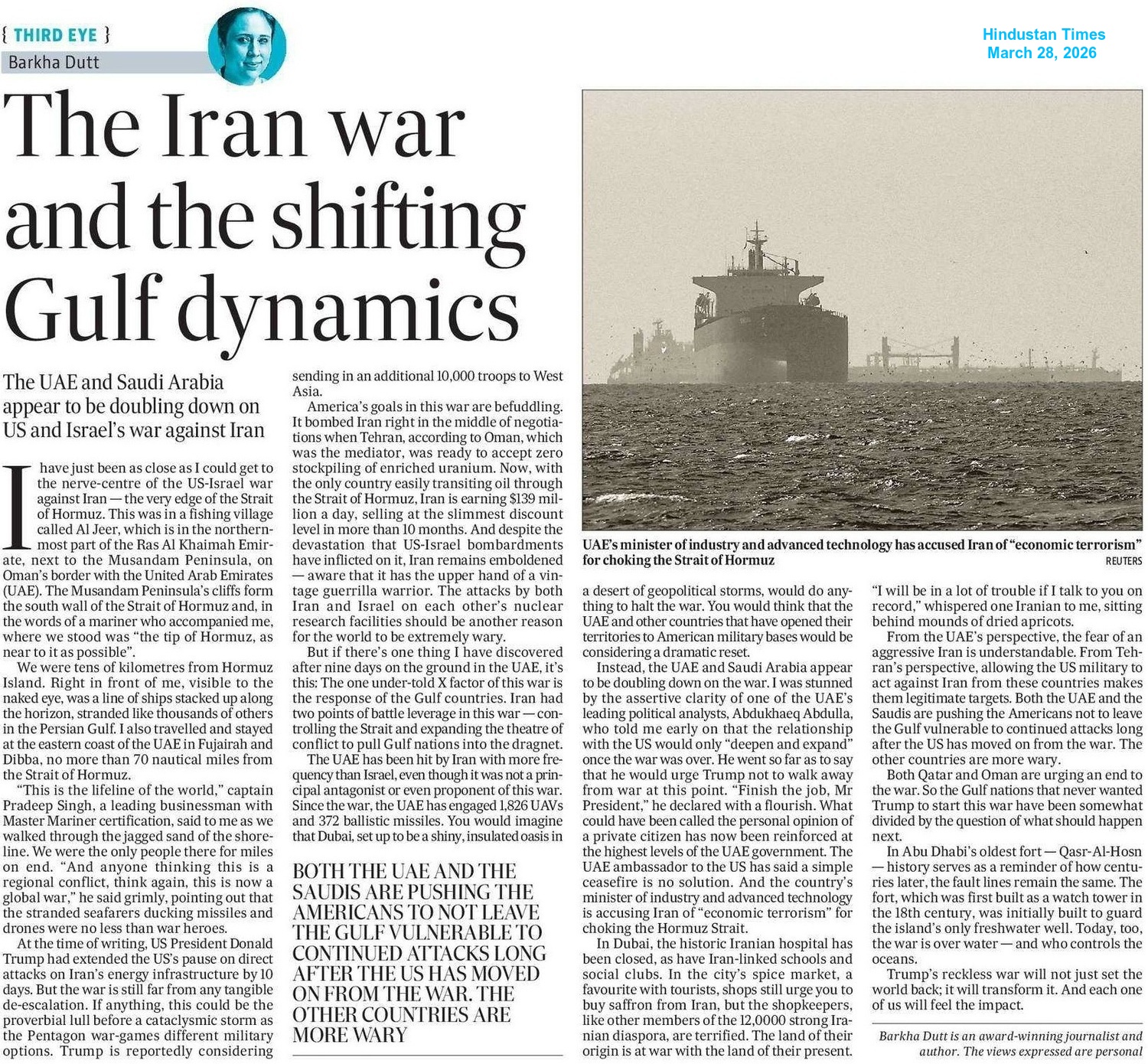
Amidst the commencement of the US-Israeli military operations against Iran on February 28, 2026, Tehran has launched missile and drone strikes, targeting Israel and Gulf Nations hosting US forces. The IRGC has also targeted numerous locations, including oil refineries, in Qatar. In this context, Pakistan issued a direct warning to Israel, stating: “Israel must remember, Pakistan is no Qatar.“
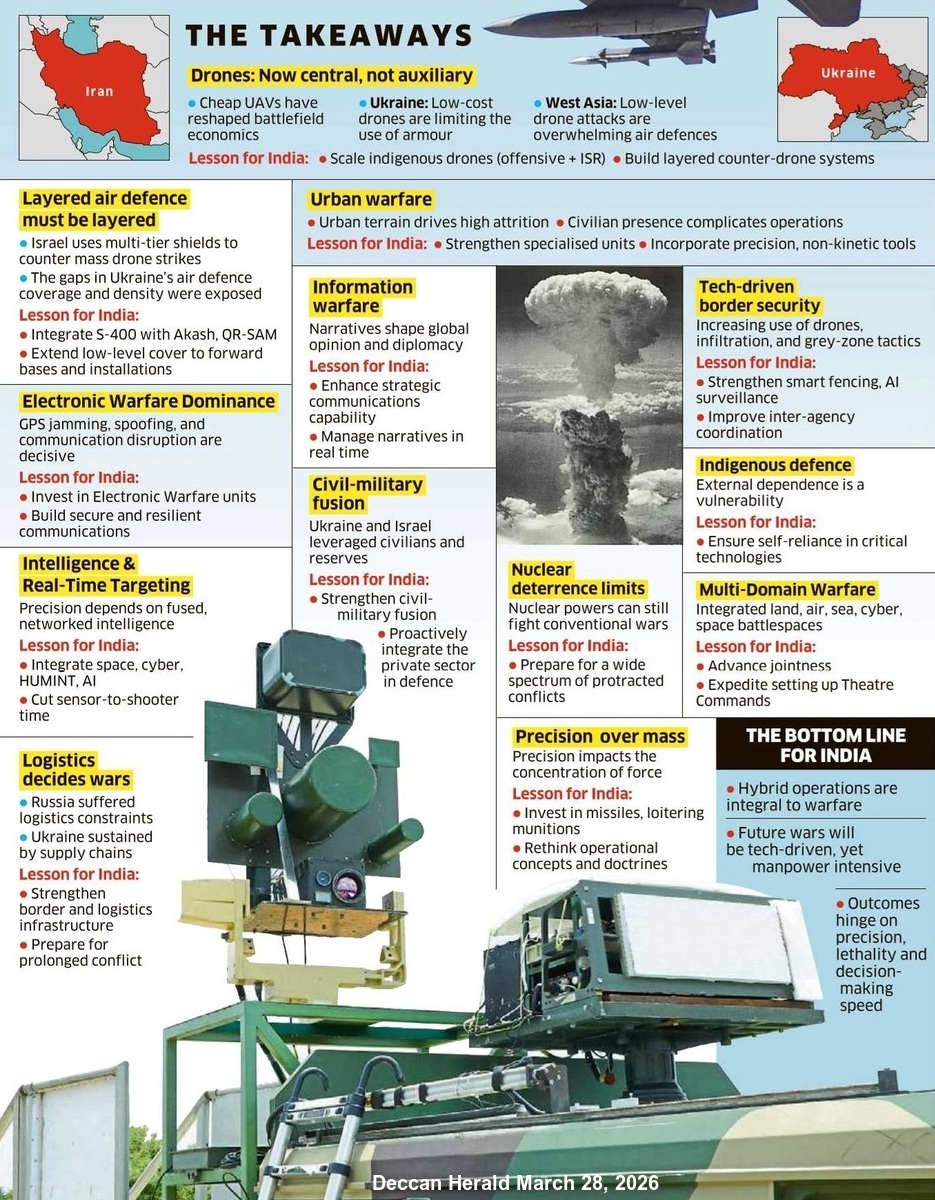
With this message, Pakistan has positioned itself as an active, outspoken player in Middle Eastern diplomacy, particularly regarding the Gaza conflict and tensions between Iran and the US, marking a distinct shift from its previous policies of silence or inaction.
Meanwhile,
Boundless Ocean of Politics on Facebook
Boundless Ocean of Politics on Twitter
Boundless Ocean of Politics on Linkedin
Contact us: kousdas@gmail.com
Share this:
- Share on X (Opens in new window) X
- Share on Facebook (Opens in new window) Facebook
- Email a link to a friend (Opens in new window) Email
- Share on LinkedIn (Opens in new window) LinkedIn
- Share on Reddit (Opens in new window) Reddit
- Share on Tumblr (Opens in new window) Tumblr
- Share on Pinterest (Opens in new window) Pinterest
- Share on Telegram (Opens in new window) Telegram
- Share on WhatsApp (Opens in new window) WhatsApp
Related

Published by Koushik Das
Koushik Das (born on May 16, 1976 in Kolkata) is a career journalist. Based in the Indian capital of New Delhi, Koushik writes mainly about foreign policies and current geopolitical issues, and rarely about other topics. His own political ideas are highly influenced by Antonio Gramsci, Louis Althusser, Michel Foucault, Michael Oakeshott and others. English philosopher and political theorist Oakeshott (Dec 11, 1901-Dec 19, 1990) says that “in political activity, men sail a boundless and bottomless sea. There is neither harbour for shelter nor floor for anchorage, neither starting-place, nor appointed destination. But we have to keep afloat”. (Rationalism in Politics, 1962) As a student of Political Science, Koushik loves to share his views on issues, which have great impacts on his thought process (and also on India, South Asia and of course on the global community), with his readers through his website – Boundless Ocean of Politics. By doing so, he tries to keep himself afloat. You will find some of his articles in https://inserbia.info/today/ (https://inserbia.info/today/author/kou_das13_i/), as he has been trying to assess the global geopolitics since 2003. You can also mail him at kousdas@gmail.com View all posts by Koushik Das
Archives
Authors
 ISMC
ISMCSupport Journalism
As you visit this website, we have a small favour to ask. Independent journalism that speaks truth to power and is free of corporate and political control is possible only when people contribute towards the same. Please consider donating in support of this endeavour to fight misinformation and disinformation. Your support helps protect the Boundless Ocean of Politics’ independence and it means we can keep delivering quality journalism that’s open for everyone around the world. Every contribution, however big or small, is so valuable for our future.
Donate with Paypal: kousdas@gmail.com
 Boundless Ocean Of Politics