

Russia: Israel Suffers Massive Strategic Losses
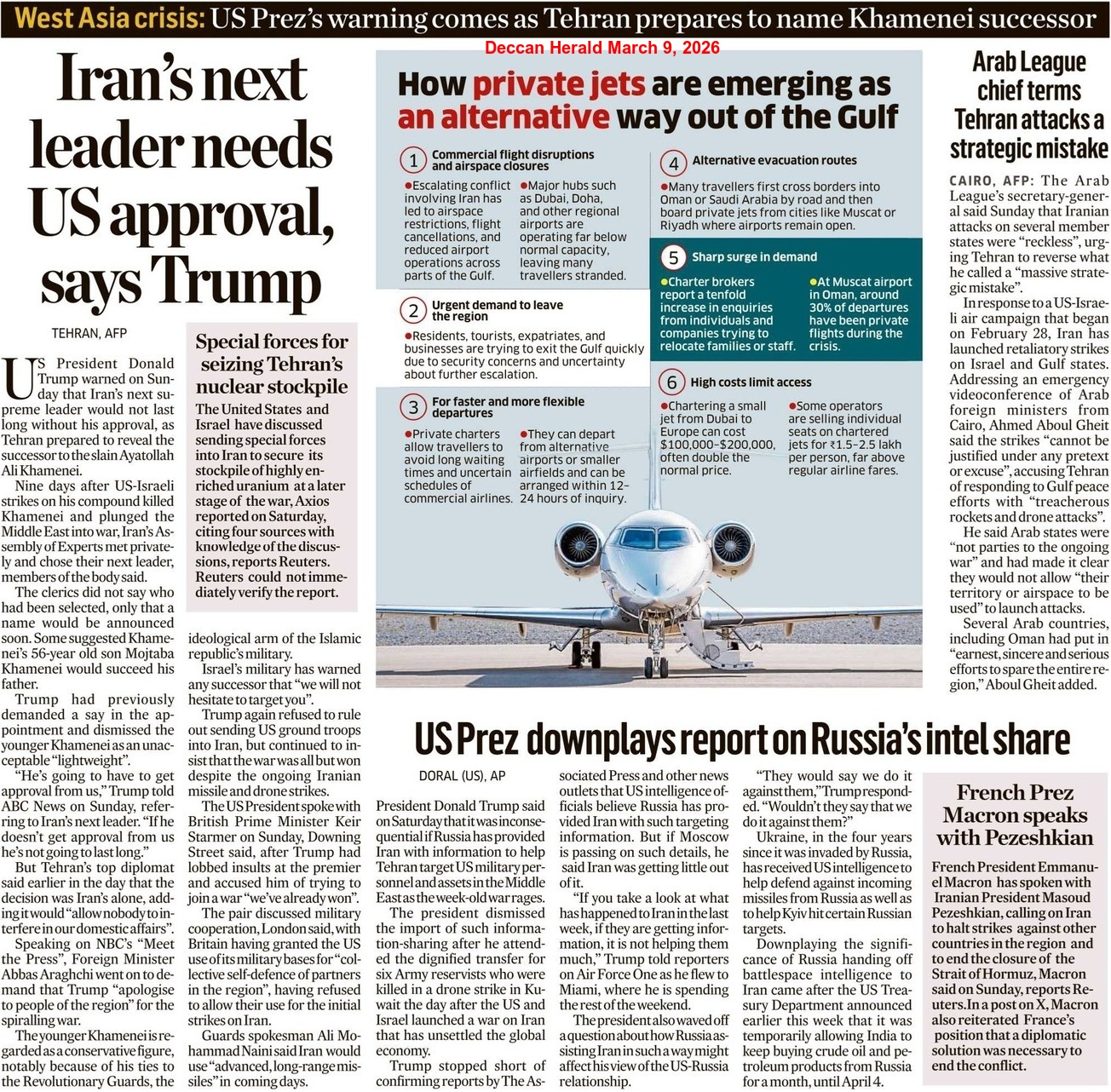
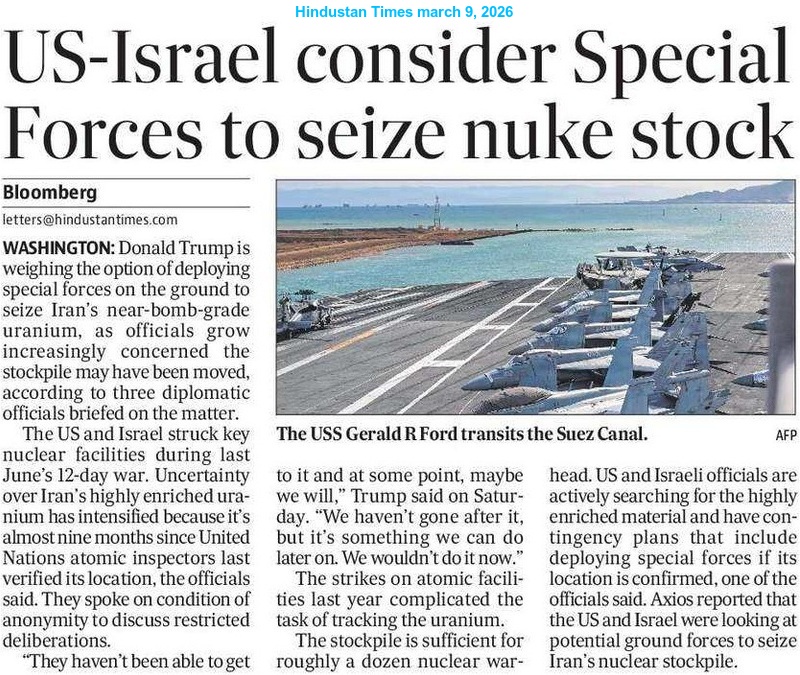
Russian intelligence sources have released a startling report, claiming that Israel has suffered massive personnel and strategic losses following the first 72 hours of Iranian retaliatory strikes. According to the SVR findings, the casualties include high-ranking officials and specialised personnel, including 11 nuclear scientists and six generals of the Israel Defence Forces (IDF).
The report has specifically highlighted a critical security breach at the Dimona nuclear facility, suggesting that Israel has lost operational access or control over the site during the height of the bombardment. This would mark one of the most significant strategic blows to Israeli National Security in decades, targeting the core of its defensive and scientific infrastructure.
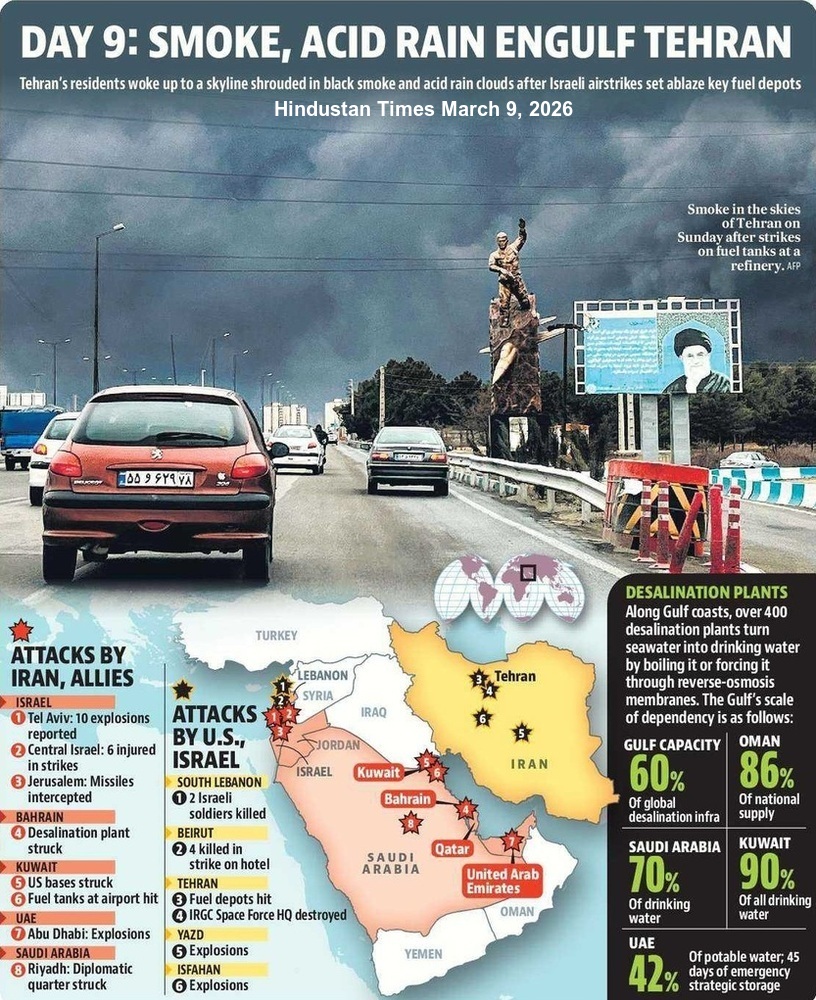
Beyond high-level leadership, the data suggests a heavy toll on the Israeli military’s operational capacity, with reports of 198 Air Force officers and 462 soldiers killed in action. Additionally, the Mossad has allegedly lost 32 agents, indicating that the Iranian retaliation successfully targeted sensitive intelligence nodes and personnel.
While Israeli officials have not yet confirmed the scale of these specific figures, the report from Moscow underscores the high intensity of the ongoing conflict’s retaliation phase. The coordination required for such precise strikes on scientists and generals suggests that the Islamic Republic utilised advanced intelligence – potentially aided by outside powers – to bypass traditional air defence umbrellas.
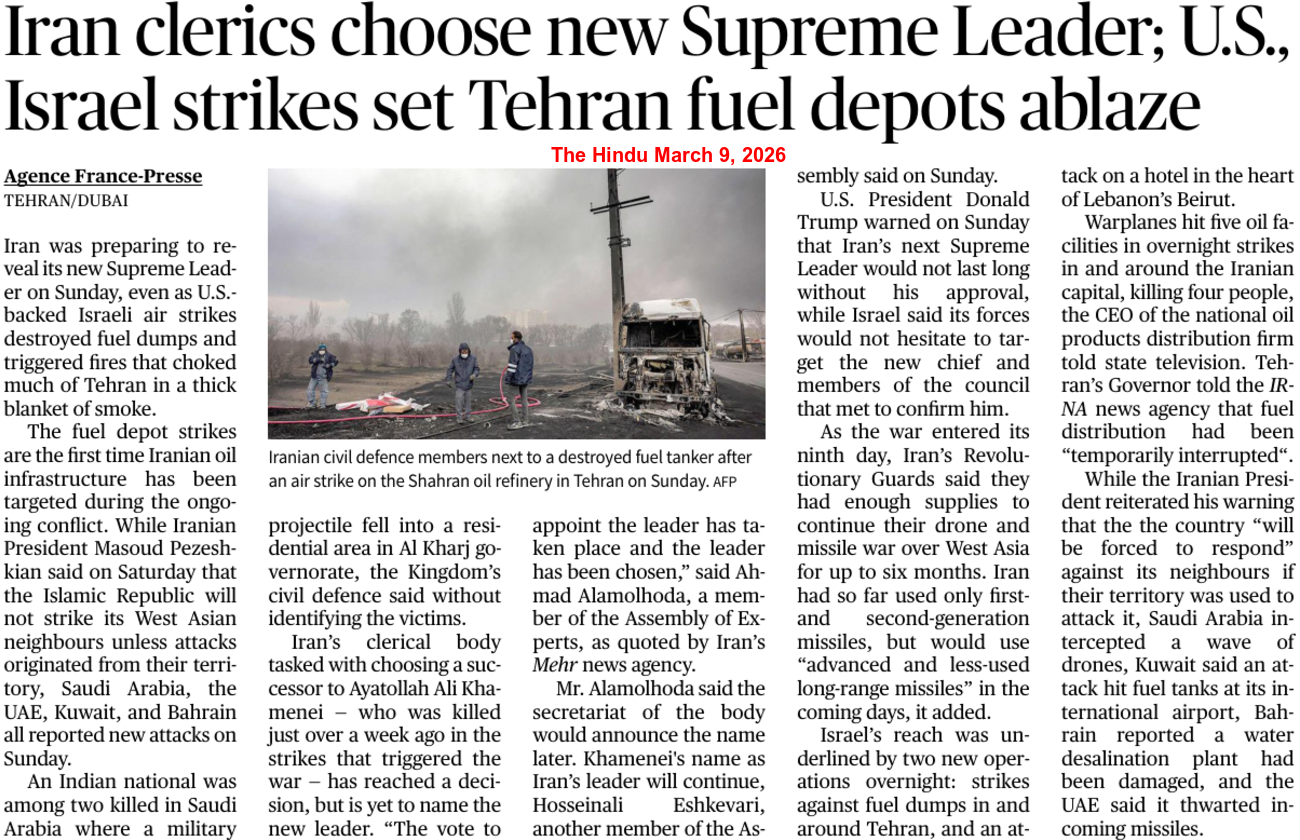
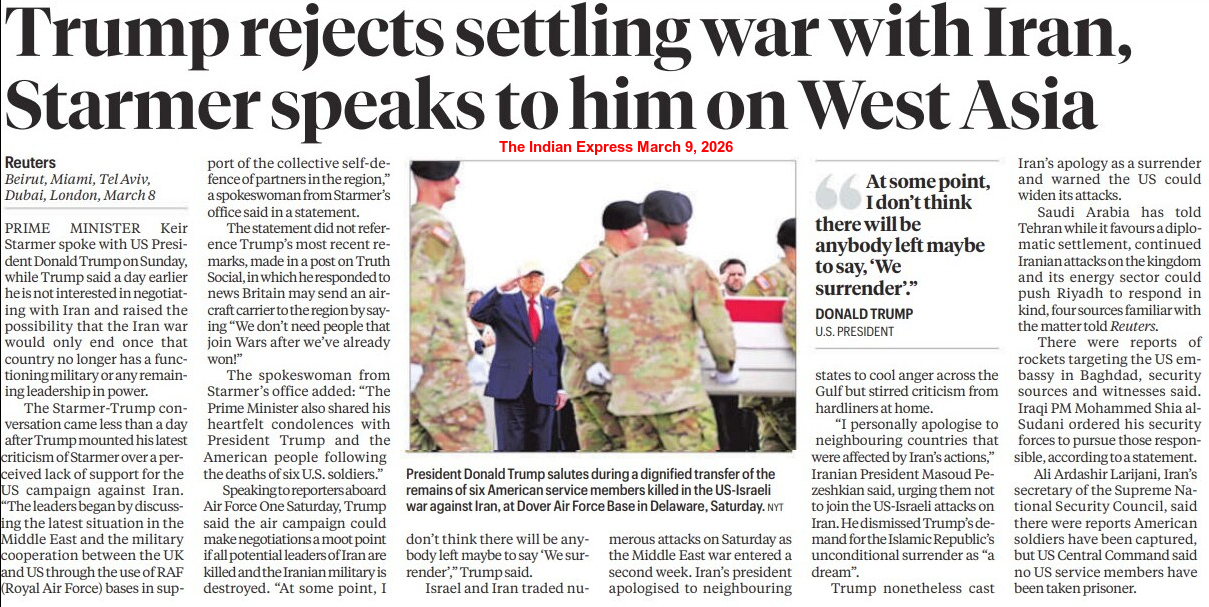
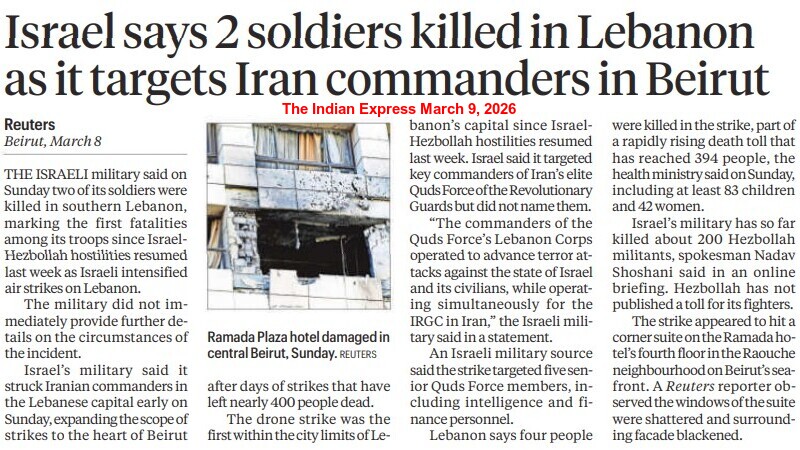
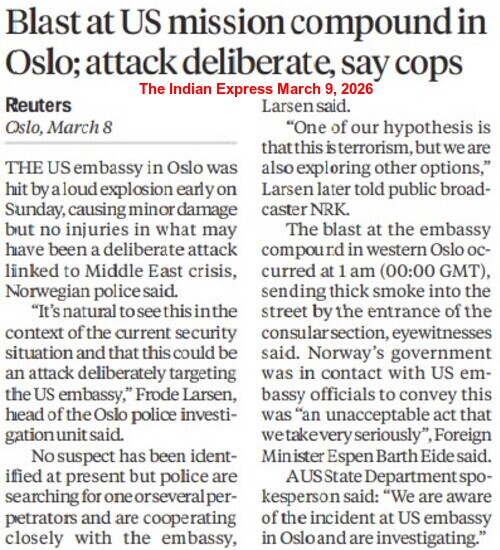
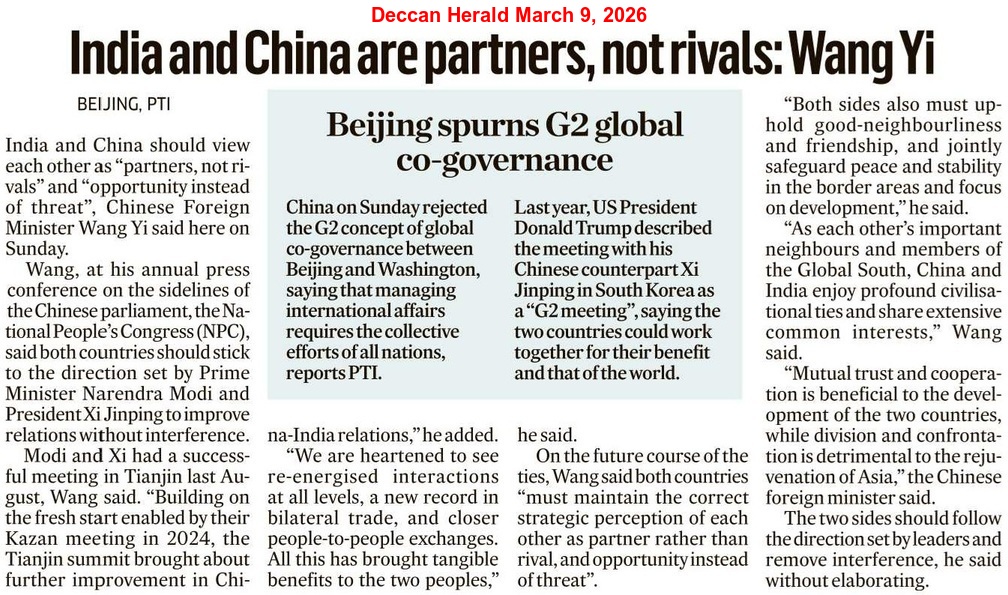
Meanwhile, Ali Larijani, the Secretary of Iran’s National Security Council, warned on March 8, 2026 that the US would pay a heavy price for the assassination of Iranian officials, while also cautioning Europe against joining the conflict.
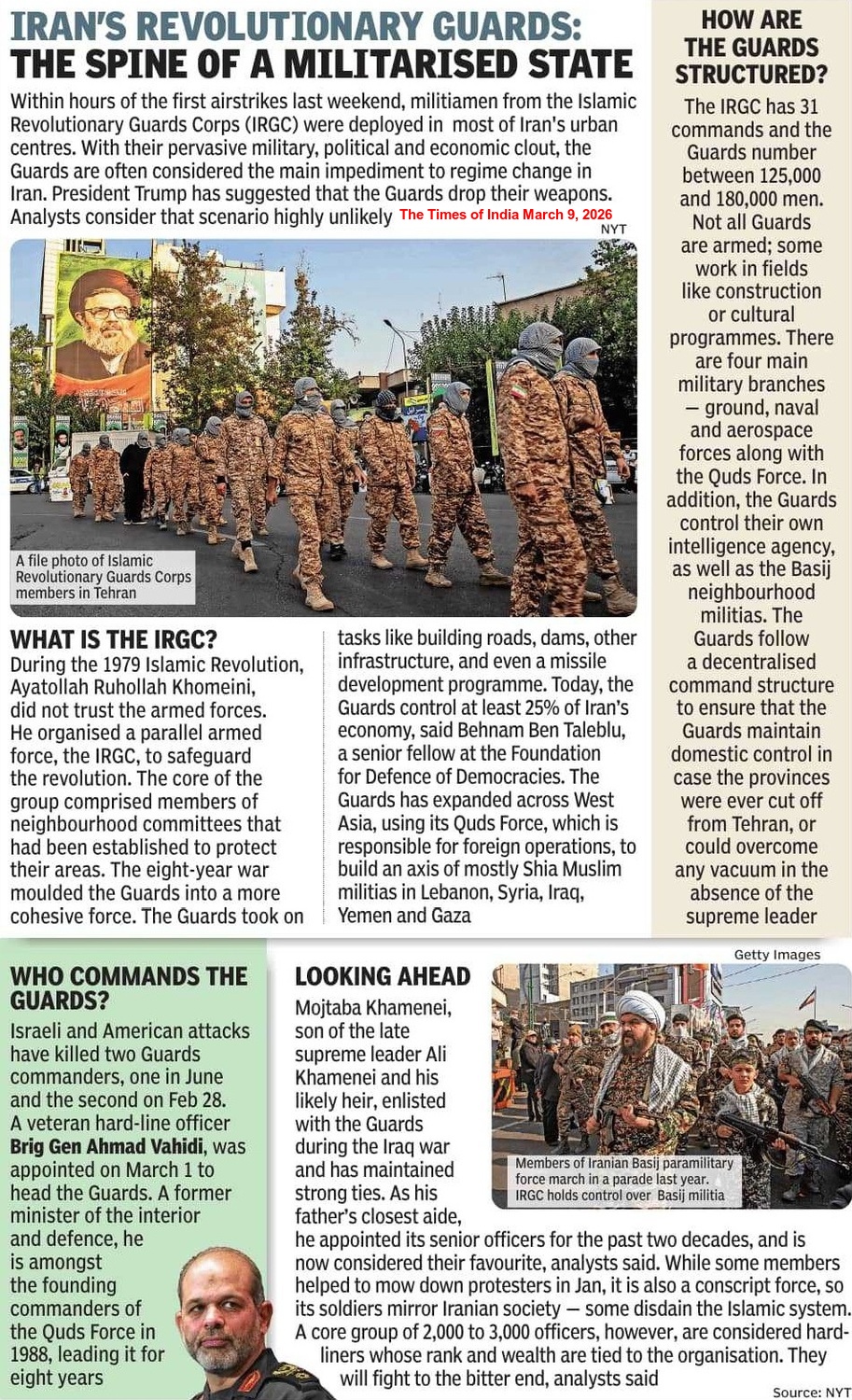
Larijani attacked US President Donald John Trump, stressing that he had been misled by Israel. He argued that Washington DC’s standing in the region had been badly damaged.
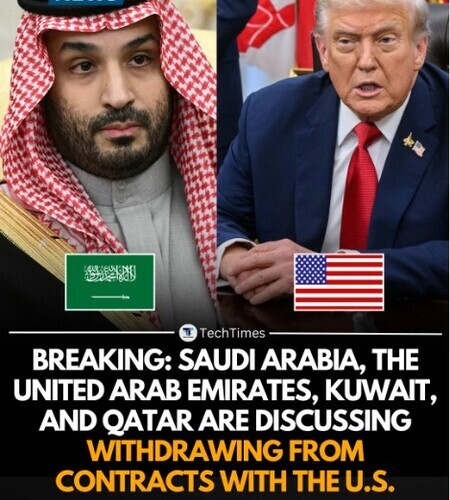
Arab Nations May Withdraw From Contracts With US
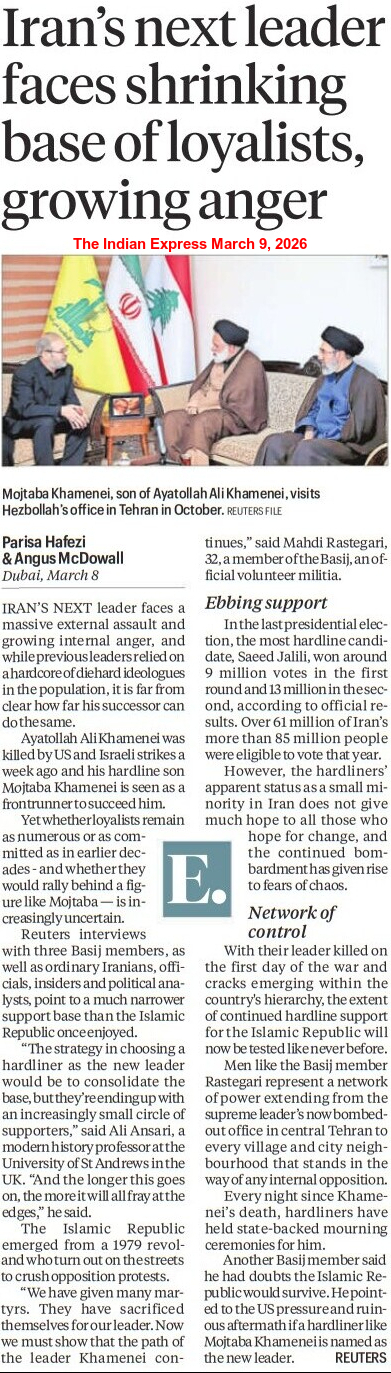
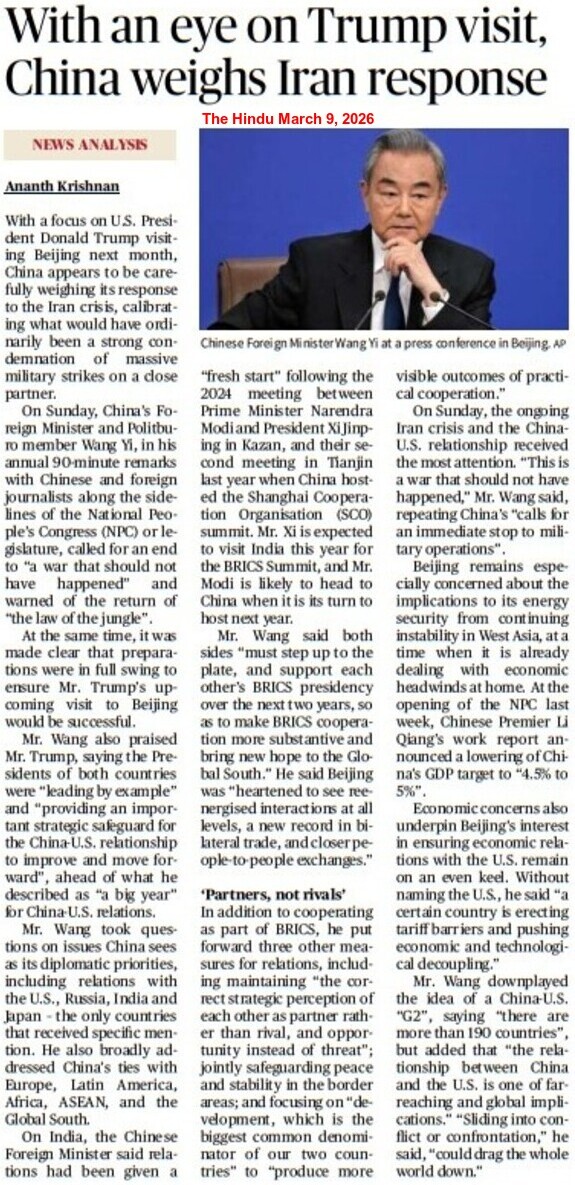
Major Gulf nations, including Saudi Arabia, the UAE, Kuwait and Qatar, are reportedly engaged in high-level discussions regarding the potential withdrawal from existing contracts with the US. The development follows a period of intense regional instability and marks a significant shift in the longstanding economic, as well as security, partnerships between Washington DC and its key Middle Eastern allies.
The discussions are centred on a wide range of agreements, including defence procurement, energy partnerships and infrastructure development. Analysts suggest that these nations are seeking greater strategic autonomy and a diversification of their global partnerships in response to changing geopolitical dynamics.
The move comes as several Gulf States express growing concern over the impact of current regional policies of the US on their own national security and economic interests. A collective withdrawal from these contracts would represent one of the most substantial ruptures in US-Gulf relations in recent decades.
Historically, these contracts have been the bedrock of US influence in the region, providing a framework for military cooperation and massive trade flows. If these discussions lead to formal terminations, it could open the door for increased competition from other global powers seeking to fill the strategic vacuum.
The international business community is monitoring the talks closely, as any major shift could disrupt global supply chains and significantly alter the landscape of international finance and defence. For now, the focus remains on whether diplomatic channels can address the underlying grievances and prevent a total reset of these historic alliances.
Collected from Tech Times Official & Global South World.
Meanwhile,
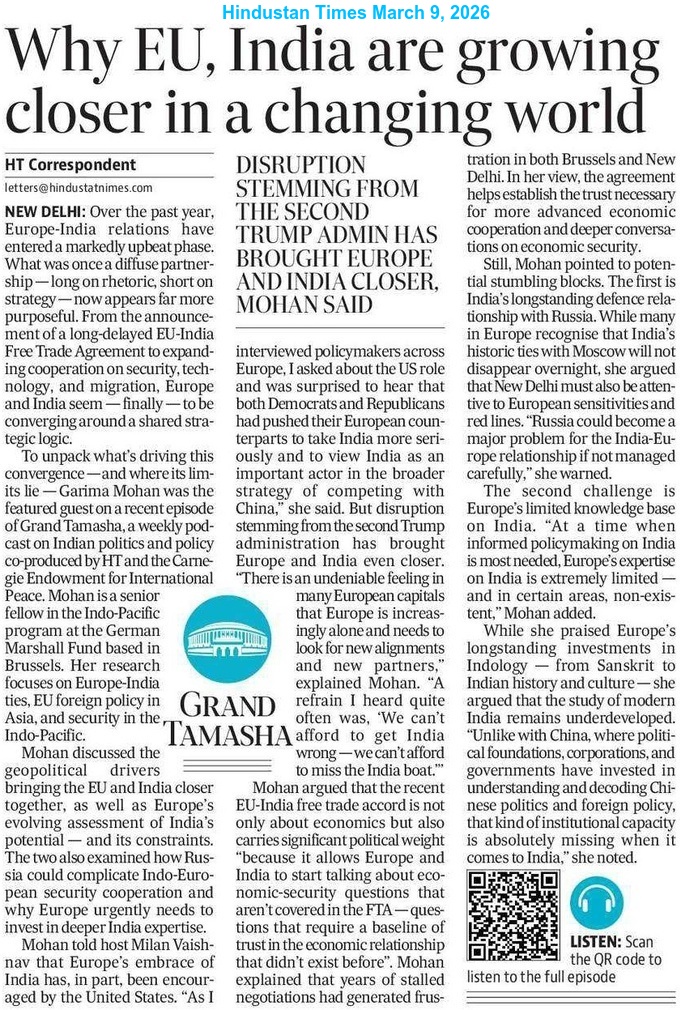
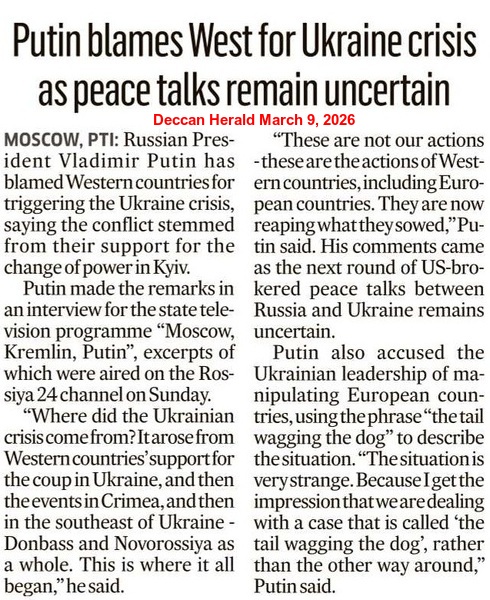
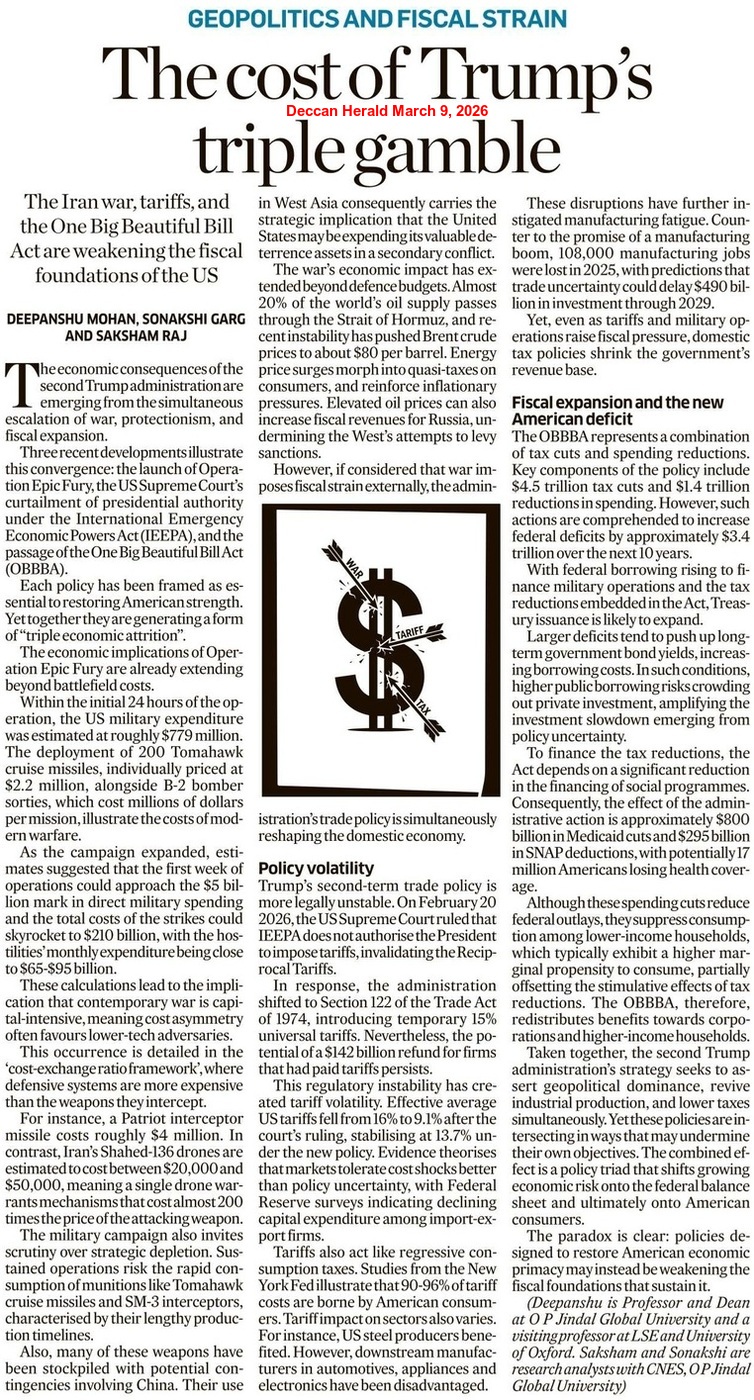
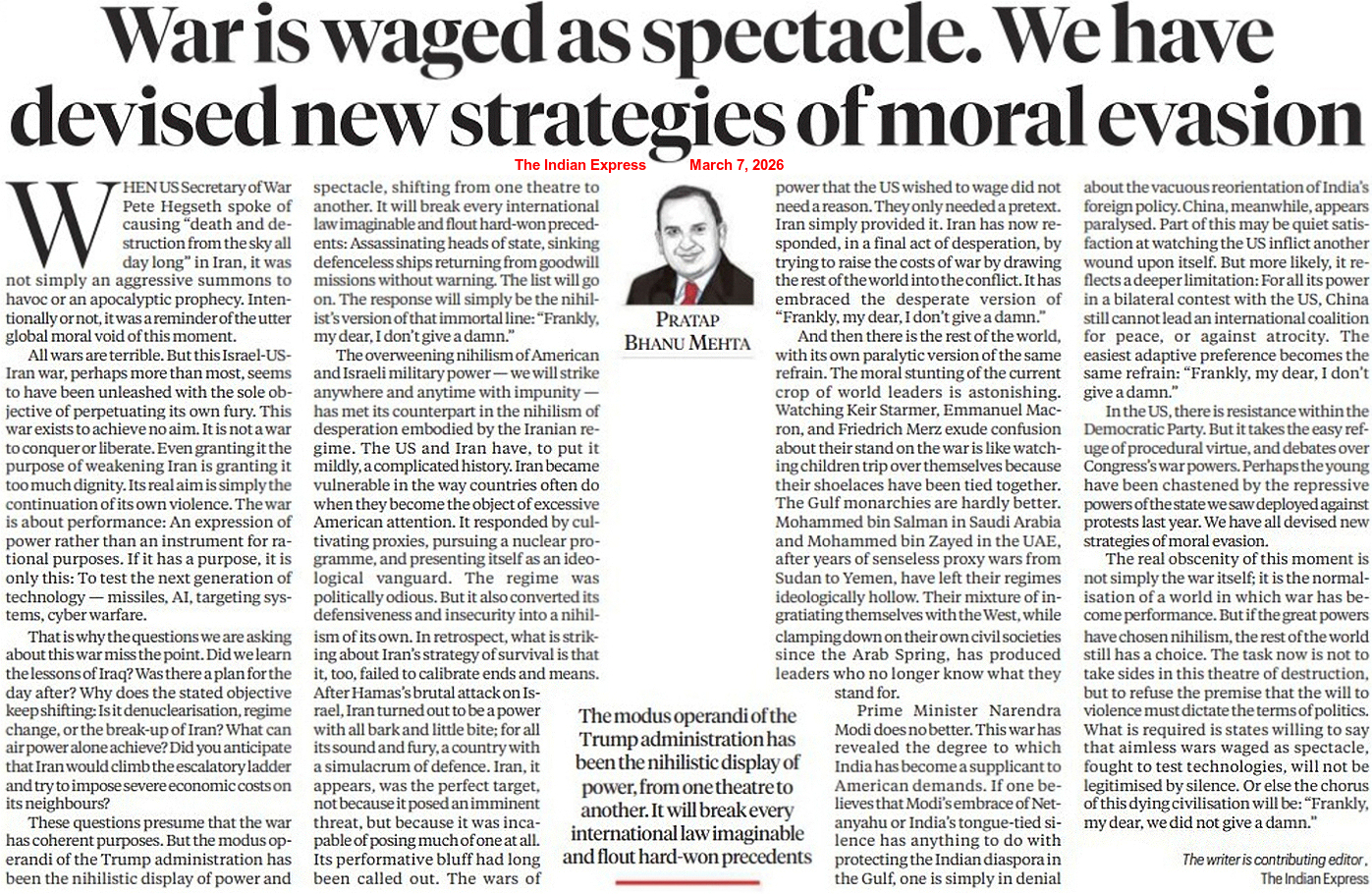
Boundless Ocean of Politics on Facebook
Boundless Ocean of Politics on Twitter
Boundless Ocean of Politics on Linkedin
Contact us: kousdas@gmail.com

 ISMC
ISMC Boundless Ocean Of Politics