

Mojtaba Khamenei Alive, Selected Supreme Leader
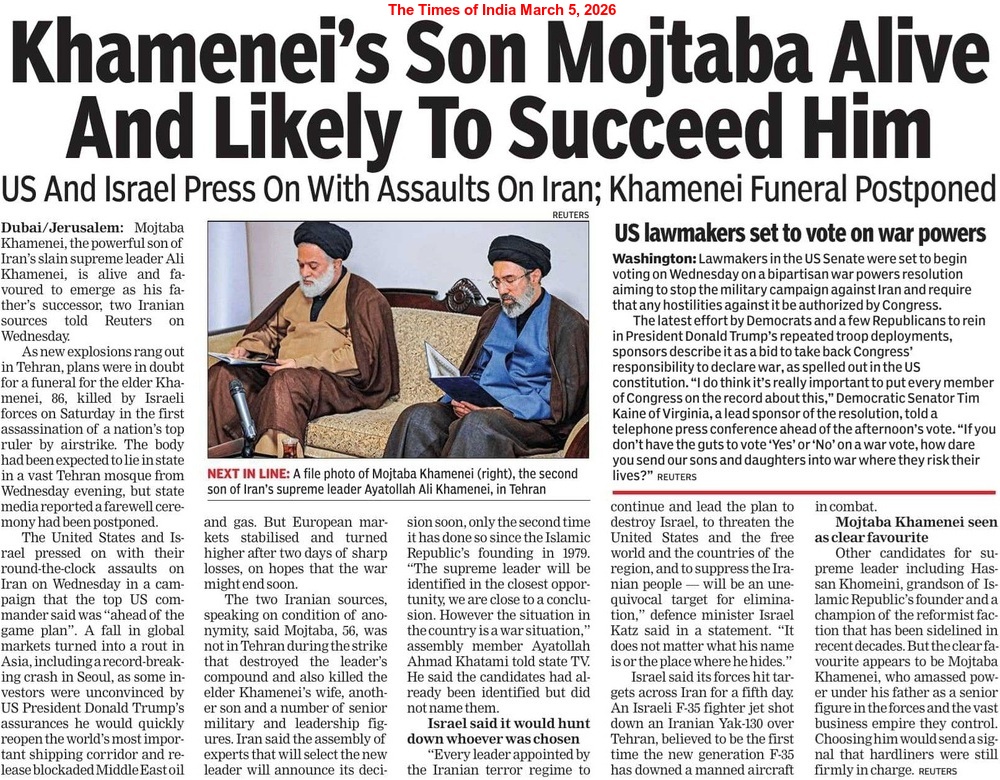
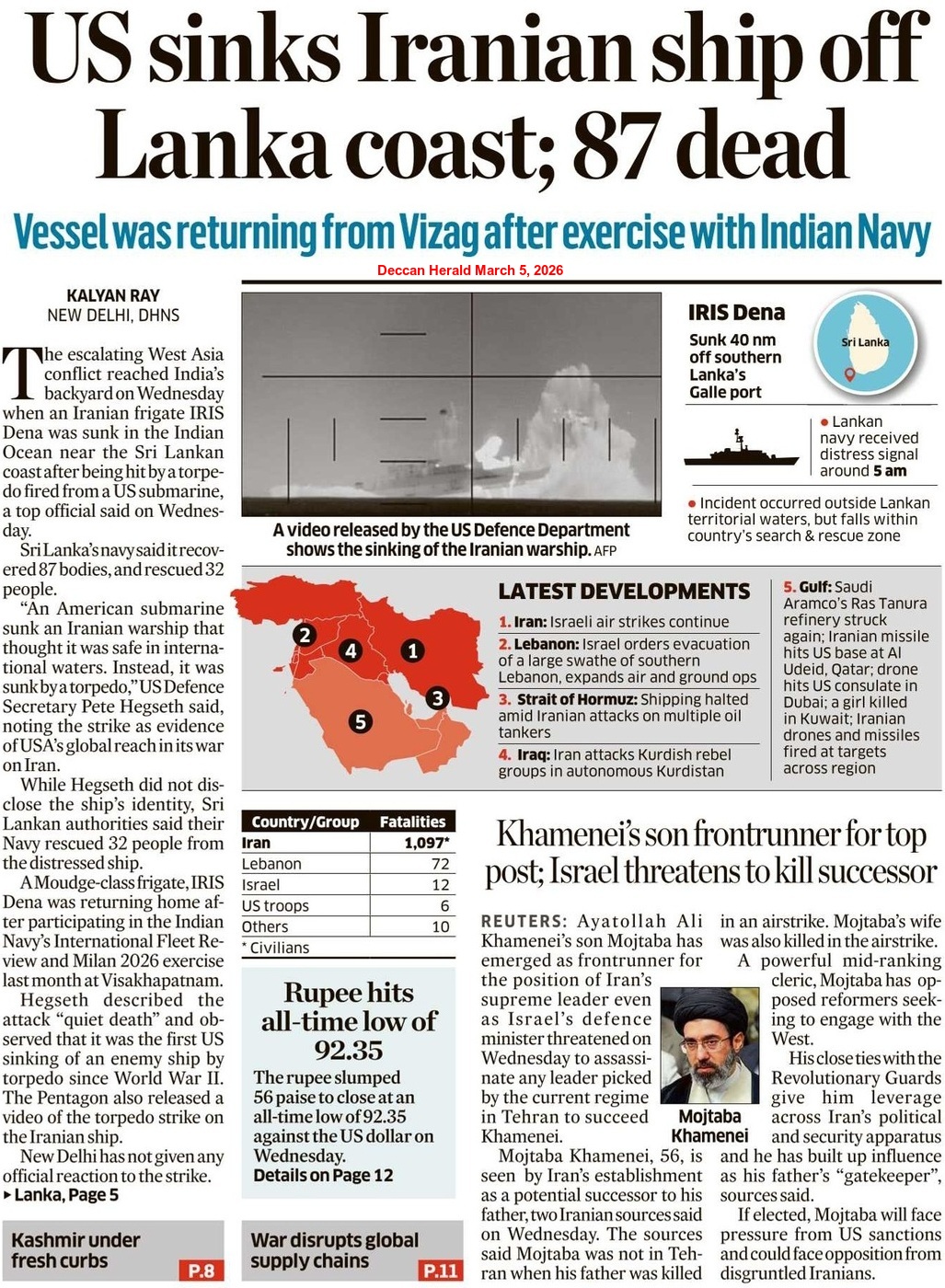
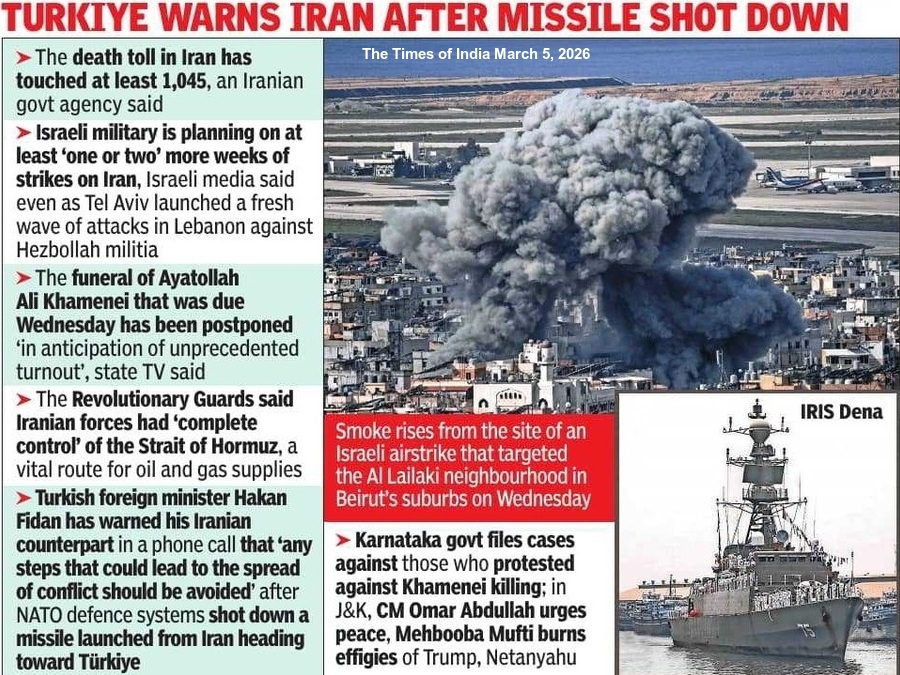
The 12-member Assembly of Experts of Iran selected Mojtaba Hosseini Khamenei (born September 8, 1969), the second son of Ayatollah Ali Hosseini Khamenei, as the next Supreme Leader on March 4, 2026. Although there has been no official announcement by Tehran in this regard, Iran International has confirmed the news.
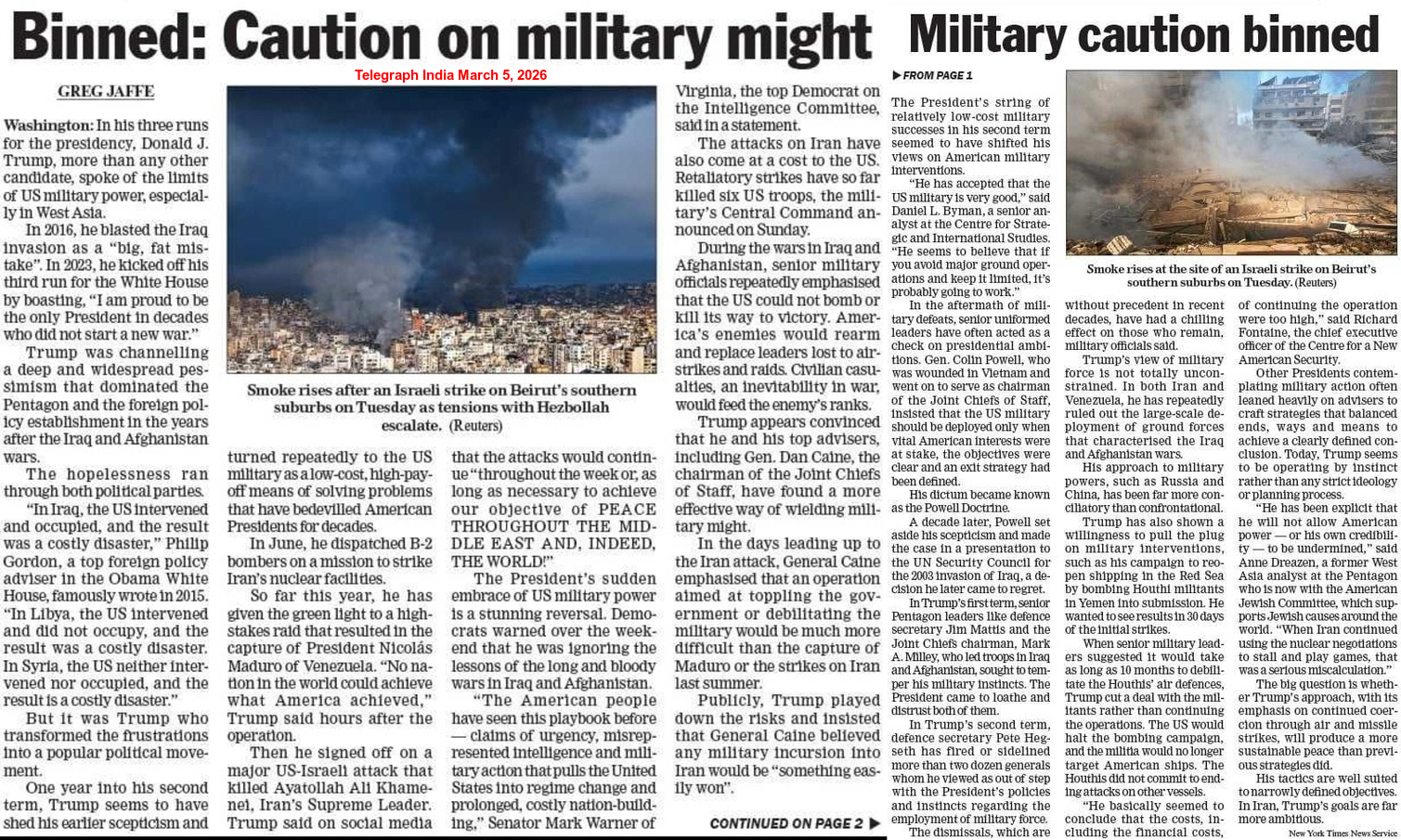
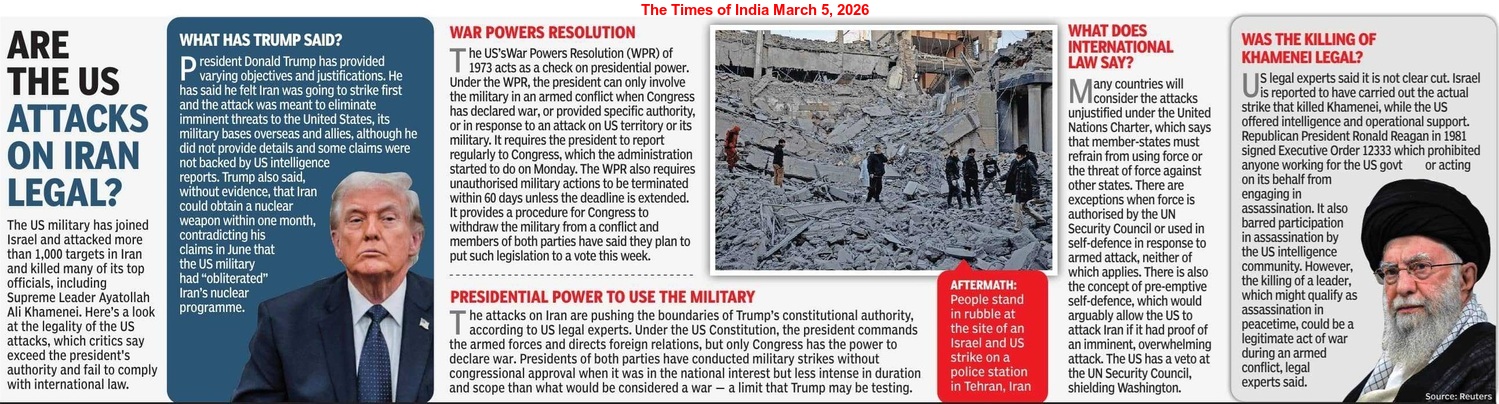
Immediately after the demise of Ayatollah Ali Khamenei on February 28, 2026 in US-Israeli airstrikes, the Islamic Republic invoked Article 111 of its Constitution, creating a temporary three-member Leadership Council to oversee the duties of the Supreme Leader. Tehran announced that the interim body, consisting of Ayatollah Alireza Arafi, President Masoud Pezeshkian and Chief Justice Gholamhossein Mohseni Ejei, would govern until a permanent successor was appointed. On March 4, the Assembly of Experts selected Mojtaba Khamenei as the new Ayatollah.
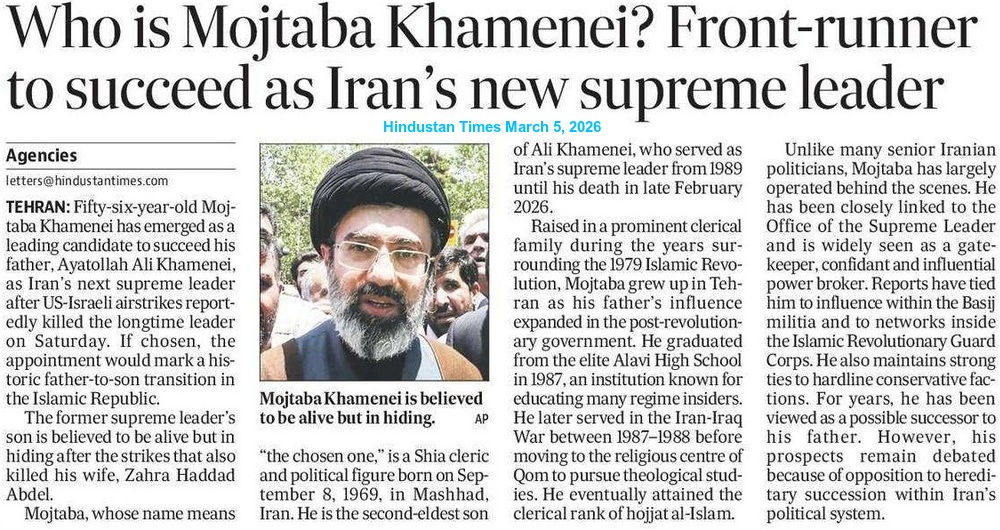
It may be noted that Mojtaba (56) has long been in charge (unofficially) of the Islamic Revolutionary Guard Corps (IRGC). He is said to have had a major hand in running his late father’s office and in maintaining close ties with the top echelon of the IRGC and the Quds Force. Mojtaba also holds top positions in various Shia organisations. Iran International has quoted a source, stressing that although the Islamic Republic has long opposed dynastic rule, the Assembly of Experts has agreed to hand over the power to Mojtaba under pressure from the IRGC.
The Supreme Leader is at the centre of Iran’s complex power-sharing system. He, alone, has the right to make final decisions on all matters of the country.
Not Just A Security Lapse
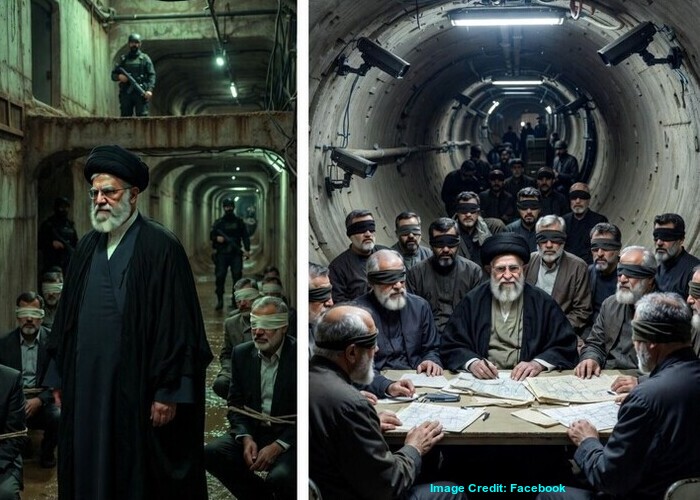
By Kirimi Kirema: Since the elimination of Ayatollah Khemenei, Iranian Security Guards have been on high alert. Reports suggest that access to the Supreme Leader was restricted even before his death. Any top-ranking officials seeking an audience with the Ayatollah were blindfolded before meeting the Supreme Leader in his bunker. It was not just a ceremony or symbolism, but an instruction. Among them, according to multiple local media reports, was Ali Larijani.
The reason was simple and severe: No one should know the route, no one should recognise the turns, no one, however loyal, should carry the coordinates in memory. Khamenei had left the bunker only after the 12-day confrontation with Israel in June 2025. He was not in the deepest fortified bunkers that analysts long believed could withstand even US bunker-busting munitions. Instead, he moved to a hardened network of tunnels and reinforced compounds in central Tehran. However, the access narrowed, conversations shortened, layers multiplied and fear was managed as logistics. But logistics leave traces.
During the June 2025 conflict, US intelligence agencies closely studied how Iran’s leadership communicated under pressure, when did secure lines go silent, who moved when messages stalled and which aides became indispensable in the crisis.
Months later, those fragments formed patterns. On June 17, 2025, the then-President, Donald John Trump, wrote publicly that he knew where Khamenei was hiding. He described the Supreme Leader as an easy target, stating that the US had chosen not to strike. Days later, he suggested that he had spared him from humiliation.
The statements were blunt and Tehran did not dismiss them lightly. Instead, security had been tightened further and movements became rarer. Even long-trusted figures were kept in partial darkness. And yet, intelligence work rarely depends on a single disclosure. It depends on accumulation.
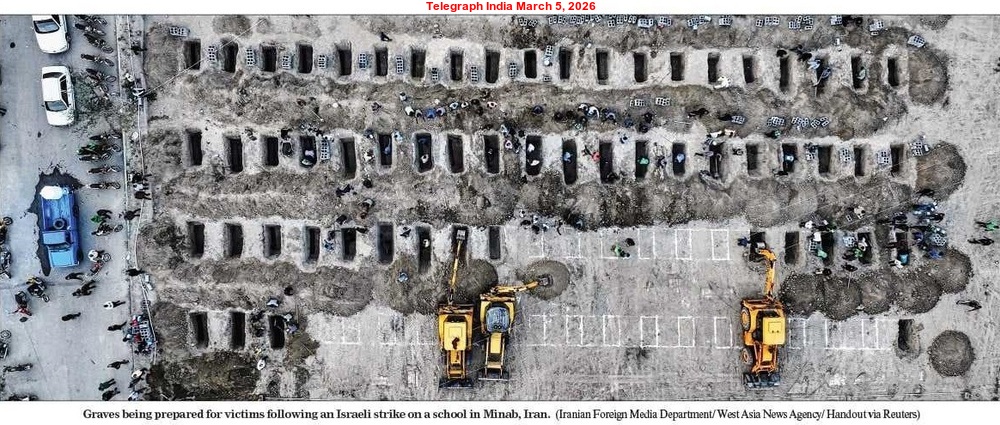
On February 28, 2026 morning, Western officials determined that Khamenei would attend a high-level meeting of senior political and military figures at a secure compound in Tehran. The assessment, according to those familiar with it, was precise. The original operational window was night. It shifted to morning as the Western officials came to know that more of the leadership would be gathered. In the end, the blindfolds did not prevent surveillance, the tunnels did not erase patterns and the warnings did not disrupt observation.
Iran’s security apparatus had attempted to remove sight from its own officials. However, modern intelligence does not rely on eyesight alone. It studies behaviour, repetition and stress. There is a Persian proverb that says: “The wall has mice, and the mice have ears.” In this case, the walls were thick and the ears were far away. One can obscure a road, reroute a convoy and blindfold a minister, but cannot easily escape a system that has already learned the rhythm. (Collected from the Facebook page of Kirimi Kirema. Kirema is a teacher, blogger and writer from Nairobi).
Meanwhile,
Boundless Ocean of Politics on Facebook
Boundless Ocean of Politics on Twitter
Boundless Ocean of Politics on Linkedin
Contact us: kousdas@gmail.com

 ISMC
ISMC Boundless Ocean Of Politics