

St Augustine & The Rejection Of ‘Just War’
In his first Encyclical, Pope Leo XIV rejected the concept of Just War in unmistakable terms, mentioning: “Today more than ever, without prejudice to the right to self-defence in the strictest sense, it is important to reaffirm that the Just War Theory, which has all too often been used to justify any kind of war, is now outdated.” (Magnifica Humanitas, 192). In an article published in both L’Osservatore Romano and in Vatican News on October 6, 2026, Professor Luigi Franco Pizzolato adds weight to the Pope’s campaign, demonstrating that the Doctrine of Just War is wrongly attributed to Saint Augustine.
Pizzolato, the Professor Emeritus of Ancient Christian Literature at the Catholic University in Milan, is among the top experts of this beloved Church Father (354-430). The publication of his article in L’Osservatore Romano, the official daily of the Vatican, means that his views are shared by the highest Vatican authorities, possibly the Pope himself.
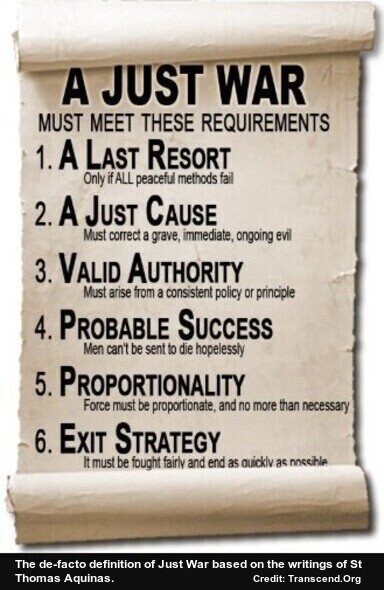
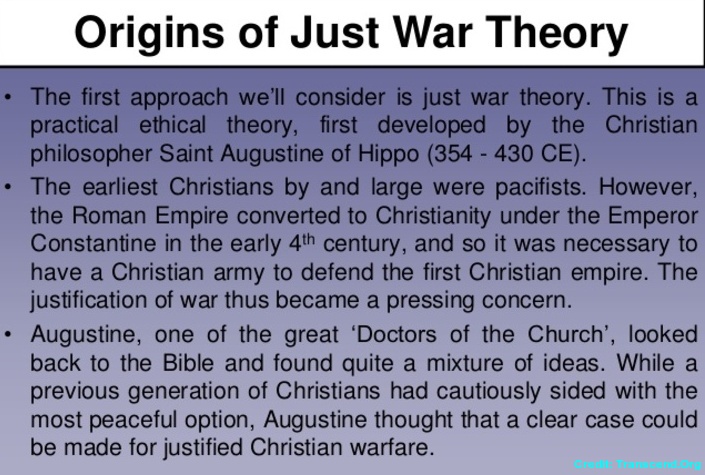
Under the headline, St Augustine’s Reservations About Just War, Professor Pizzolato demonstrates that, in reality, Augustine was against war even when it might seem justified. The strongest evidence of that is his exposure of the Roman Empire tactics of creating alleged military threats to justify Just Wars of aggression.
“Augustine observes that throughout the history of the world, in a humanity marked by sin, just war is a condition that, strictly speaking, does not exist,” Pizzolato writes, “because in the real world even a just war is both an effect and a cause of sin and serves, at best, to disguise it. For more than a thousand years, the Roman State expanded its dominion precisely by invoking the principle of ‘Just War’. Taking as a pre-text acts of injustice – real or alleged – that arose in different parts of the world, Rome intervened militarily, ostensibly to redress them but in reality to expand its empire and impose its own order: ‘The injustice of those against whom just wars have been waged has contributed to the increase in the power of those who waged them […] Injustice played a major part in increasing their power and created the unjust, so that there would be people against whom just wars could be waged and power increased’.” (The City of God, IV, 15)
The analogy with current events is striking.
In another section of The City of God (XV, 5), Augustine wrote that a state “will never be able to exercise lasting dominion over those whom it has succeeded in subjugating through military victories”. Further, Augustine argues that “the wise man is reluctant to wage Just Wars precisely because they are just, he feels obliged to fight them; yet in doing so, he violates his own role as a wise man. To remain true to his nature, he should not find any necessity for war, not even in the face of injustice.” (XIX, 7)
“It is for each reader to judge how deeply Augustine’s observations may penetrate the very logic of our own thinking. They accord with another, more luminous and more emphatic statement by Augustine, again from his later period and therefore, one might say, representing a concluding position: ‘It is more glorious to kill war with words than men with the sword, and to acquire and obtain peace through peace, not through war’.” (Letters, 229, 2)
“This is a hymn to the true mission of political wisdom. It challenges the idea that peace can ever be the fruit of war and calls instead for a dialogical and persuasive search for solutions to conflicts, before they degenerate into war; it also channels the pursuit of worldly glory, so characteristic of the politician, towards peace.”
This article was first published in Executive Intelligence Review (EIR) Strategic Alert weekly newsletter (Volume 40, No. 42) on October 15, 2026.
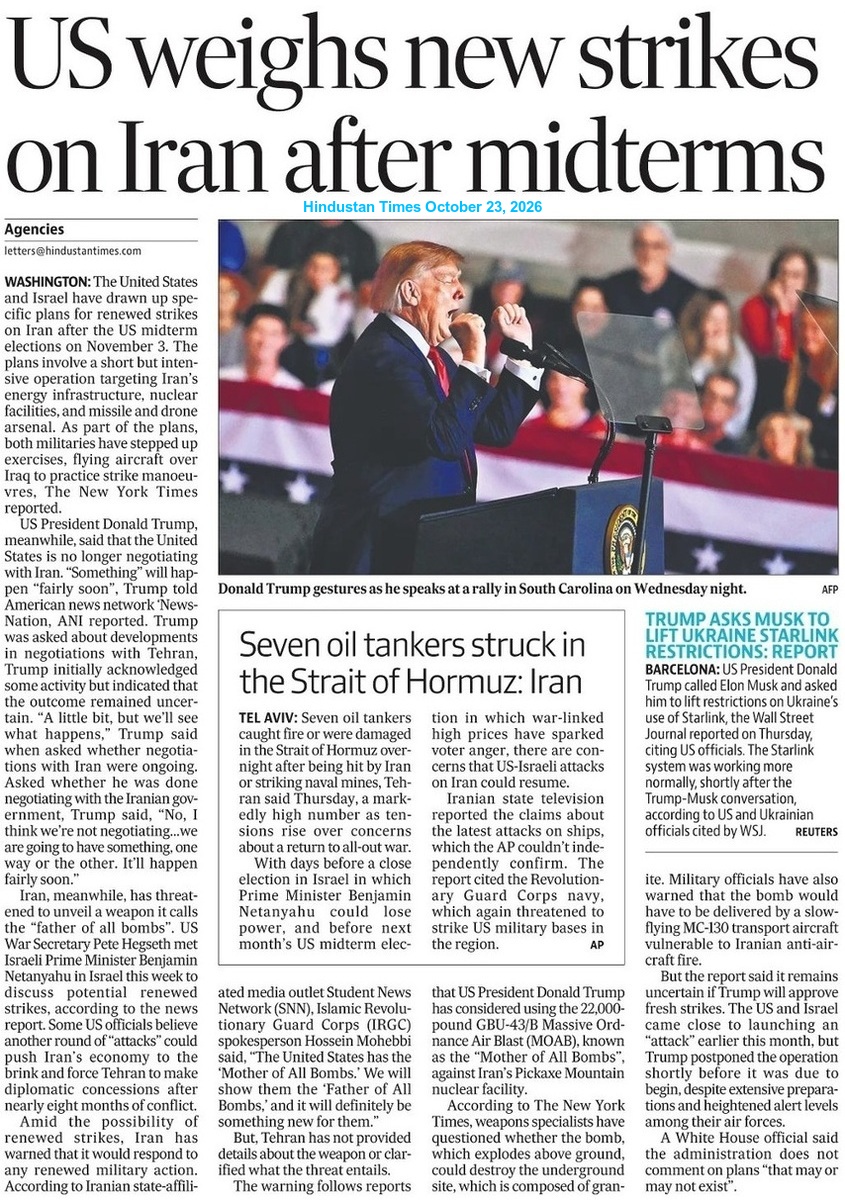
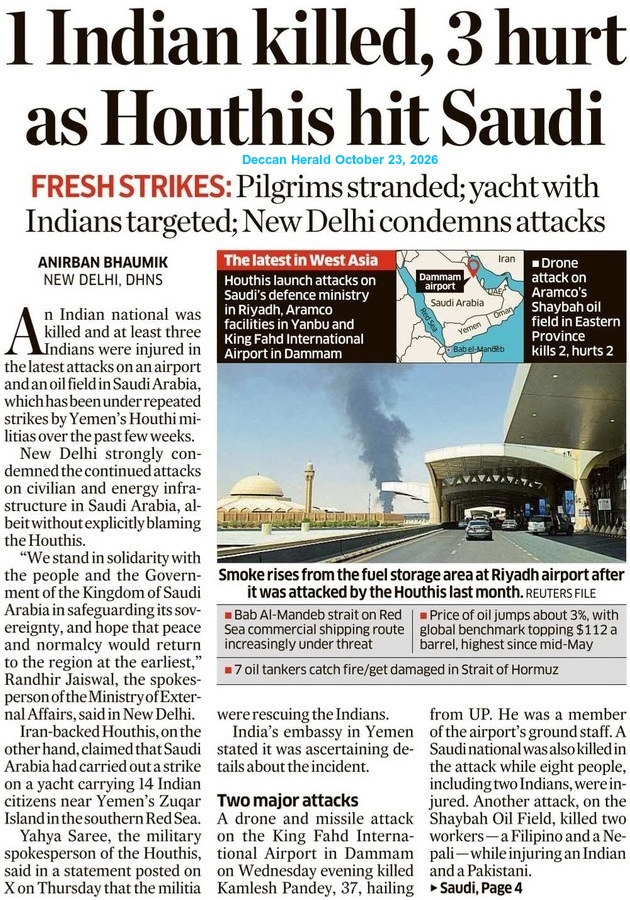
Meanwhile,


Boundless Ocean of Politics on Facebook
Boundless Ocean of Politics on Twitter
Boundless Ocean of Politics on Linkedin
Contact us: kousdas@gmail.com

 ISMC

