

A Dilemma
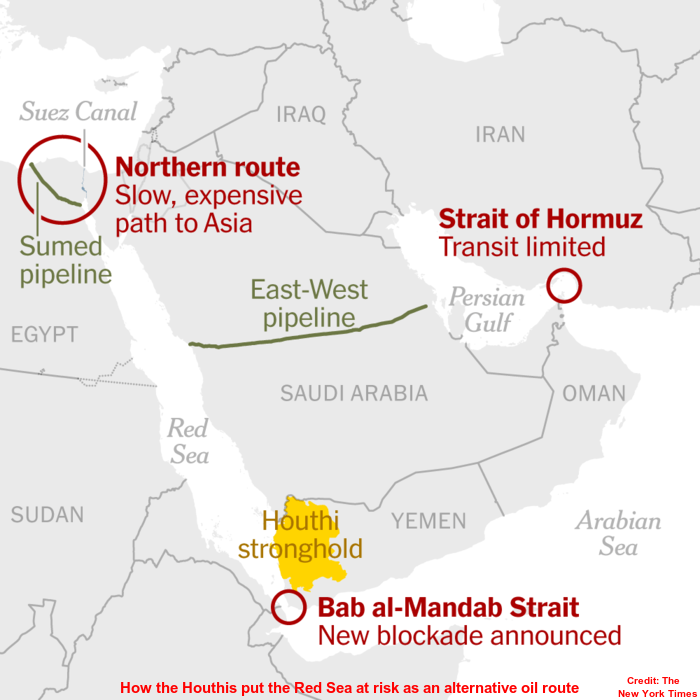
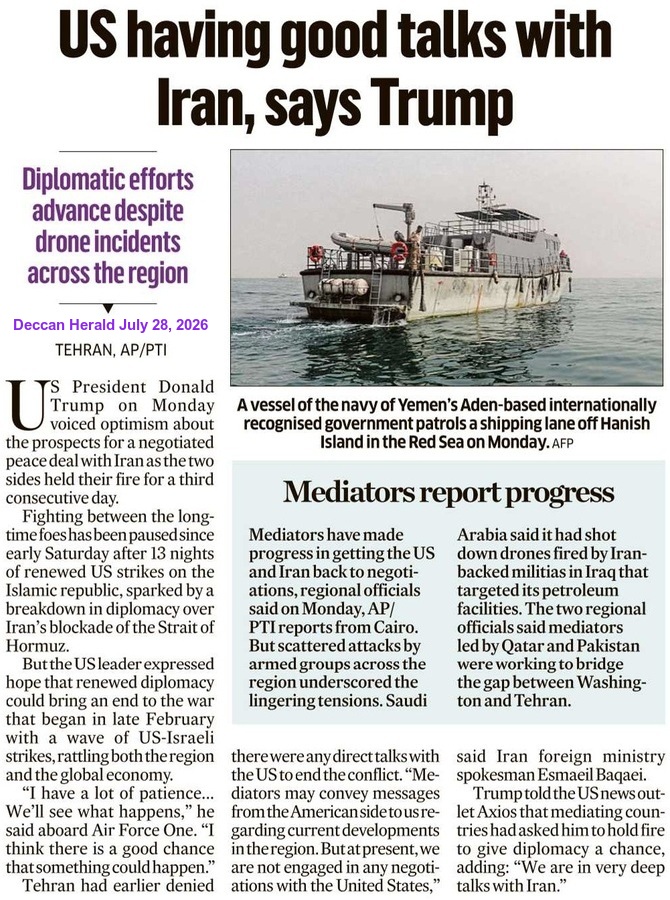
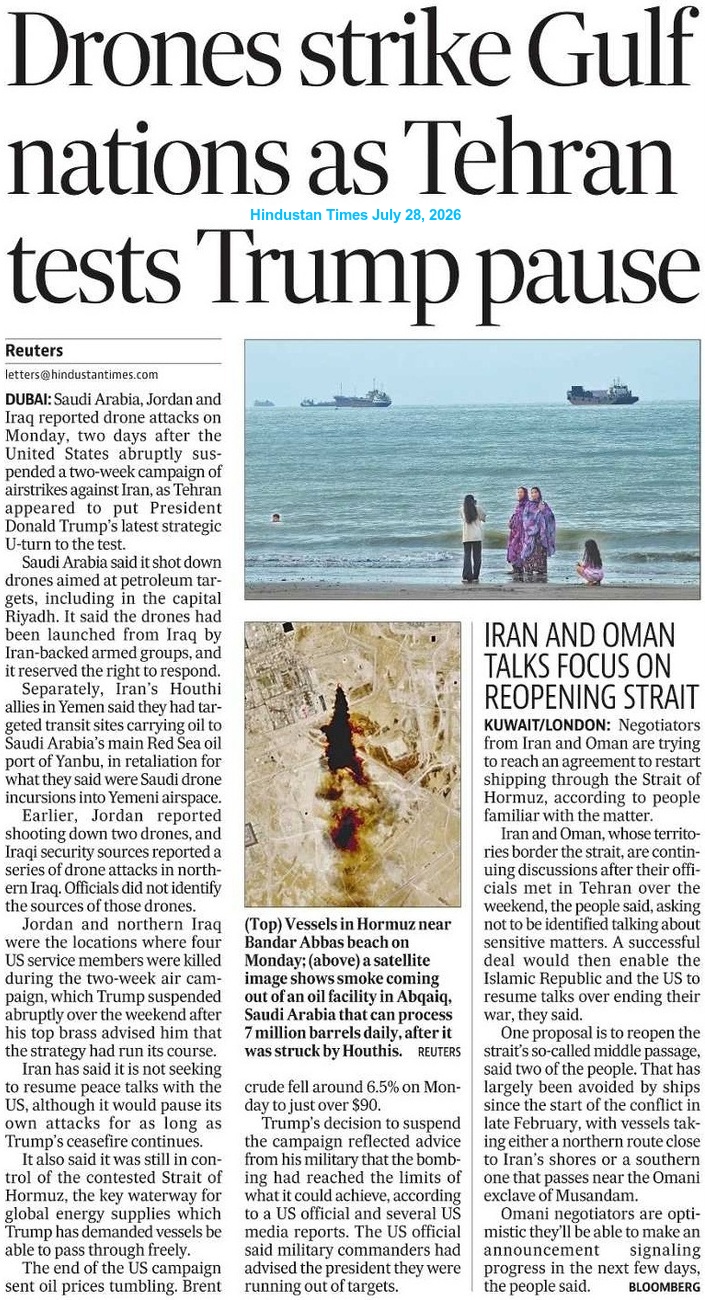
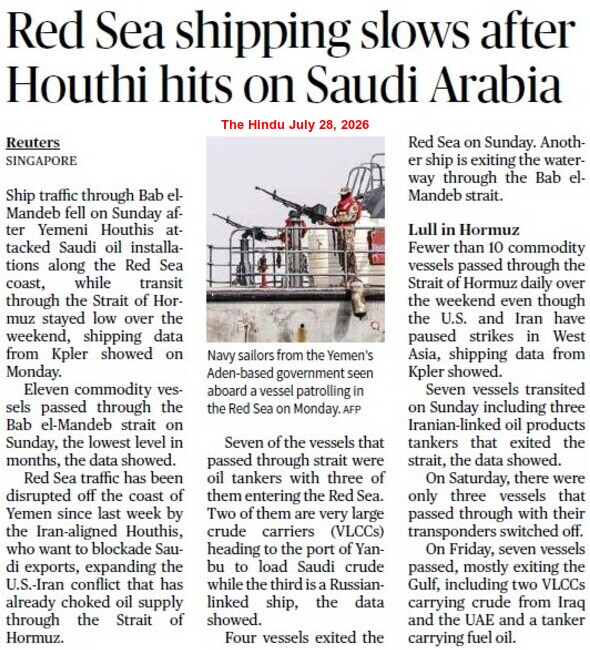
The four-year fragile truce between Saudi Arabia and the Houthi Movement of Yemen is fracturing because of recent airstrikes on Sana’a International Airport, Houthi missile retaliations and a declared Houthi naval blockade on Saudi shipping. Alongside the renewed cycle of attacks and counter-attacks targeting the Sana’a airport and Saudi territory, the very recent claim by the Houthis regarding missile and drone attacks on two Saudi oil tankers in the Red Sea on July 22, 2026 has reignited fears of the regional conflict spreading at a time when tensions surrounding Iran have already reached dangerous levels.
For the past few years, Saudi Arabia has been trying to reduce its direct military involvement in Yemen. However, recent events confirm that Saudi leaders view the Houthis as a severe, active security threat tied directly to Iran’s regional military actions. This dynamic is highlighted by the collapse of previous ceasefires and the resumption of direct attacks.
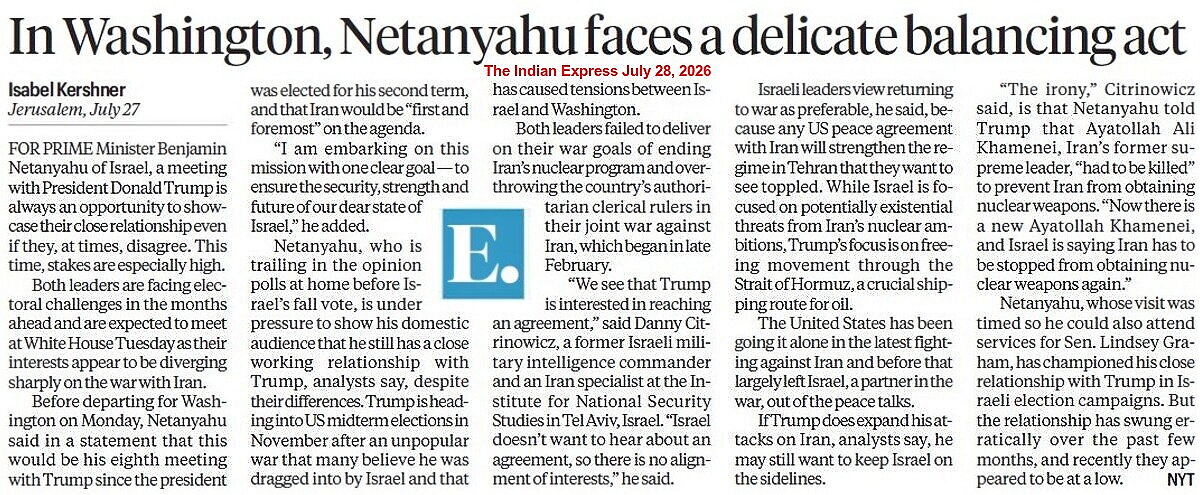
There is another major factor behind the deteriorating situation. President Donald John Trump endorsed Saudi Crown Prince Mohammed bin Salman‘s request for US backing before Riyadh launched military actions against the Houthis in Yemen, intensifying regional escalation. Under these circumstances, Iran will view any conflict between Saudi Arabia and the Houthis as part of its larger fight with the US.
The Saudi-Houthi conflict has created troubles for Pakistan, as well. For several years, Islamabad has maintained a balance by upholding close strategic ties with Riyadh while simultaneously maintaining effective engagement with Tehran. If the conflict between Saudi Arabia and the Houthis intensifies, maintaining the balance will become far more difficult for Pakistan.
The Strategic Mutual Defence Agreement signed between Saudi Arabia and Pakistan in September 2025 has added a completely new dimension to the complexity of the situation. Under this pact, any aggression against one country will be treated as an act of aggression against both. Pakistan has deployed about 8,000 troops, a squadron of 16 JF-17 fighter jets and a Chinese-made HQ-9 Air Defence System to Saudi Arabia under the agreement amid regional tensions involving Iran. If the Saudi-Houthi conflict escalates, Islamabad will face mounting pressure to deploy these very troops to the battlefield in order to honour the commitments made to Riyadh.
Moreover, Pakistan is heavily reliant on the Gulf region as it imports roughly 80-90% of its oil and petroleum products from suppliers, like Saudi Arabia and the United Arab Emirates (UAE). Hence, any major conflict affecting both the Strait of Hormuz and the Red Sea would place renewed strain on Pakistan’s economy.
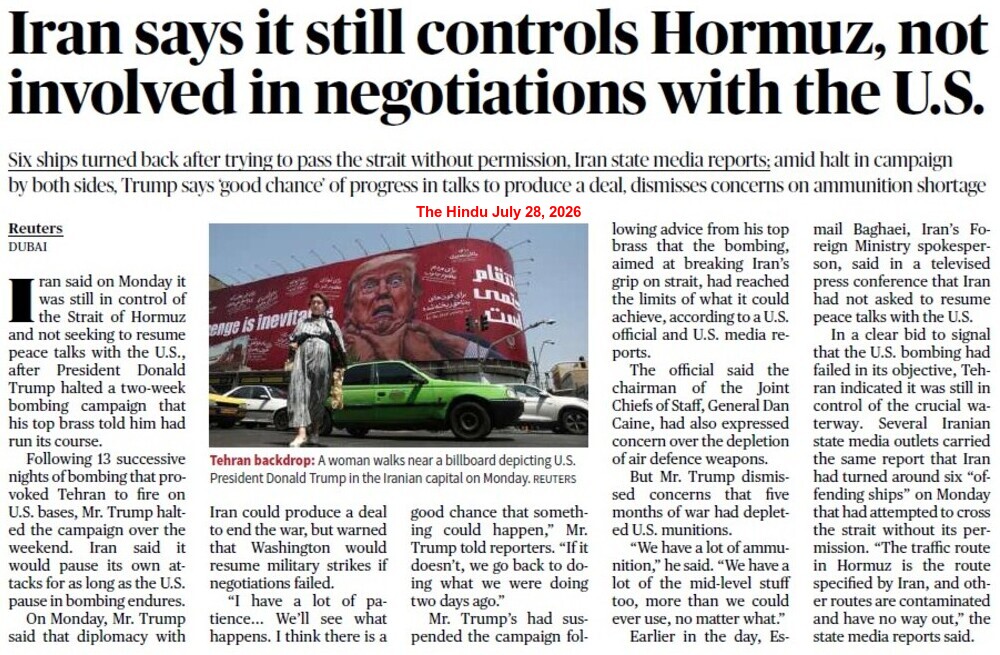
The geopolitical rivalry between Saudi Arabia and Iran deeply strains Pakistan’s internal stability due to its large Shia minority and Sunni majority, risking domestic sectarian polarisation whenever Islamabad leans toward either Riyadh or Tehran. If the Saudi-Houthi conflict escalates into a broader regional confrontation, Pakistan could face one of the most complex foreign policy tests in decades: Maintaining a strategic partnership with Saudi Arabia without making neighbouring Iran an adversary. Indeed, it would be a difficult job for Islamabad, keeping in mind the current political situation in West Asia.
Meanwhile,
Boundless Ocean of Politics on Facebook
Boundless Ocean of Politics on Twitter
Boundless Ocean of Politics on Linkedin
Contact us: kousdas@gmail.com

 ISMC
ISMC
