

Iran-US Deal: Israel Playing Spoilsport
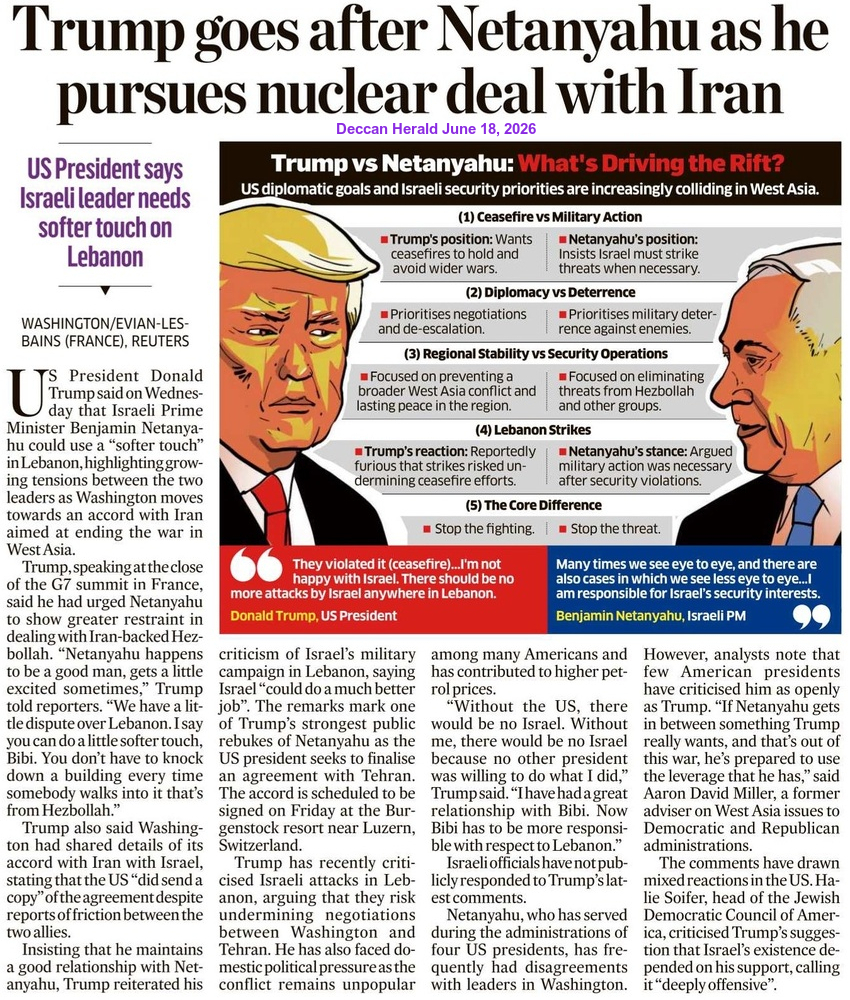
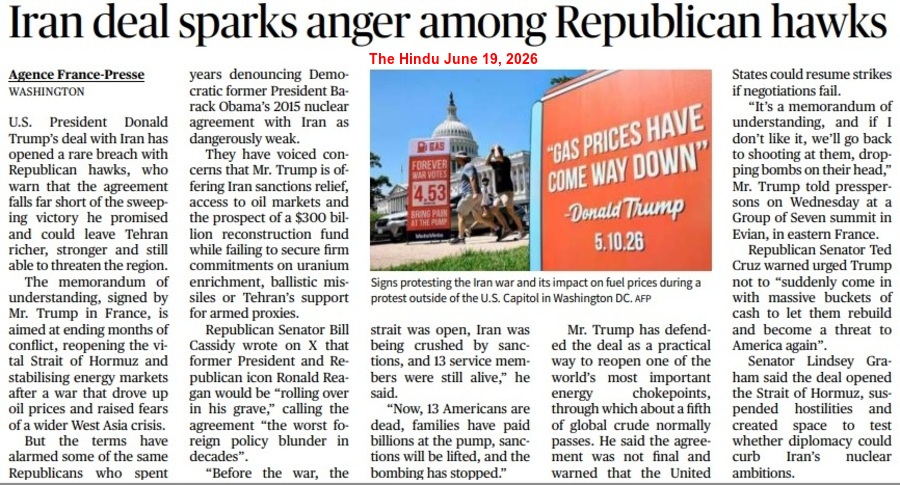
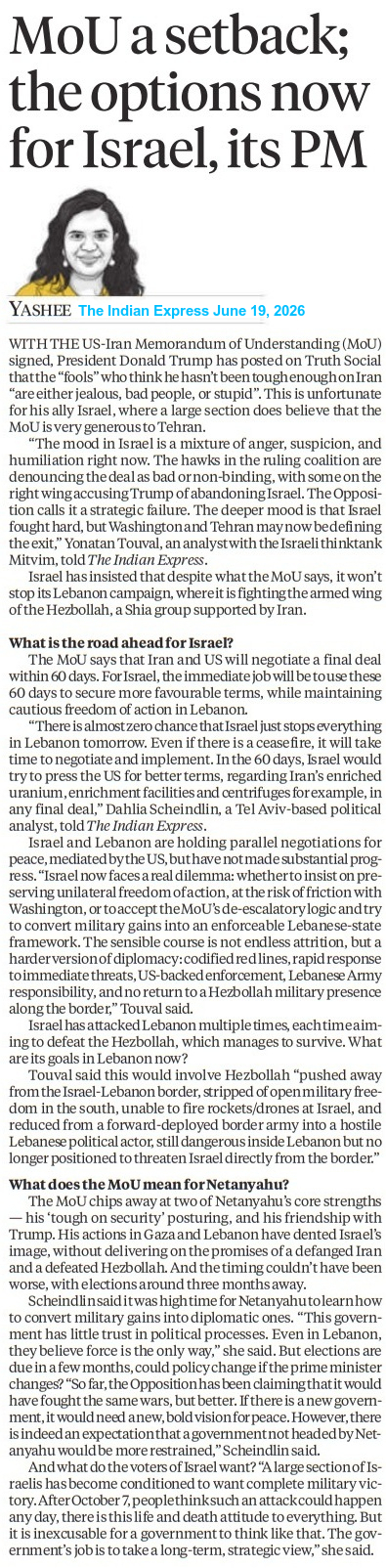
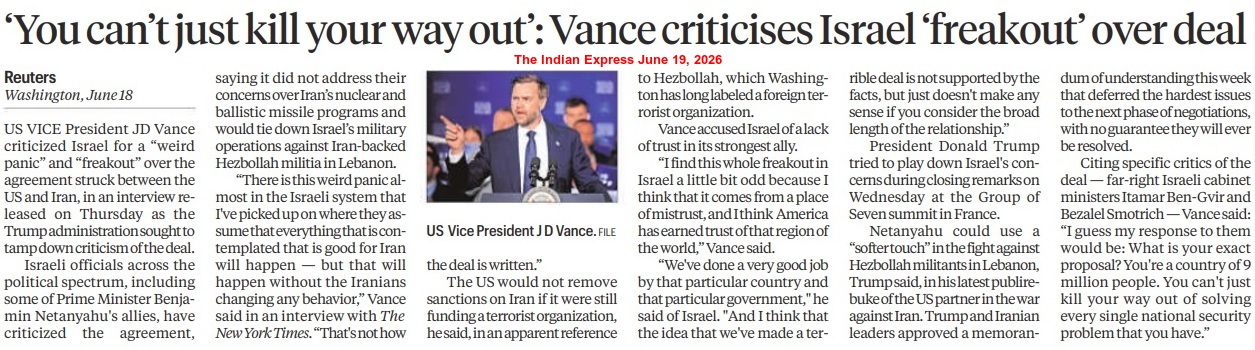
US President Donald John Trump has publicly criticised Israel’s recent attacks on Beirut, stressing that it was unnecessary to bomb entire apartment buildings to hunt militants. According to Trump, the Israeli attacks in the Lebanese capital could have endangered the US-Iran peace deal. He also claimed that the deal could pave the way for reopening the Strait of Hormuz, apart from helping stakeholders to defuse tensions causing instability in West Asia. Tehran has repeatedly said that regional stability cannot be achieved without addressing the conflict in Lebanon, embedding the Israeli military actions against Hezbollah as a central condition in its diplomatic negotiations with the US.
In such a situation, Trump’s harsh criticism reflects his growing frustration with Israel’s aggressive, prolonged military campaigns in Lebanon. Signalling a major rift, he warned Israeli Prime Minister Benjamin ‘Bibi’ Netanyahu that the Jewish Nation must exercise restraint or face total isolation.
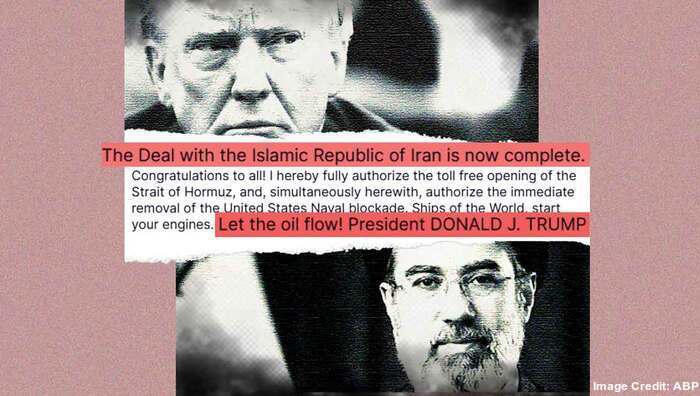
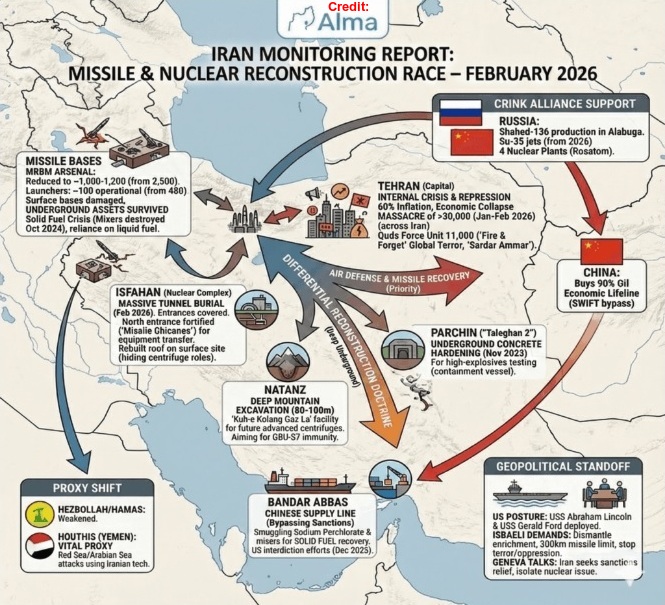
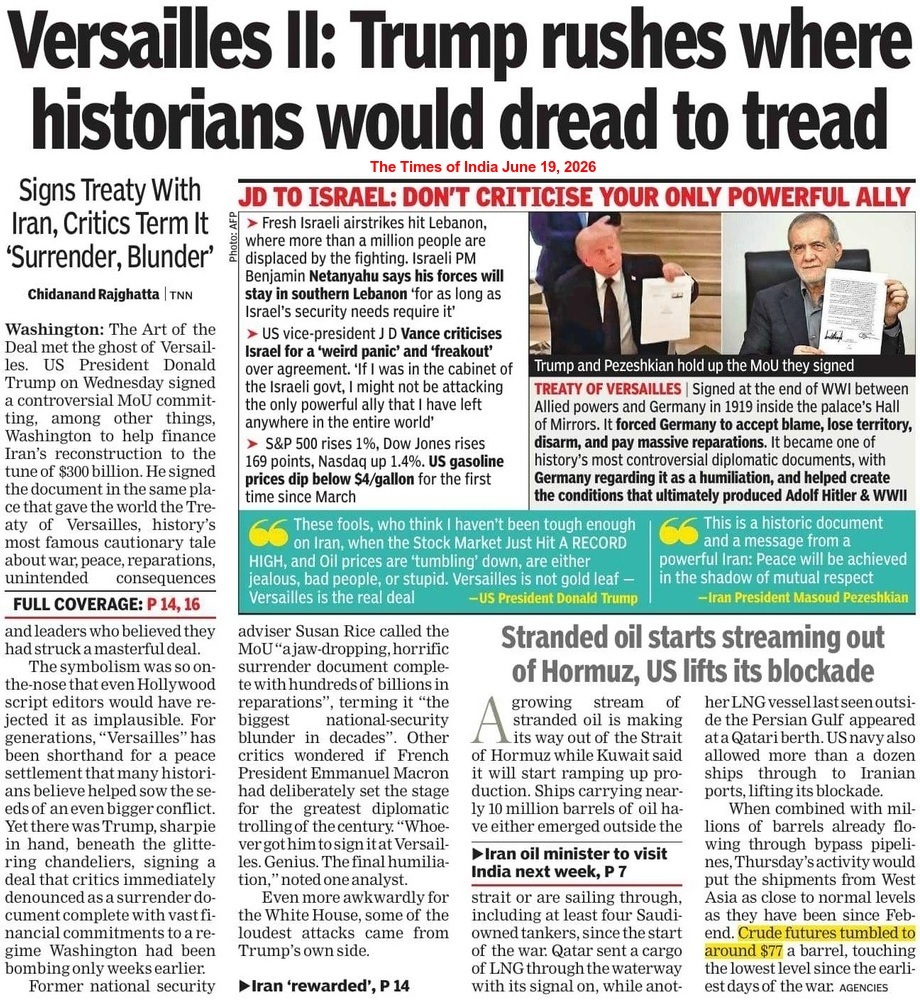
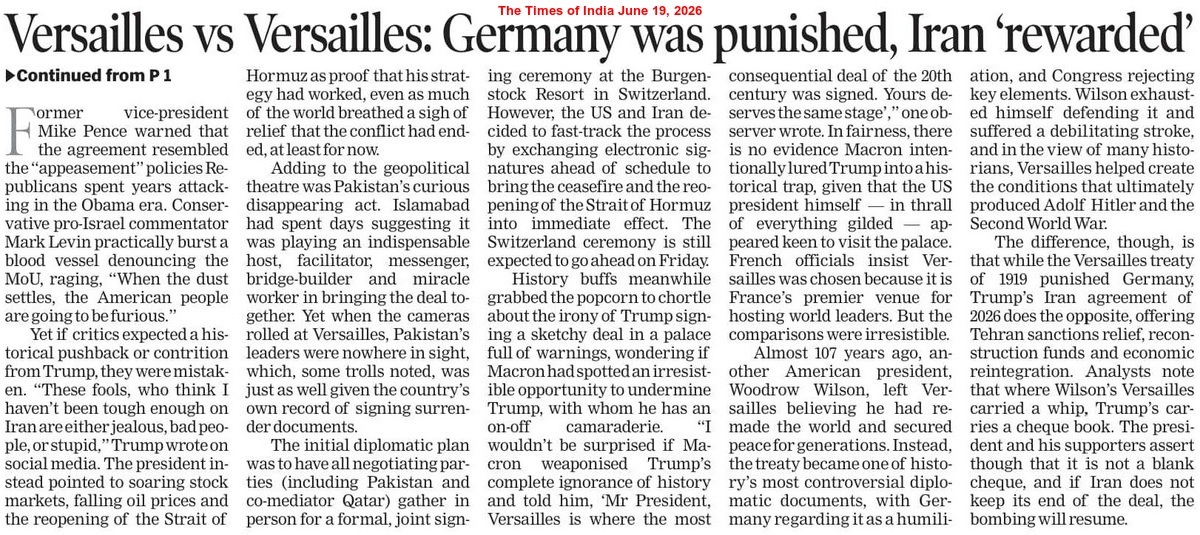
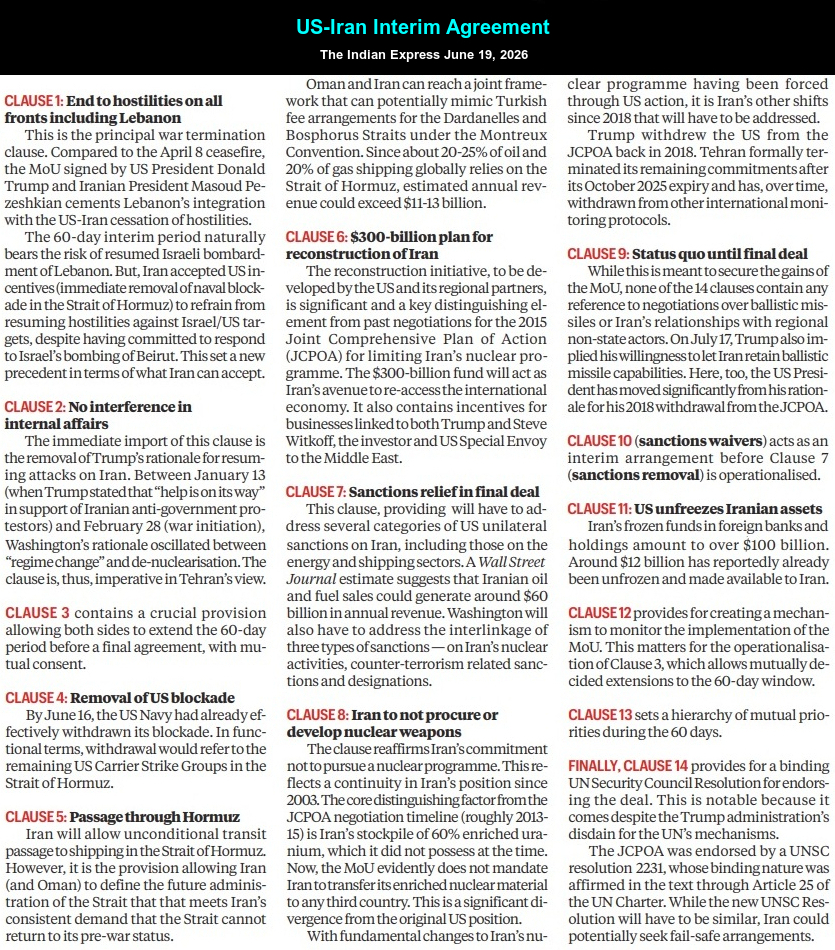
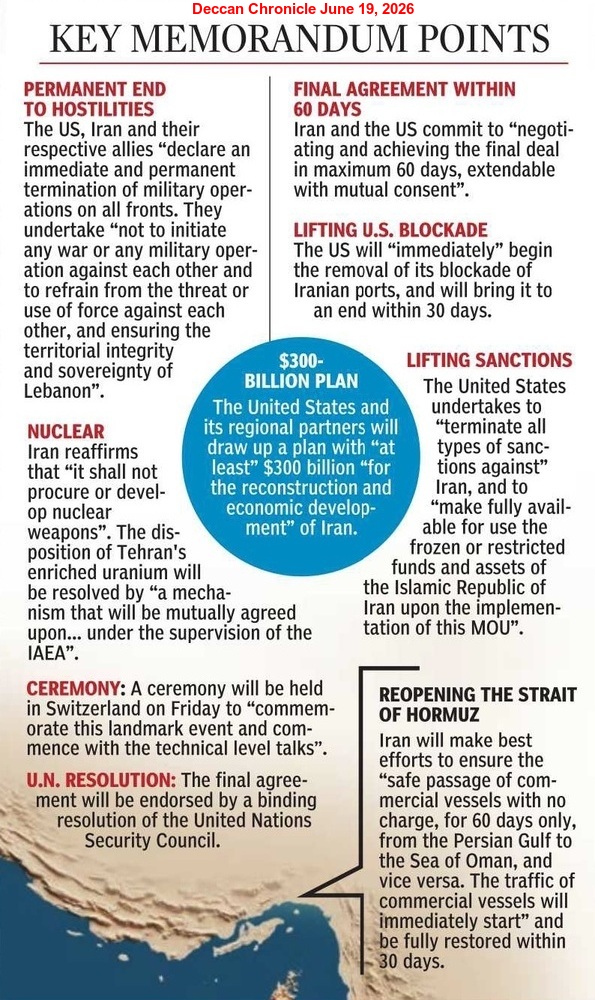
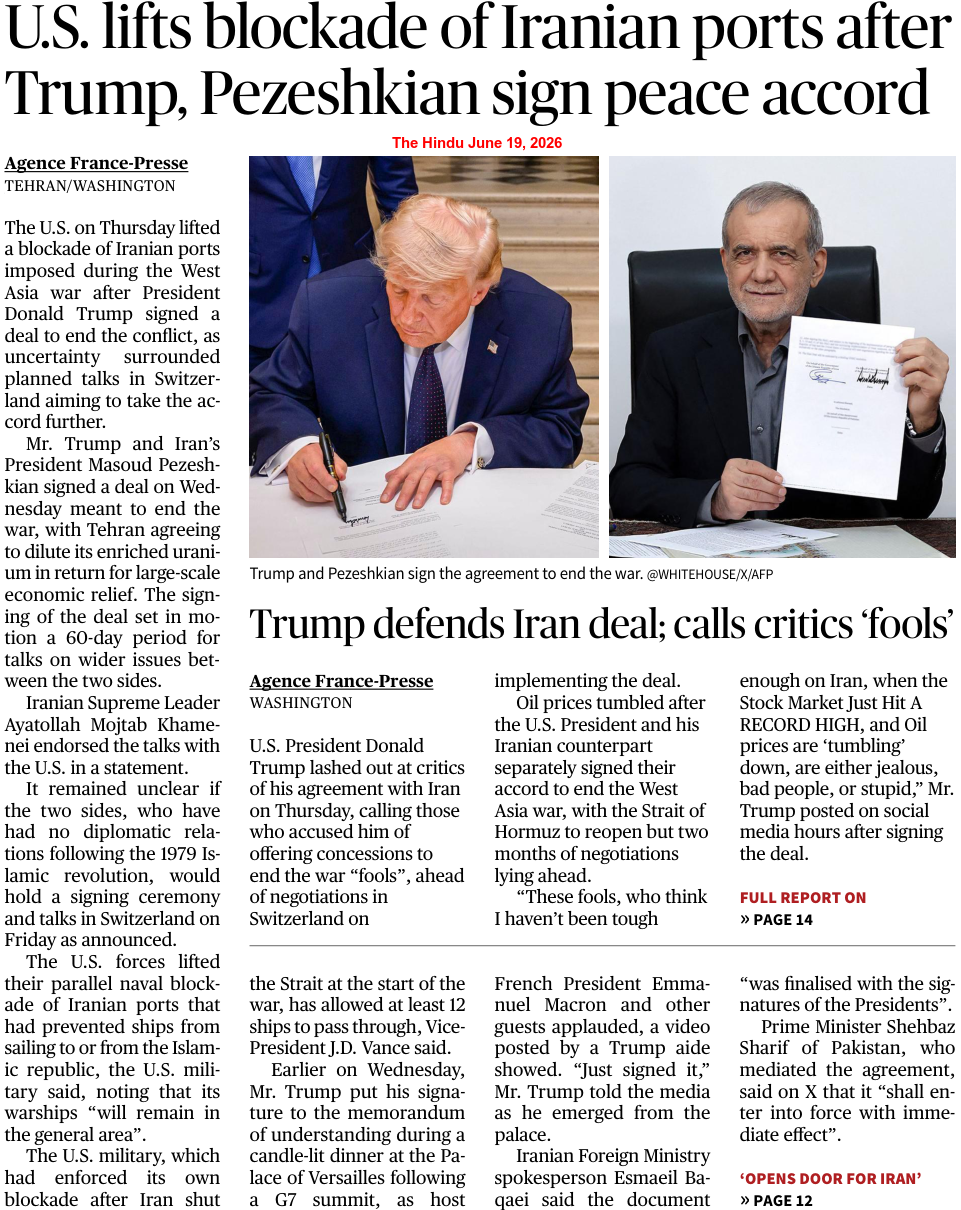
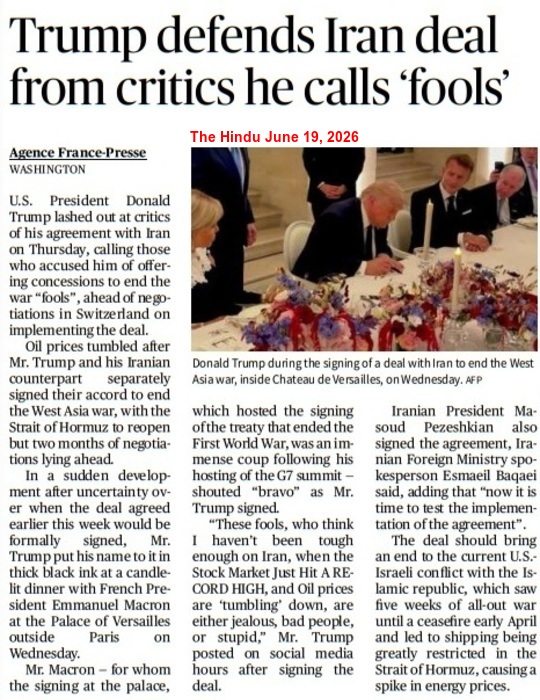
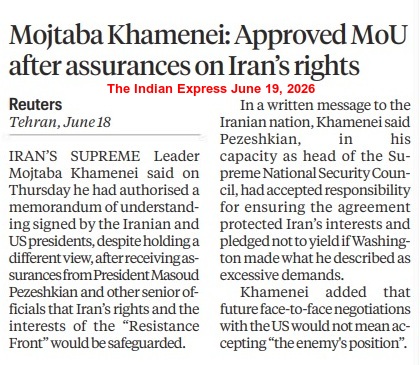
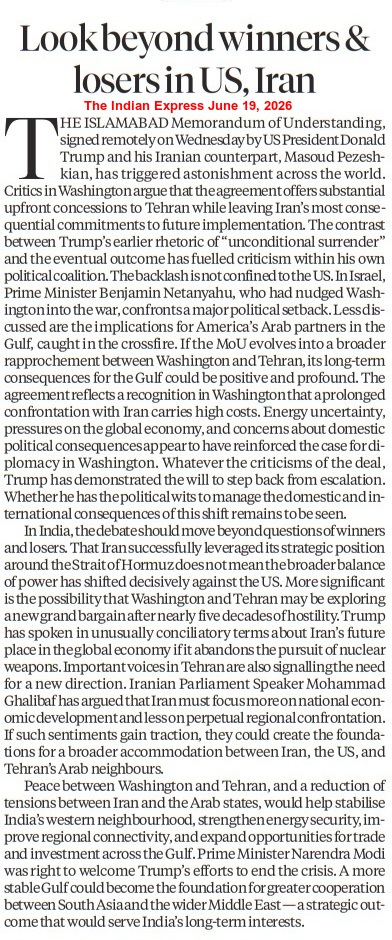
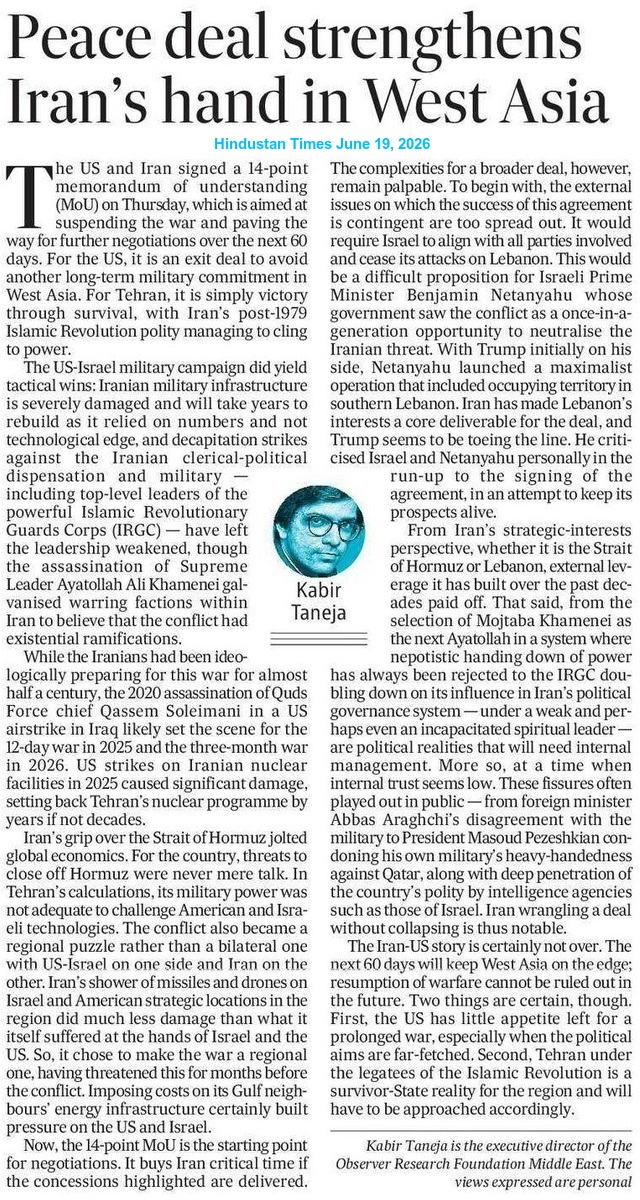
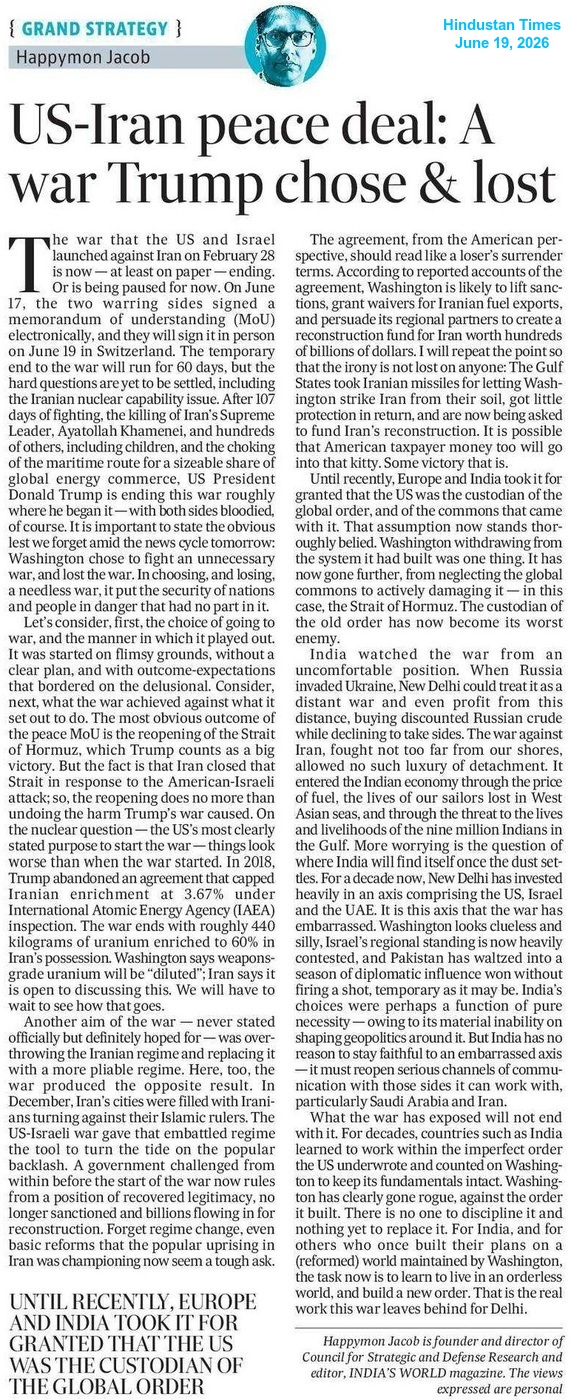
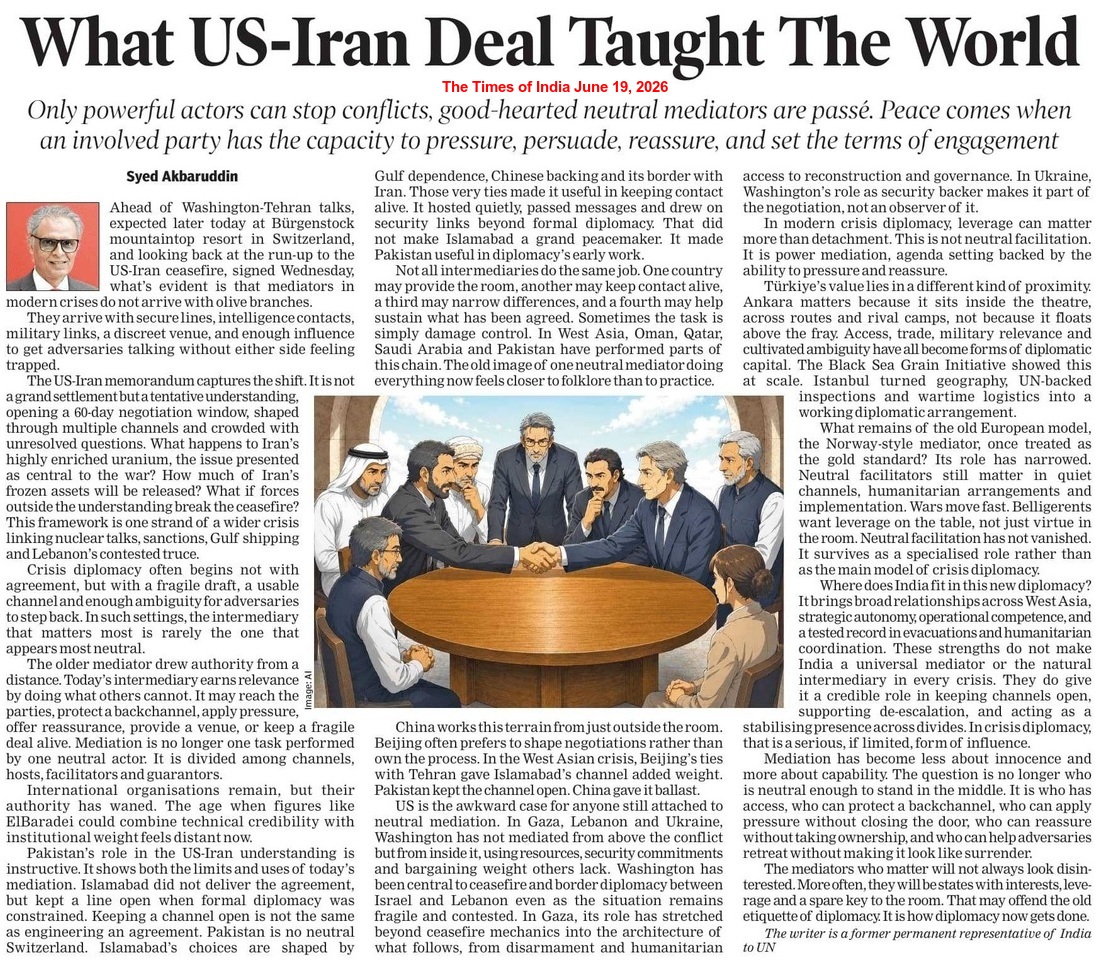
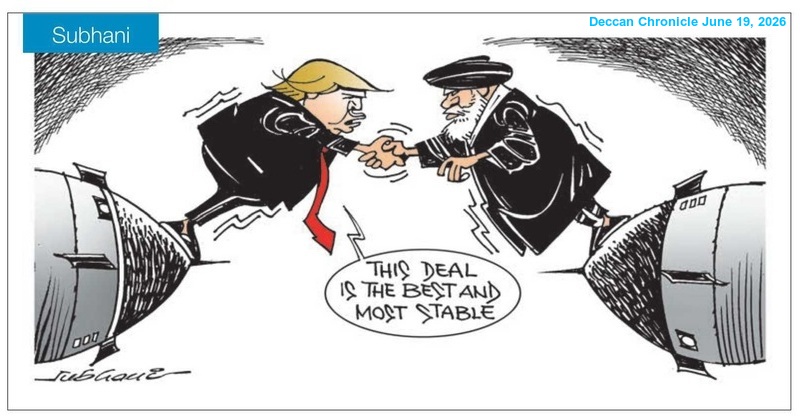
As Trump planned to force Tehran’s capitulation through overwhelming military pressure, he sent a massive naval fleet to the Iranian coast in January-February 2026. In collaboration with Israel, the US President also planned to dismantle Iran’s nuclear programme, curtail its missile capabilities and bring about regime change. However, he had to change the strategy after facing robust Iranian defensive adaptations and retaliatory strikes. Despite heavy US and Israeli airstrikes, Tehran retained its ballistic missile arsenal, maintained its regional proxy networks and forced major concessions, prompting Washington DC to sign a 14-point Memorandum of Understanding (MoU) in order to end the nearly four-month conflict.
While the 110-day war certainly exacted a significant military and economic toll on Iran, the Islamic Republic has emerged strategically stronger by securing control over the Strait of Hormuz and effectively trapping the US in a costly, stalemate situation. In fact, Tehran’s ability to hold global energy hostage and dictate post-war maritime terms forced the US into a difficult diplomatic standoff. At the same time, Iran has also managed to influence the Washington DC-Tel Aviv dynamic. By leveraging prolonged conflict, strategic strikes and subsequent diplomatic realignments, Tehran has driven a notable wedge between the US and Israel, shifting the regional balance in its favour.
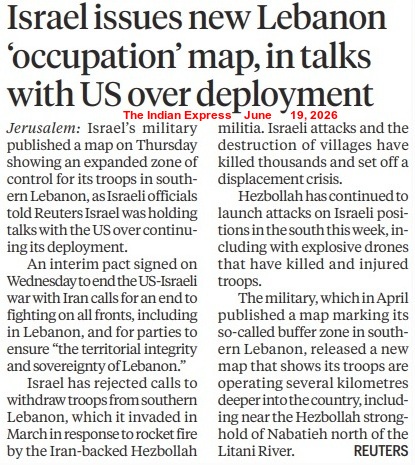
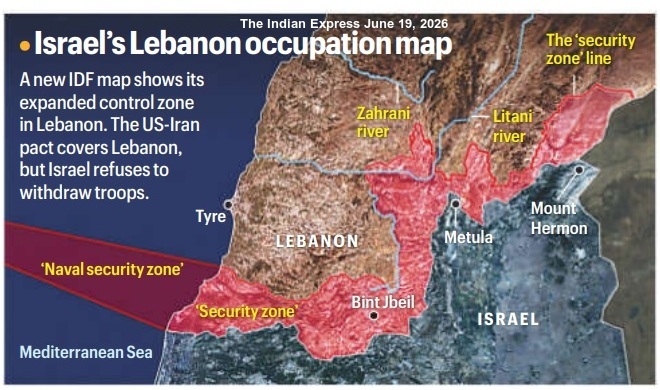
A section of political analysts believes that Israel’s strikes on the Dahiyeh District in Beirut in mid-June 2026 were not a mere military or strategic response to Hezbollah’s cross-border rocket and drone fire into northern Israel; but calculated geopolitical manoeuvres or an act of diplomatic defiance. It may be noted that the Israeli officials frequently escalate military pressure against Iran-aligned factions ahead of diplomatic agreements, driven by deep concerns that the US-led deals would fall short of their strategic objectives. Analysts describe this dynamic as Israel attempting to disrupt negotiations or establish stronger leverage before peace terms are finalised.
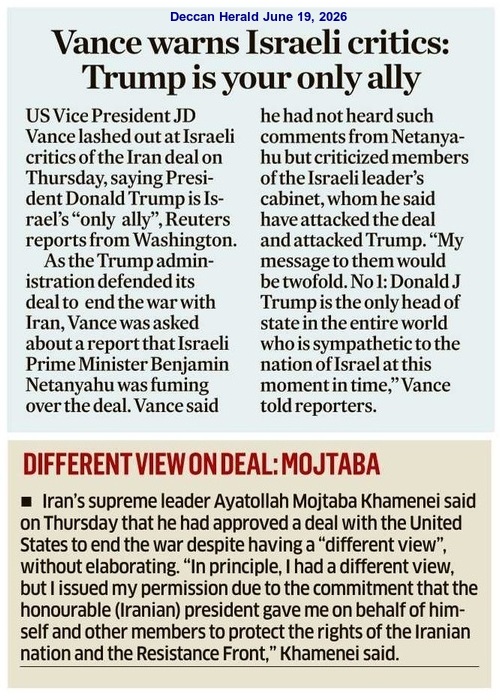
The US-Iran MoU has sparked a severe political crisis between Washington DC and Tel Aviv. Recent statements and actions by the US President regarding ending the conflict with Iran have compelled Tel Aviv to consider the possibility that the Trump Administration would grant Tehran sweeping concessions, including lifting sanctions and relaxing nuclear restrictions (given that Israel has been excluded from all US-led efforts to resolve the conflict and kept in the dark regarding the final text). Therefore, the war has radically altered the reality of this region.
Even though the path to temporary peace is being pursued for now, the deep-seated disagreements, including the future of the Iranian nuclear programme, regional influence and economic sanctions, between the US and Iran leave the core disputes unresolved. Perhaps, those disputes remain intentionally deferred for future talks. Also, regional rivalry still exists. Israel has officially rejected the US-Iran peace agreement, citing its exclusion from the negotiations. Consequently, the risk of a new conflict has not yet been dispelled.
Meanwhile,

Boundless Ocean of Politics on Facebook
Boundless Ocean of Politics on Twitter
Boundless Ocean of Politics on Linkedin
Contact us: kousdas@gmail.com

 ISMC
ISMC
