

Pakistan’s ‘Double-Deal’ With US, Iran
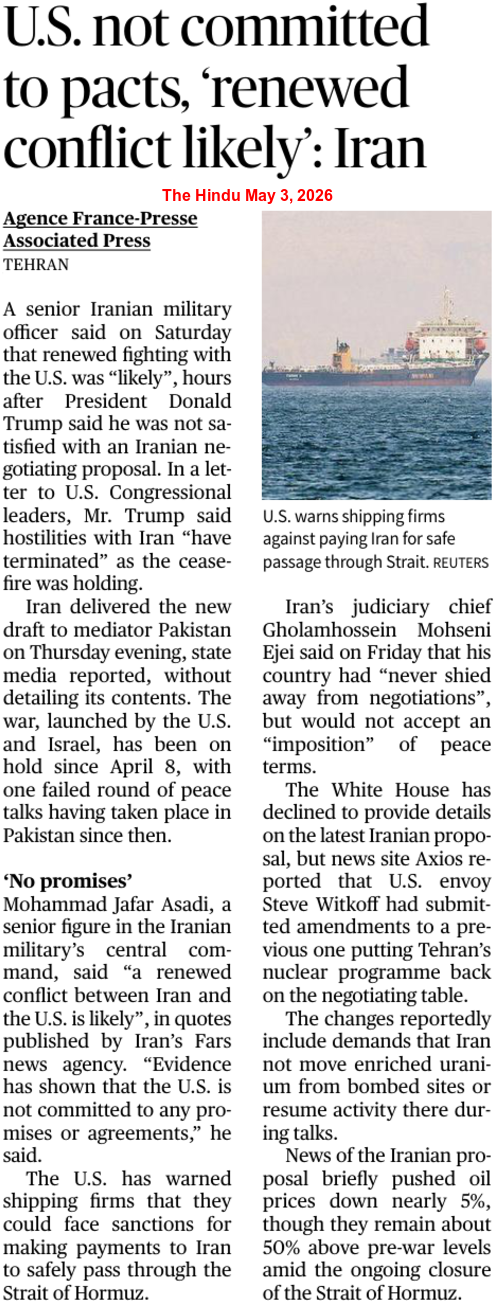
Pakistan recently played the role of the principal mediator between the US and Iran. Since US President Donald John Trump returned to power for a second term, the Government of Prime Minister Mian Muhammad Shehbaz Sharif in Islamabad has taken various steps to strengthen ties with Washington DC. President Trump, himself, admitted that the South Asian nation played quite an important role in extending the ceasefire between the US and Iran. However, Pakistan has seemingly started leaning towards the Islamic Republic.
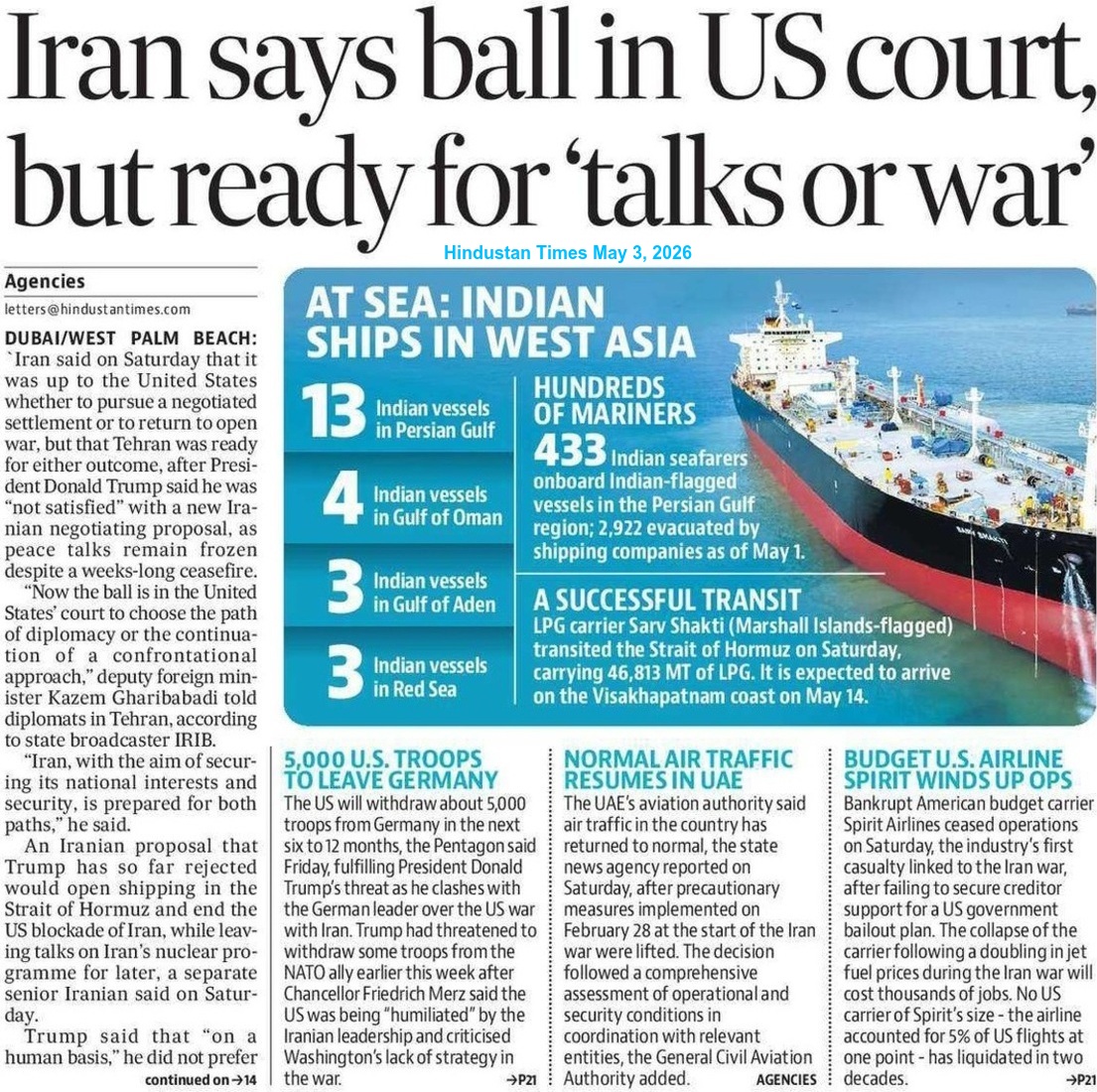
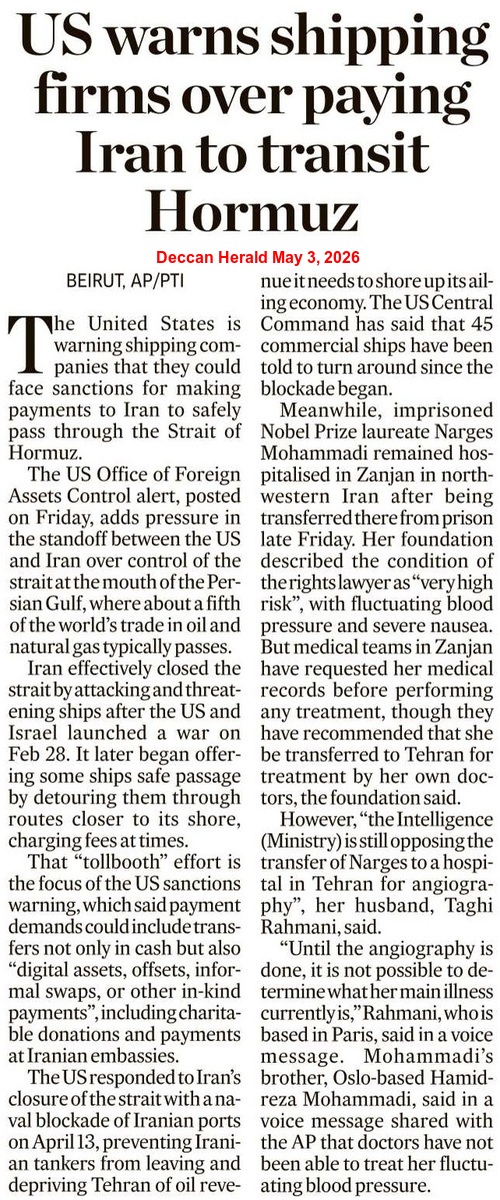
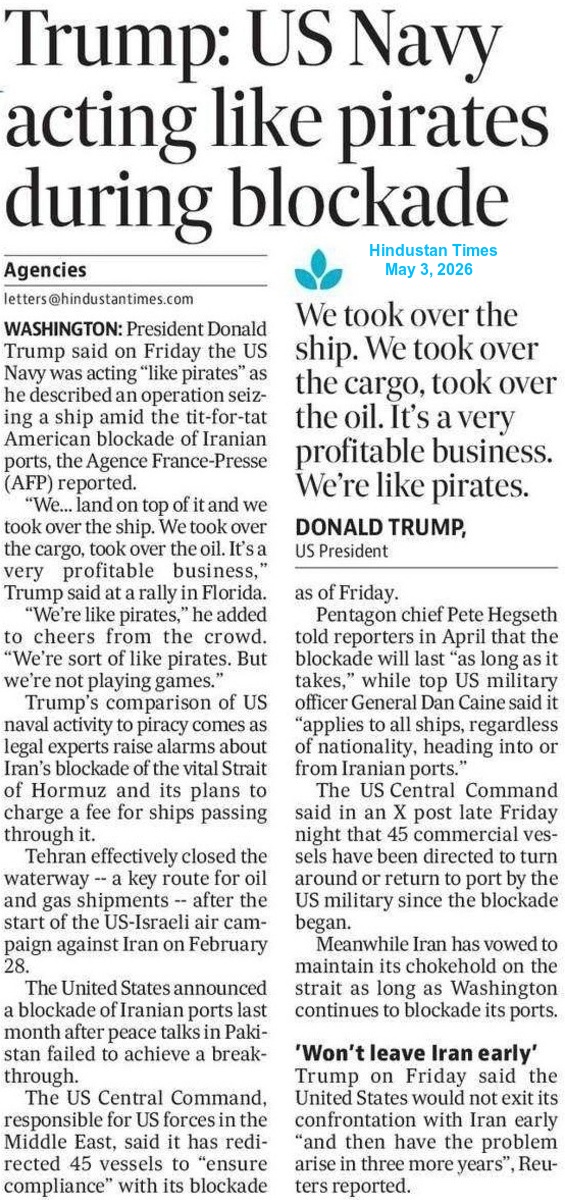
Reports suggest that Pakistan has opened six overland transit routes for Iran to trade with Russia, China and other countries through its territory as thousands of containers remain stranded at Karachi port because of the US blockade of Iranian ports, with ships trying to pass through the Strait of Hormuz. According to political analysts, Islamabad is playing a double-game with both the US and Iran.
The Ministry of Commerce of Pakistan issued the Transit of Goods through Territory of Pakistan Order, 2026 on April 25, allowing goods originating from third countries to be transported through Pakistan and delivered to Iran by road. Federal Minister for Commerce Jam Kamal Khan described the initiative as “a significant step toward promoting regional trade and enhancing Pakistan’s role as a key trade corridor”. Interestingly, Islamabad made the move during Iranian Foreign Minister Abbas Araghchi’s visit to Pakistan for holding talks with Prime Minister Shehbaz Sharif and Army Chief Asim Munir.
Derek J Grossman, the prominent US national security expert, has claimed that Pakistan’s decision to open six overland transit routes to Iran acts as a “double-deal” that undermines the Trump Administration‘s “counter-blockade” in the Strait of Hormuz. He stressed that these routes would enable the West Asian nation to bypass US maritime pressures and sustain trade.
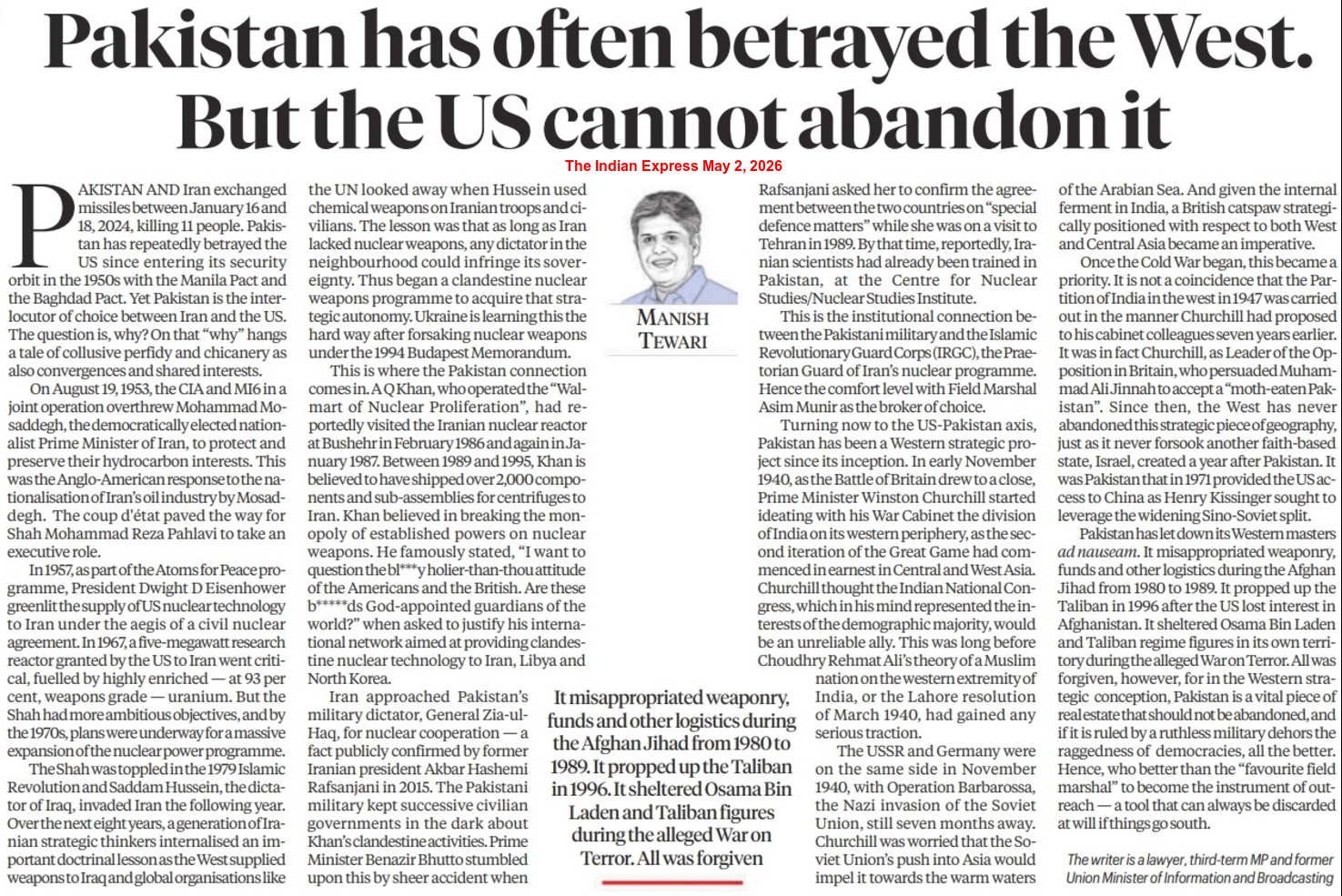
It may be noted that Israel has repeatedly raised questions regarding Islamabad’s role as a mediator, saying that Pakistan lacks credibility. In fact, Iran, too, raised a similar allegation ahead of the peace talks with the US held in Islamabad. Ebrahim Rezaei, the spokesperson for Iran’s National Security and Foreign Policy Commission, reportedly said that although Pakistan “is a good friend and neighbour“, it “lacks the necessary impartiality and credibility” to act as a mediator between Iran and the US. He stressed on Pakistan’s tendency to align with US interests and avoid criticising Washington DC as reasons for this situation.
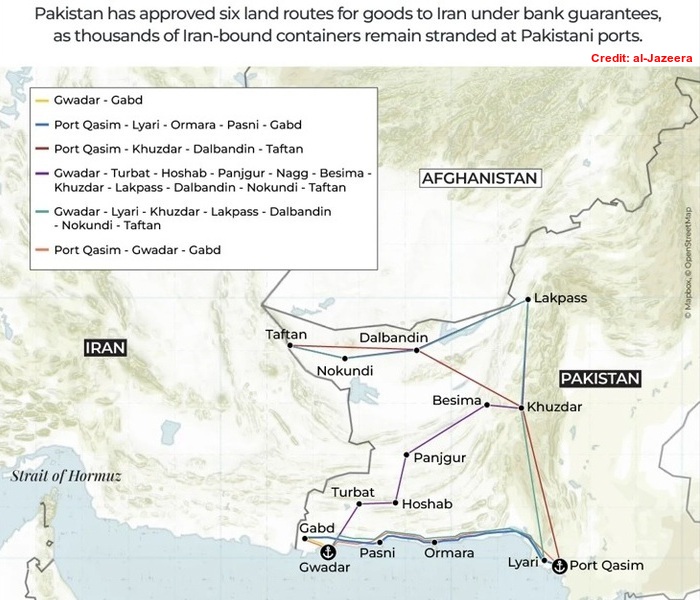
Meanwhile, the six designated routes link three main ports of Pakistan – Karachi, Port Qasim and Gwadar – with two Iranian border crossings, Gabd and Taftan, passing through Balochistan via Turbat, Panjgur, Khuzdar, Quetta and Dalbandin. al-Jazeera has reported that the shortest route, the Gwadar-Gabd corridor, would reduce travel time to the Iranian border to between two and three hours, compared with the 16-18 hours it takes from Karachi to the Iranian border. The Gwadar-Gabd route could also cut transport costs by 45-55% compared with costs from Karachi port.
Meanwhile,
Boundless Ocean of Politics on Facebook
Boundless Ocean of Politics on Twitter
Boundless Ocean of Politics on Linkedin
Contact us: kousdas@gmail.com

 ISMC
ISMC
