

Marching Towards Nuclear Proliferation
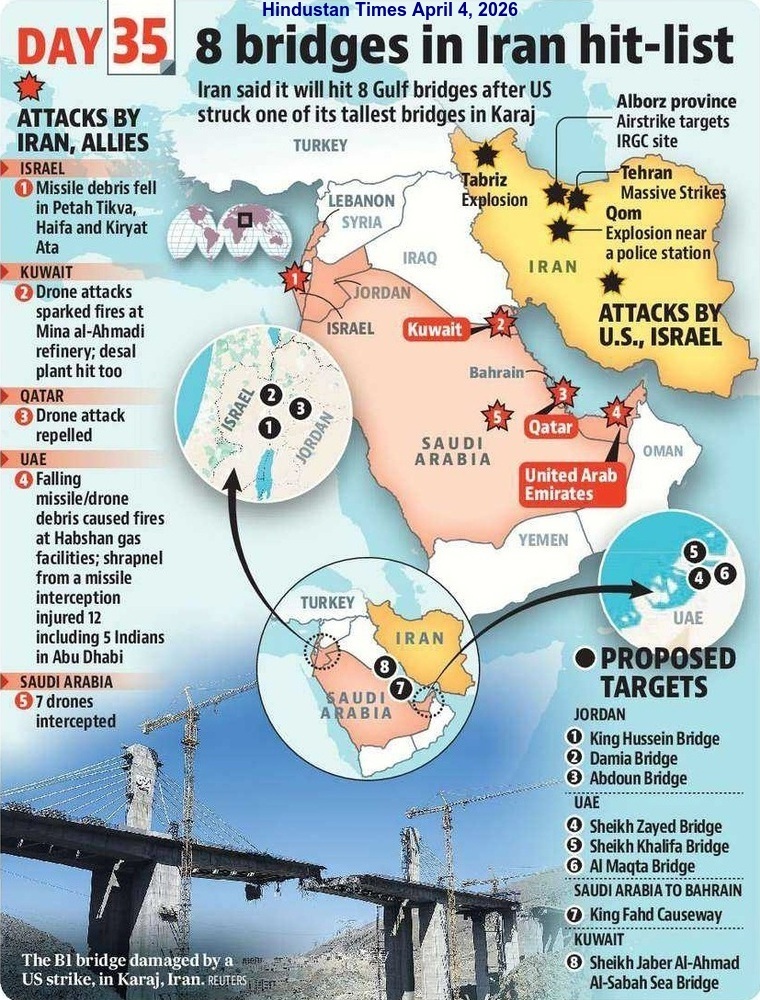
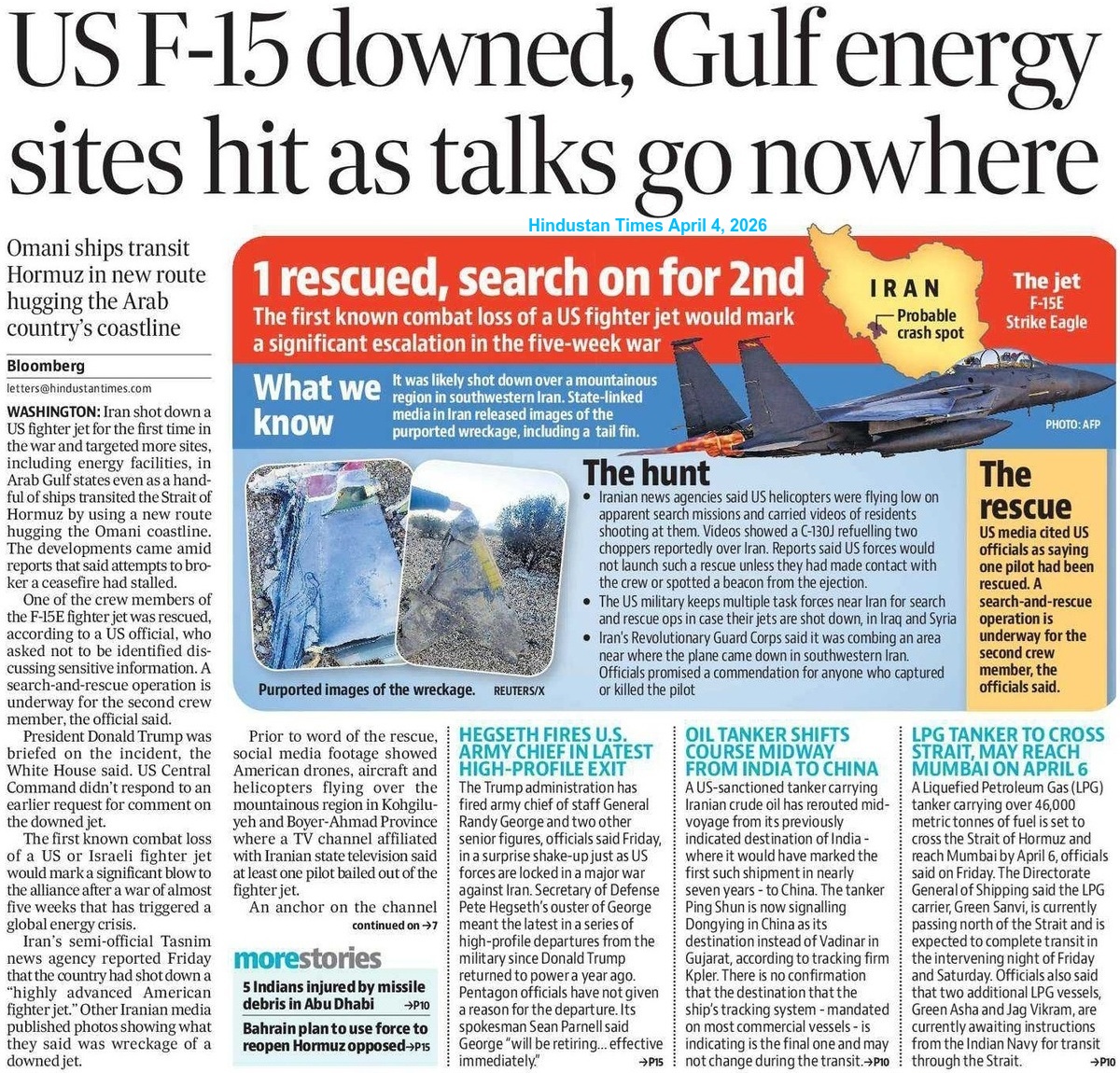
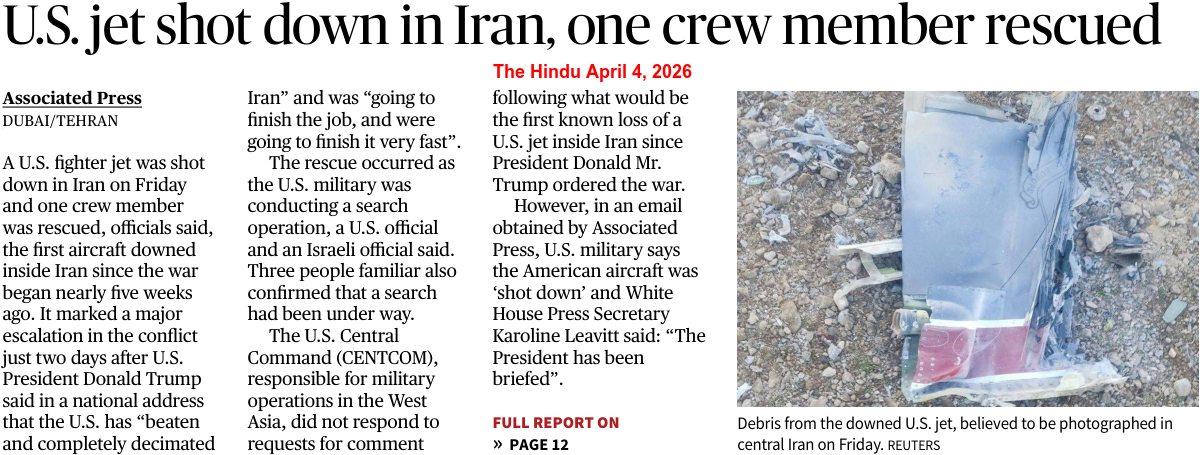
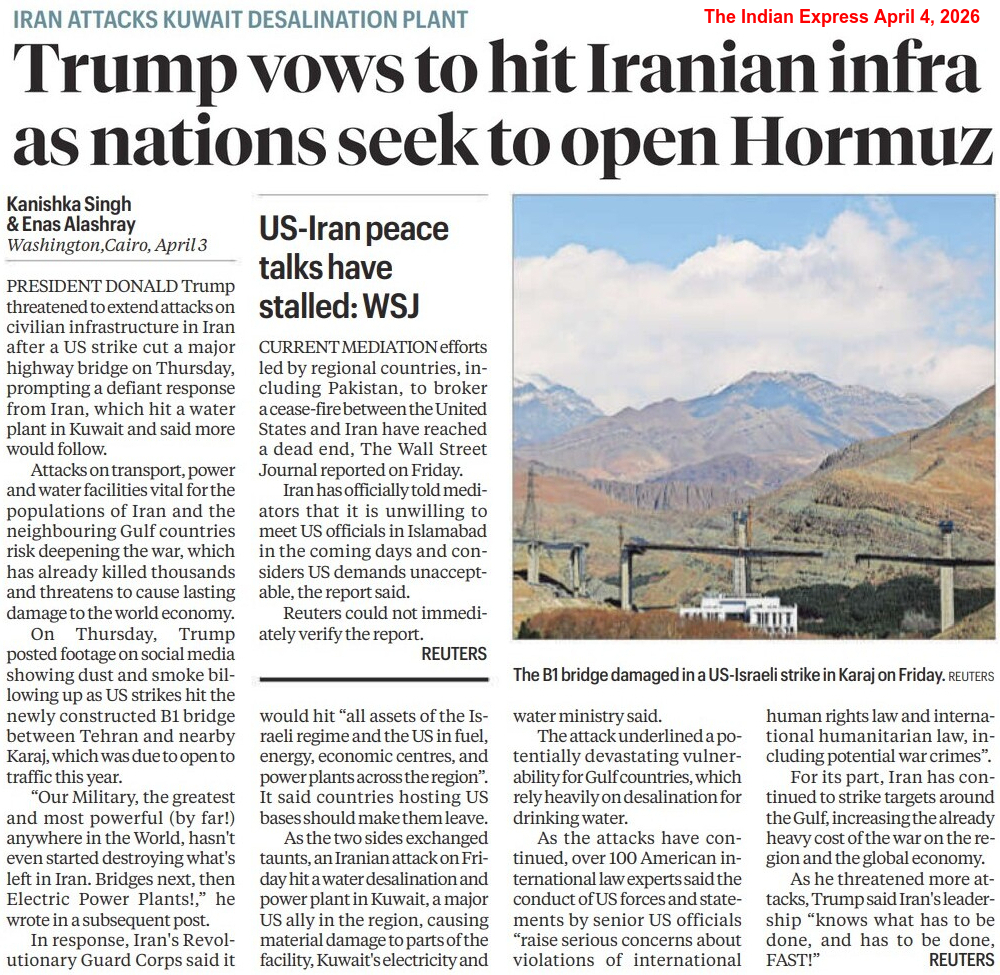
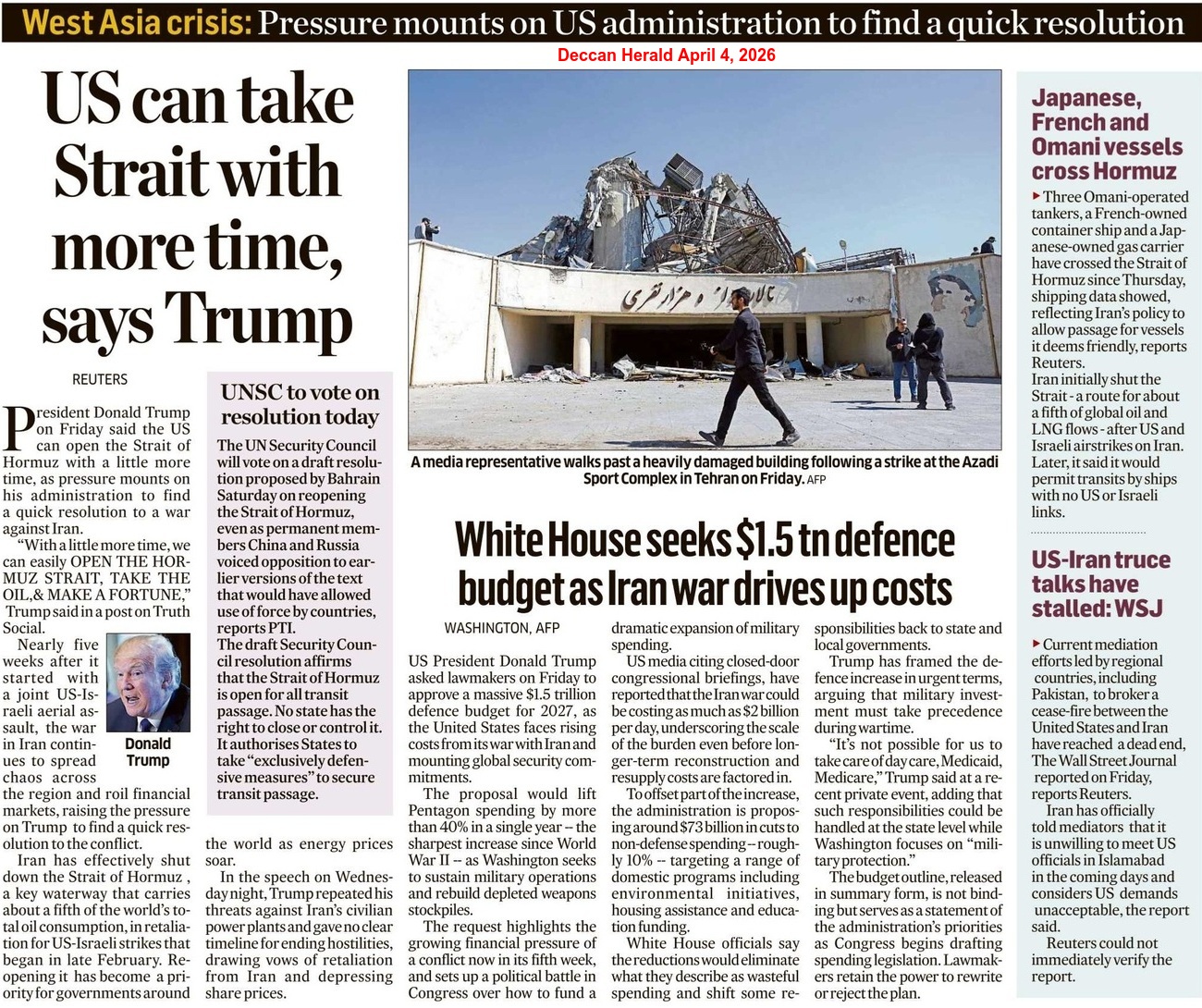
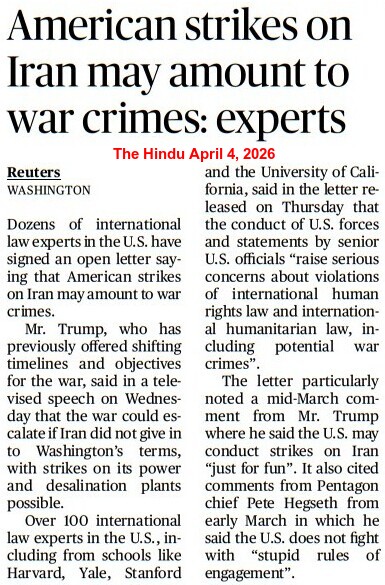
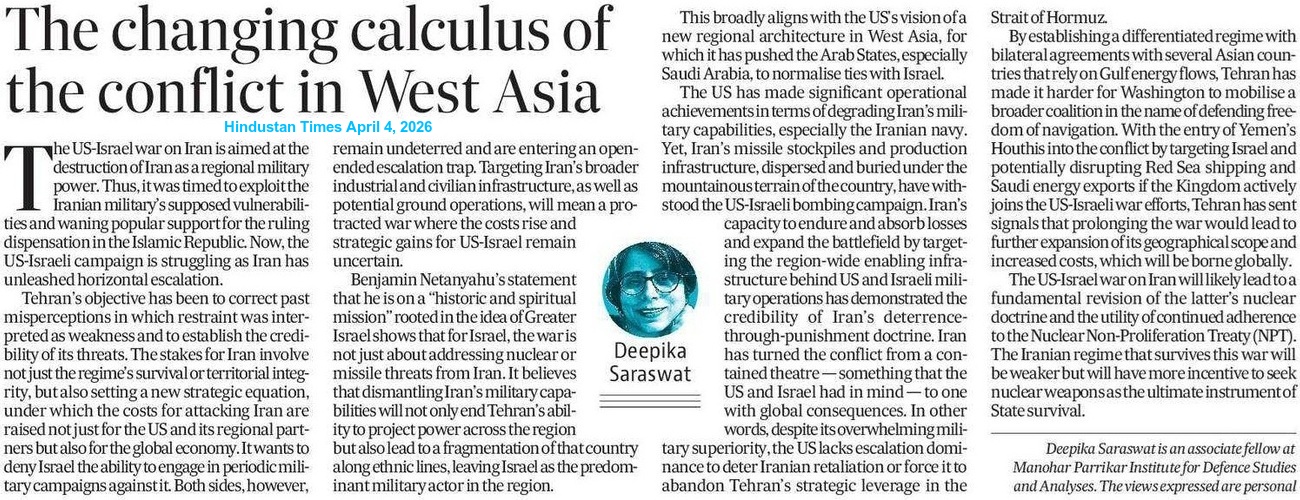
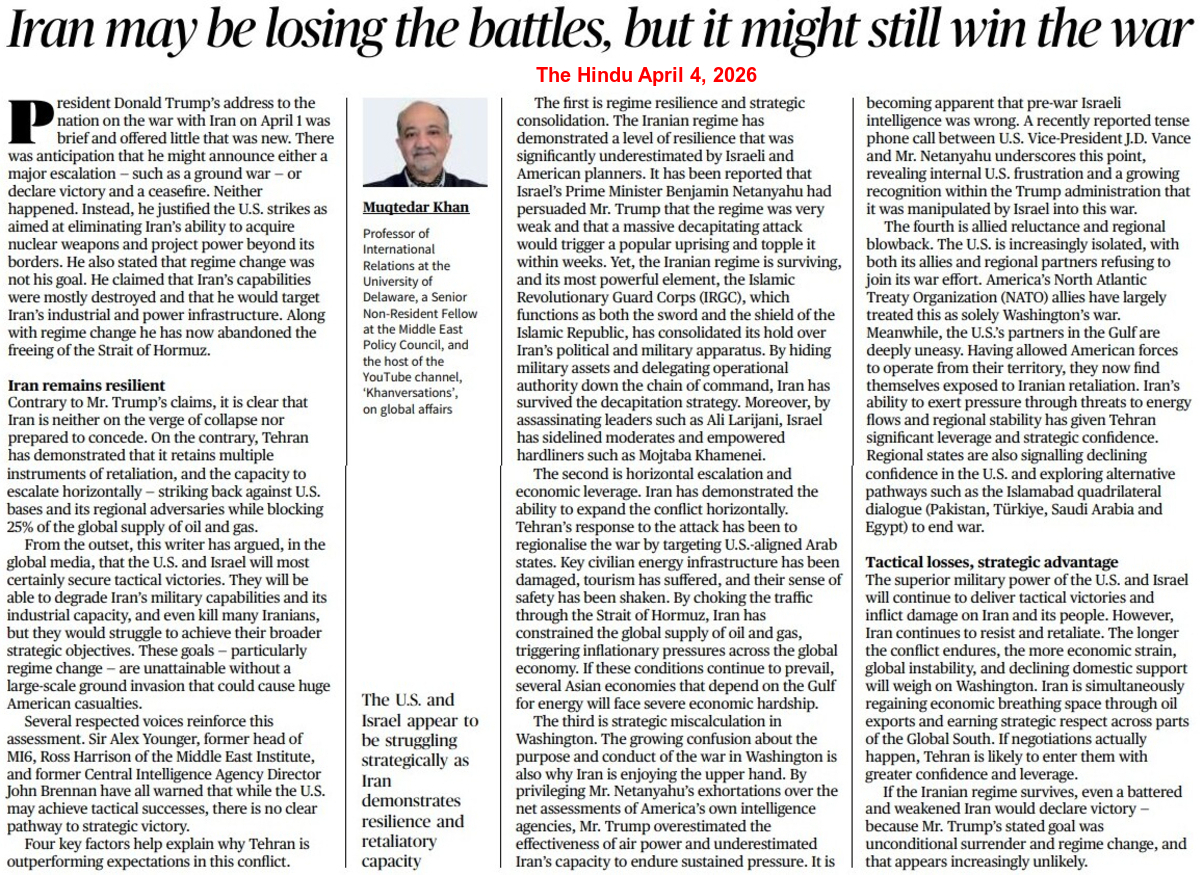
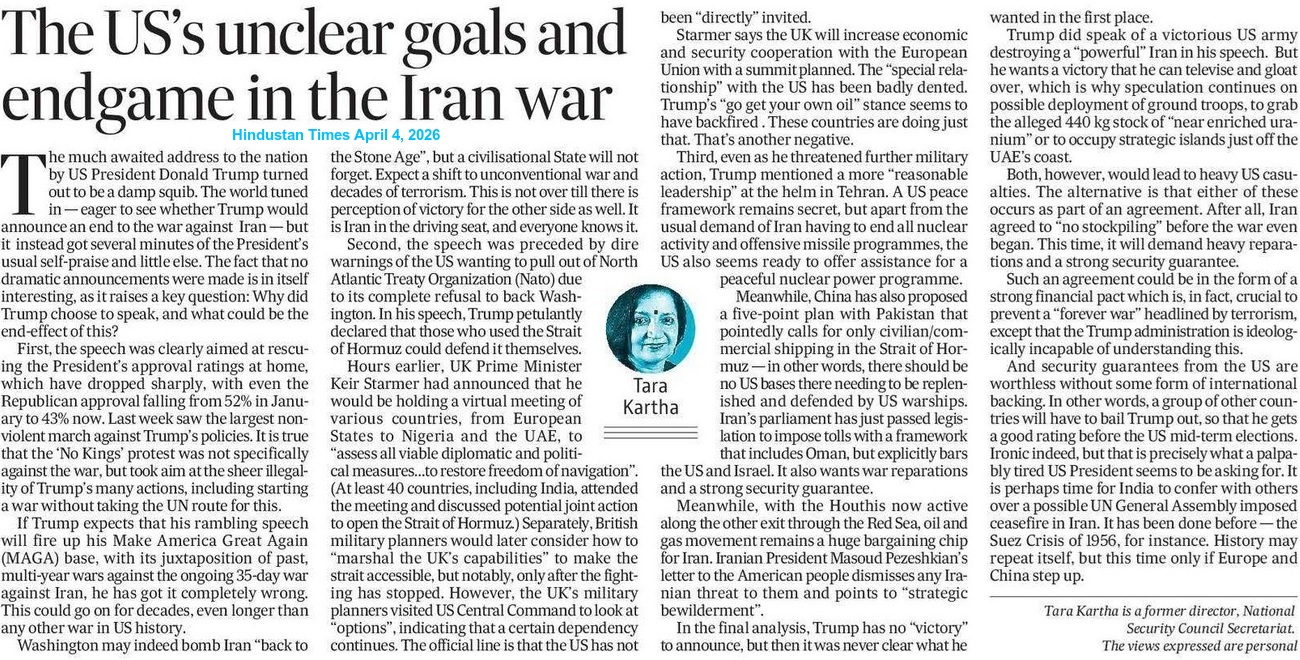
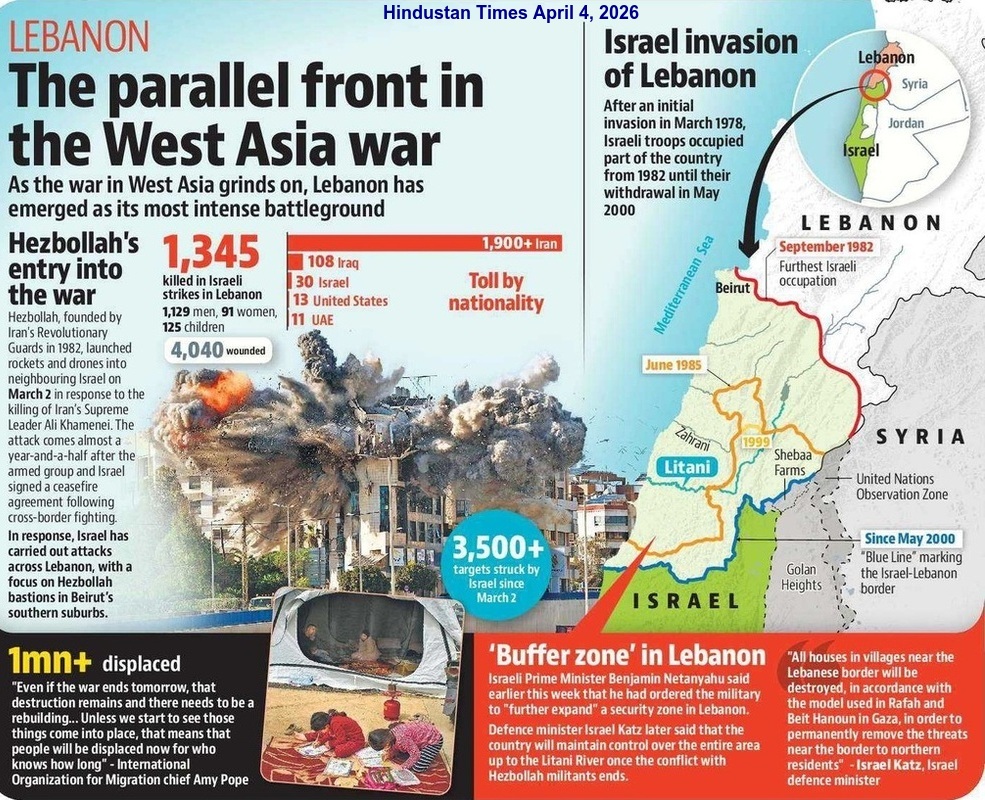
President Donald John Trump has repeatedly claimed that the primary objective of US military operations against Iran, specifically Operation Epic Fury, is to ensure that the Islamic Republic “never acquires nuclear weapons“. However, experts fear that the strategy adopted (by the US and its Western allies) to prevent the proliferation of nuclear weapons could ultimately accelerate its spread not only in Iran, but across the globe.
The joint US-Israeli attacks on Iran have prompted various countries, from Europe to East Asia, to reconsider their nuclear policies. Growing distrust in the reliability of the US nuclear umbrella has driven its allies to seek independent security options. Nations, like South Korea and Poland, are exploring domestic nuclear development; while Germany has started considering a European-led (UK/France) deterrent, as concerns over US commitment increase.
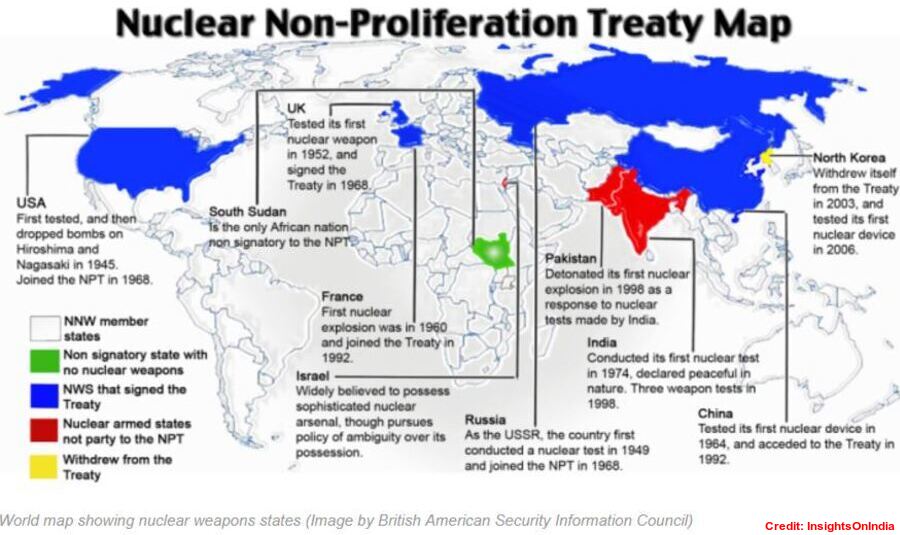
Meanwhile, Iranian lawmakers recently submitted a fast-tracked bill to the Parliament, proposing withdrawal from the Nuclear Non-Proliferation Treaty (NPT or the Treaty on the Non-Proliferation of Nuclear Weapons), amid intensifying conflict with the US and Israel. As the US-Israeli joint strikes have seen attacks on Iranian nuclear and industrial sites, Tehran argues that the treaty provides no benefit.
The impact of the ongoing conflict in West Asia is already being felt far beyond the Middle East. North Korean leader Kim Jong Un has cited the US conflict with Iran as justification for his country’s nuclear programme, declaring its status “irreversible“. Speaking at the Supreme People’s Assembly, he characterised the conflict as evidence that strong military deterrence was necessary for survival against US aggression.
Needless to say, it has become a global mindset. If Iran survives the current attack on its nuclear infrastructure, it can be assumed that Tehran’s nuclear ambitions will be strengthened and it will encourage Saudi Arabia, Turkey and (possibly) Egypt to develop their own defence systems. They would do so to pursue a nuclear deterrent in order to prevent future attacks by enemy countries.
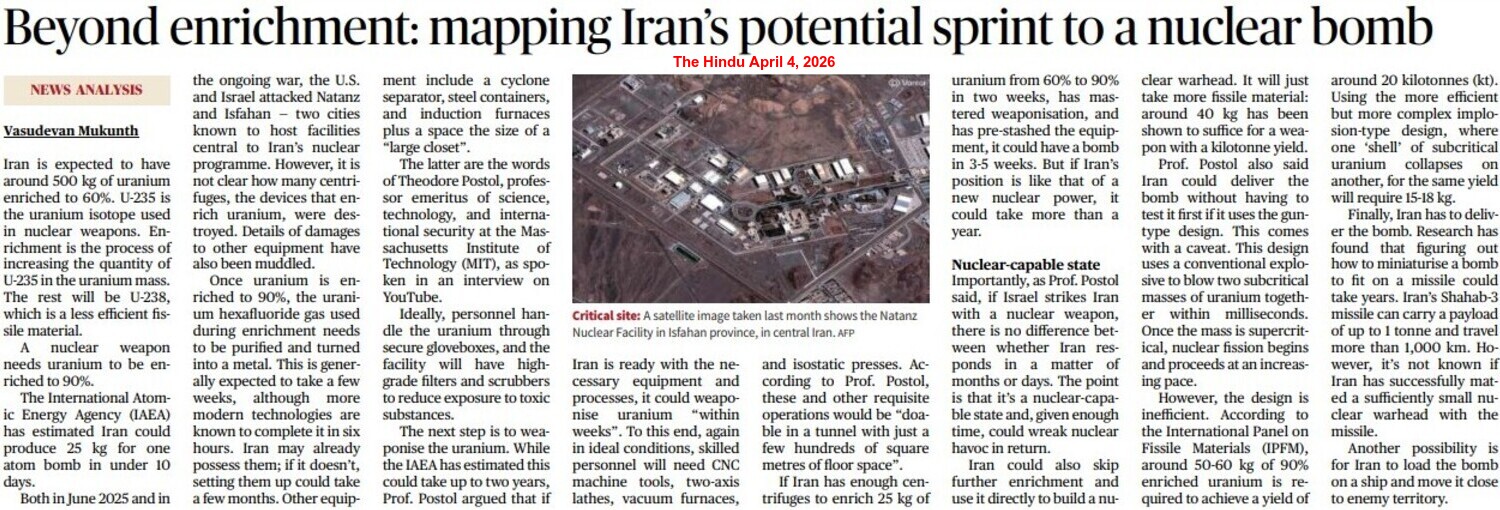
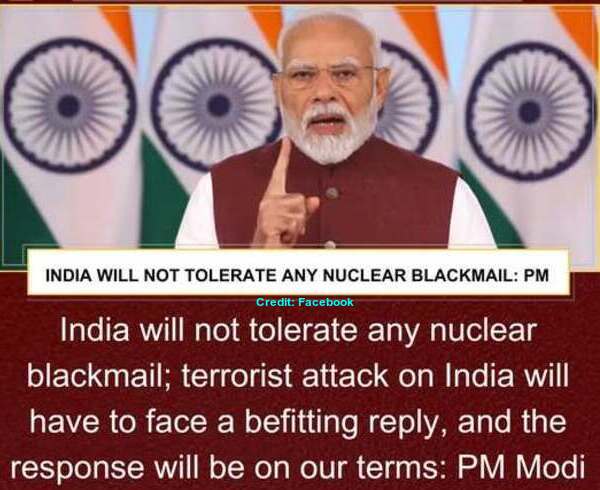
East Asia, too, is experiencing heightened instability driven by intensifying geopolitical rivalry, territorial disputes in the South/East China Seas and a tense nuclear standoff with North Korea. Mounting concerns over China’s intensifying military pressure on Taiwan have prompted a re-evaluation of nuclear deterrence strategies in the Indo-Pacific, with analysts warning of a heightened risk of “nuclear blackmail“. India and Pakistan, the two South Asian rivals, continue to modernise and expand their nuclear arsenals, as well, indicating an unwillingness to reduce their nuclear capabilities.
Moreover, President Trump’s push to acquire Greenland and aggressive actions regarding Iran have triggered a confrontational shift in US-Europe relations, accelerating European efforts toward strategic autonomy. These actions have strained the NATO alliance, leading to crises over territorial sovereignty and energy security. Now, the European nations are considering stronger independent defence measures.
In fact, the US-Iran conflict has significantly exposed flaws in global nuclear non-proliferation by highlighting the fragility of diplomatic agreements and the limits of military pressure. Hence, the global community may witness disagreements between nuclear-armed and non-nuclear states over the NPT review process during the upcoming meetings of the NPT because of a perceived breach of the “grand bargain“, where non-nuclear states forego weapons in exchange for disarmament commitments from nuclear-armed states. It may be noted that the 11th Review Conference of the Parties to the NPT is scheduled to be held from April 27 to May 22, 2026 at the UN Headquarters in New York.
Non-proliferation measures, centred around the Treaty, faced significant challenges in the past and threatened the stability of the global nuclear order. However, the NPT cannot endure indefinitely if major world powers continue to prioritise nuclear weapons as the ultimate security guarantee. It seems that the current global situation is heading precisely in that direction.
Meanwhile,
Boundless Ocean of Politics on Facebook
Boundless Ocean of Politics on Twitter
Boundless Ocean of Politics on Linkedin
Contact us: kousdas@gmail.com

 ISMC
ISMC
