

The Symphony Of Sacrifice & A Shared Project
Perhaps, Iran is the only country in the world where top Generals and Politicians sacrifice their lives first, before their people. In the shadowed tapestry of human conflict, the Islamic Republic emerges as a singular symphony of sacrifice, where the melody of leadership resounds first with the drumbeat of destiny.
Here, top generals and politicians do not linger in gilded halls or whisper strategies from afar. They step forward, hearts ablaze, and meet the reaper’s blade before a single tear falls from the eyes of their people. Their blood becomes the ink of legends, etching tales of unyielding resolve upon the nation’s soul.
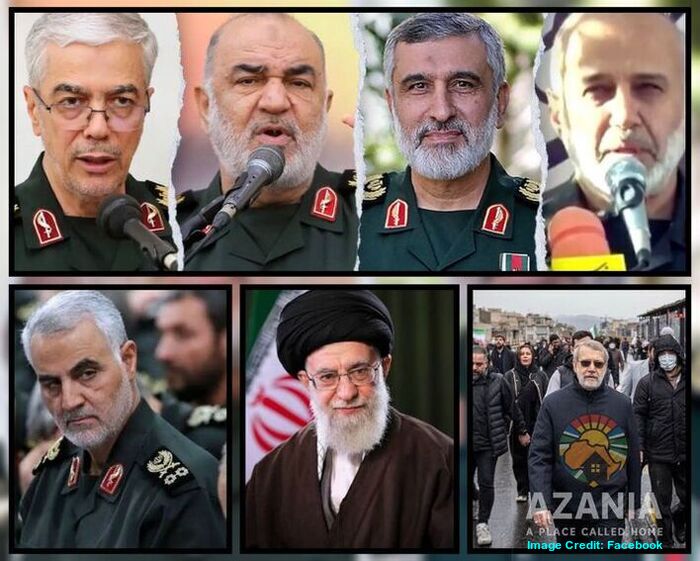
Contrast this with the world’s weary stage. In Israel, amid the thunder of crisis, politicians unfurl their wings and vanish into foreign skies, leaving echoes of abandonment in their wake. In the US, the mighty generals burrow deep into Pentagon bunkers, shielded by concrete and protocol, their commands drifting like distant thunder while the people bear the storm alone. These are not acts of cowardice alone, but symphonies of self-preservation, hollow notes in the grand opera of power.
Iran’s way is ancient and eternal. The shepherd stands with the flock; the captain goes down with the ship. In this radiant defiance, death itself bows, transformed from defeat into a crown of thorns worn proudly. For when leaders die first, the people rise immortal, their spirit unbroken, their flag forever kissed by the wind of true nobility. In Iran, heroism is not a choice, it is the very breath of the nation.
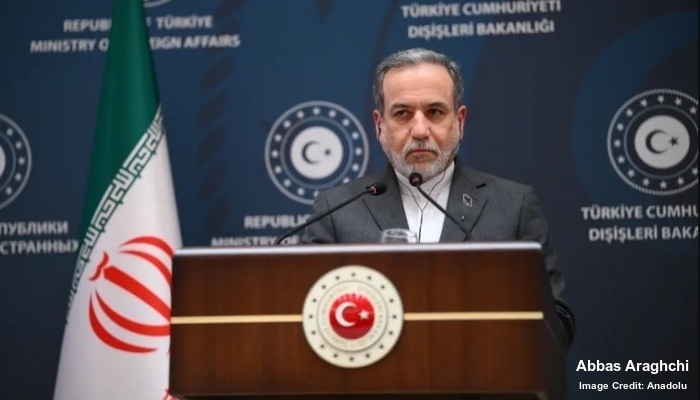
‘US Repeating Mistakes Made In 1960s’
In the current Middle East conflict, the US is seeing a repeat of how in the 1960s, a top US general’s claims of victory in the Vietnam War flew in the face of reality, said Iranian Foreign Minister Abbas Araghchi on March 20, 2026.
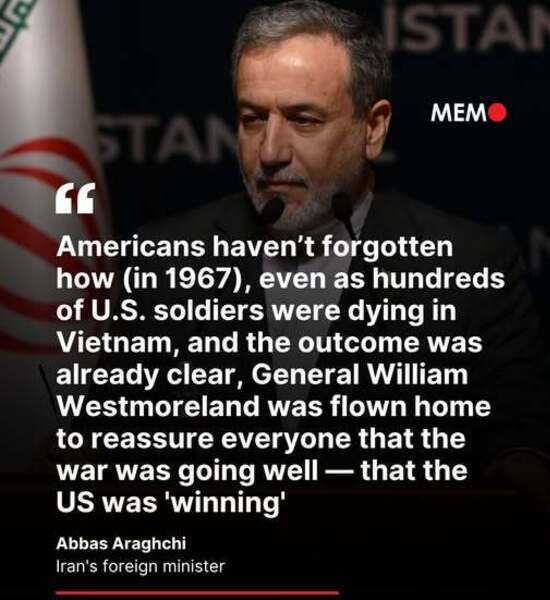
Anadolu quoted the Iranian minister as saying: “Americans have not forgotten how (in 1967), even as hundreds of US soldiers were dying in Vietnam and the outcome was already clear, General William Westmoreland was flown home to reassure everyone that the war was going well – that the US was winning,” added Araghchi.
The minister stressed: “The media have not forgotten either; those briefings full of fantasy from the frontlines became infamous as the Five O’Clock Follies.” Araghchi further said that the “same script, different stage” is playing out today, adding: “US Defence Secretary Peter Brian Hegseth steps up, and the message is still detached from reality.”
According to the Foreign Minister, US officials argue that Iran’s defences are gone, yet an F-35 fighter jet was hit by weapons and went down. “As they declare Iran’s Navy finished, the USS Gerald Ford turns back, and USS Abraham Lincoln drifts farther away. Different decade, same ‘We’re winning’,” insisted Araghchi.
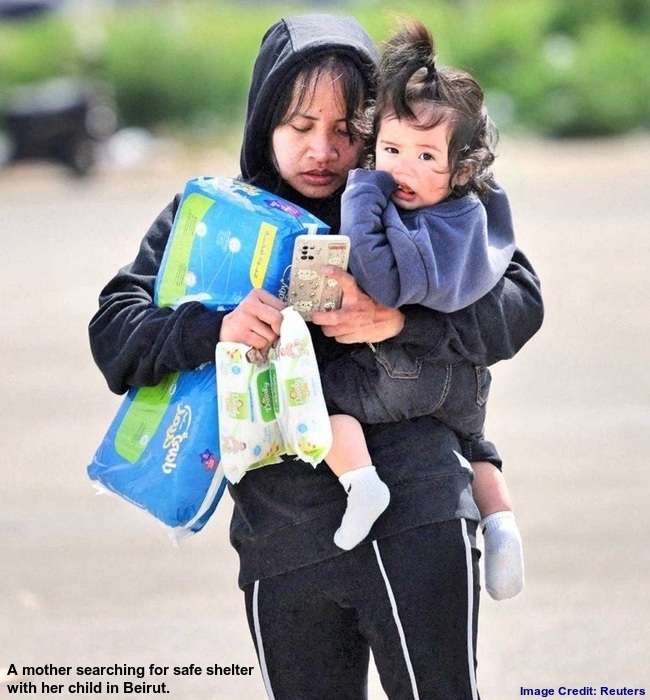
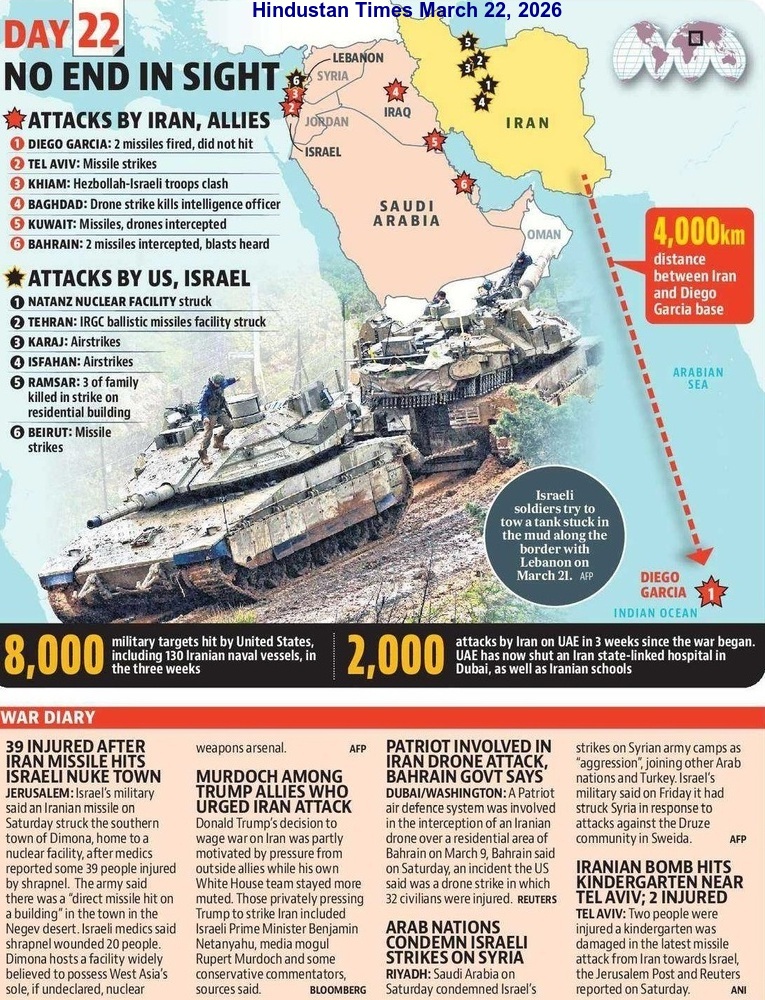
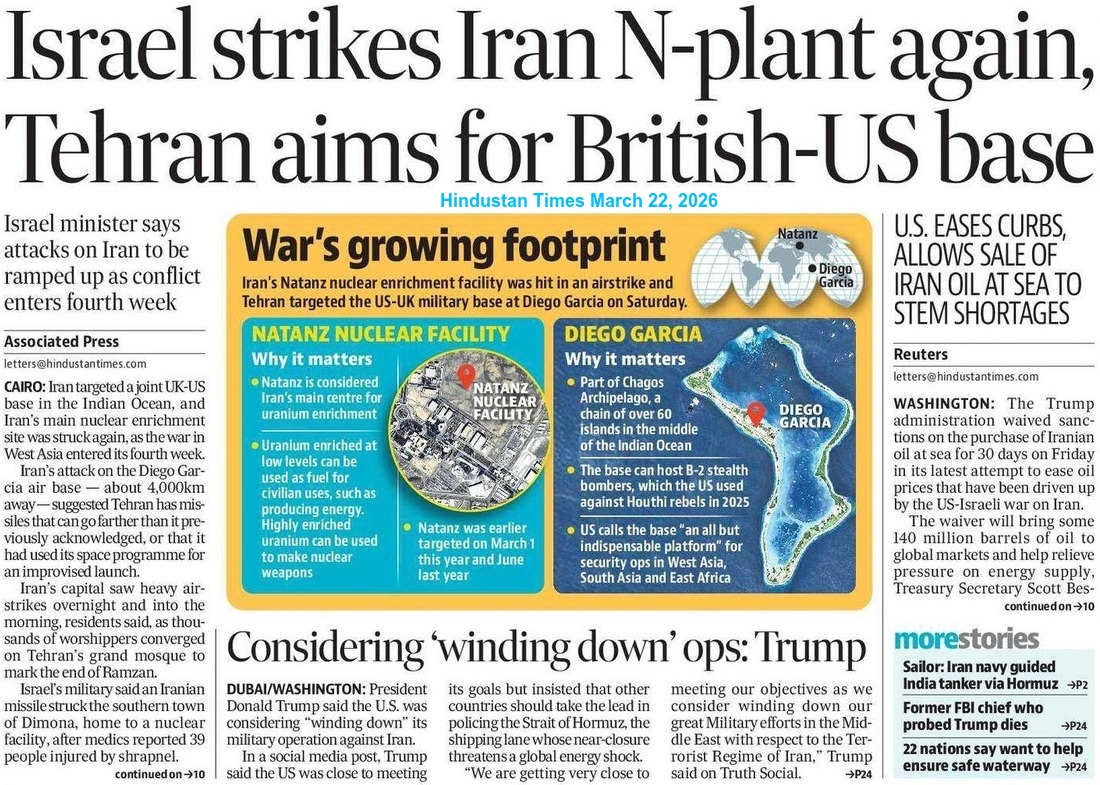
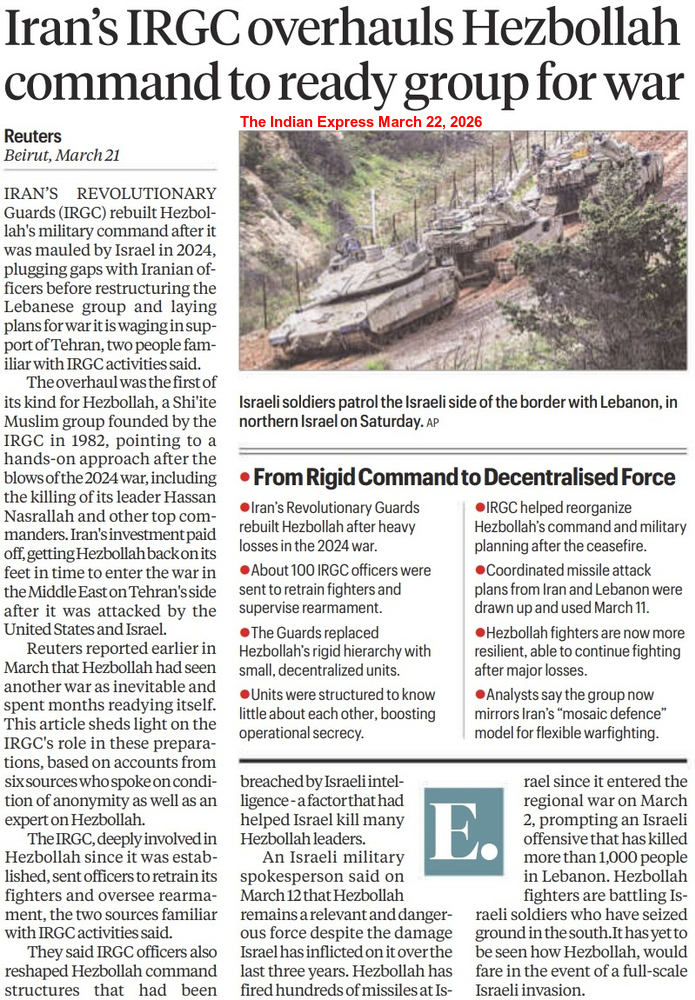
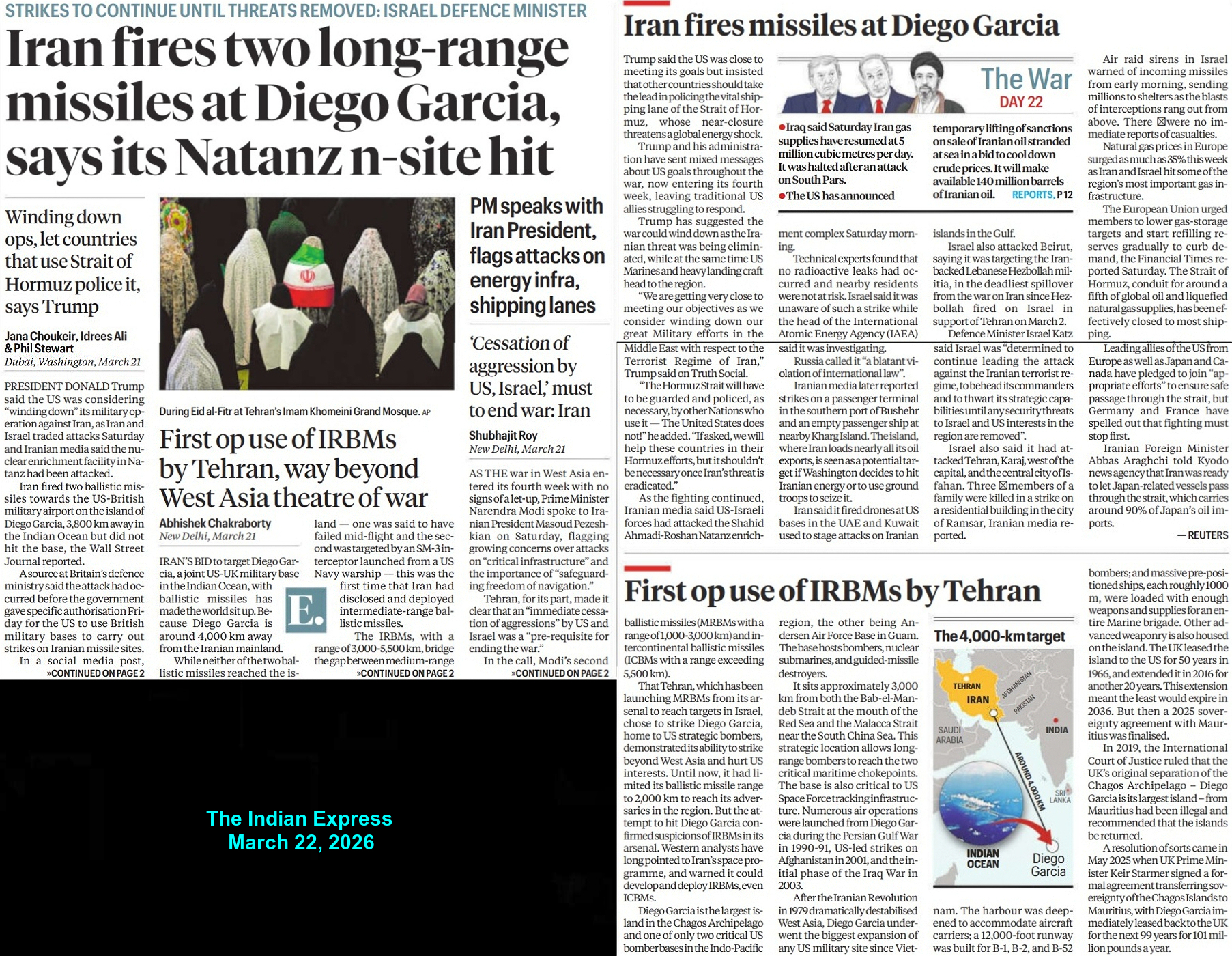
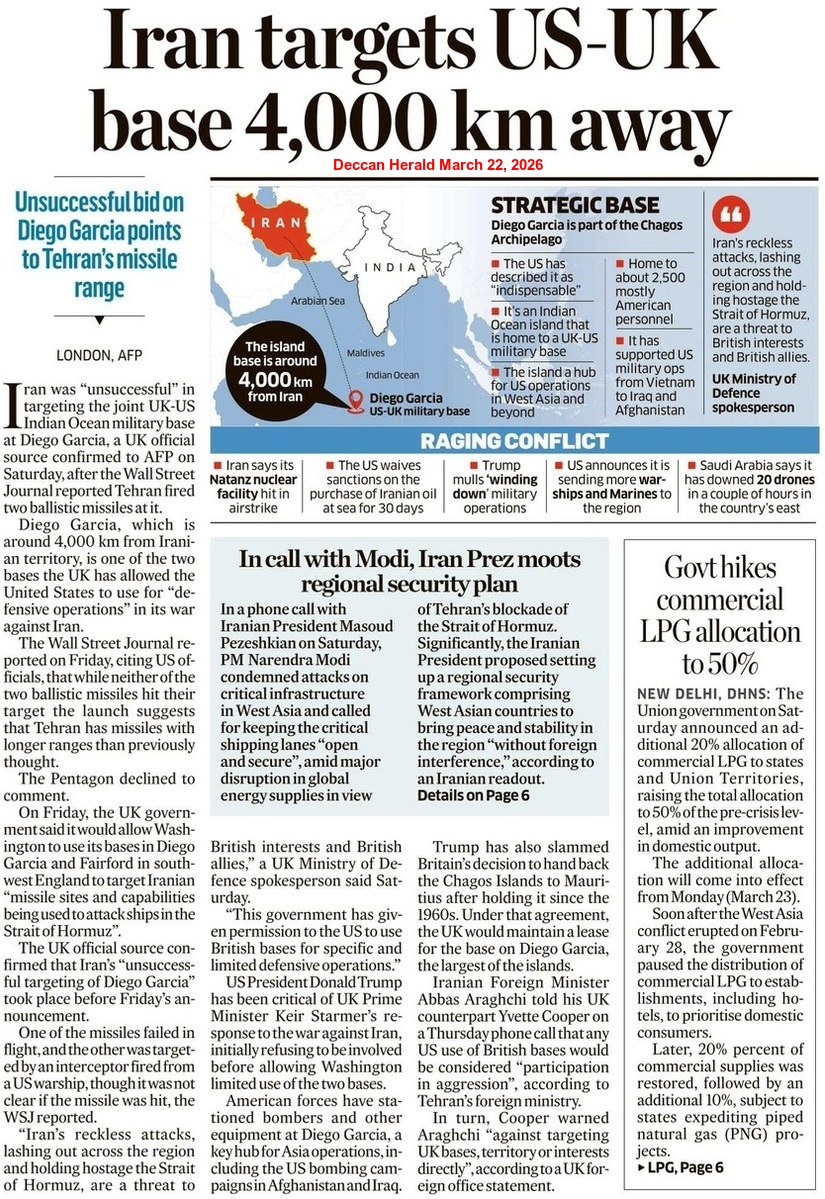
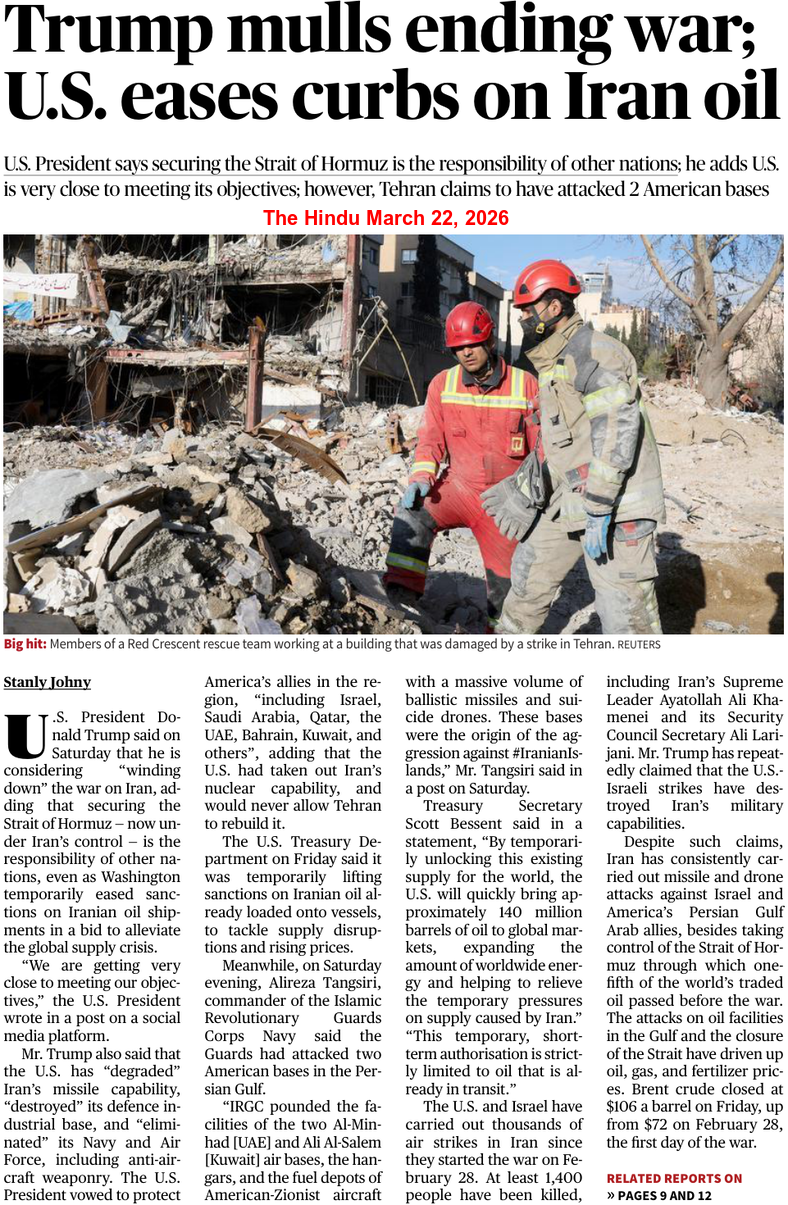
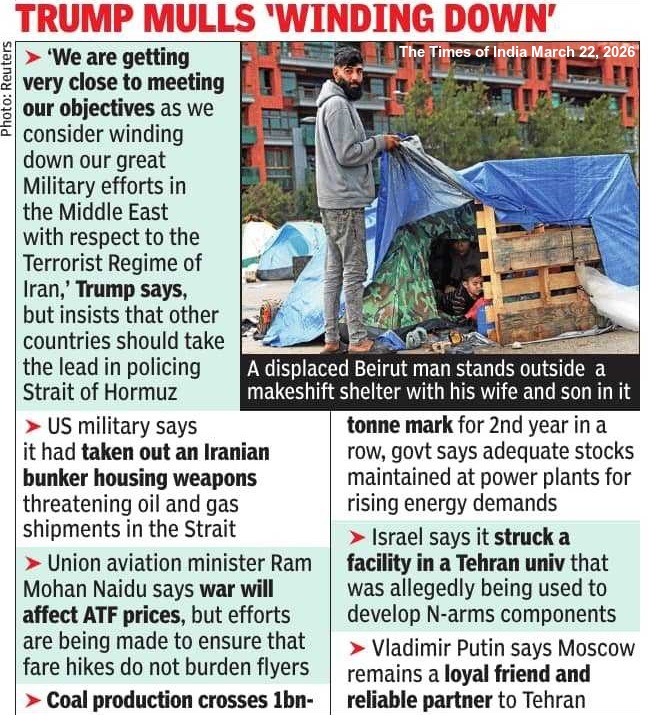
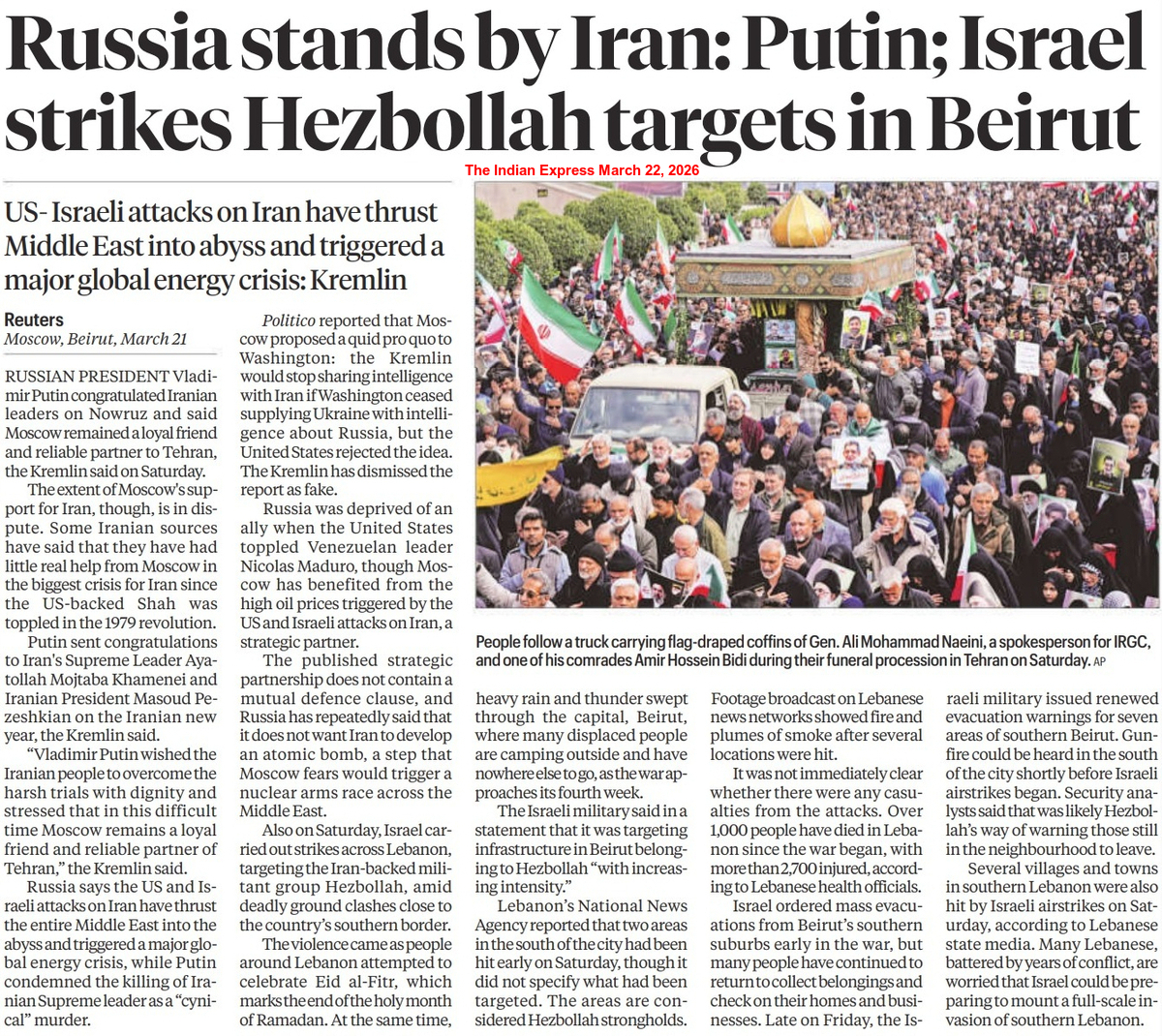
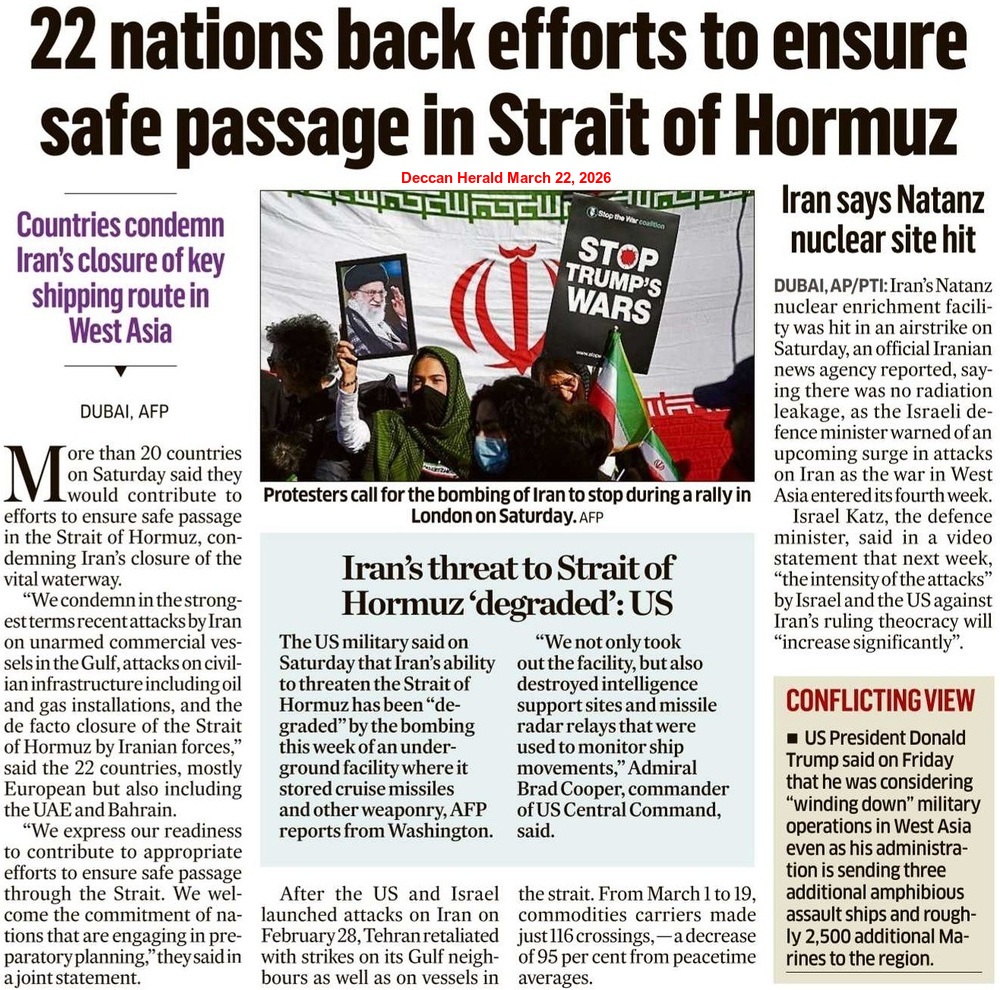
Since Israel and the US launched joint attacks on Iran on February 28, 2026, so far killing some 1,300 people, including Supreme Leader Ayatollah Ali Hosseini Khamenei, hostilities have escalated. Tehran has retaliated with drone and missile strikes, targeting Israel, Jordan, Iraq and other Gulf countries, hosting US military assets.
Rules for the Direction of the Mind
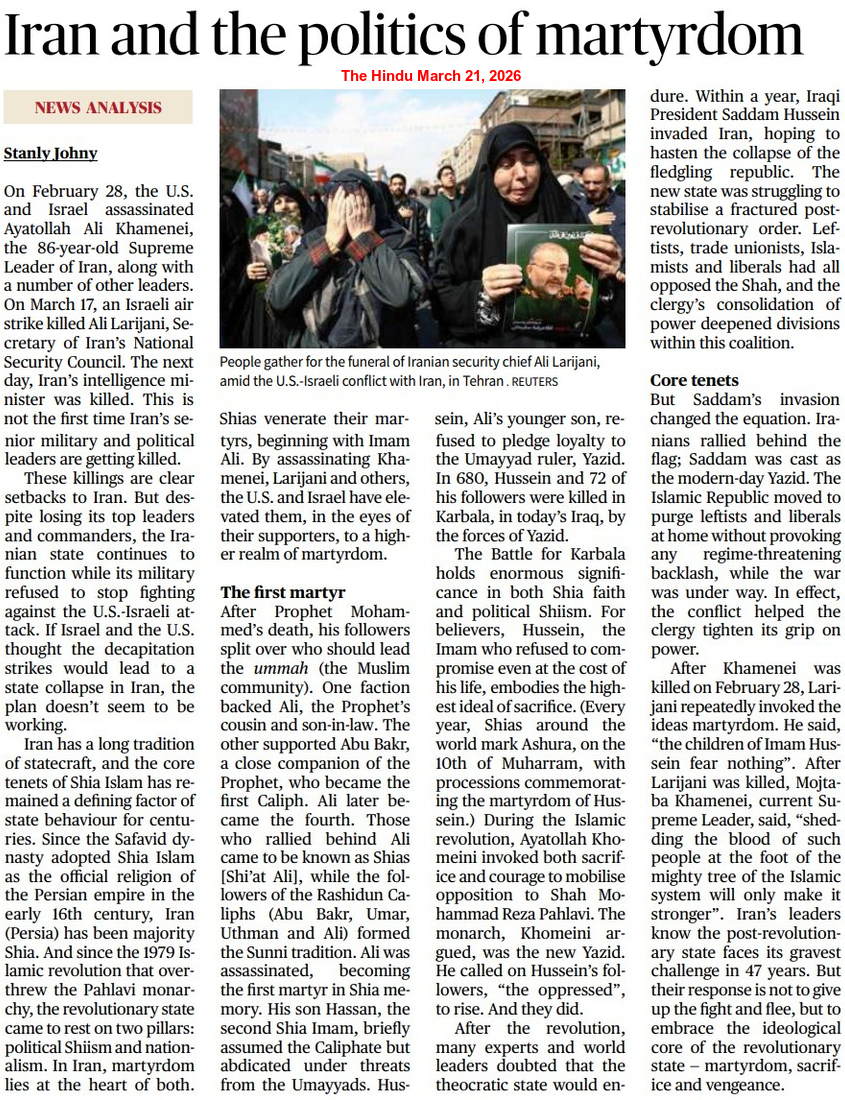
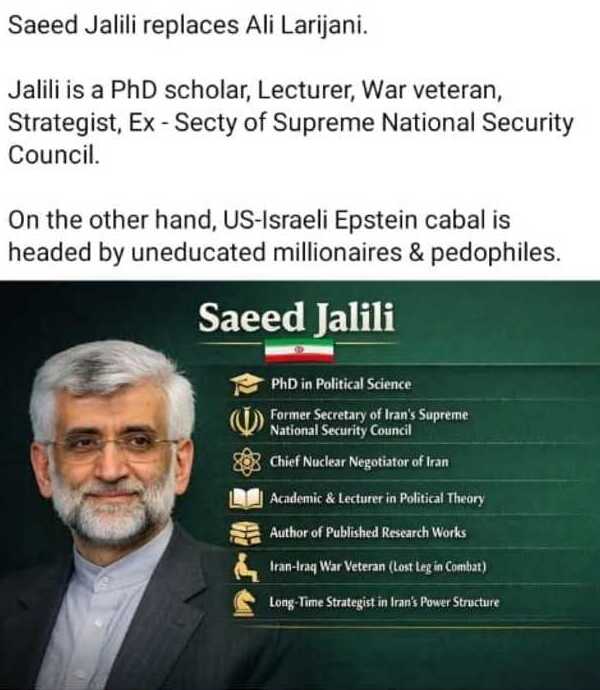
Ali Ardashir Larijani, the military officer, philosopher and the secretary of the Supreme National Security Council who was assassinated in an Israeli airstrike on March 17, 2026, penned a book on René Descartes, titled Critique and Examination of Descartes’ Rules for the Direction of the Mind.
Descartes wrote the Rules long ago. However, his work was unfinished. In his 21 rules, the French philosopher shows how to guide the mind, divide problems, order thoughts, count everything and seek clear ideas. Larijani went through the book minutely and made a serious attempt to understand the method explained by Descartes. He realised that a one should doubt everything uncertain, strip away the false and reach the sure thing.
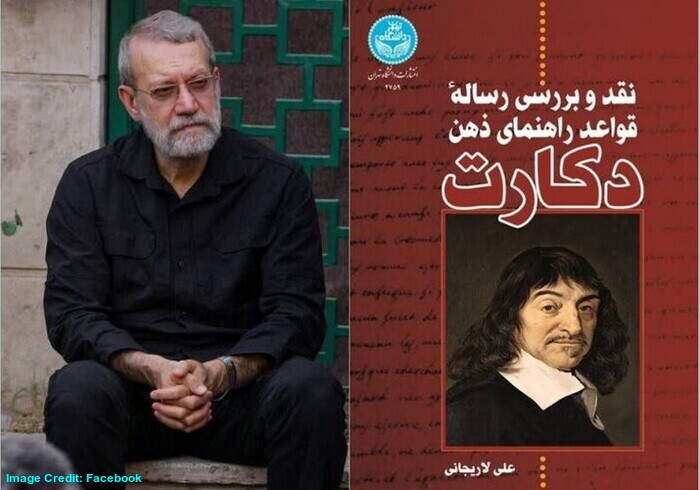
Larijani took the method further… not just for a single person, but for the state. He used to believe that the state must doubt too, doubt foreign models, Western values, international laws that bind and the stories others tell. According to the slain Iranian Security Chief, one should doubt like a knife, cut away imitation, as well as dependence. Then the state shall find its own certainty. “I critique, therefore I am. I think alone, therefore I stand alone,” stressed Larijani.
This is absolute self-possession. The state owns its mind and its path, as there is no outside master. Larijani linked the concept of doubt as explained by Descartes to Iran after the Islamic Revolution. His motto was: Neither East nor West. Build your own reason. Build your own strength. Be patient. Be independent. He tried to mix Descartes with Islamic thoughts. No rejection, only transformation… so that the old method could serve the new state.
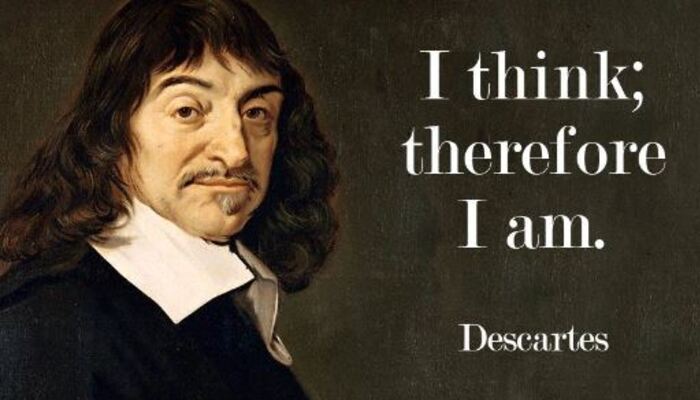
In his publication, Larijani criticised Descartes, as well. He pointed out gaps. However, the core concept remained the same as the author was well aware of the fact that doubt leads to freedom (for the man and the nation).
The Other Side of a Man
After the demise of Larijani, one of his friends shared different aspects of his personal life. The friend, who wished to remain anonymous, wrote: “A few months ago on an autumn afternoon at their home, I met his wife. We were supposed to talk about her mother, but throughout our entire conversation, Ali never left her lips.”
She quoted his wife Farideh Motahhari as saying: “When Ali is not at home, it feels like my hands have been cut off! When Ali is here, he does all the household chores. Without me even asking him to, he moves the groceries. He cleans the vegetables, chicken and washes the dishes.” The friend stated: “My mouth hung open at the thought: how could a man who carries Iran’s National Security on his shoulders outside the home be able to clean chicken and wash dishes at home.” She added: “Ali had not been at home for six months. Ever since the 12-Day War, he was no longer allowed to have a normal life.“
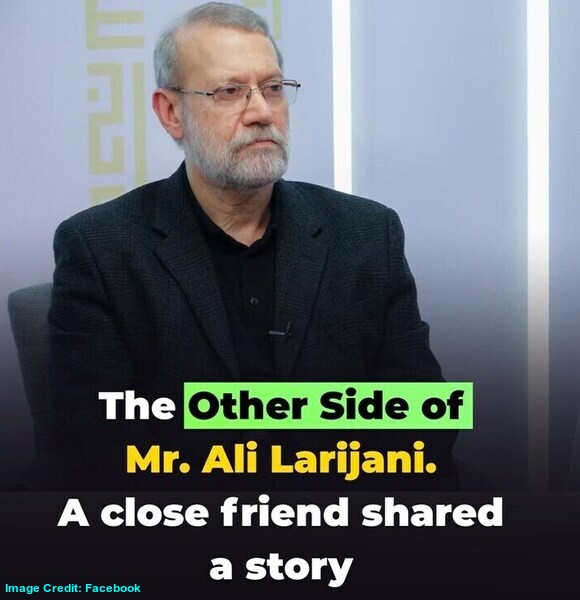
A man, whom the superpowers had put a bounty on to kill, was a romantic soul with a heart of a young man, a seasoned demeanour and calm maturity. Farideh said: “Ali never took a salary from the Parliament, nor for his later responsibilities. His salary for years has been the same as a university professor, from which he even deposits a portion each month into the public treasury so as not to be indebted.” His wife added: “When we were buying this house, we needed money and my daughter suggested, ‘Dad, couldn’t you take your back pay from the Parliament?’ But Ali refused, saying: ‘We owe this country so much. I have no claims.’”
These words were said by someone who, from the very first day of the Islamic Revolution, had not spent a single moment in comfort, and had run and toiled for his country. Farideh further said: “Ali’s family was above my family, and they had plenty of land and sheep in the north. But the house they had chosen for us after marriage was so small that Agha Shaheed Motahhari (the Father of Farideh) had to buy two sofa sets and two carpets for his daughter’s dowry to fill the empty spaces in the house.“
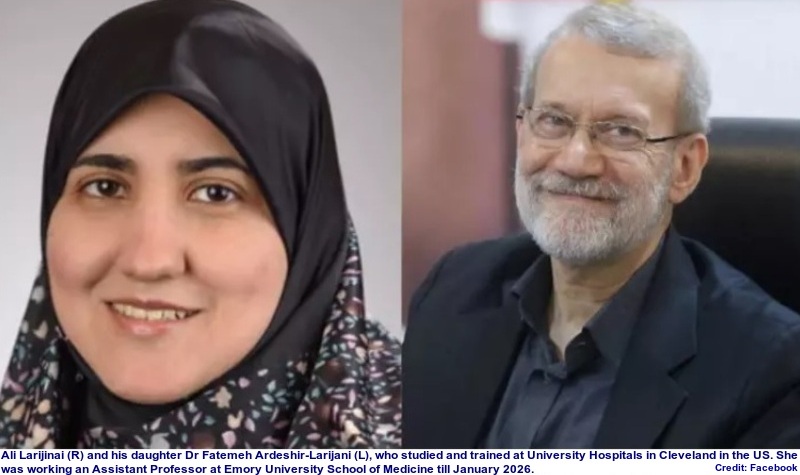
Those same sofa sets and carpets are still in Farideh’s residence as the Larijani family has no other sofas besides the ones that Martyr Motahhari had bought 40 years ago. It is not strange at all. Farideh continued: “In these four decades since my father’s martyrdom, Ali has been a father to me and a husband and a friend and a teacher. I cannot bear to see even a single hair missing from his head.“
Read: Now, Who Will Drive Iran’s Diplomacy?
Meanwhile, the friend stated: “When I read the news of Ali’s martyrdom with the phrase ‘Ali Larijani has been martyred’, I was not worried about him at all or even the revolution. But I thought a lot about Farideh. About a woman whose father Morteza was martyred one day and now, her friend, teacher and husband – who, when he was not at home, feels like Farideh’s hands have been severed – and even her son Morteza, who had a beautiful voice and gave a lovely call to prayer. I am sure that a single sigh from this woman could uproot the US and Israel.”
A Shared Project
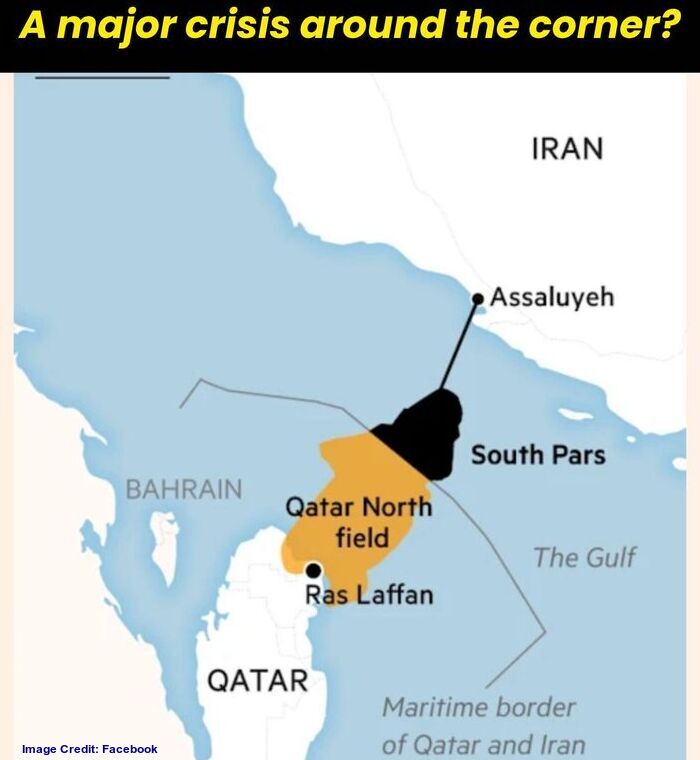
What has just happened in the Persian Gulf is not a routine escalation, not a symbolic exchange of fire and not even a conventional strike on energy assets. It is something far more consequential. The South Pars-North Field complex, the single largest natural gas reservoir on the planet, has now seen both sides of its infrastructure come under attack. That matters, in a way, most headlines are not capturing.
This is not two separate projects, but one shared geological field, divided between Iran and Qatar, responsible for roughly a fifth of global LNG supply. It has taken decades to build the extraction, processing and export systems that allow this gas to reach the world. And critically, the vast majority of its reserves still lie untapped. So, this is not just about immediate disruption. It is about the stability of future supply.
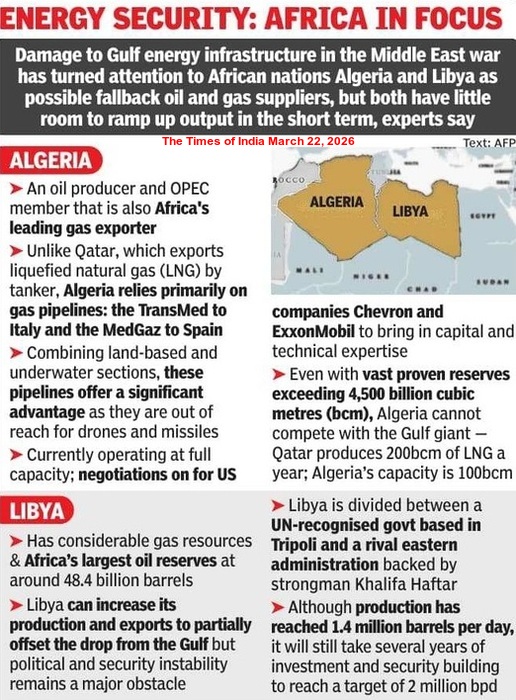
Energy systems depend as much on confidence as they do on physical infrastructure. Once a site of this scale becomes a military target, the assumptions that underpin investment, insurance and long-term contracts begin to erode. Even if repairs are made, the risk does not disappear. It becomes priced in, permanently. For import-dependent economies, like India, the implications are direct. A significant share of LNG imports originates from this region. Replacing that volume is neither simple nor quick. Global capacity is tight, alternatives are limited and competition for supply will intensify, if disruptions persist.
The consequences will not arrive as a single shock. They will unfold gradually. Higher input costs, pressure on power generation, rising fertiliser prices, and eventually, policy interventions. Governments may step in to manage supply. Some may restrict exports. In prolonged scenarios, rationing cannot be ruled out. Overlaying this is a more troubling geopolitical shift.
The question of who authorised or supported the initial strike is, at this point, lesser important than how it is perceived. In a region as tightly monitored as the Gulf, it is difficult to accept that such an operation occurred without broader awareness. Whether acknowledged or denied, the strategic signal has been sent.
Iran’s response suggests it has chosen escalation over restraint. It exposes a deeper miscalculation. The expectation that sustained pressure would force rapid capitulation now appears misplaced. Instead, it has produced the opposite effect, reinforcing a willingness to retaliate even at higher cost. That, in turn, complicates any path back to negotiation.
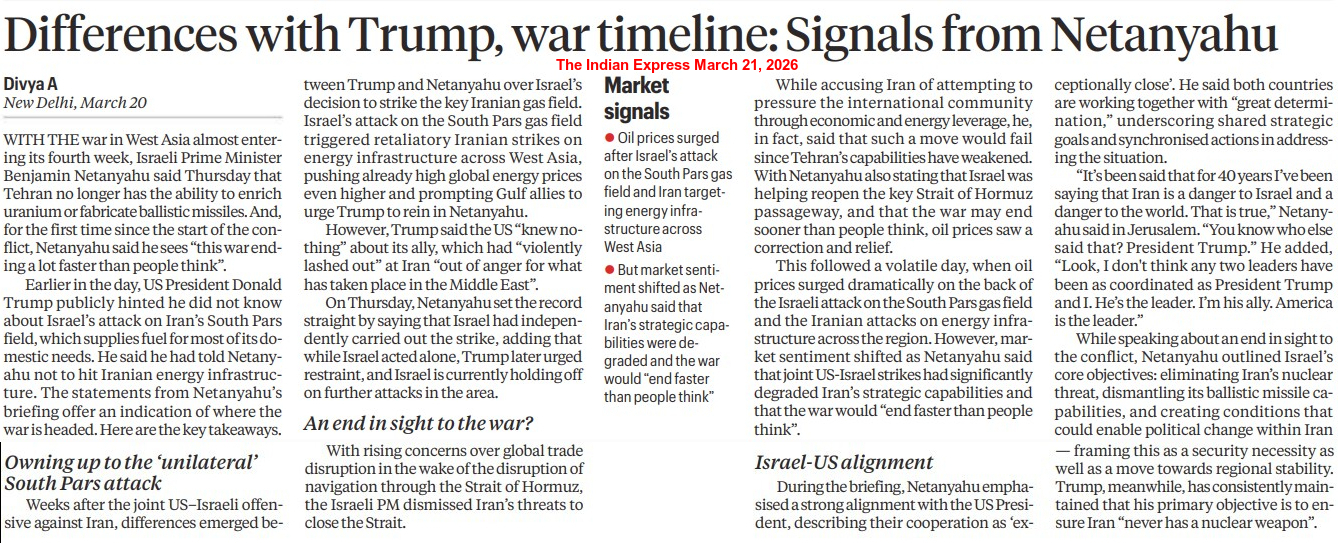
Diplomacy relies on a minimum level of trust and predictability. When engagement repeatedly gives way to military action, that foundation weakens. Rebuilding it is far more difficult than breaking it. The shift in tone from Washington DC, particularly calls for restraint after initial escalation, reflects an awareness of these risks. However, options are narrower at this stage. De-escalation is no longer a matter of intent alone. It requires alignment across actors who may no longer share the same incentives.
The broader concern is the precedent now being set. If critical energy infrastructure of global significance becomes a legitimate target, the nature of conflict itself changes. Economic systems, supply chains and the cost of civilian structures become directly exposed to military decisions. The boundary between battlefield and global economy begins to dissolve. This is why the current moment deserves closer attention than it is receiving.
The full impact will not be immediate. It will surface over time, in prices, in supply constraints and in policy responses that signal stress beneath the surface. By the time it is widely recognised, the shift may already be entrenched. This is not just another episode of regional instability. It may well mark the point at which the global energy system becomes an open theatre of conflict.
Collected from Social Media & Middle East Monitor.
Meanwhile,
Boundless Ocean of Politics on Facebook
Boundless Ocean of Politics on Twitter
Boundless Ocean of Politics on Linkedin
Contact us: kousdas@gmail.com

 ISMC
ISMC Boundless Ocean Of Politics