

The Awakening
The snap Parliamentary Elections of Serbia, held on October 25, 2026, have not only ended the 14-year rule of populist President Aleksandar Vučić’s Serbian Progressive Party (SNS), but also delivered a strong message to the global community. The message is that the entrenched power ignores at its peril: organised and sustained public anger can trigger the fall of a government that appears firmly in control. While the SNS managed to secure just under 40% of the votes, the opposition Student List won around 53%.
A student-led movement has ousted Vučić’s party through ballots and also destroyed his political establishment. This way, an outrage over a fatal infrastructure disaster turned into a demand for political accountability. The outcome of the Parliamentary Elections is not a mere change of government, but it throws a strong challenge to the belief that institutional influence, nationalist rhetoric and economic promises can indefinitely shield a ruler from the consequences of public distrust.
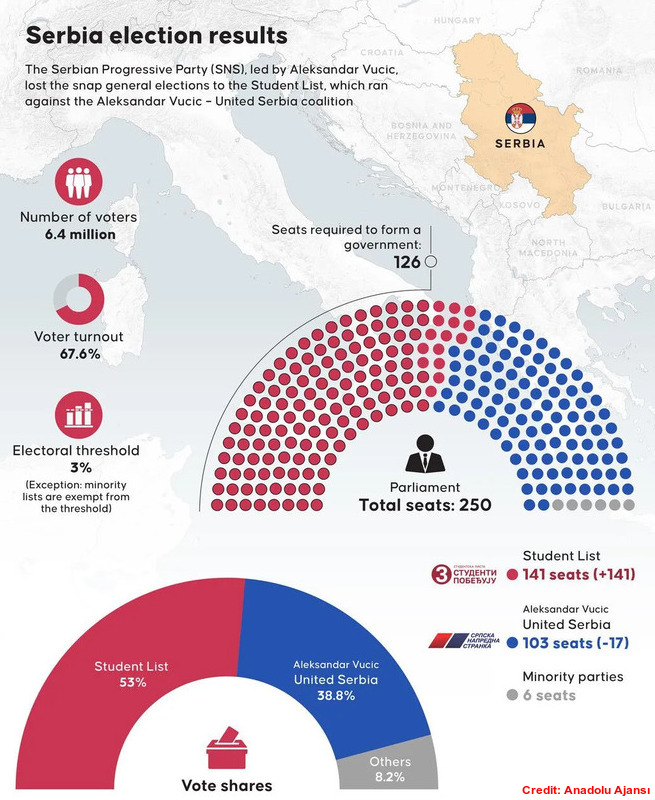
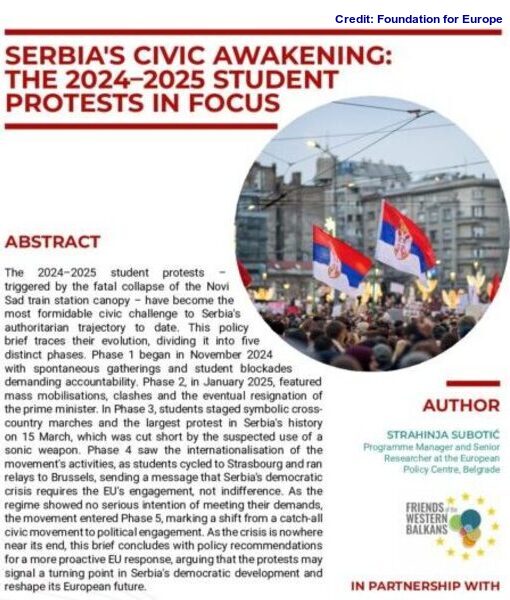
Political analysts are of the opinion that the collapse of a concrete canopy at Novi Sad railway station in November 2024, which claimed 16 lives, had a huge impact on the public mind. The episode of public mourning and demands for an investigation gradually became a national reckoning with corruption, negligence and political accountability. It also prompted students to launch nationwide protests and they eventually drew support from common people. The electoral success of the students rightly demonstrates the potential of civic mobilisation in order to overcome the fragmentation, which often weakens conventional Opposition politics. Ultimately, Vučić’s SNS, which had dominated national politics since 2012, has to pay a heavy price.
Although it is not possible for Vučić to seek a third presidential term, he would certainly try to retain power through a return to the premiership. However, it would be a tough task for him as the electoral defeat of his party already exposed the limits of his political model that is based on nationalist rhetoric, centralised authority and material inducements. Vučić made a huge mistake by ignoring persistent questions about institutional independence and accountability.
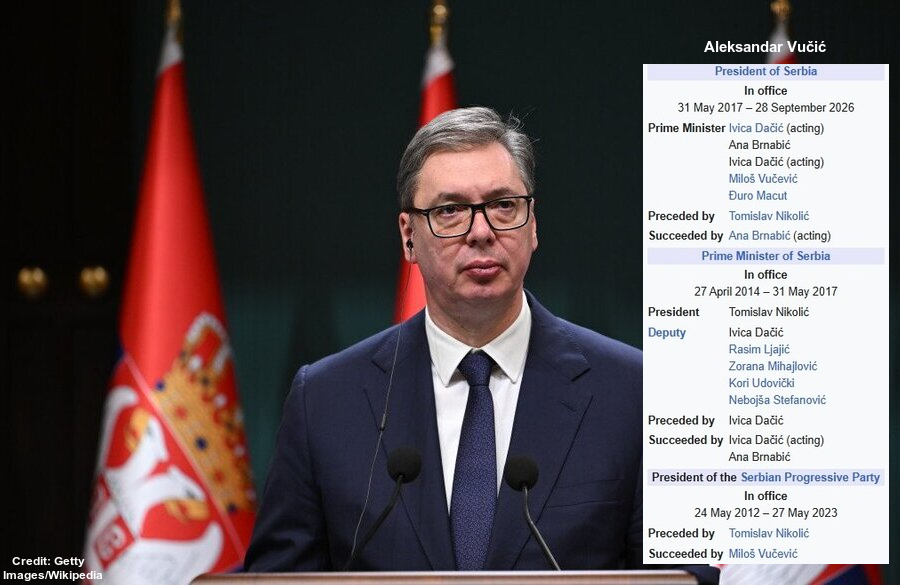
During poll campaign, Vučić promised to increase pensions, public-sector salaries and healthcare investment to win the trust of voters. However, his promise failed to convince people who want a more trustworthy system of governance. This public demand helped turn students’ protests into an electoral force. At the same time, it has made the task difficult for the new government that would have to make difficult compromises in order to make necessary changes in economic policy, foreign relations and to carry out institutional reforms.
The Student List party would have to work really hard to translate its anti-corruption commitments into durable institutional change. The List-led government would have to punish the wrongdoers on the basis of evidence and due process of law, without becoming an instrument of political revenge. Similarly, public broadcasting must be insulated from partisan control, state enterprises must cease to function as repositories of political patronage and law-enforcement agencies must apply the rules impartially. Replacing one network of loyalists with another would only betray the central promise of the movement.
The international position of Serbia presents another challenge. The former Yugoslav Republic’s pursuit of European Union (EU) membership has coexisted with close ties to Russia and a refusal to align fully with Western policy towards the Russian invasion of Ukraine. Belgrade would have to think about this, as well. The new government would have to decide how far it is prepared to translate democratic reform into a more consistent European orientation without wasting time. One should keep in mind that Brussels would judge the performance of the new Serbian leadership by closely monitoring the institutional progress, and not political symbolism.
Of course, the recently-held elections have brought an opportunity for democratic renewal, but cannot guarantee it. Students have already shown that sustained civic resistance can defeat an entrenched ruling party through the ballots. However, their real task begins now as they have to prove that accountability applies not only to the vanquished, but also to the victors. The awakening of Serbia will go in vain if it produces institutions stronger than the politicians who once controlled them.
Meanwhile,






Boundless Ocean of Politics on Facebook
Boundless Ocean of Politics on Twitter
Boundless Ocean of Politics on Linkedin
Contact us: kousdas@gmail.com

 ISMC

