

A Different Breeze
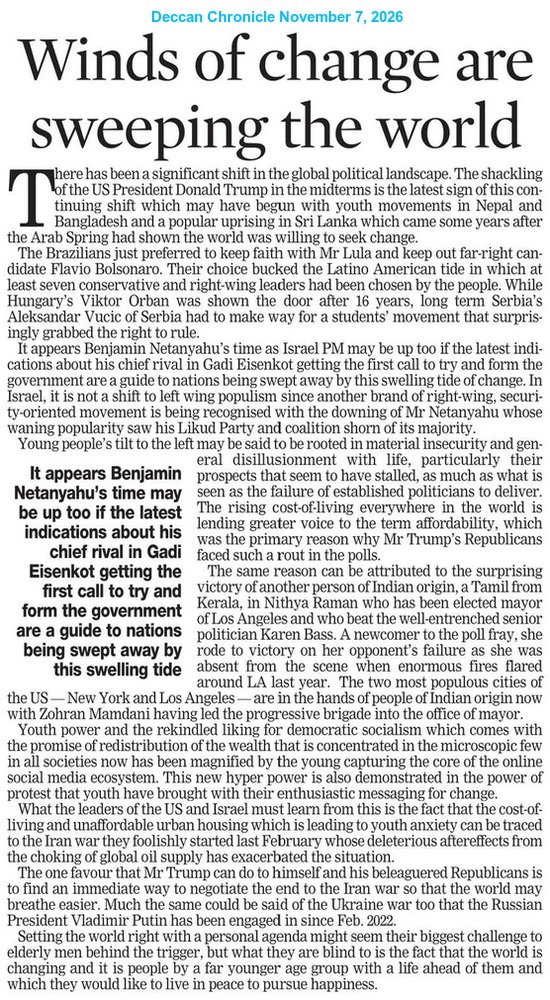
A dramatic shift has recently taken place in the domestic politics of Brazil, the largest democracy in Latin America. Veteran left-wing leader Luiz Inácio Lula da Silva was elected President for the fourth time, defeating far-right candidate Flávio Nantes Bolsonaro, the son of former President Jair Messias Bolsonaro, in a Second-Round Runoff; even after trailing by a narrow margin in the First Round of voting. Lula’s electoral victory not only broke a consecutive string of right-wing presidential victories in Latin America, but also offered a significant counterweight to the conservative wave sweeping the region. It may be noted that right-wing populist forces have emerged in neighbouring Argentina, Chile, Peru and Colombia in recent times.
According to political analysts, Lula’s victory saved the left-wing governments of Mexico and Uruguay from becoming isolated. In other words, the left-wing governments of Mexico and Uruguay would become isolated, had Bolsonaro won the Presidential Election. In his victory speech in São Paulo, Lula declared that “Brazil will not accept being anyone’s backyard“, sending a clear message against foreign interference and the hegemonic Donro Doctrine of the US.
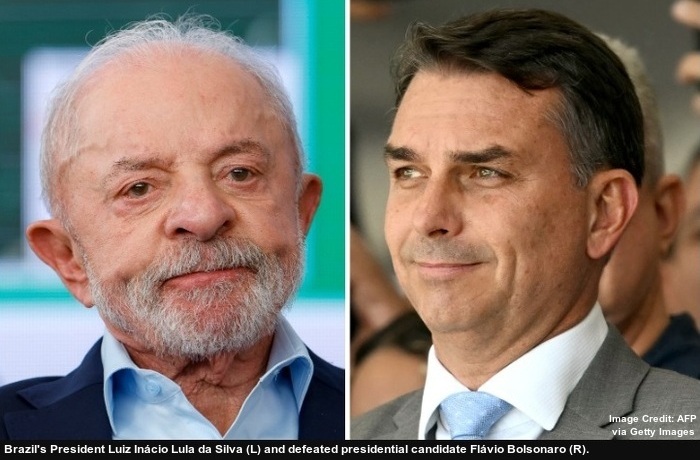
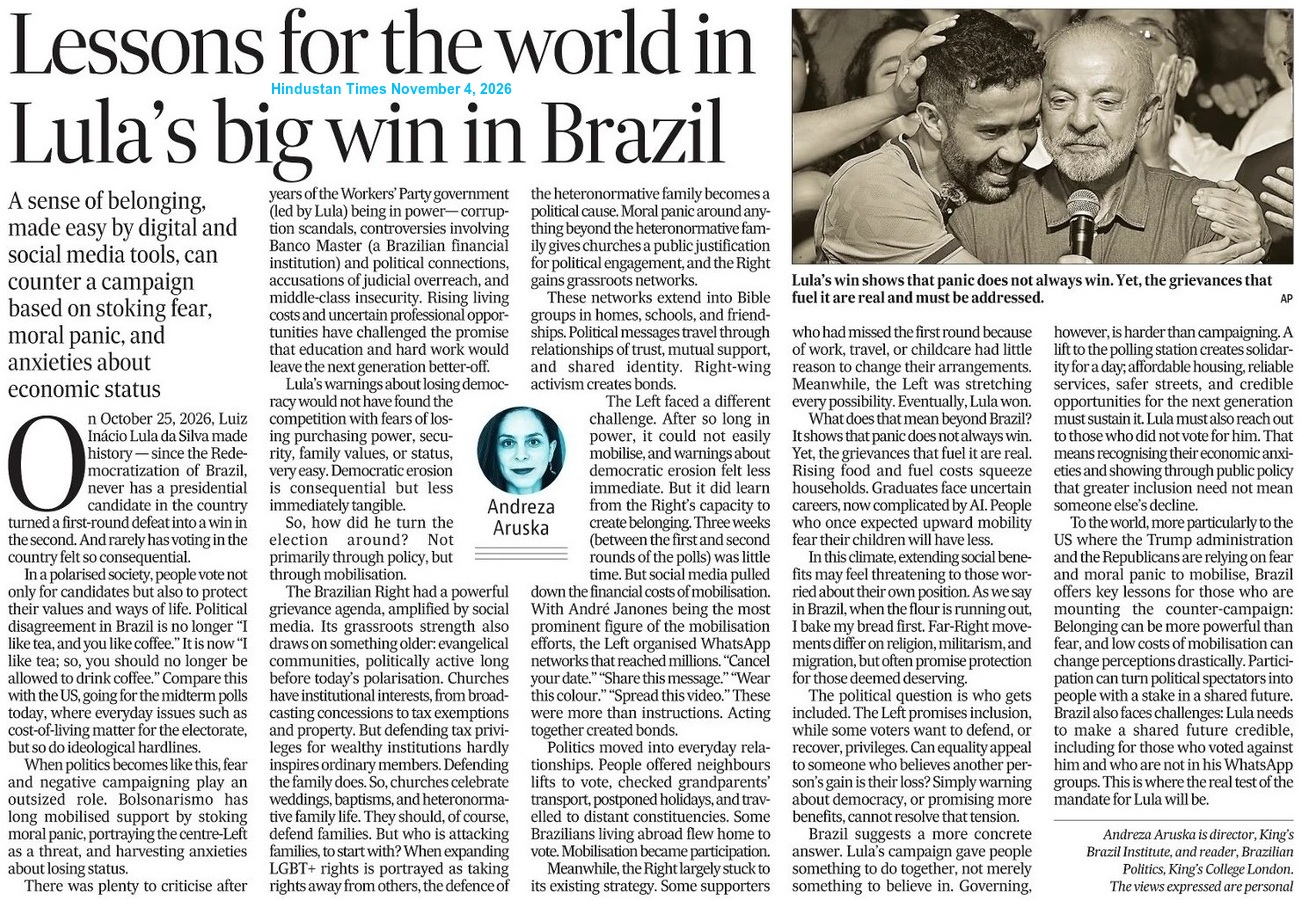
Lula has taken charge of the world’s fifth-largest country by area and the seventh-largest by population (after defeating Bolsonaro in a tight runoff vote of 51.8% to 48.2%) following a highly polarised election, underlining the profound internal divisions within Brazil. During the tenure of former President Jair Bolsonaro, the destruction of the Amazon rainforest, gross mismanagement during the COVID-19 Pandemic and an economic downturn left the Latin American country in a state of crisis. In such a situation, Lula has managed to address (at least to some extent) the internal social polarisation by forging a broad, all-party political coalition.
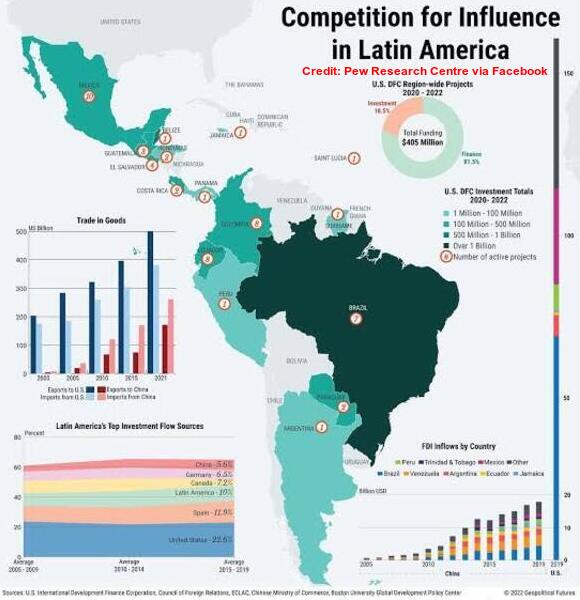
At the same time, managing US pressure in the realm of regional geopolitics was also a major challenge for Lula. Historical analysis by various International Relations scholars and historians show that the US has long exerted significant influence in Latin America. However, Lula has quite astutely maintained Brazil’s strong economic ties with China, while simultaneously signalling a willingness to work collaboratively with the US on Climate Change.
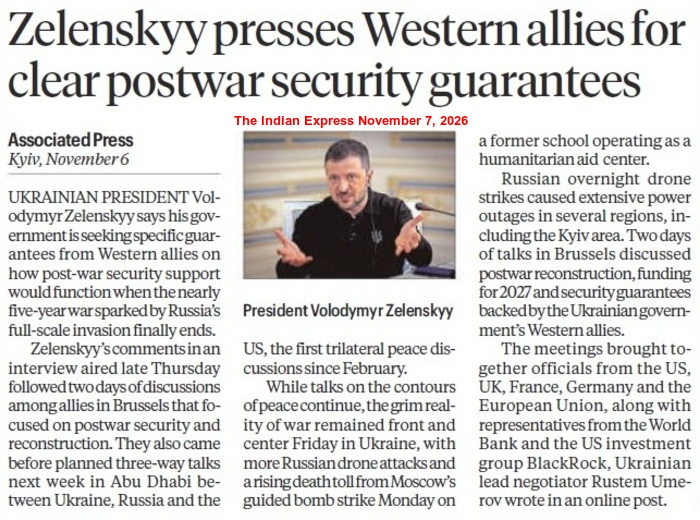
When Lula’s victory is viewed alongside the Serbian General Elections in Eastern Europe, a notable global trend emerges. Serbia’s long-standing populist leader Aleksandar Vučić‘s Serbian Progressive Party (SNS) has conceded defeat in historic General Elections following a two-year-long students’ movement against corruption and authoritarian rule in the former Yugoslav Republic. It may be noted that Vučić was in power for nearly 14 years. The victory of the students-led Student List in the Balkan nation and the youth-driven resurgence behind Lula’s win in Brazil may well be linked by the same underlying thread: The collective resistance of the younger generation against authoritarian tendencies in the 21st Century world.
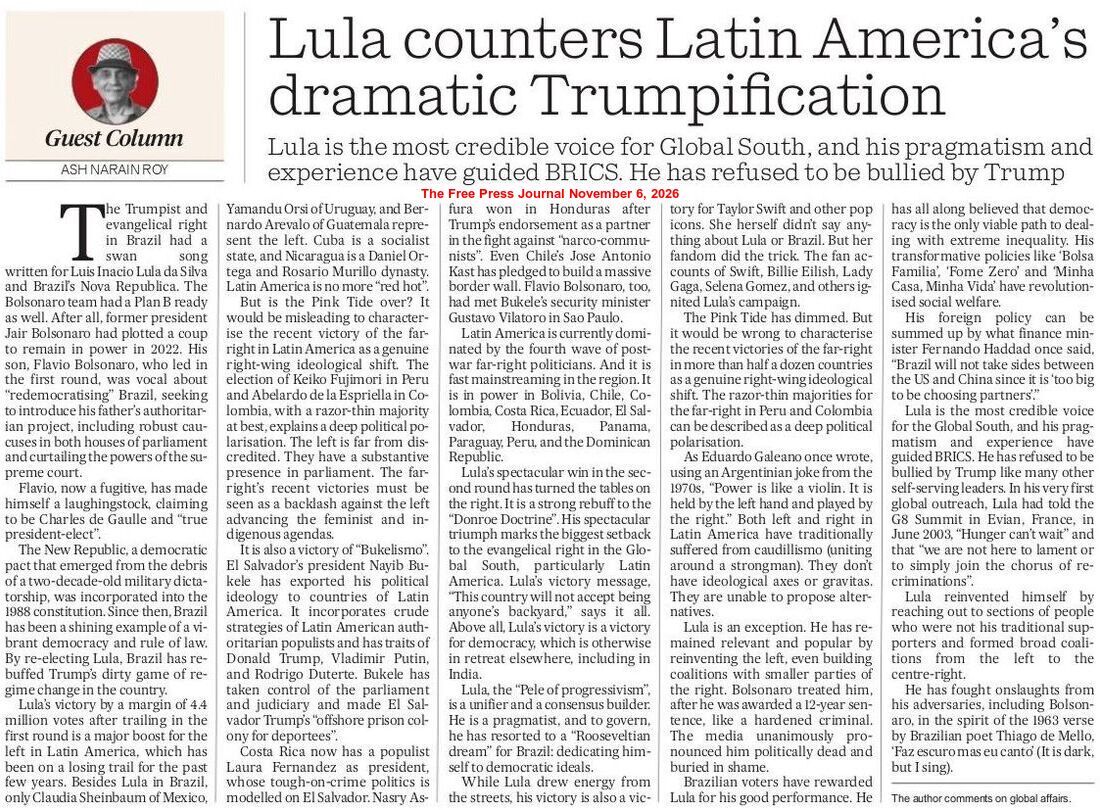
The significance of Lula’s fourth term as the President of Brazil is immense in the context of global geopolitics. It is a major diplomatic setback for US President Donald John Trump, as Lula stands as a barrier to the US’ unchallenged hegemony in Latin America. On the other hand, he has also emerged as a new symbol of hope for the countries of the Global South. Lula’s victory will certainly ensure political cohesion within the Global South and the BRICS alliance, as well.
Of course, the path ahead for Lula will not be a smooth one as he will have to tackle a sluggish national economy, increase the purchasing power of his countrymen, lower the interest rates and address issues related to mounting household debt. Yet, this election itself is proof that people are the ultimate source of power. It remains to be seen whether the victory of Lula in Brazil and Student List in Serbia will provide fresh momentum to progressive politics worldwide.
Meanwhile,
Boundless Ocean of Politics on Facebook
Boundless Ocean of Politics on Twitter
Boundless Ocean of Politics on Linkedin
Contact us: kousdas@gmail.com

 ISMC

