

A Wake-Up Call
The World Health Organisation (WHO) has released specific global guidelines for managing obesity or excess weight among children and adolescents. The directive represents a watershed moment not only for medical science, but also for the formulation of broader public health policy.
According to the WHO, the prevalence of obesity among five- to 19-year-olds quadrupled globally between 1990 and 2022, rising from 2% to 8%. In its new guidelines, the UN agency responsible for international public health strongly advises against the use of weight-loss medications (such as GLP-1 receptor agonists), bariatric surgery or weight-management devices for children aged nine years or younger (0-nine years old).
For young children, the organisation has stressed on non-pharmacological, supportive lifestyle measures, including healthy eating, regular physical activity and sustainable behavioural changes delivered individually or through structured programmes. As far as adolescents (10-19 years) are concerned, the WHO has prescribed approved weight-loss medicines (like GLP-1 receptor agonists) only if a supervised, multi-component lifestyle programme fails to achieve desired results. Similarly, bariatric surgery has been restricted to adolescents under strict clinical conditions for severe obesity.
The guidelines are highly relevant at the present time. At a time when the market is flooded with various weight-loss injections and drugs for treating obesity in adults, there is growing commercial pressure to administer the same products to children, as well. However, such artificial intervention – Anti-Obesity Medications (AOMs), hormonal treatments, intensive medications or restrictive diets – during childhood can have long-term adverse effects on hormones and the body’s natural growth. It may be noted that obesity is not merely a physical issue; it leads to bullying, social exclusion and psychological distress among children. Hence, this scientific and human-centric stance by the WHO is a timely one, as it seeks to curb the tendency to rely on quick-fix medications rather than addressing the root cause of the illness or temporary symptom management.
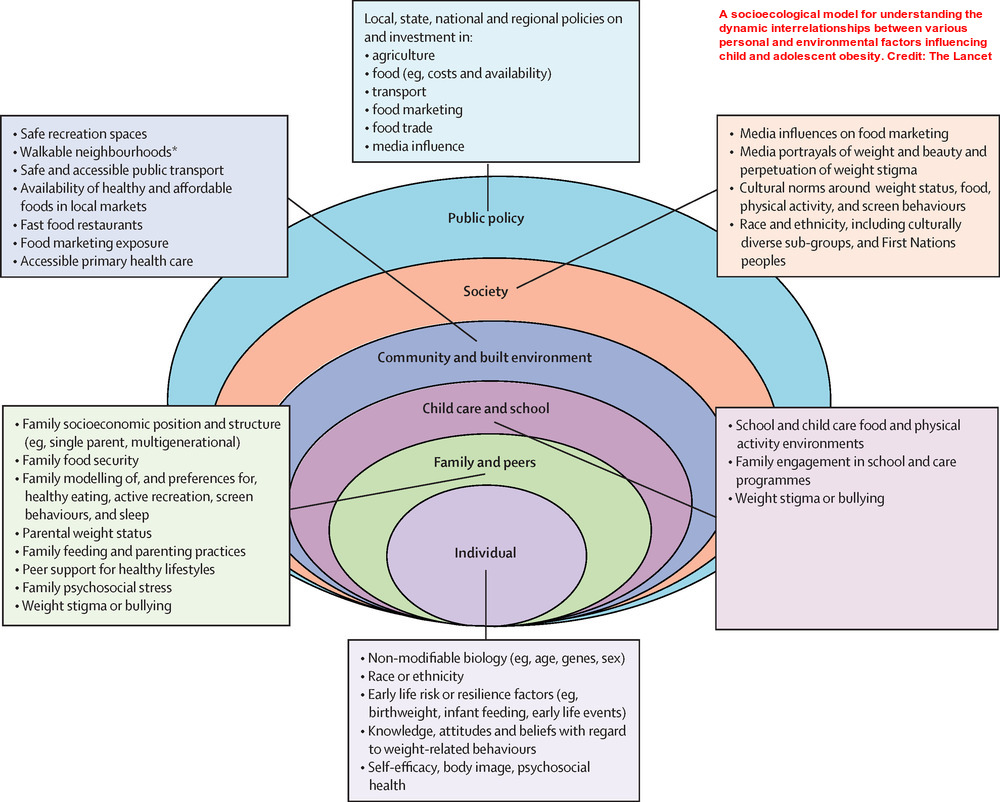
The importance of the WHO guidelines is immense for developing countries, like India. The combination of calorie-dense diets, aggressive food marketing and physical confinement has turned childhood obesity and early-onset Type 2 diabetes into a global public health emergency. Some parents, and at times even doctors, suggest diet pills or aggressive quick-fix weight loss methods for children especially in the developing world. This, too, is a growing concern.
Focusing on primary prevention is the most sustainable path to health equity in highly populated, developing economies, like India. When tertiary healthcare and long-term medications drain a family’s savings, shifting the focus from curative to preventive medicine saves both lives and livelihoods. Ensuring a nutritious midday meal at home or at school, making physical education classes mandatory and reducing children’s screen time to provide them with opportunities to play outdoors are the needs of the hour. These are essential for healthy growth, strong immunity and better learning outcomes, as well.
Obesity is not a sudden or random biological anomaly, but a complex, systemic reflection of our modern lifestyle, environments and societal structures. Therefore, instead of resorting to individual medical interventions (like medications or injections); families, schools and the state must take concerted action to restore a natural lifestyle centred on healthy eating habits and physical activity. One should keep in mind that systemic changes in families, schools and government policy are foundational to long-term community health. The latest WHO guidelines have served as the wake-up call.
Meanwhile,





Boundless Ocean of Politics on Facebook
Boundless Ocean of Politics on Twitter
Boundless Ocean of Politics on Linkedin
Contact us: kousdas@gmail.com

 ISMC

