

Another Dangerous Battlefield Emerging In Europe
Alongside the Ukraine War, another dangerous theatre of conflict is emerging in Europe. Recent nuclear weapons threats from both NATO and Russia surrounding Kaliningrad – the Russian territory on the Baltic Sea wedged between Poland and Lithuania – have pushed the situation toward a new Cold War. The Kremlin has sent a formal diplomatic warning to NATO, saying that Moscow is ready to use nuclear weapons and its full military arsenal, if the alliance attempts to isolate or blockade the Baltic exclave of Kaliningrad.
Kaliningrad is of critical importance to Russia mainly because of its strategic location and military utility; as the region gives Moscow a vital, ice-free military and naval foothold in the Baltic Sea. The city of Baltiysk and the region house the primary headquarters and key naval facilities of the Russian Baltic Fleet. It is a heavily militarised area, featuring S-400 air-defence systems, coastal missile systems and nuclear-capable Iskander-M missiles. Hence, Kaliningrad serves as an impregnable Russian military stronghold on the eastern border of NATO.
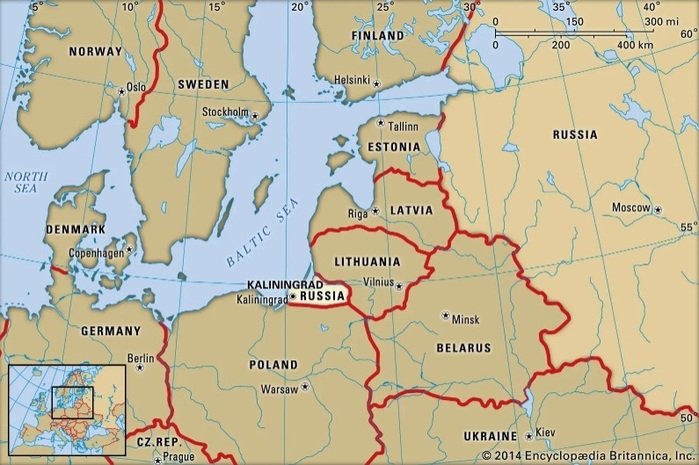
The recent intense exchange of words between Russia and NATO stems primarily from an increase in aggressive military exercises by both sides, as well as reciprocal drone incursions into each other’s airspace. By conducting air exercises in the region near Kaliningrad, NATO recently sent a strong message to Moscow: The alliance is capable of dismantling the communication and defence systems of this Russian stronghold in the event of any conflict. In response, Russia views this as a direct assault on its sovereignty and a Western plot to blockade Kaliningrad.
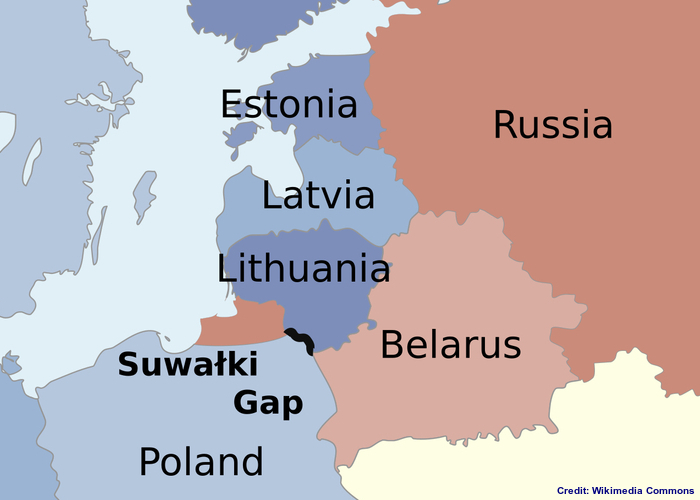
The most dangerous point in this crisis is the Suwałki Gap, a narrow, 65-to-100km stretch of land along the border between Poland and Lithuania. This narrow land corridor is a critical military vulnerability for the NATO alliance as it connects Russia’s ally Belarus with Kaliningrad. If a war breaks out, Russia and Belarus could jointly seize the Suwałki Gap, completely cutting off the three Baltic nations – Lithuania, Latvia and Estonia – from the rest of Europe and NATO. It is precisely because of this strategic advantage that Russia seeks to maintain pressure on this corridor.
The potential consequences of this tension could be dire. Although the risk of an all-out nuclear war is currently low, a slight miscalculation by either side or even a minor airspace violation could activate NATO’s Article 5 (collective defence policy). Consequently, the regional shadow war could escalate into a direct conflict between Russia and NATO, paving the way for the Third World War.
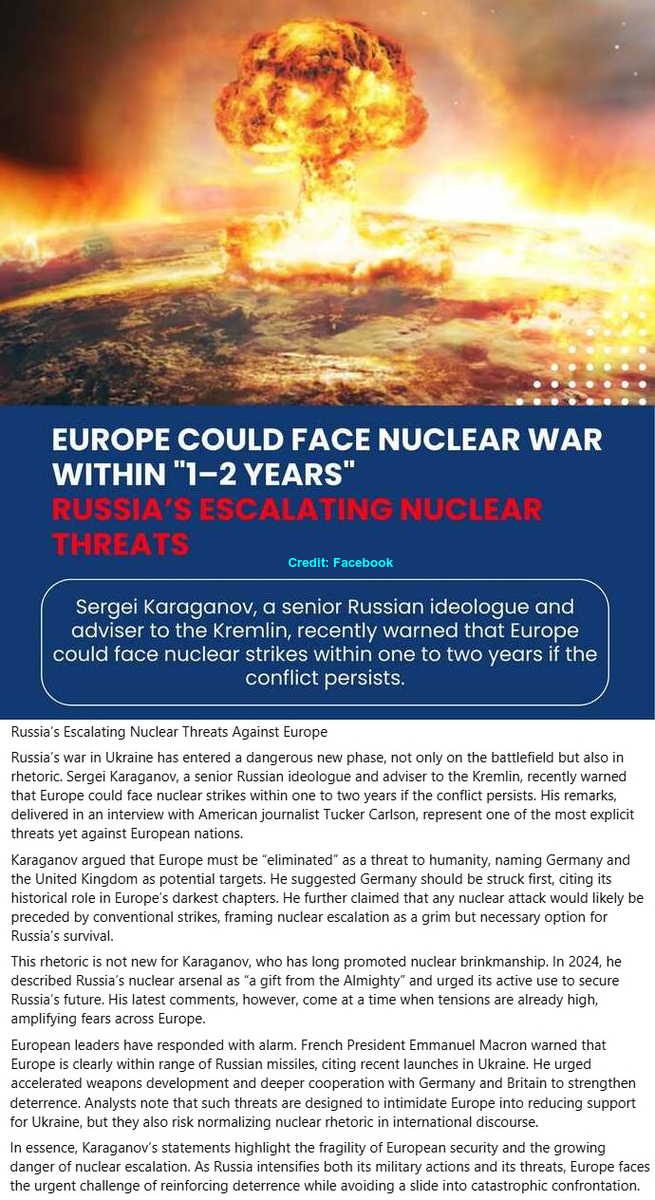
The recent Russia-NATO dispute over Kaliningrad has brought the world to the edge of a deeper crisis. Neither Russia’s threat of using nuclear weapons nor NATO’s aggressive strategy to neutralise Kaliningrad will lead to lasting peace. Both sides must immediately abandon their bellicose stance and initiate diplomatic discussions. Else, Kaliningrad could become the cause of the next major crisis for human civilisation.
Meanwhile,

Boundless Ocean of Politics on Facebook
Boundless Ocean of Politics on Twitter
Boundless Ocean of Politics on Linkedin
Contact us: kousdas@gmail.com

 ISMC

