

Truce Talks With US: Iran Sets 7 Conditions
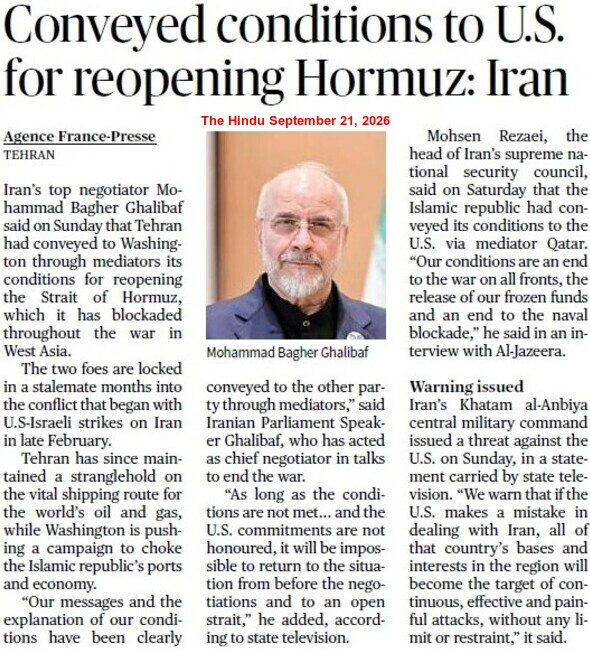
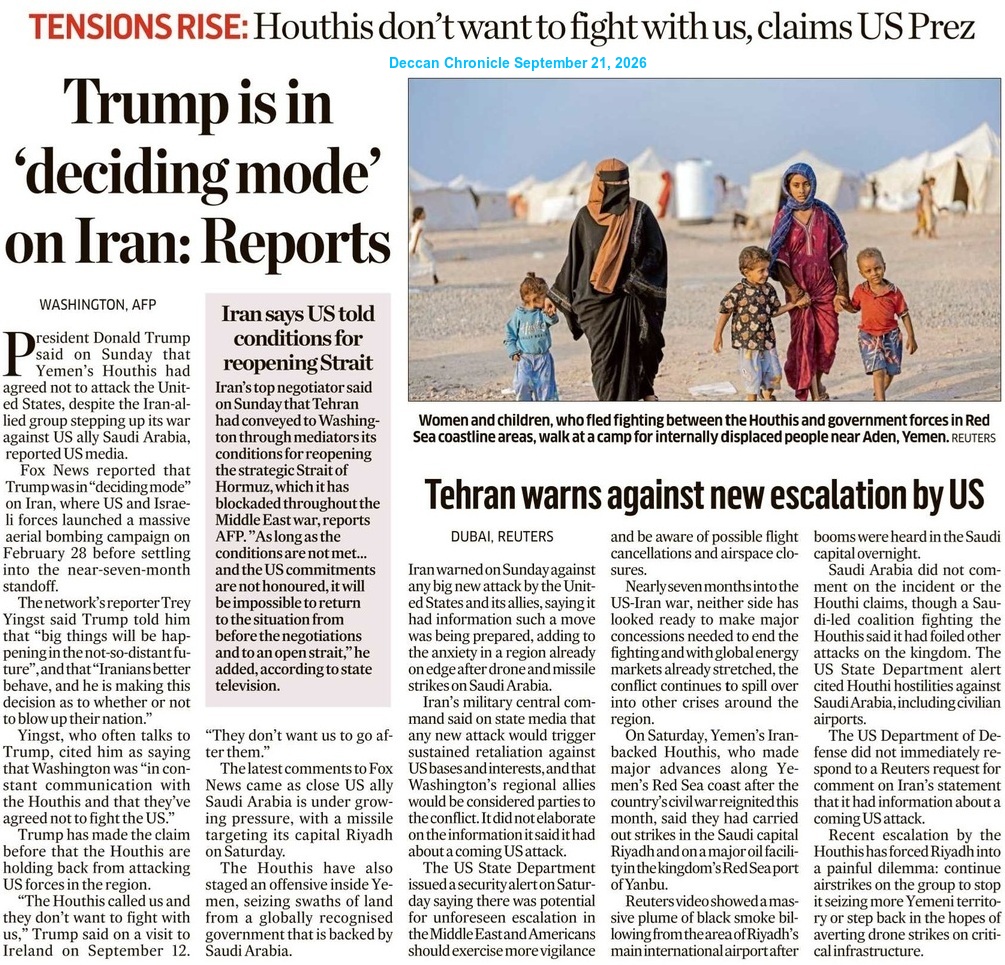
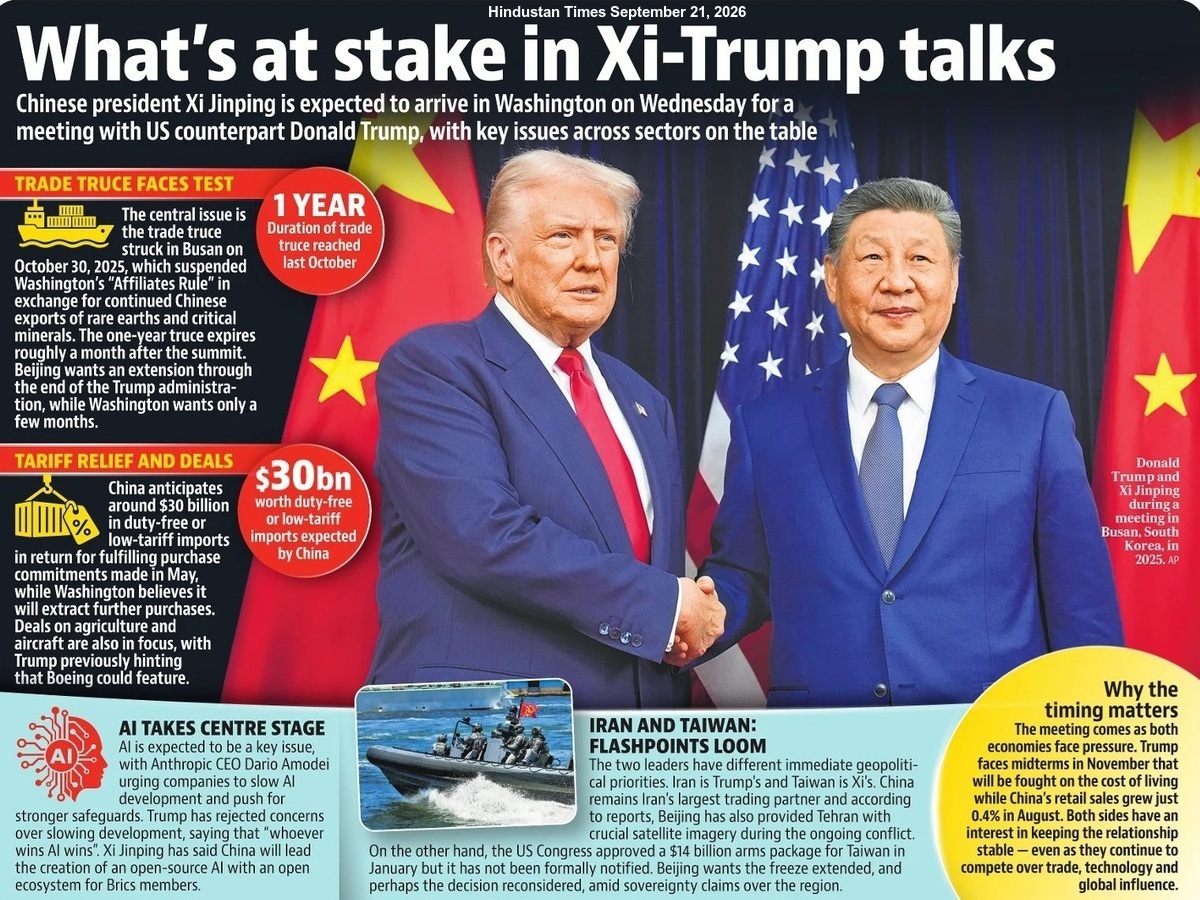
A couple of days after US President Donald John Trump hinted that a major agreement with Iran would soon be finalised to end the ongoing conflict and reopen the Strait of Hormuz, Iran formally submitted seven specific conditions to the US through Qatari mediators on September 20, 2026 in order to restart negotiations. Mohsen Rezaei, Secretary of the Islamic Republic’s Supreme National Security Council, sent a “clear and unambiguous” message to Washington DC in this regard, stressing that the US would have to accept Iran’s rights and conditions, if the Trump Administration wanted to move towards diplomacy.
On X, Rezaei wrote: “Iran has announced seven conditions for starting any negotiations with the US Government. Tehran’s message is clear and unambiguous; if Washington wants to escape the quagmire it has created for itself and avoid getting further entangled in it. It has no choice but to accept Iran’s rights and conditions.” He told Al Jazeera: “It is in Washington’s interest to accept these conditions. Trump’s threats will not achieve any results. We are prepared for a decisive war.“
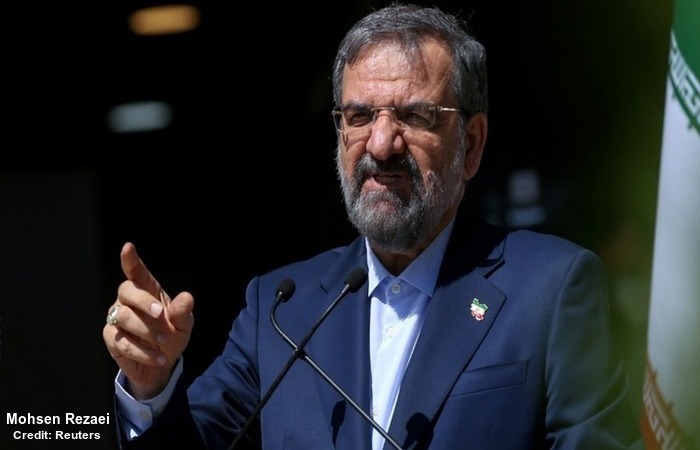
Rezaei, the Senior Adviser to Iran’s Supreme Leader Ayatollah Seyyed Mojtaba Khamenei, further said: “We remain in contact with the mediator Qatar, which has conveyed our conditions to Washington with the aim of ending the war. We are awaiting President Trump’s response.” He informed the press that Tehran’s conditions included “an end to the war on all fronts, the release of frozen Iranian funds and an end to the naval blockade“.
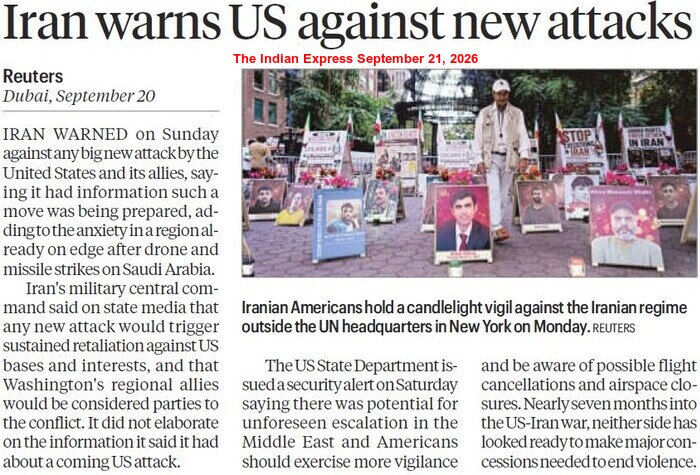
Meanwhile, Rezaei did not rule out the possibility of another US strike, stating that it was “very much on the cards” as per Iranian military assessments. He claimed that Tehran was fully prepared for such a scenario and the Islamic Revolutionary Guard Corps (IRGC) changed their military planning following two earlier rounds of fighting. According to the Security Chief of Iran, Tehran’s current planning is focused on US naval assets stretching from the Gulf through the Gulf of Oman and into the Arabian Sea, as the Islamic Republic recently test-fired a multi-warhead anti-ship missile near a US vessel or aircraft carrier. Rezaei made it clear that any future Iranian response could be extensive, targeting US bases in the region, as well as US commercial interests and companies operating in West Asia.
Reuters recently published a report containing information obtained by a UN investigative team. The UN-mandated independent fact-finding mission announced that it found reasonable grounds to believe the US was responsible for two devastating military strikes in Iran. Those attacks took place during the opening hours of the joint US-Israeli military campaign against the West Asian nation. The fact-finding team concluded that the first attack – which hit the Shajarah Tayyebeh Primary School in Minab on February 28, 2026, resulting in roughly 150-168 deaths – was reckless and indiscriminate, noting no evidence the building served a military purpose. The second attack targeted a sports complex and a residential area in Lamerd, killing 22 civilians. The UN team classified this as another unlawful, indiscriminate strike.
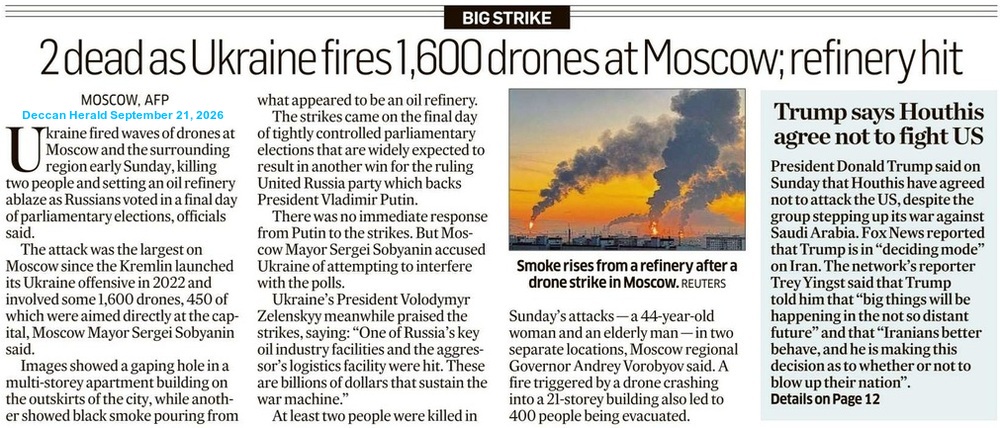
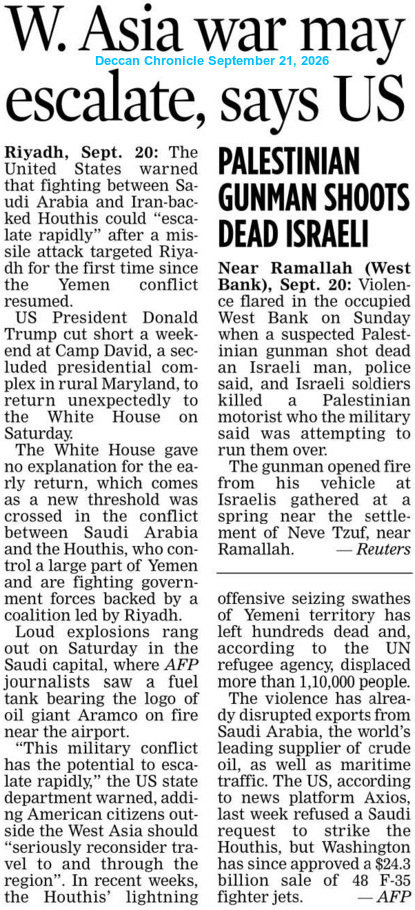
The direct conflict between the US, Israel and Iran has entered an extraordinarily dangerous phase in recent times, as the Iran-backed Houthi Movement launched a ballistic missile and drone barrage directly targeting Riyadh (on September 19, 2026) for the first time since the Yemen conflict resumed. Saudi Arabia has claimed that multiple missiles and drones were launched from Yemen and a Houthi drone was even intercepted near Mecca. Following this, Riyadh issued an alert regarding a potential aerial attack on the holiest city in Islam and the birthplace of the Prophet Muhammad (PBUH).
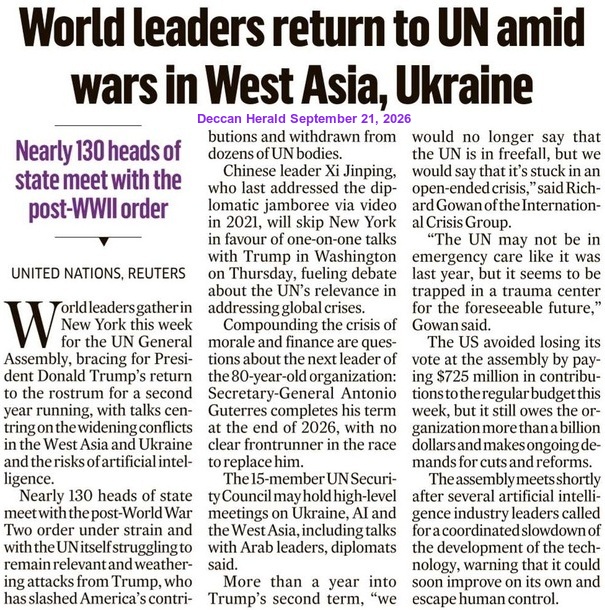
Meanwhile, Iranian Foreign Minister Seyyed Abbas Araghchi visited China on September 16, 2026 to hold talks with his Chinese counterpart Wang Yi. In Beijing, the Chinese minister directly urged Araghchi to remain rational, exercise restraint and resume direct consultations with the US. Following their meeting, Beijing issued a statement, mentioning that China made a formal call for reopening the Strait of Hormuz and reviving diplomatic talks. The Asian Giant also urged all relevant parties to take effective measures to reopen the strategic waterway promptly, safeguard international energy transport and stabilise global supply chains.
Now, Iran has conveyed seven conditions to the US through Qatari mediators in order to restart talks and end the bloody conflict.
Meanwhile,



Boundless Ocean of Politics on Facebook
Boundless Ocean of Politics on Twitter
Boundless Ocean of Politics on Linkedin
Contact us: kousdas@gmail.com

 ISMC
ISMC
