

Mecca Accord: A Geopolitical Analysis
During a speech in the House of Commons on March 1, 1848, British Foreign Secretary Lord Palmerston (Henry John Temple, 3rd Viscount Palmerston; October 20, 1784 – October 18, 1865) stated: “Britain has no eternal friends and no permanent enemies; what it has are the country’s permanent and eternal interests.“
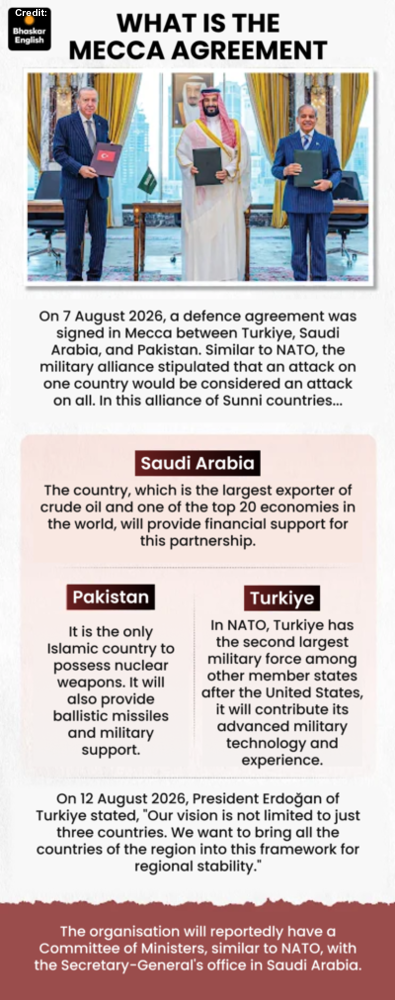
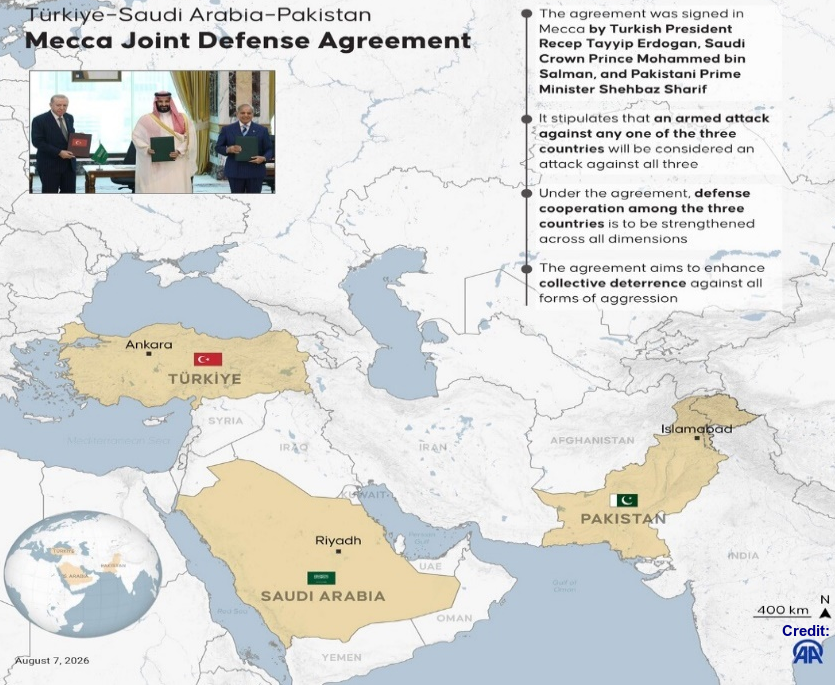
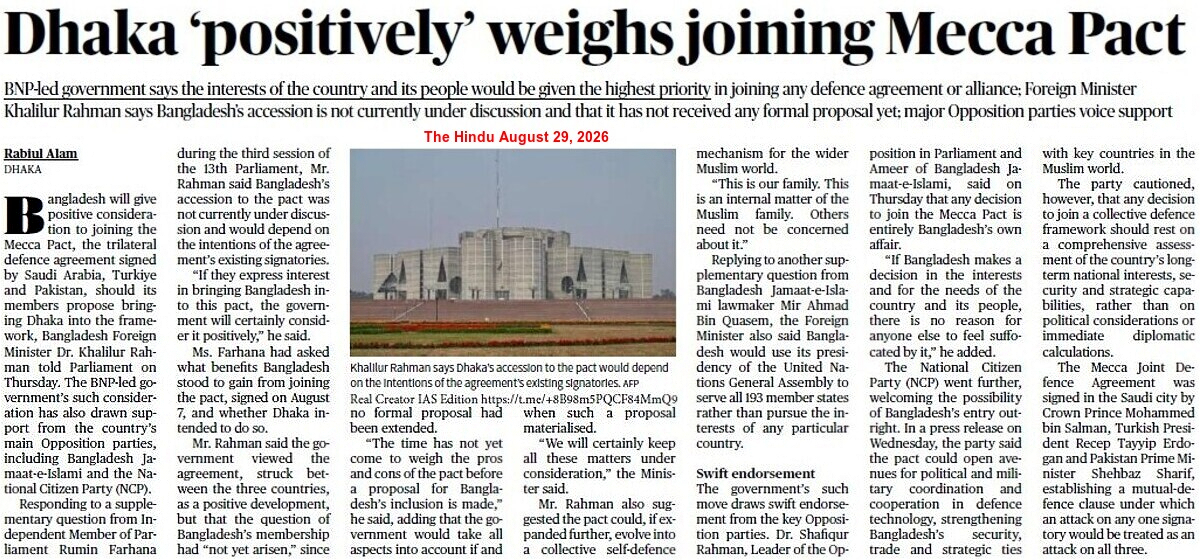
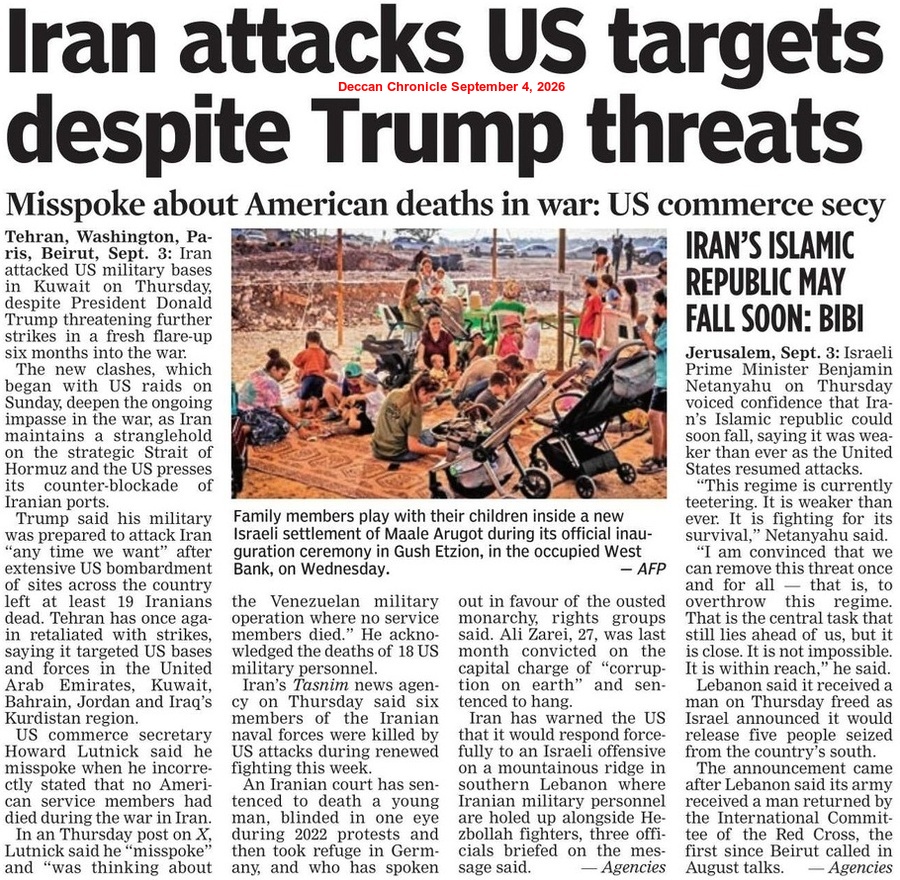
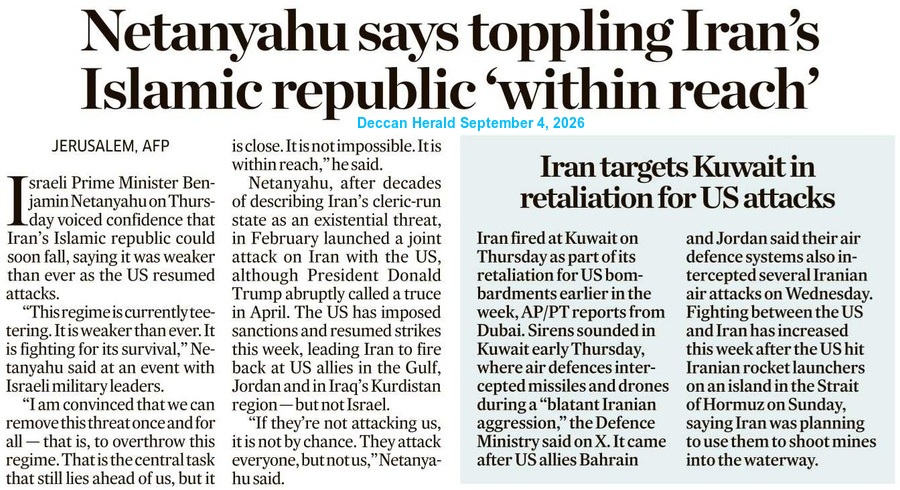
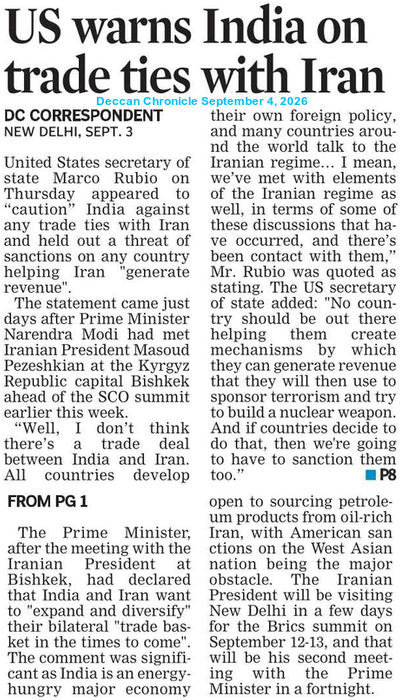
Lord Palmerston’s remark is highly relevant even in the context of 21st Century diplomacy. However, it is not always easy to determine what is truly in the national interest during policymaking, especially at a time when those interests are constantly changing. Strategists often struggle to accurately define the nature of national interests during geopolitical shifts. Then, they turn to the archives of history to compare the current situation with the experiences of the near and distant past. They also evaluate old friendships, hostilities and neutrality (in the context of foreign relations) against the backdrop of the present day. India is doing precisely that by closely monitoring the Mecca Joint Defence Agreement (popularly known as the Mecca Accord – a trilateral collective-defence compact signed by Saudi Arabia, Turkey and Pakistan on August 7, 2026), amidst a highly volatile West Asian security landscape – marked by the ongoing conflict involving the US, Israel and Iran.
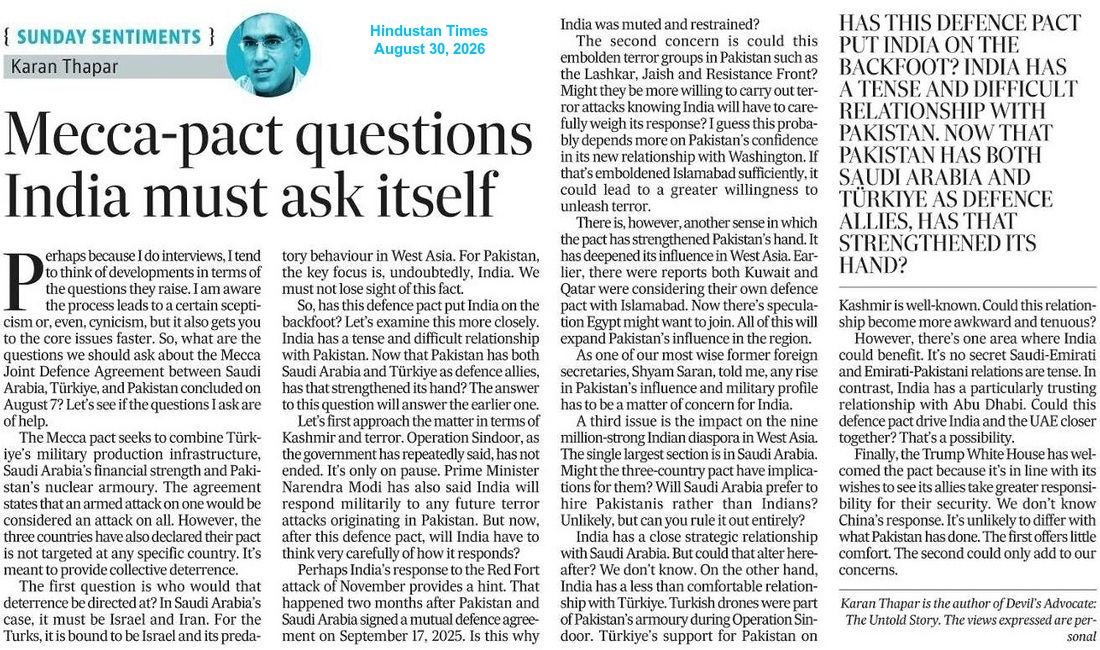
There will be no change in the current state of hostilities between India and Pakistan over the next decade. At the same time, India’s military leadership has increasingly categorised Turkey as an active strategic adversary because of its deepening military alignment and tactical support for Pakistan. Meanwhile, India and Saudi Arabia have a deep-rooted and diverse relationship which has grown over the centuries and, though it has had ups and downs, the hallmark of this relationship has been a shared vision and understanding of important global, as well as regional, issues. In recent years, India’s growing trade ties with the United Arab Emirates (UAE) and its hostility towards Pakistan have influenced the relationship between New Delhi and Riyadh. However, India cannot afford to treat Saudi Arabia as a secondary priority while pursuing the UAE following the Mecca Accord. Otherwise, New Delhi would have to pay a heavy price for the diplomatic thaw with Riyadh.
It may be noted that the Mecca Accord, modelled closely on the principle of NATO’s Article 5, explicitly states that “any armed attack against any one of the three states shall be regarded as an attack against all of them“. A simple calculation might suggest that India is likely the primary target of this agreement, given the current conflict-ridden relationship between India and Pakistan. However, a thorough examination of the records regarding such agreements reveals that the matter is not quite as dramatic as it seems. Saudi Arabia and Pakistan signed a similar military agreement in September 2025, and Iran has repeatedly attacked Saudi Arabia since then. Neither has Riyadh sought Islamabad’s assistance, nor did Pakistan come to Saudi’s aid. In fact, the silence from Ankara and Islamabad following the Houthi strike on a Saudi oil refinery in Jazan highlighted the strategic gaps in the newly-signed Mecca Accord. Consequently, there is no reason to assume right now that Saudi Arabia or Turkey would launch a direct military counter-attack against India in case of an India-Pakistan conflict.
An important question lies elsewhere and runs deeper: Why is this alliance formed right now and whose broader strategic interests does it serve? Pakistan seemingly views this agreement not merely as a strategy for immediate survival, but as part of a long-term plan to regain its relevance in the Islamic World and to secure economic, as well as diplomatic, support. This is also an opportunity for Pakistan’s military leadership which is trying hard to establish the narrative at the international level that their Armed Forces are quite capable of playing a powerful regional role.
There are more questions. Why did US President Donald John Trump take the initiative to welcome this agreement? Perhaps, Washington DC is attempting to derive benefits by grouping Pakistan, Saudi Arabia and Turkey together – a move directly linked to broader strategic interests of the US. Having such a system readily available in the long-run would provide the US with an additional strategic tool in the event of future regional crises or conflicts.
Therefore, the deeper strategic objective is not merely to form an independent military alliance; but to create a framework that can be used to counter Iran-centric power in West Asia. Uniting three major Islamic nations and initiating them into the concept of collective defence could further exacerbate the existing divisions within the Muslim World. Polarisation between rival camps could intensify further, as well. In other words, one should not make a mistake by viewing this agreement solely as a joint initiative of Saudi Arabia, Turkey and Pakistan. Instead, one must take into account the interests of the US and other Western nations, their future role in West Asia and the broader context of their strategic engagement with the region in order to understand the long-term significance of this defence alliance.
Hence, India views the Mecca Accord primarily from a geopolitical perspective. Questions arise here: Whether this heralds a new strategic equation in West Asia that would serve as a diplomatic signal to regional rivals or what role it might play regarding India’s energy interests. From a strategic perspective, it must also be noted that while this agreement could enhance Pakistan’s war capabilities, it could simultaneously increase diplomatic pressure to bring an armed conflict to a swift end. Consequently, the time available to India to translate military success into long-term strategic outcomes could shrink further.
Interestingly, Islamabad played the most active role in promoting this agreement. Pakistani Defence Minister Khawaja Muhammad Asif has called upon Islamic countries to unite against Israel, explicitly describing such an alliance as a NATO of the Islamic World. Some Pakistani defence analysts have gone a step further, speculating about the possibility of a joint command and control system. However, Saudi Arabia remains calm. As the Kingdom possesses immense wealth, it has the least interest in getting involved in anyone else’s war.
Let us return to the concept of permanent interests articulated by Lord Palmerston. In this context, what is required is to clearly identify what serves India’s own interests and to re-evaluate the definition of those interests with changing circumstances. In the volatile West Asia, India’s interests lie in energy, the large number of Indian nationals residing there, maritime routes and a potential corridor connecting to Europe. If self-interest is the only constant, then New Delhi must redefine its self-interest as circumstances change.
It remains to be seen how the Mecca Agreement will influence the volatile situation in West Asia and whether it will further exacerbate the instability. At the same time, the moves of Ankara and Islamabad should be closely monitored.
Meanwhile,
Boundless Ocean of Politics on Facebook
Boundless Ocean of Politics on Twitter
Boundless Ocean of Politics on Linkedin
Contact us: kousdas@gmail.com

 ISMC
ISMC
