

Worshipping Power & Dealing With Crisis
A special guide performs his duty twice-a-month at a museum in Germany. However, most of the visitors wish to tour the museum under his supervision. As his performance is in high demand, all his shows for the next few months have already been sold out. It is quite natural to think that the guide has thoroughly mastered the museum and its priceless historical artworks. Hence, his knowledge, eloquence and sincerity draw the crowds. However, the real reason is completely different.
In fact, the man is sullen and constantly irritable. Throughout the tour, he displays a haughty, disrespectful attitude, deliberately ignoring visitors. He also reprimands visitors if they check their phones or sit down during the tour, and often hurls tough questions at them. Museum authorities, too, have described the guide as bad-tempered and extremely dull. The question arises here: Despite all these, why are so many visitors drawn to this man?
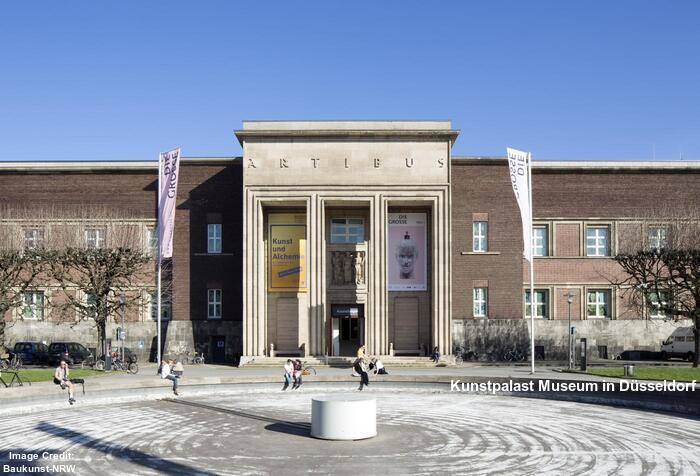
It is because the entire event is actually a show and visitors touring the museum under his guidance is a part of it. It does not mean that the information provided by the guide to visitors is false. Instead, the knowledge he acquired, the mastery of the craft and its dissemination are all integral parts of his performance. Even his sullen face, bad temper and the harsh rebukes, too, are parts of his performance. In other words, the guide’s abrasive traits are a calculated and constructed facade rather than his genuine personality. Hence, the performance of this guide offers the visitors a unique experience.
Interestingly, it is an innovative marketing strategy of the museum authorities. With everything shut down for a couple of years during the COVID-19 Pandemic, the average visitor has lost the habit of visiting museums, prompting various museum authorities to arrange digital visit by people. Moreover, governments across various countries have reduced budget allocations for museums, asking them to cover their own expenses. In such a situation, there is no alternative to unconventional methods in order to bring people back to museums. The concerned authorities of the German museum have just done the same. They have brought a change to the typically monotonous, one-sided relationship between visitors and their guide, and the move has yielded spectacular results; with people flocking in droves.
Of course, the German museum serves as an example of how an institution might act when faced with adverse economic conditions. However, it is not just that. They have also touched upon a complex, sensitive and controversial aspect of human psychology – The average person’s desire to be ruled. At the end of the day, the visitors actually enjoy the way the artist, acting as a museum guide, puts on a surly persona and treats them with disdain, effectively putting their knowledge of art on trial. Visitors return to that particular guide at the museum, in spite of knowing that they would be rebuked.
It seems that ordinary people actually revere an authoritarian, domineering and autocratic personality, and even enjoy being tormented under her/his command. This phenomenon of human beings revering and submitting to such a personality – even when it brings suffering – is a complex interplay of psychological defence mechanisms and manufactured realities. People do not consciously enjoy being tormented, but they adapt to it for survival and emotional stability. According to psychologists, the human mind is mysterious. Logical explanations for various human behaviours, whether overt or covert, are not always possible. One might discover her/his childhood teacher, a strict guardian or even an ex-lover in this ill-tempered guide.
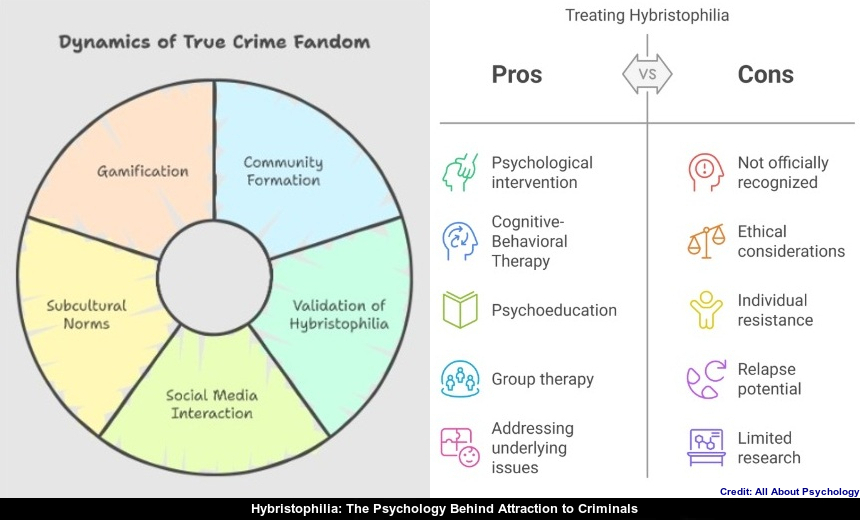
Even Criminology recognises Hybristophilia, a psychological phenomenon in which an individual derives physical or romantic attraction from a partner’s known history of committing violent or criminal acts, such as murder, rape or armed robbery. Hence, some often feel an irresistible attraction towards notorious criminals. This particular tendency often prompts a section of to rush towards the very person who humiliates them. This is a proof of one’s devotion to power and desire to be oppressed. This psychological dynamic is called the dialectic of mastery and servitude.
In time of financial crisis, an institution might think of such innovative ideas to deal with the crisis.
Meanwhile,









Boundless Ocean of Politics on Facebook
Boundless Ocean of Politics on Twitter
Boundless Ocean of Politics on Linkedin
Contact us: kousdas@gmail.com

 ISMC
ISMC
