

Lebanon: A Thorn In The Path Of Peace
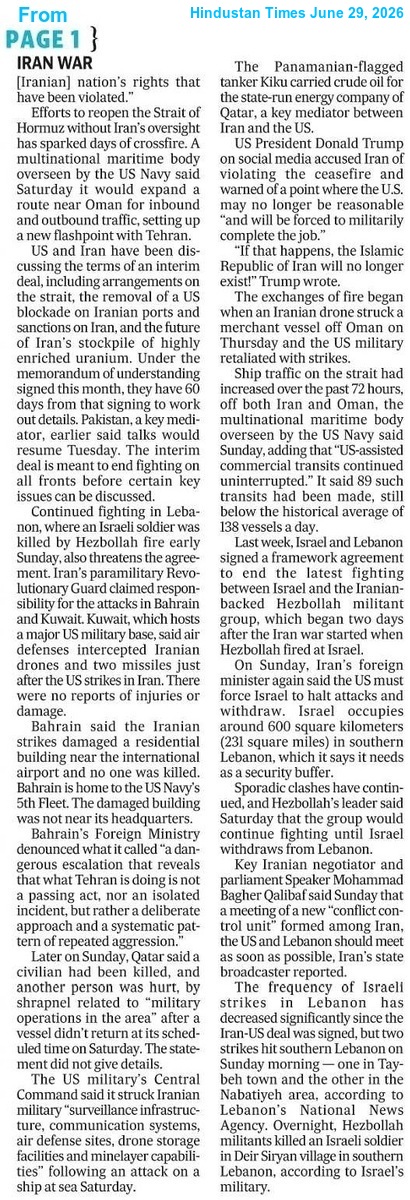
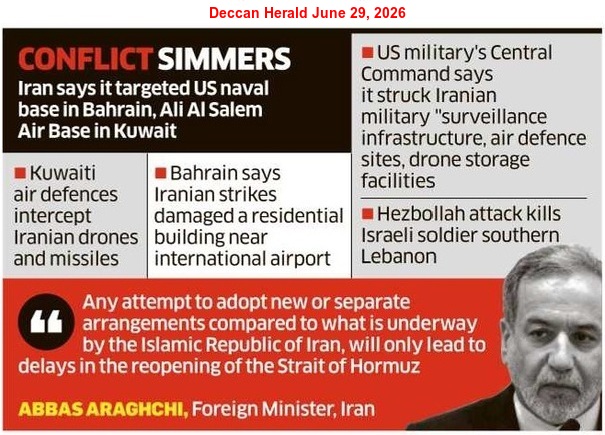
Lebanon has become a critical sticking point in the US-Iran peace process. As Tehran views the conflict in Lebanon, specifically the fighting between Hezbollah and US-allied Israel, as a core theatre of the wider conflict, the Iranian officials made it clear in Switzerland that Washington DC must halt the bombardment of not only Iran, but also Lebanon, to stabilise the region. Interestingly, Iran did not set a condition for ending the Israeli attacks on Palestine.
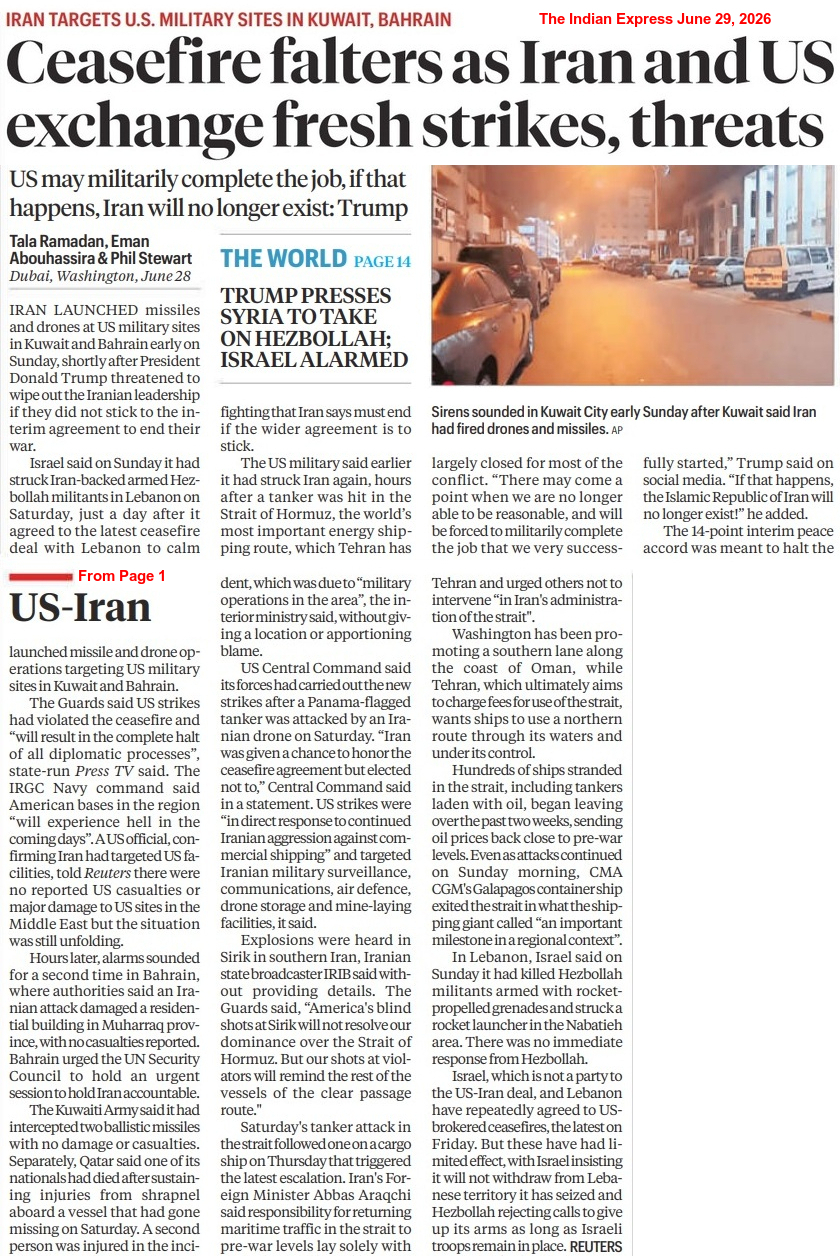
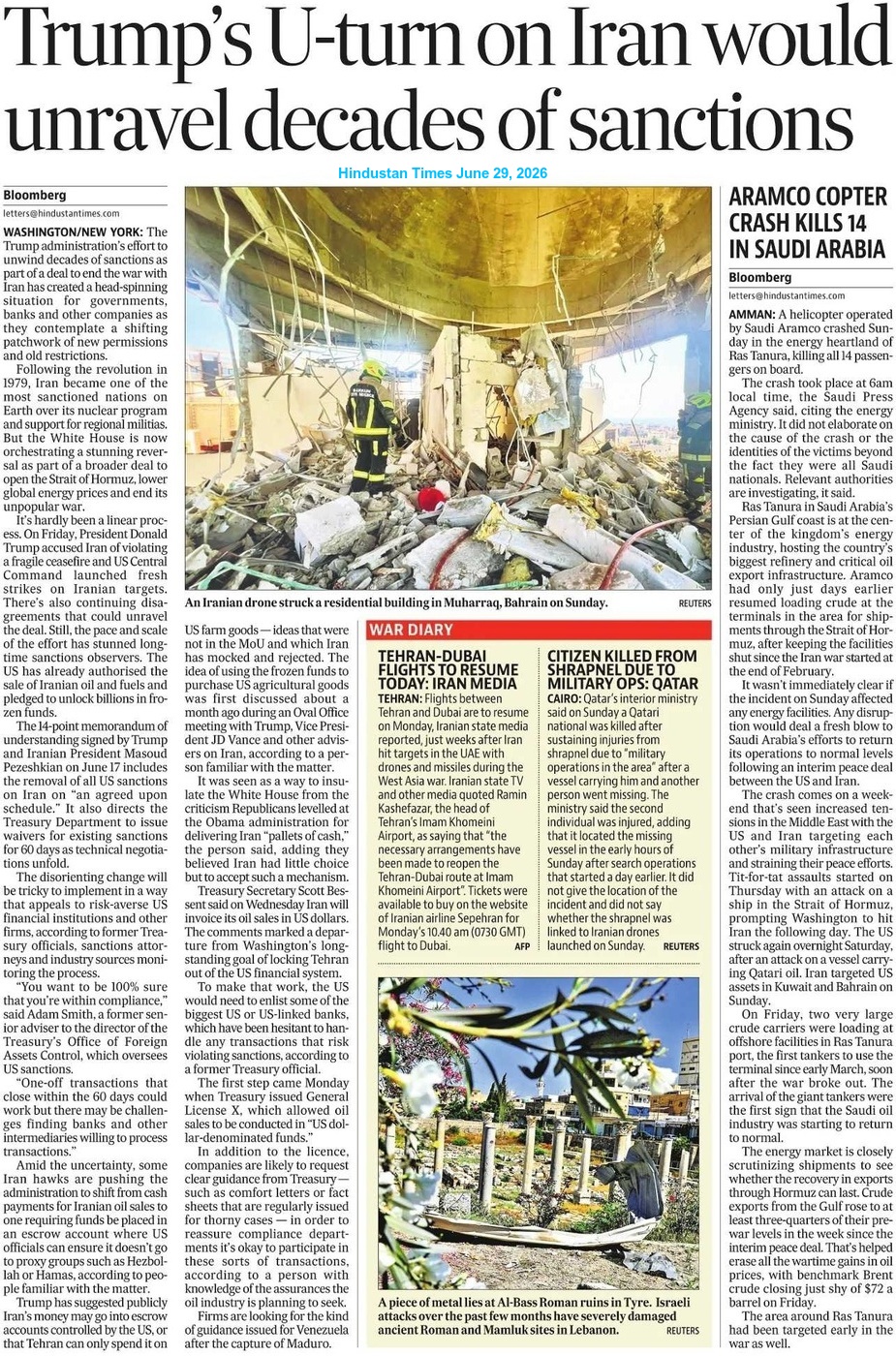
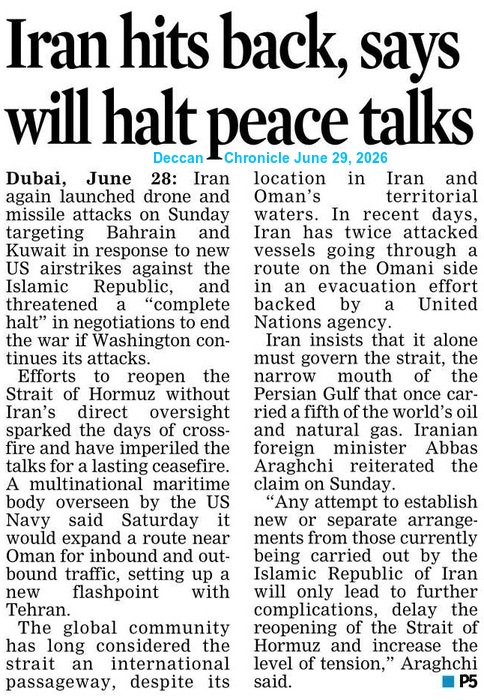
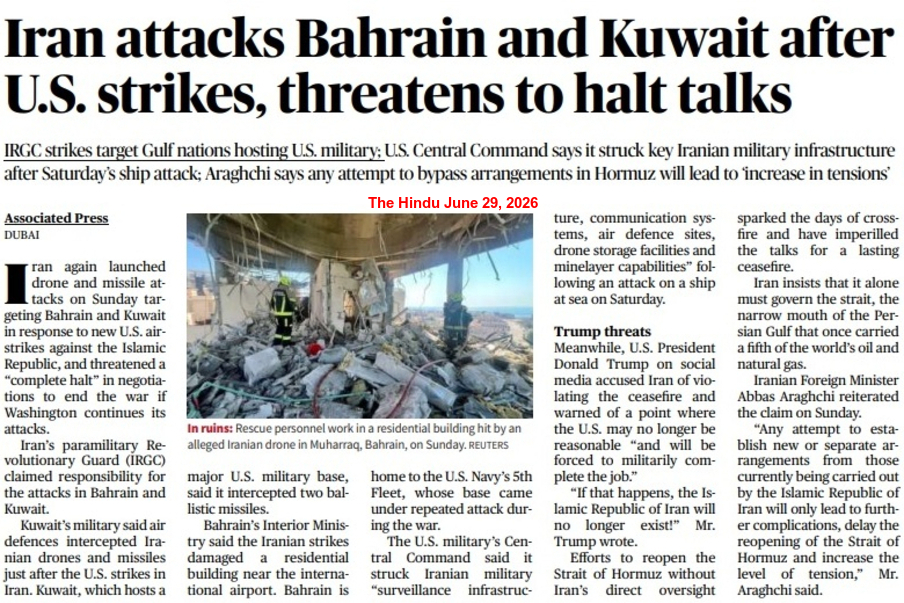
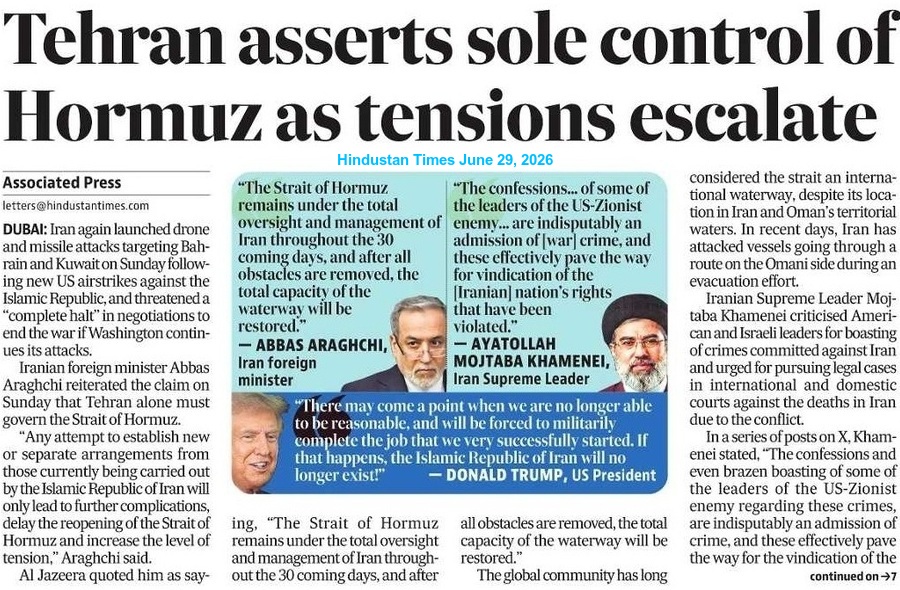
Developing nations are now proud of Iran as anti-Trump groups in the US and Western nations widely acknowledge the strategic leverage, as well as military power, of the Islamic Republic. Iran’s response to the joint US-Israeli offensive has been defined by wide-ranging retaliatory strikes and an aggressive strategy of asymmetric warfare that have prompted Washington DC to sign a Memorandum of Understanding (MoU) with Tehran. As per the 14-point MoU, the two countries have agreed to cease hostilities for two months, open the Strait of Hormuz and start nuclear talks. However, the entire peace process could be derailed if Israel attacks Lebanon.
The development suggests that Iran is now prioritising geopolitical considerations over humanitarian concerns. Hezbollah still remains a powerful political and military force in Lebanon, a country torn apart by religious polarisation. As a key ally and proxy of Iran, this armed group has consistently entered hostilities to support Tehran, notably launching extensive rocket and drone attacks on Israel during periods of intense escalation between Iran and the US-Israeli coalition.
On September 17, 2024, Lebanon experienced a mass-casualty event involving the simultaneous detonation of explosive-laden pagers and walkie-talkies, resulting in 12 fatalities and injuries to nearly 3,000 individuals, primarily involving the eyes, face and hands. This unprecedented attack claimed the lives of several Hezbollah commanders. The Israeli forces also eliminated longtime Hezbollah leader Hassan Nasrallah in a targeted airstrike on September 27, 2024. Subsequently, Iran supplied Hezbollah with various weapons, including advanced missiles and drones, to strengthen the Lebanese outfit yet again.
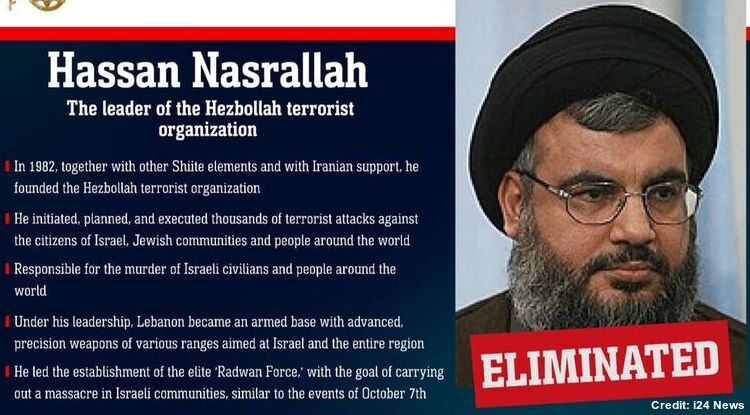
Hezbollah was formed in 1982, emerging as an Iran-backed political outfit and militant group in the chaos of the 15-year Lebanese Civil War. The group was established in response to the 1982 Israeli invasion of Lebanon. Its primary objectives included resisting the Israeli occupation, opposing Western influence in the Middle East and exporting the ideology of the 1979 Islamic Revolution in Iran. The group’s sustained, low-intensity asymmetric warfare and psychological tactics successfully transformed the Israeli occupation of southern Lebanon into a politically and militarily unsustainable war of attrition. The pressure ultimately compelled the Israel Defence Forces (IDF) to execute an abrupt, unilateral withdrawal in May 2000.
On March 2, 2026, the Lebanese Cabinet announced that all military operations outside the authority of the legitimate state are illegal, and also ordered Hezbollah to cease independent actions and surrender its weapons. However, Hezbollah completely ignored the mandate. Lawmakers and officials within the group explicitly condemned the ban, stating that the government’s attempt to restrict their resistance ignored the reality of Israeli aggression. Backed by Iran, the group has continued to operate its military infrastructure independent of the state. The Lebanese Armed Forces have not been able to successfully disarm the group or compel it to yield its weapons, leading to ongoing domestic tension and international debate.
Hezbollah’s presence in Lebanon gives Iran a strategic advantage in its conflict with Israel. By maintaining a powerful paramilitary force directly on Israel’s northern border, the outfit effectively forces the Jewish Nation to split its military personnel and intelligence resources across multiple active fronts.
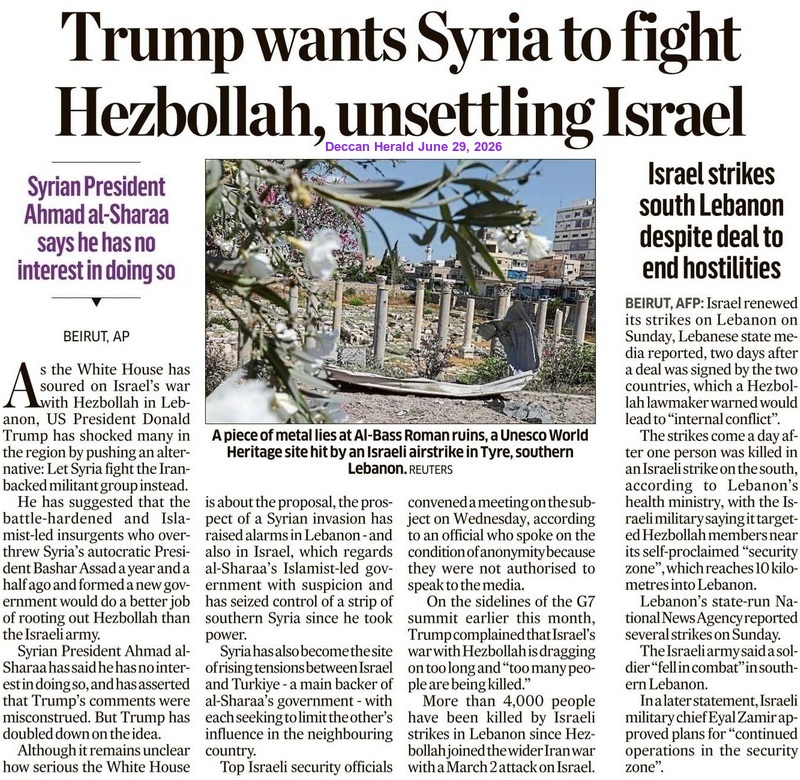
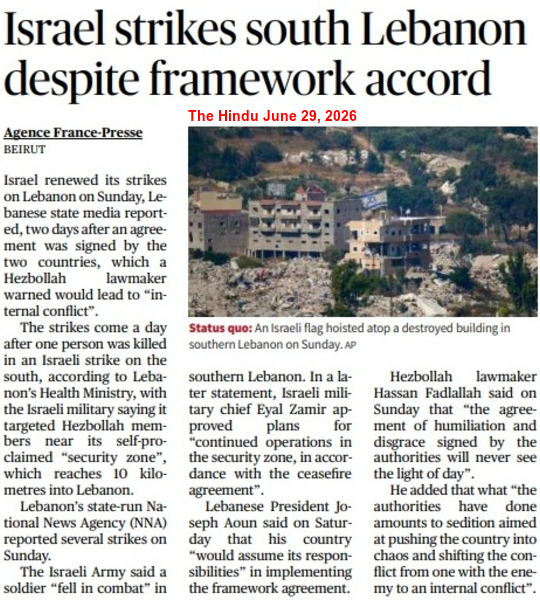
In March 2026, the Israeli military escalated its conflict with Hezbollah by launching a significant ground incursion into southern Lebanon. The operation resulted in Israel taking control of key Lebanese territory to establish a buffer zone, aimed at securing its northern border. In fact, Israel seeks to suppress Hezbollah by enforcing a security zone in southern Lebanon and conditioning its military withdrawal on the total disarmament of the group. The primary objective of Tel Aviv is to dismantle Hezbollah’s military infrastructure and to remove the strategic advantage Tehran gains from utilising the outfit as an extraterritorial deterrent. Hence, Iran is determined to bring Lebanon (and not Gaza or Palestine) into the agreement (with the US). According to political analysts, Tehran’s efforts to subsume Lebanon into its agreements were undercut when Israel, Lebanon and the US signed a separate trilateral framework. The accord actively excludes Iran and Hezbollah from security decisions in Lebanon, and focusses on disarming the Iran-backed group.
Although Iran has long supported the Palestinian cause, it historically prioritises Hezbollah over Hamas because the Lebanese outfit is an ideological extension founded directly by the Islamic Revolutionary Guard Corps (IRGC) to export its Shiite theocracy. The Iranian leaders publicly supported Hamas’ surprise attack on Israel on October 7, 2023. However, they were not so happy as the Palestinian Movement carried out the attack without informing Tehran beforehand. The Islamic Republic showed restraint at that time because it did not want to create a situation that could prompt the US to join the war against Hamas. When the US and Israel launched joint attacks on Iran, Hezbollah sided with Tehran. However, Hamas did not get involved in the conflict.
Tehran believes that the Sunni-dominated Hamas would never show unquestioning loyalty to the Iranian leadership. In fact, the Iran-Hamas dynamic is historically viewed by analysts and experts as a pragmatic “marriage of convenience” rather than an ideological alliance. The relationship functions on a strategic alignment of interests, primarily the shared opposition to Israel, rather than unquestioning loyalty.
Furthermore, Iran perceives the Palestinian crisis as highly complex and fraught with profound geopolitical obstacles. Consequently, Tehran rejects the internationally backed Two-State Solution, arguing that it would not secure Palestinian Rights. Instead, Iran officially advocates for a One-State Solution to be achieved through a national referendum involving all original inhabitants of the land.
Of course, Palestinian Independence is more than a political issue for Iran as it is a foundational ideological pillar, as well as a primary tool, for projecting regional influence and challenging Western hegemony in West Asia. However, Palestine is not strategically important to Iran in the same way that Lebanon is. Lebanon provides Iran with significantly more strategic depth and operational leverage than Palestine mainly because of Hezbollah’s deep institutional integration into the Lebanese State and its role as an extraterritorial deterrent. While Palestine offers ideological value, Lebanon is a vital cornerstone of Iran’s Axis of Resistance.
Many Gazans had hoped that Tehran would secure an immediate end to the Israeli military operations and achieve a comprehensive ceasefire. However, widespread disappointment and anger emerged when the initial negotiations and frameworks between the US and Iran left the strip largely unaddressed, prompting frustration over the ongoing humanitarian crisis. As Iran wants to emerge as the most powerful state in West Asia, it is unwilling to sacrifice its advantageous position merely to garner praise by posing as the saviour of Palestine.
Meanwhile, Israeli Prime Minister Benjamin ‘Bibi’ Netanyahu has agreed to halt attacks on Hezbollah for the time being under pressure from US President Donald John Trump. At the same time, he has made it clear that he would not withdraw Israeli forces from Lebanon, actively defying both US and Iranian pressure to do so. The question arises here: How a finalised US-Iran peace agreement will reshape the balance of power in West Asia?
Meanwhile,

Boundless Ocean of Politics on Facebook
Boundless Ocean of Politics on Twitter
Boundless Ocean of Politics on Linkedin
Contact us: kousdas@gmail.com

 ISMC
ISMC
