

New Paradigm To Transcend Thucydides Trap
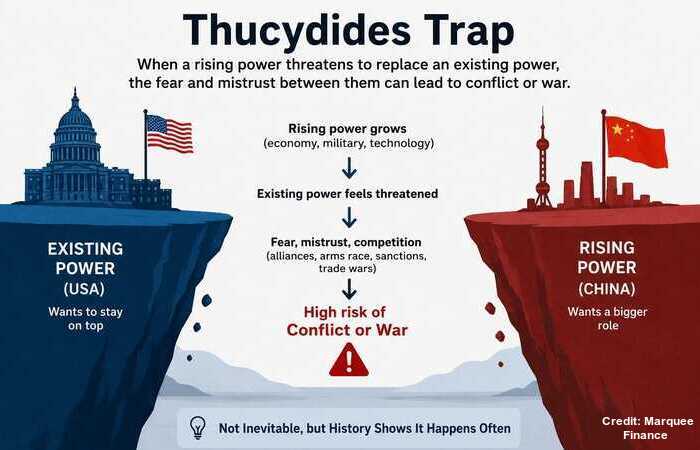
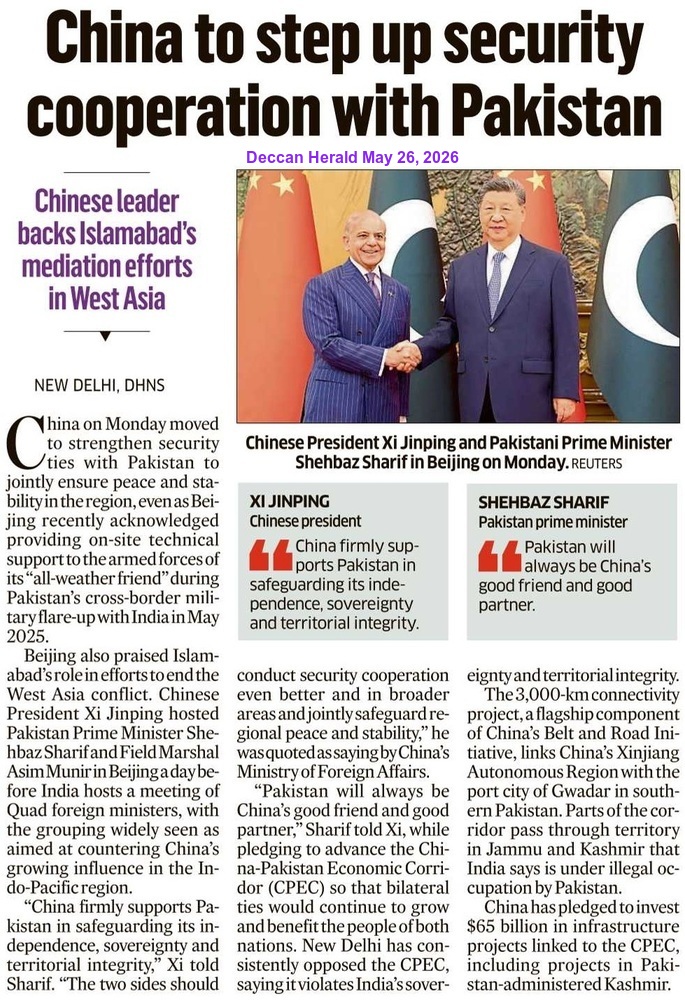
The long-awaited summit between US President Donald John Trump and his Chinese counterpart Xi Jinping in Beijing on May 14-15, 2026 ended with no spectacular breakthroughs announced, but hopefully with a gain in international stability. While welcoming the US President, President Xi posed the fundamental question to be answered: Can China and the US transcend the so-called Thucydides Trap and forge a new paradigm for major-power relations? That may have gone over the head of President Trump. However, he genuinely appears to respect Xi Jinping as a wise leader.
On the way back to Washington DC, the US President claimed that several substantial economic deliverables had been promised by China, including the purchase of Boeing aircraft, the resumption of purchases of American soybeans, and an increase in imports of US oil and Liquefied Natural Gas (LNG). Although he stressed that tariffs had not been discussed, Chinese Foreign Minister Wang Yi noted in his briefing to the press on May 15 that both sides agreed to a framework for reducing tariffs.
Wang stressed: “The Taiwan question is the most important issue in China-US relations.” He also expressed hope that “the US side will abide by the one-China principle”. Trump confirmed that the two leaders “talked a lot about Taiwan” and discussed “in great detail” the UD 14 billion US arms package his administration has so far withheld from approval. In fact, the US President claimed that he did not want to see Taiwan declare independence, advising Taipei to “cool down a bit”. As expected, his statement was welcomed in China and also by the oppositions in Taiwan, although they are well aware of the fact that unpredictability is the trademark of Trump.
Otherwise, the Chinese Foreign Minister pointed to the importance of the new agreement on a “constructive strategic stability”, whose mainstay is cooperation, saying that it would provide strategic guidance for bilateral relations over the next three years and beyond.
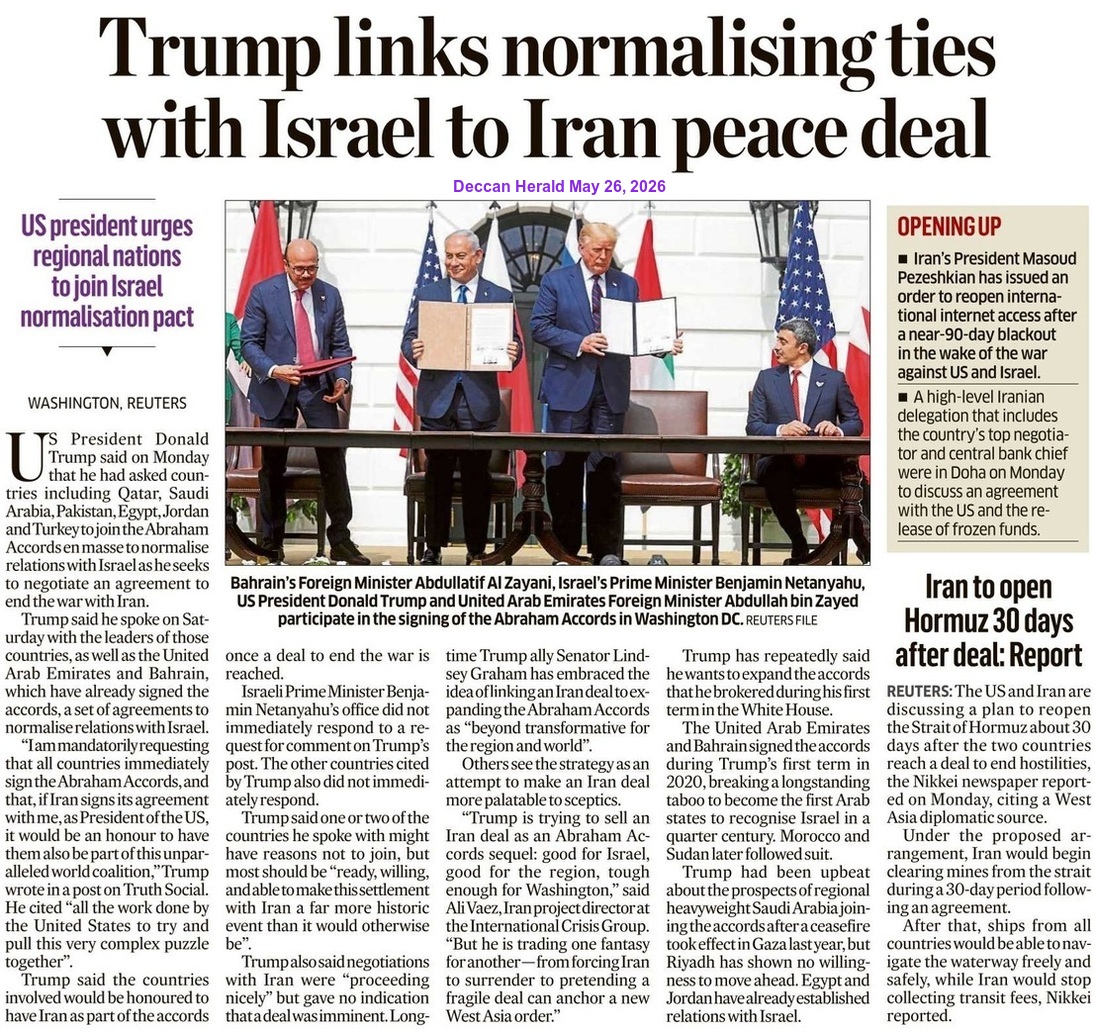
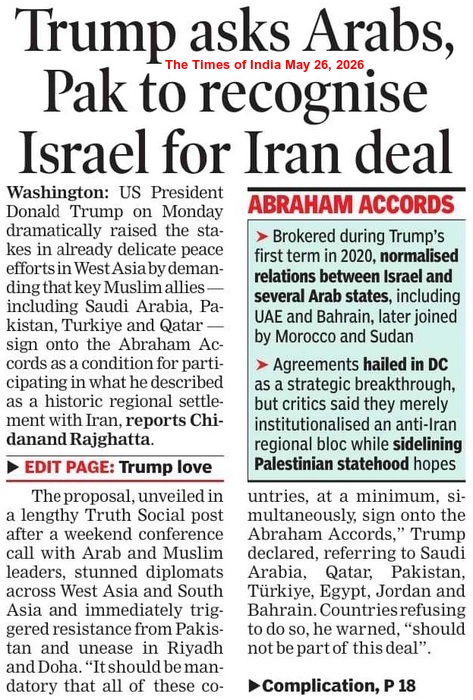
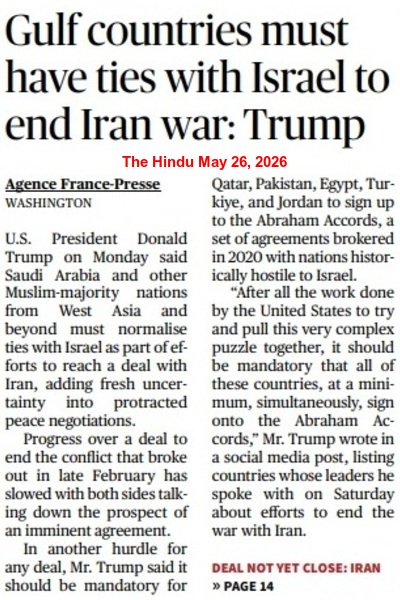
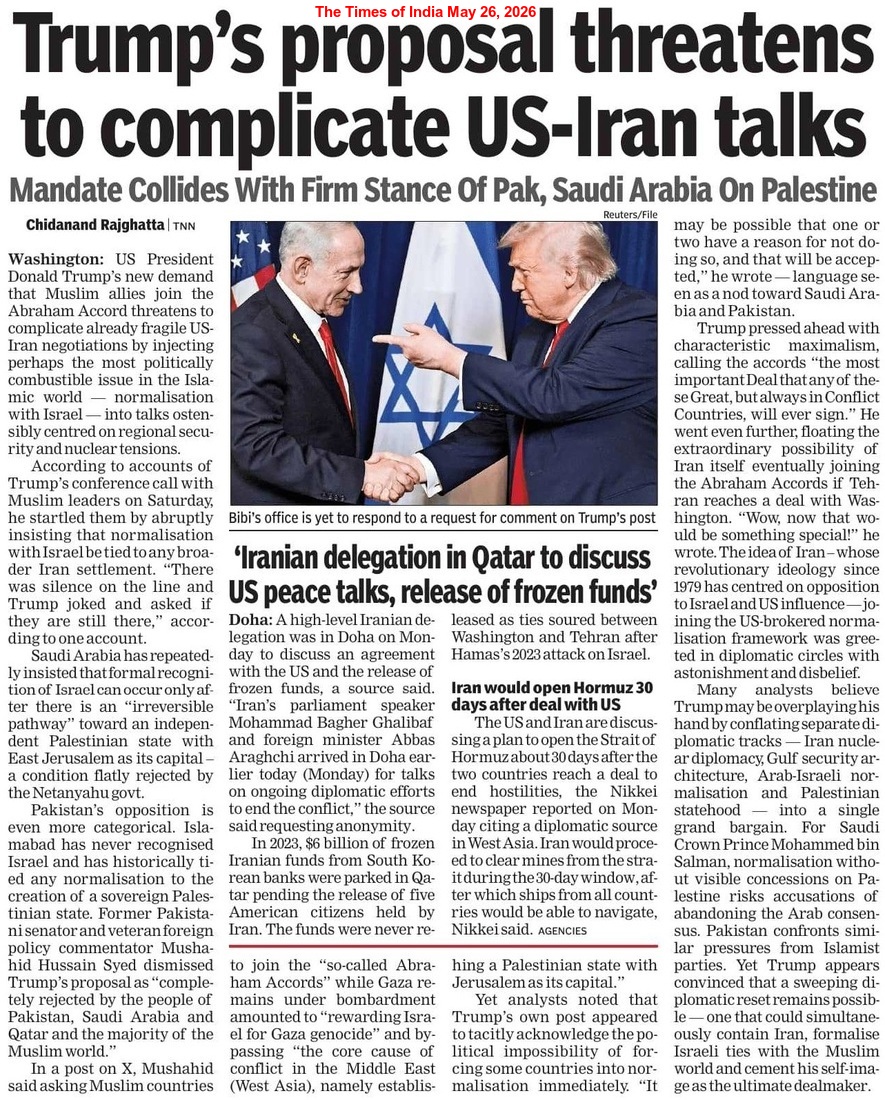
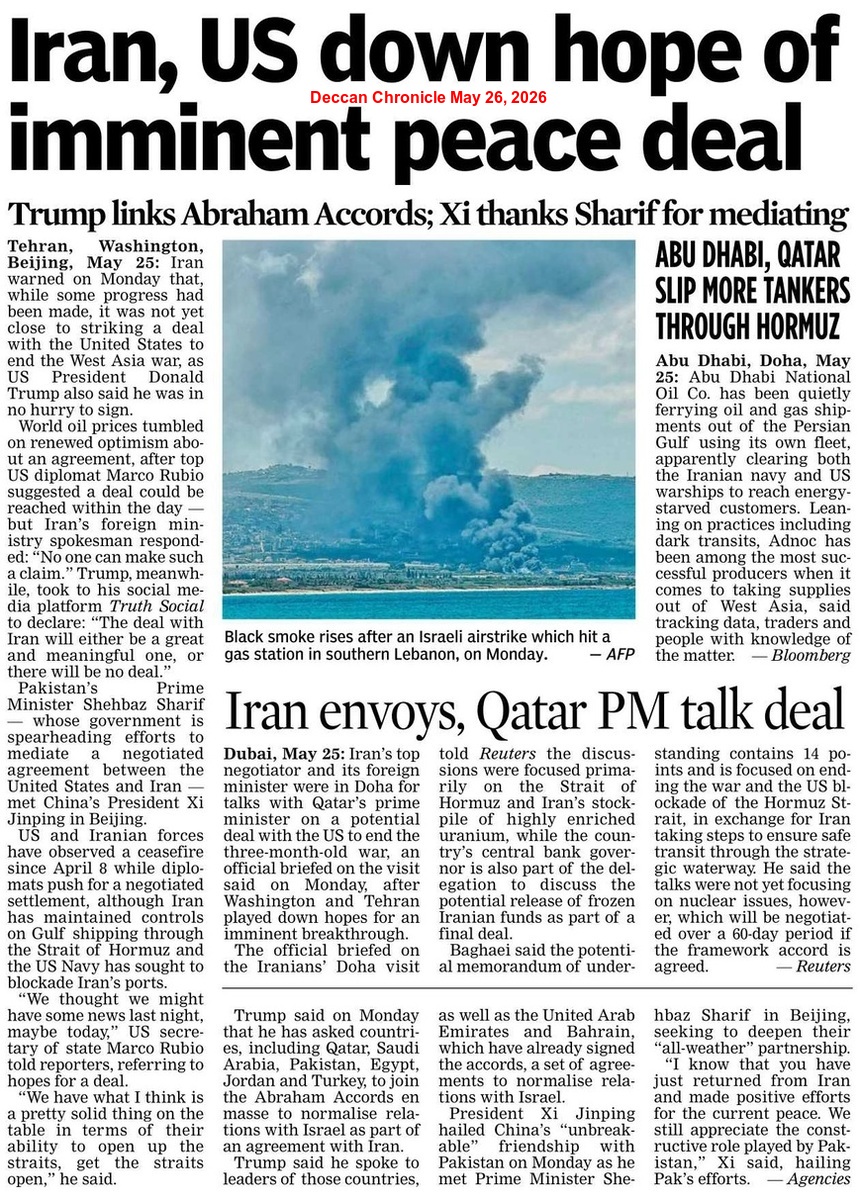
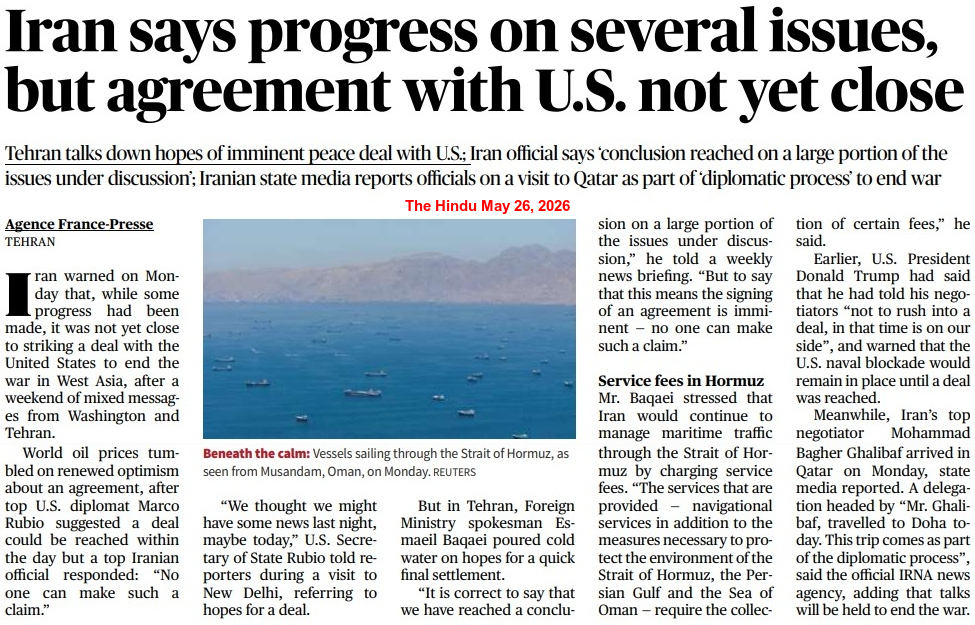
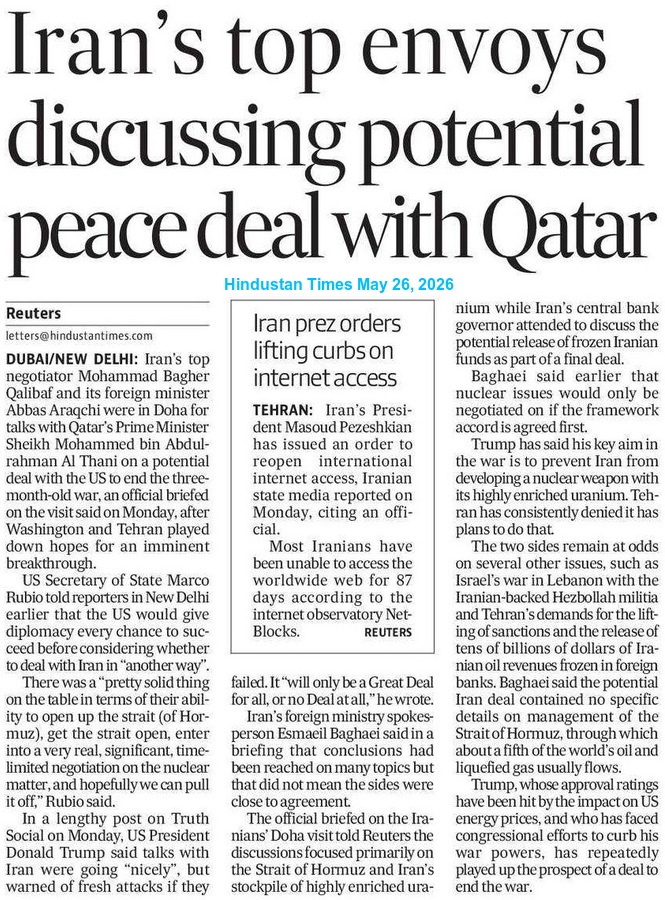
Although the US side wanted China to commit to pressuring Iran into accepting a deal proposed by the Americans and Israelis, President Xi apparently refused to comply. This was likely one important reason why President Trump reversed his decision to attack Iran as of May 19, in addition to the growing opposition for an attack among governments in the Middle East and within the US, including among Trump loyalists.
As it now stands, the two leaders will have their teams work on different aspects of bilateral cooperation. In terms of their calendar, Trump invited Xi and his wife Peng Liyuan for a state visit to the US on September 24, 2026 and the Chinese President accepted the invitation. The two Presidents also agreed to support each other in hosting the G20 Summit in Miami and Asian-Pacific Economic Forum (APEC) in Guangzhou later this year. Three more high-level engagements between the two countries in 2026 is itself a meaningful instrument of stability.
Meanwhile, four days after the departure of Donald Trump, President Xi received Russian President Vladimir Putin for a state visit, during which the two Presidents consolidated their close partnership. This visit had been planned in February, well before that of Trump’s. The US President postponed his visit to May.
This article was first published in Executive Intelligence Review (EIR) Strategic Alert weekly newsletter (Volume 40, No. 21) on May 21, 2026.
Meanwhile,


Boundless Ocean of Politics on Facebook
Boundless Ocean of Politics on Twitter
Boundless Ocean of Politics on Linkedin
Contact us: kousdas@gmail.com

 ISMC
ISMC
