

The 21st Century Realpolitik
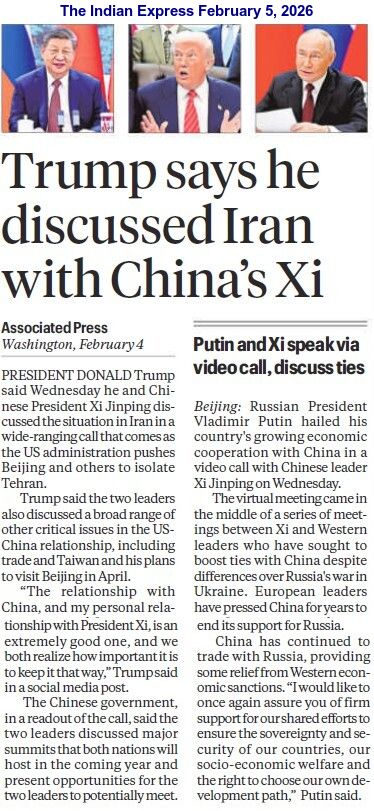
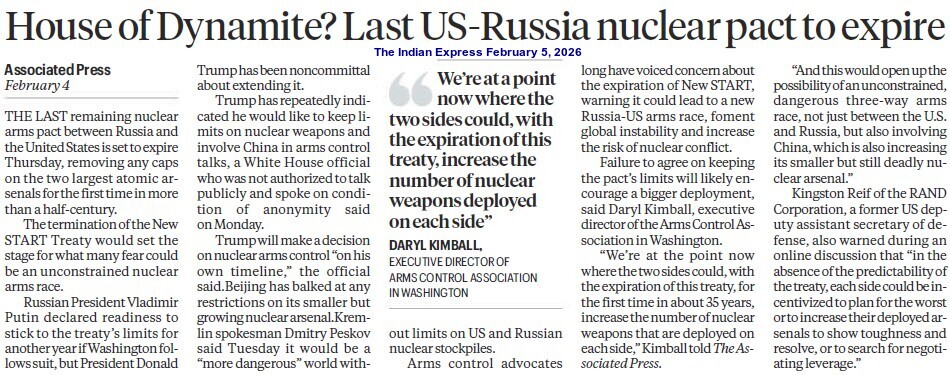
The third decade of the 21st Century is experiencing the emergence of populist Heads of State in different parts of the globe, and also a loud roar of both ultra-nationalism and extreme religious fundamentalism. The Non-Aligned Movement (NAM) lost its relevance long ago, with the Eastern European countries joining NATO (after the Cold War). Meanwhile, NATO is currently facing its most uncomfortable crisis because of US President Donald John Trump‘s aggressive foreign policy, and Europe has started believing that the intergovernmental military alliance (between 30 European and two North American nations) may not survive the Trump Era.
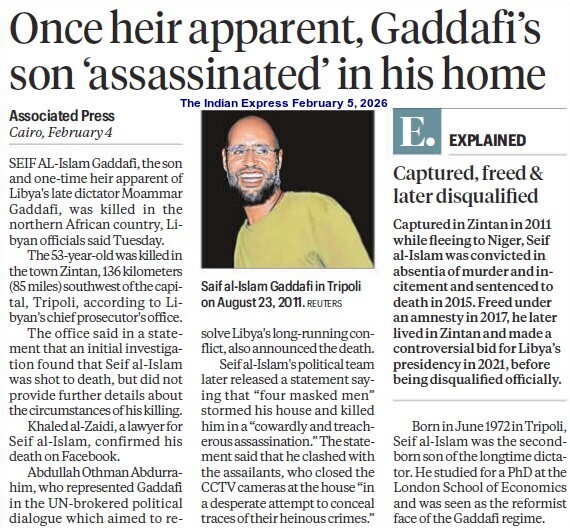
On the other hand, the powerful figures in West Asia are aligning with the US for security and economic purposes (oil, counter-terrorism) while simultaneously promoting conservative Islamic ideologies (like Wahhabism or Salafism) for regional influence, creating complex geopolitical dynamics. This is the harsh reality the global community is witnessing.
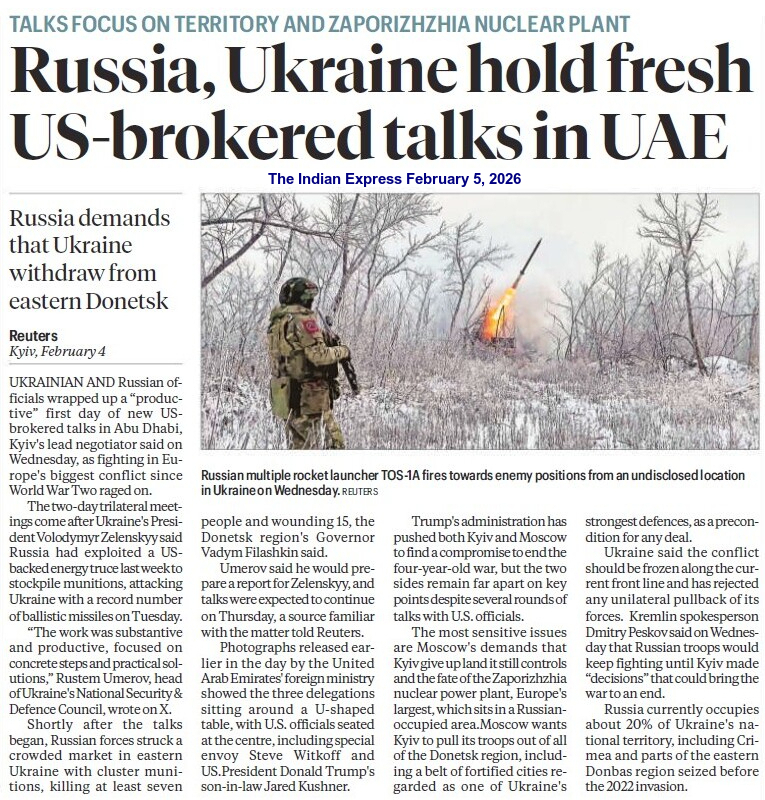
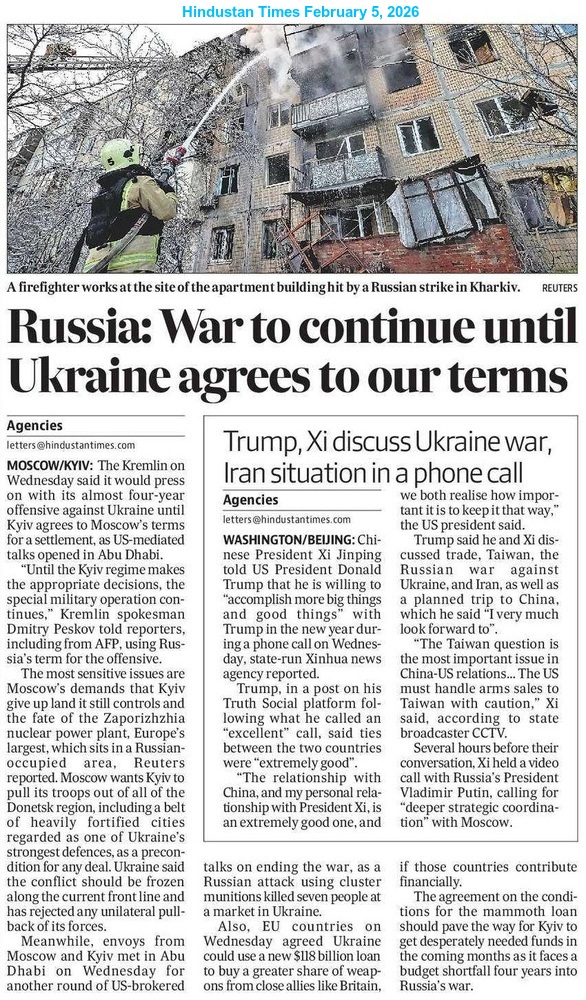
In such a scenario, India is trying hard to maintain cordial ties with both the US and (its all-weather friend) Russia. Although President Trump wants India to snap ties with Russia, it is not possible for New Delhi to dump Moscow. Interestingly, the close ties between Russia and China have created troubles for India mainly because of the persistent strategic friction between New Delhi and Beijing, dominated by unresolved border disputes. However, New Delhi still considers Moscow a friend.
The US is, indeed, a Superpower in a true sense. As of early 2025-26, the market capitalisation of Microsoft is roughly comparable to the total nominal GDP of India, highlighting the immense value of top-tier US tech companies. Also, the combined nominal GDP of China, Germany and India (approximately USD 29-30 trillion) is roughly equivalent to or slightly lower than the US’ GDP (approximately USD 30-31 trillion), based on 2025-26 projections.
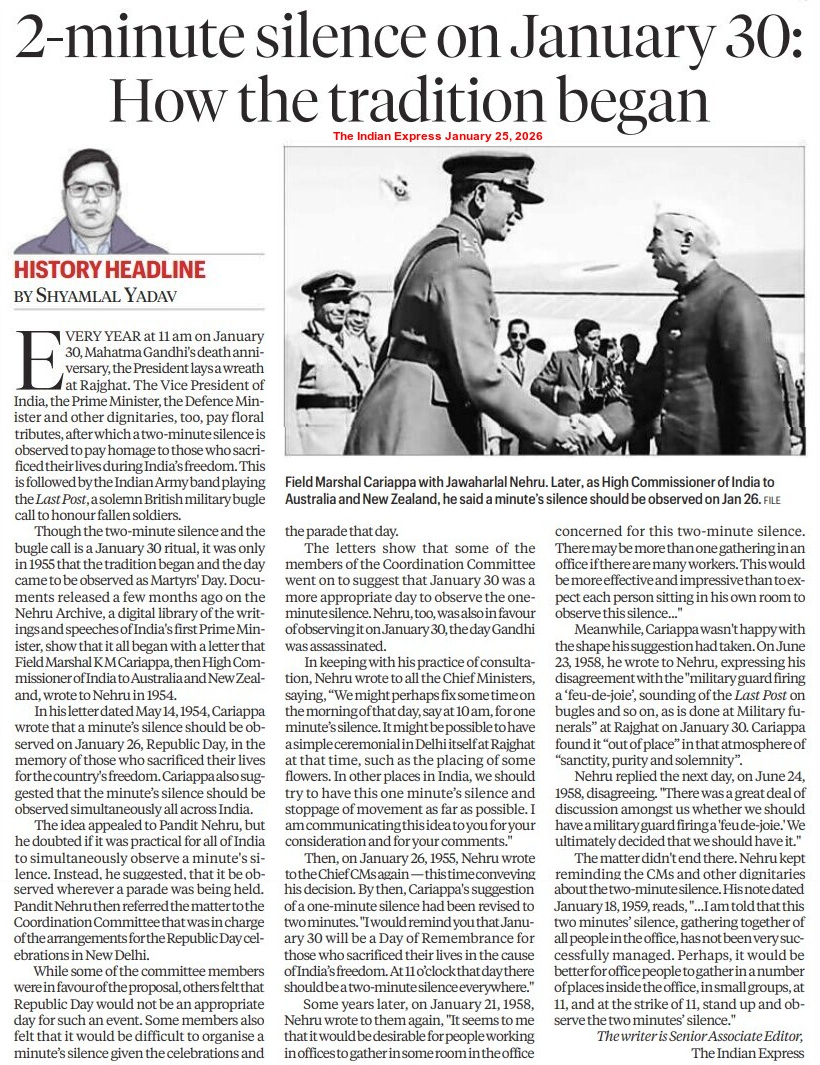
On January 14, 2026, the US announced an indefinite pause on immigrant visa processing for citizens of 75 countries in order to prevent “public charge” concerns, targeting nations where migrants allegedly rely on US public benefits at high rates. A number of India’s neighbours (except Sri Lanka and, of course, China) are on this list which includes Bangladesh, Myanmar, Thailand, Laos, Nepal, Bhutan, Pakistan, Afghanistan, Iran, Iraq, Jordan, Russia, Kazakhstan, Kyrgyzstan and Uzbekistan. Right now, it is not possible for the Donald Trump Administration to stop issuing visas to Indian citizens as the economic, technological and market ties between the two countries are strong enough and the US companies are heavily dependent on Indian technocrats. However, Washington DC is well aware of India’s weaknesses. Hence, the Trump Administration is consistently issuing tariff threats to New Delhi.
In World Politics, it is essential for the State-Actors to accumulate and protect their own trump cards or strategic advantages to ensure survival. China has done it, as the Asian Giant has actively countered US trade actions by escalating tariffs on American products, reaching up to 125-140% in some sectors, apart from implementing restrictive measures, like critical mineral export controls and expanding unreliable entity lists. These retaliatory actions include targeting coal, LNG and autos, aimed at deterring further US tariffs.
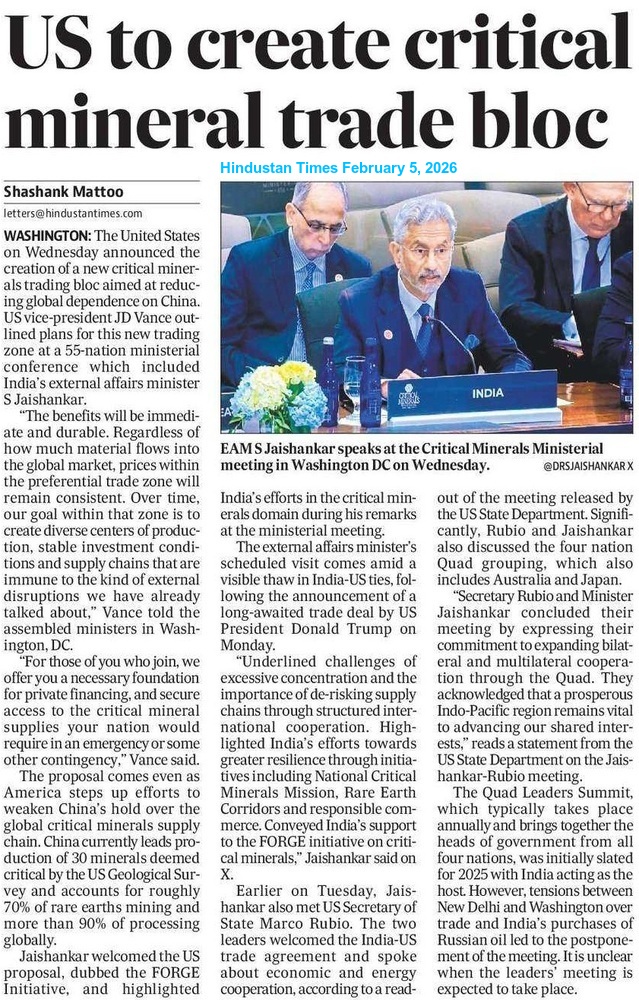
In April 2025, China imposed strict export controls on seven key medium and heavy Rare Earth Elements (REEs) – samarium, gadolinium, terbium, dysprosium, lutetium, scandium and yttrium – along with related, high-performance magnets and alloys. These measures, cited as a national security move to control dual-use technologies, require foreign companies to obtain licences and disclose intended uses, impacting global defence, electric vehicle and renewable energy supply chains. It may be noted that REEs are essential for modern technology, powering components in smartphones, laptops, batteries and screens. These 17 elements enable miniaturisation, high-definition displays and lasting battery life. Without them, electronic devices would be significantly less efficient or impossible to produce. In other words, China holds a trump card.
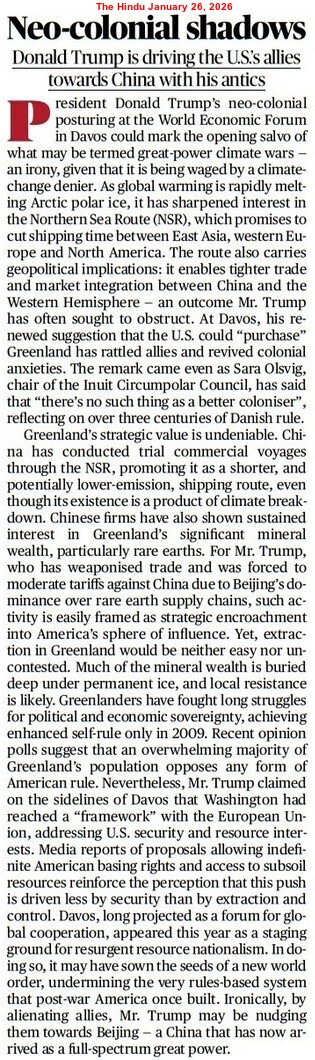
Unfortunately, India does not have such a trump card at this moment. However, the way India – often described as a subcontinent rather than just a country due to its immense size, covering approximately 3.28 million square kilometres – is being ridiculed may not be good for the US either. The US is, in a way, gradually pushing India towards Russia and China.
Meanwhile,
Boundless Ocean of Politics on Facebook
Boundless Ocean of Politics on Twitter
Boundless Ocean of Politics on Linkedin
Contact us: kousdas@gmail.com

 ISMC
ISMC Boundless Ocean Of Politics