

Due To The Shocks Of Pandemic & War…
The COVID-19 Pandemic and the Russia-Ukraine War have pushed nearly 165 million people to poverty since 2020. In its latest report, the United Nations Development Programme (UNDP) has mentioned that it has become necessary to reduce the huge debt burden from the shoulders of Developing Nations. Else, more and more people would have to live in Below the Poverty Line.
According to the report, the annual cost of lifting the 165 million newly poor people out of poverty would be over USD 14 billion or 0.009% of global output and a little less than 4% of total public external debt service in 2022 for developing economies. If the income losses among the already poor prior to the shocks are also included, the mitigation cost would reach some USD 107 billion or 0.065% of the world’s GDP, and around a fourth of total external public debt service. The report has stated that the majority of these 165 million people lost their job due to the Pandemic. Also, the ongoing war between Russia and Ukraine has directly or indirectly affected them. The UNDP has revealed that at least 75 million people across the globe now live on an average of just USD 2.15 (or about 177 Indian Rupees) a day.

The report has further claimed that at least 3.3 billion people in the world live in countries where Governments spend more on debt repayment than on Health or Education Sector. Therefore, the UN has requested lenders to immediately stop the debt repayment process of those countries. The World Body has expressed serious concern over the situation, stressing that the scenario would remain the same in 2023. The report has stated: “The poorest suffer the most and their incomes in 2023 are projected to remain below pre-Pandemic levels.“
Issuing a statement, UNDP Chief Achim Steiner stressed: “Countries that could invest in safety nets over the last three years have prevented a significant number of people from falling into poverty.” He added: “In highly indebted countries, there is a correlation between high levels of debt, insufficient social spending, and an alarming increase in poverty rates.” Steiner further said: “There is a human cost of inaction in not restructuring developing countries’ sovereign debt. We need new mechanisms to anticipate and absorb shocks and make the financial architecture work for the most vulnerable.“
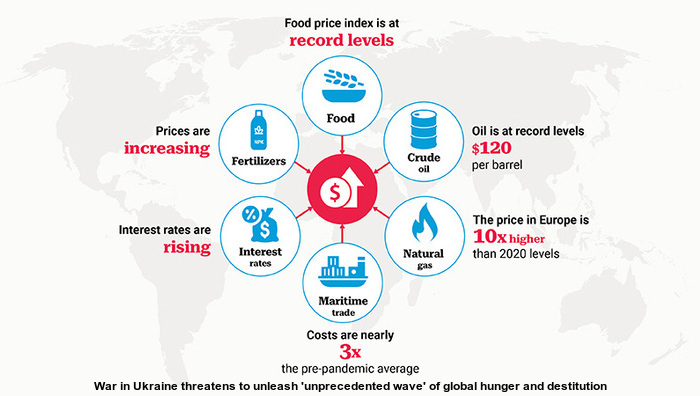
Meanwhile, the report has called for a “debt-poverty pause” in economically struggling countries in order “to redirect debt repayment towards financing social expenditures and countering the effects of macroeconomic shocks“.
UN Secretary-General António Manuel de Oliveira Guterres recently called for overhauling the infrastructure of international economic organisations. According to the UN chief, these organisations still follow the colonial infrastructure. He is of the opinion that it will not be possible to change the lives of people in Developing Nations without changing the structure of international economic organisations.
Boundless Ocean of Politics on Facebook
Boundless Ocean of Politics on Twitter
Boundless Ocean of Politics on Linkedin
Contact: kousdas@gmail.com

 ISMC
ISMC Boundless Ocean Of Politics