

Iran Oil: ‘Adamant’ China Won’t Bow To US
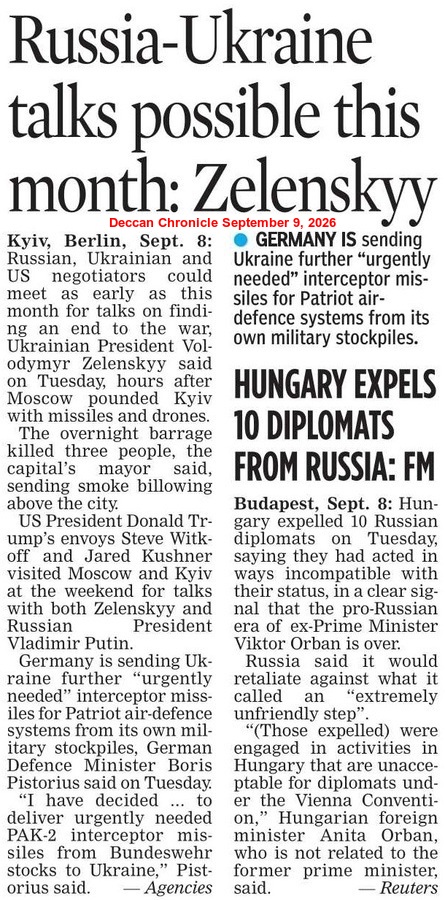
The US recently announced an aggressive expansion of secondary sanctions targeting any countries, companies or individuals that continue trade and financial exchanges with Iran. China, too, announced in retaliation that if its interests in Iran were harmed, it would impose various sanctions on the US. A serious conflict between the two world powers would certainly break global trade and hurt people everywhere. The global economy has slowed down significantly because of the lasting effects of the COVID-19 pandemic and multiple regional conflicts.
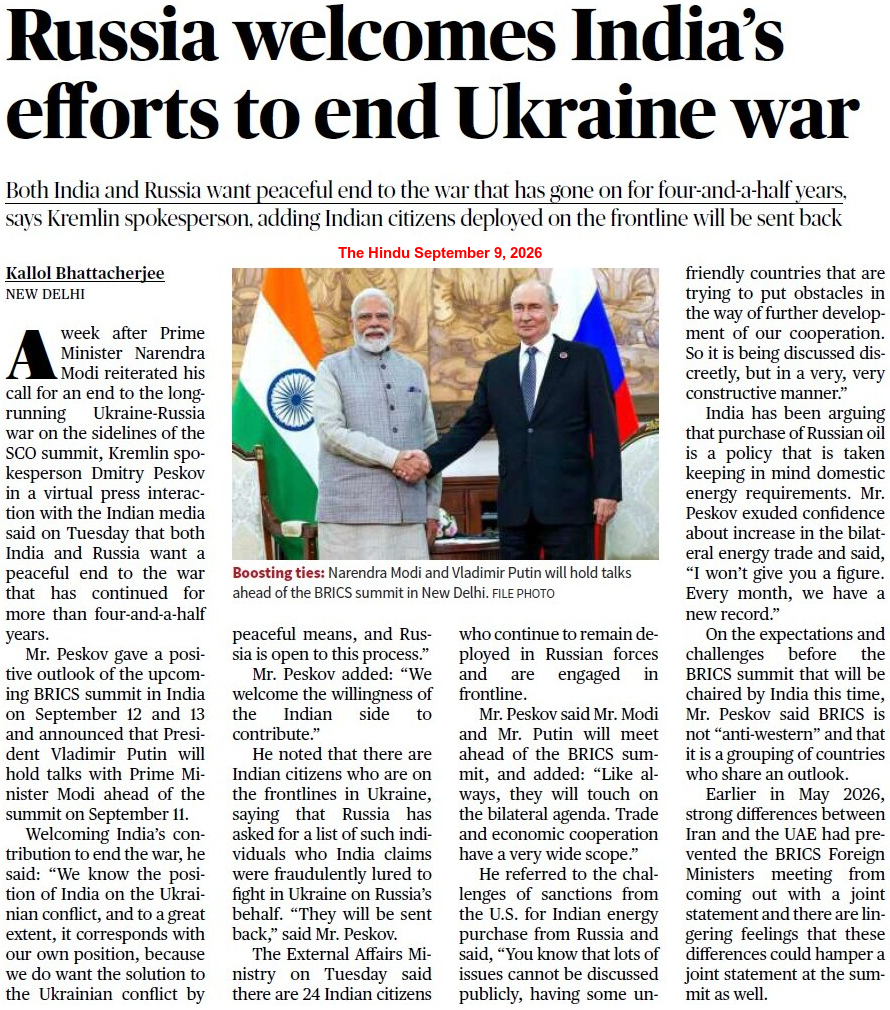
In terms of politics and diplomacy, the first casualty of the China-US trade war will be the summit between Xi Jinping and Donald John Trump scheduled to be held at the White House on September 24, 2026. During their May 2026 summit in Beijing, the two Presidents committed to a framework of “constructive strategic stability” in order to manage bilateral tensions and steer relations over a three-year horizon. Their next meeting could have created an opportunity to strengthen bilateral ties. However, the scenario has changed in recent times and China has started providing Iran with critical diplomatic and indirect economic backing, moving away from its calculated balancing act.
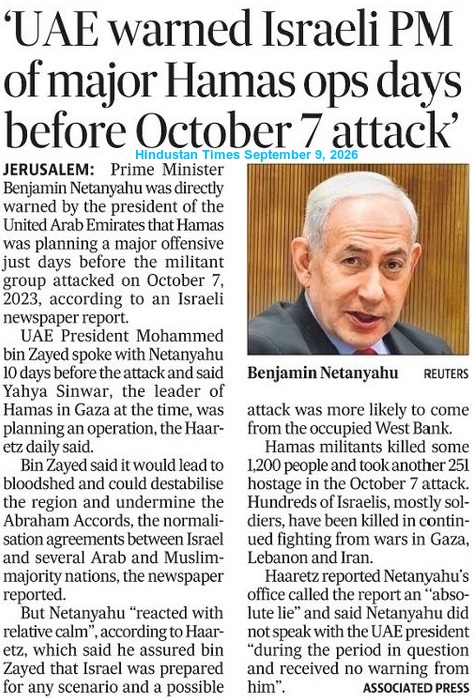
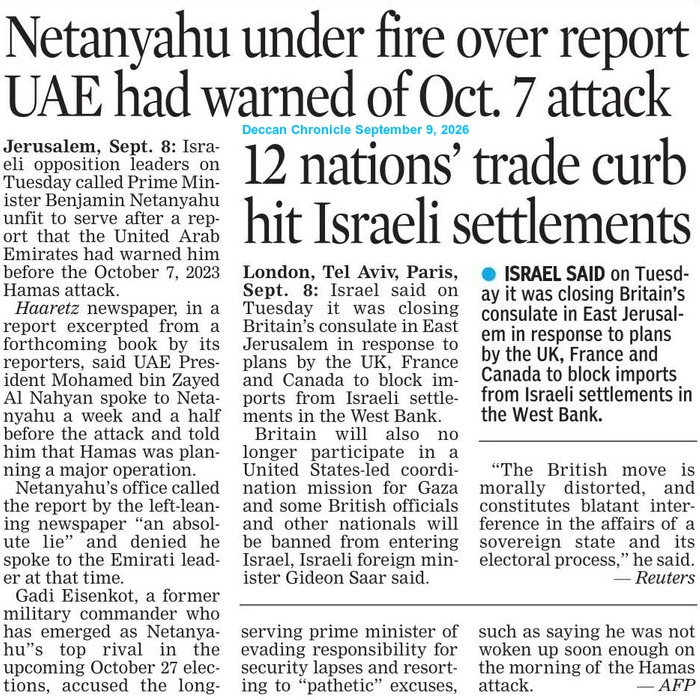
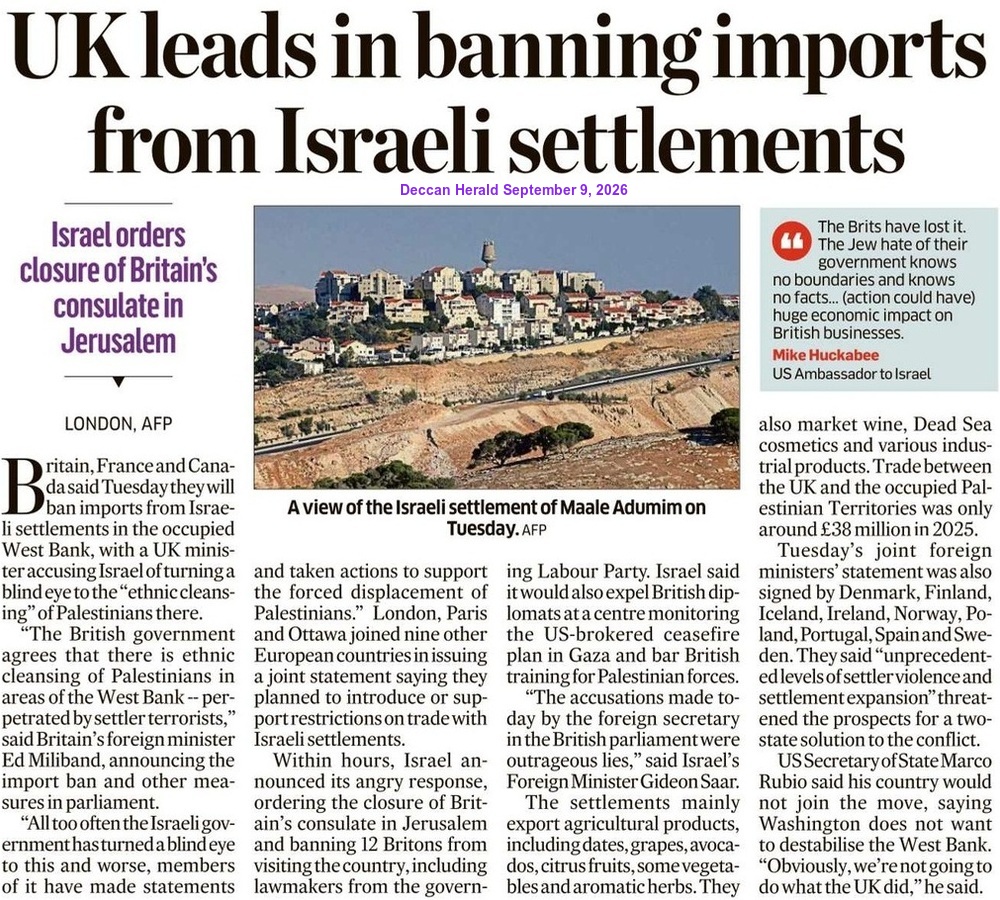
It is also evident that Iran shows no signs of backing down in spite of the immense military and economic pressure exerted by the US. Although the strategic perception of the Iran-US-Israel conflict remains highly divided, the majority of the global community believes that Iran is enjoying an upper hand, while the US and Israel are being cornered. The fact that Iran has refused to relinquish control over the Strait of Hormuz in the face of any pressure or threat has politically embarrassed President Trump and Israeli Prime Minister Benjamin ‘Bibi’ Netanyahu.
Israel was not a party to the June 2026 Islamabad Memorandum between the US and Iran. Yet, Tel Aviv had a vested interest in keeping Iran under pressure. As that agreement did not last long, both Trump and Netanyahu have had to pay a political price in their respective countries. Both of them will have to face elections (within the next few months) at a time when their popularity is rapidly declining. Therefore, cornering Iran has become essential for the two leaders in order to safeguard their respective political interests.
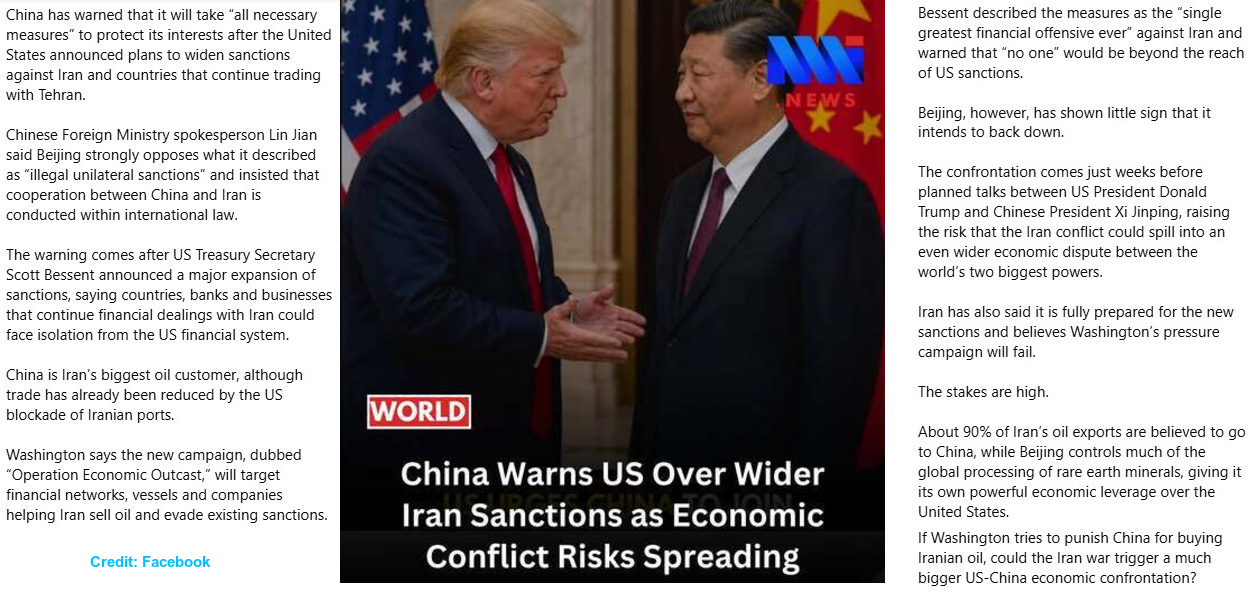
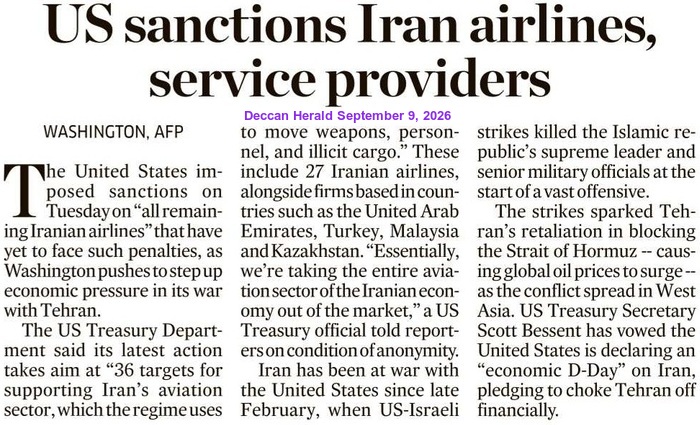
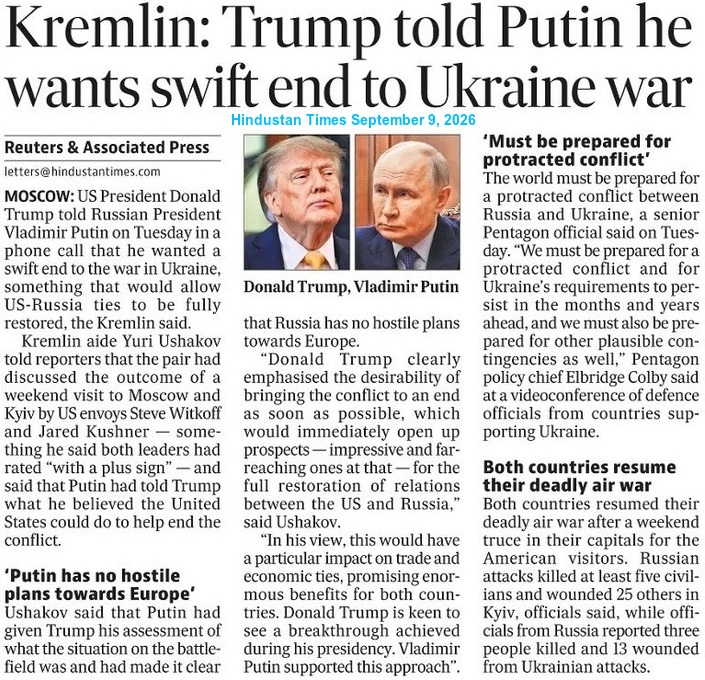
Following the stall of diplomatic negotiations and months of military conflict, President Trump has launched Operation Economic Outcast, an initiative to target third-party countries and global financial networks trading with Iran to maximise economic isolation. However, an adamant China has decided not to bow to US pressure. Beijing has made it clear that if any Chinese commercial entity is included in Trump’s sanctions, the Asian Giant will also retaliate. China did not raise significant objections to the first round of sanctions because it believed that a short-term Iran-US War would likely work to its advantage. The top political leadership in Beijing thought that Iran’s reliance on China would increase and the likelihood of a US-backed democratic government being established in Tehran would diminish, if the Iranians became resentful towards the US. And if the US remains preoccupied with West Asia, it will not be able to focus as much on the Indo-Pacific region – an area over which China wants to stamp its authority.
China is the largest buyer of Iranian oil, purchasing over 80-90% of Iran’s total crude exports. Beijing imports about 1.38 million barrels of Iranian oil each day. China also imports oil from Saudi Arabia and Iraq. Initially, the Asian Powerhouse halted Iranian oil imports through its state-owned enterprises in compliance with US sanctions. However, some private Chinese oil refineries – colloquially known as teapots – continue to purchase and process Iranian oil. Whenever President Trump sought to curb China’s oil imports through teapots, Beijing simply ignored his request. Faced with the threat of impending controls on independent Chinese oil companies, Beijing has declared that it will do whatever is necessary to safeguard its own interests. China also officially retaliated against US economic pressure by issuing its first-ever blocking order to shield independent companies from Washington DC’s extraterritorial sanctions.
Apart from continuing oil imports from Iran, China could also restrict the exports of rare minerals to the US in an attempt to create trouble for the Trump Administration. It may be noted that China controls roughly 70% of global rare-earth mining and about 90% of processing, as well as refining, capacity. As a result, Chinese restrictions on these exports can cause severe shortages in US military and civilian manufacturing sectors. It would be a cause for considerable concern for Washington DC.
Political analysts are of the opinion that China’s foreign policy approach generally aims to maintain a stable, predictable and managed relationship with the US mainly to safeguard its own economic development and domestic priorities. Interestingly, the geopolitical relationship between the US, China and Taiwan remains one of the most sensitive triggers for stability in the Indo-Pacific Region. If the US shifts its diplomatic stance or frequently challenges the status quo regarding the status of Taiwan, it directly threatens the delicate balance that has prevented open military conflict for decades.
As high-stakes situations almost always carry significant risk on both sides, many hope that the latest threat, too, will turn out like President Trump’s various attempts at intimidation in recent times. It may also be a part of the US President’s Art of the Deal strategy to put China under diplomatic pressure. It seems that the ongoing China-US trade war is like a dry thunderstorm.
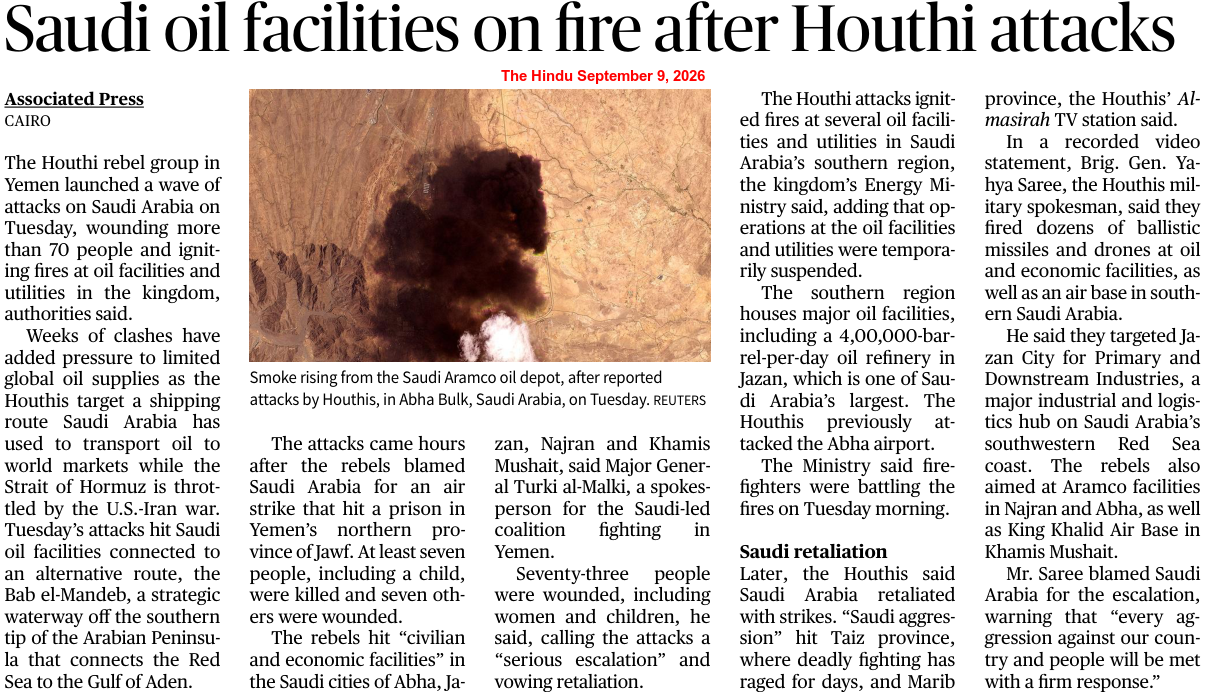
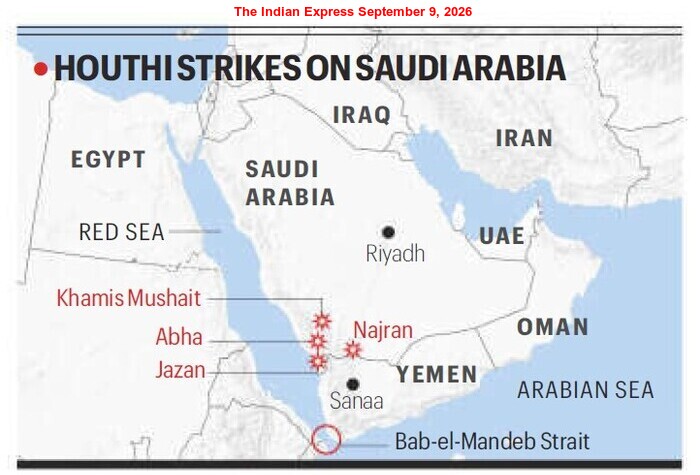
Meanwhile,


Boundless Ocean of Politics on Facebook
Boundless Ocean of Politics on Twitter
Boundless Ocean of Politics on Linkedin
Contact us: kousdas@gmail.com

 ISMC
ISMC
