

Report: Trump Opened Secret Backchannel To IRGC
The Donald Trump Administration reportedly opened a secret channel with the Islamic Revolutionary Guard Corps (IRGC) of Iran in May 2026 as Washington DC feared the powerful military force could overrule Iranian Foreign Minister Seyyed Abbas Araghchi, Parliament Speaker Mohammad Bagher Ghalibaf and other Iranian negotiators during talks aimed at ending the conflict. Citing three persons with direct knowledge of the discussions, Axios recently reported that US officials were not sure whether Iranian negotiators had enough authority to reach an agreement with Washington DC.
Reports suggest that Tulsi Gabbard, the then US Director of National Intelligence, had requested Nechirvan Barzani, the President of Iraq’s Kurdistan region, to establish contact with the top IRGC leadership around May 10, 2026. Barzani accepted the request and asked the IRGC leadership whether it backed the position presented by the Iranian negotiators or had additional demands. On May 14, an IRGC representative arrived at Barzani’s office in Erbil with an encrypted phone, allowing him to speak directly with General Ahmad Vahidi.
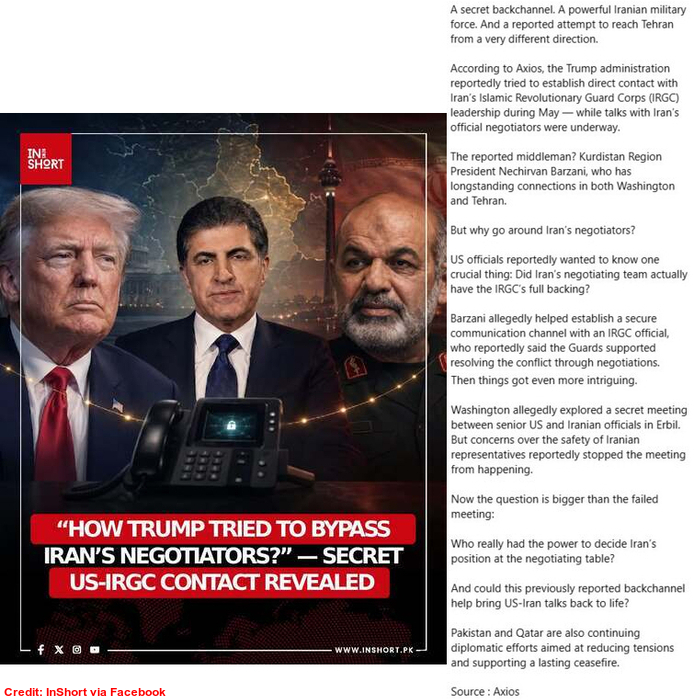
When Barzani asked Vahidi whether he supported the Iranian negotiating team, the General replied: “I fully support them and this is also the position of the IRGC. We prefer to solve this crisis through negotiations.” Then, Barzani conveyed the message to Gabbard who briefed the White House.
After receiving the IRGC’s response, the Trump Administration urged Barzani to host confidential talks between senior US and Iranian officials in Erbil. Although Iranian officials did not immediately reject the proposal, they raised concerns about their security as they feared Israeli intelligence could target them in Iraqi Kurdistan or during their journey to and from Erbil. Hence, the proposed meeting never took place. Later, US and Iranian officials held talks in Pakistan that produced a Memorandum of Understanding (MoU) in June. Unfortunately, the framework subsequently collapsed.
The entire episode highlights the difficulties faced by the Trump Administration in determining who holds decisive authority within Iran, especially after the conflict strengthened the influence of the IRGC over security and foreign-policy matters.
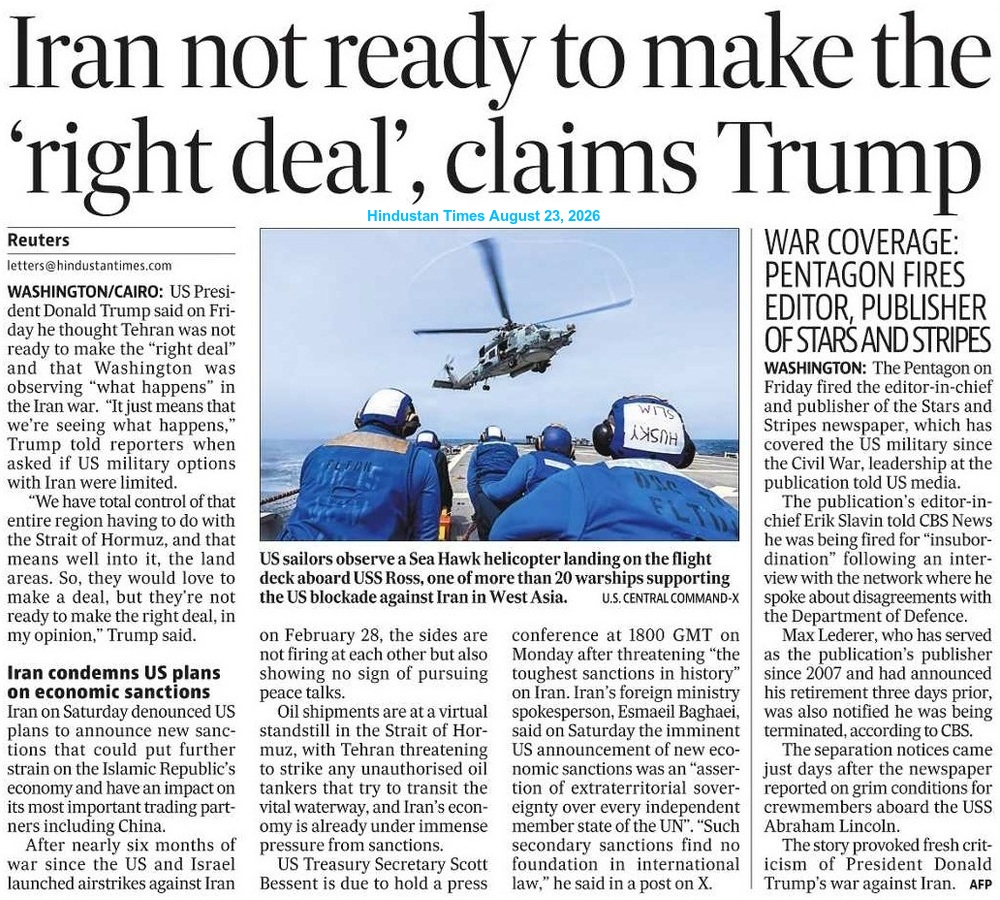
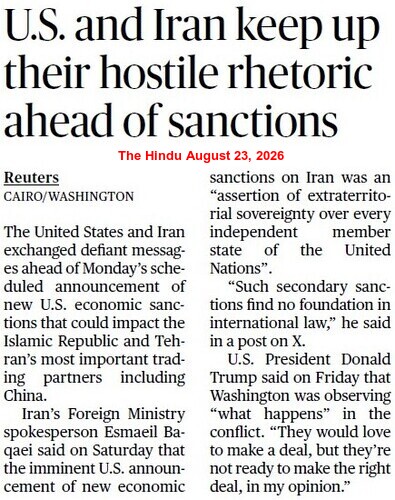
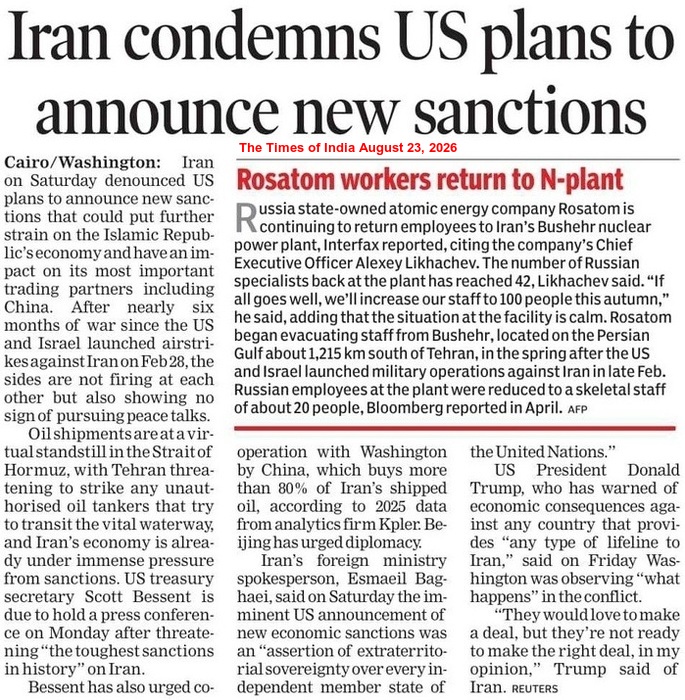
Since then, Pakistan and Qatar have continued to relay messages between Washington DC and Tehran, although there has been little progress towards restarting substantive negotiations. Tehran also rejected Barzani’s proposal to help revive direct US-Iran negotiations, saying that it was not engaged in talks with the US and had no immediate plans to resume them. Currently, the Islamic Republic maintains contact with mediators.
Meanwhile,
Boundless Ocean of Politics on Facebook
Boundless Ocean of Politics on Twitter
Boundless Ocean of Politics on Linkedin
Contact us: kousdas@gmail.com

 ISMC
ISMC
