

After Eight Decades…
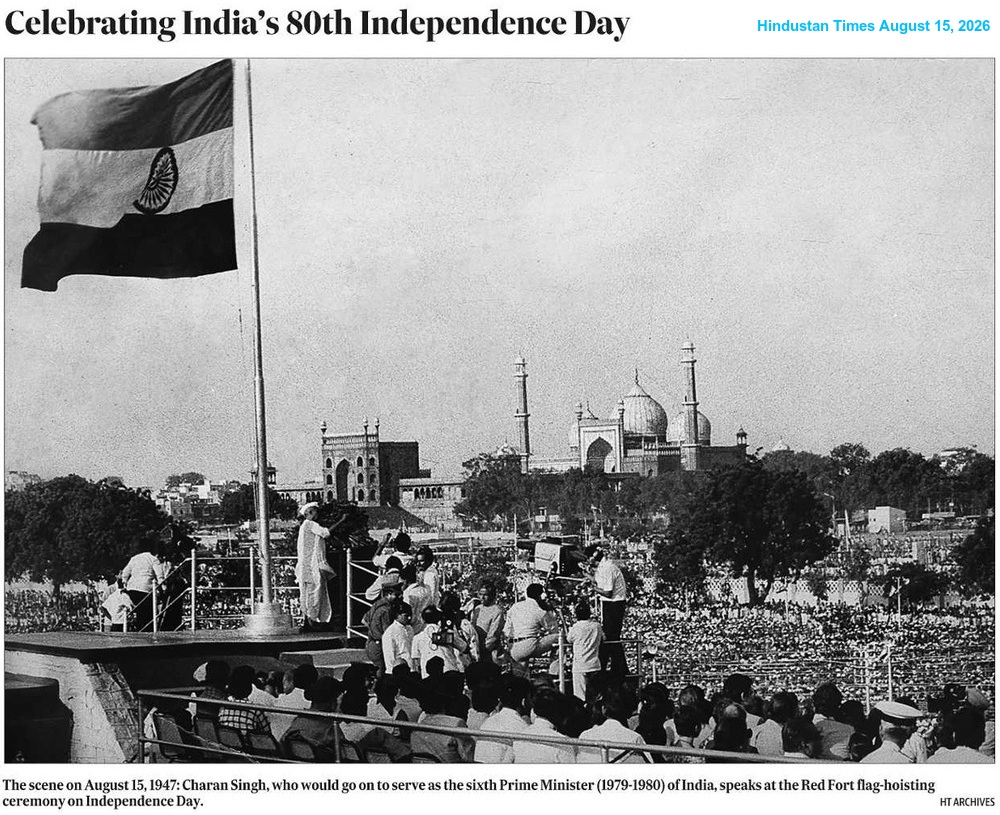
While India celebrated its 80th Independence Day on August 15, 2026, marking the completion of 79 years of freedom from British colonial rule; the Subcontinent marked the 80th anniversary of its Partition. Many of those who made the realisation of this dream possible did not live to see the independence achieved at the cost of decades of nationalist movements, and the sacrifices and ultimate offerings of countless lives. However, those who witnessed August 15, 1947, like Mahatma Gandhi, Pandit Jawaharlal Nehru, Babasaheb Ambedkar, Sardar Vallabhbhai Patel, Maulana Azad and hundreds of other Indian leaders, along with countless Indians, were heartbroken at the inability to keep the country united at that moment of independence. There is no doubt that India ‘trysted with destiny’ on August 15, 1947, marking the birth of a Free Nation alongside the profound and violent tragedy of Partition that displaced over 14 million people, apart from causing massive loss of life.
Incidentally, various unhistorical narratives regarding Independence and the Partition are currently circulating in the eastern Indian Province of West Bengal. Under the directive of the Provincial Governor, August 14, 2026 was observed as Partition Horrors Remembrance Day in all schools, colleges, universities and other institutions across West Bengal. It is difficult to say whether this initiative of Hindutva Politics – aimed at recalling the horrors of Partition – evokes laughter or tears. It may be noted that the leaders of the Hindu Mahasabha had fully supported the Partition of the Indian Subcontinent in 1947.
For so long, the Partition has never been observed for a simple reason: There is an inherent contradiction between the formal observance of an event and the act of remembering grief, suffering or loss. This time, however, the distinctions between joy and sorrow, happiness and misery, and loss and gain are all on the verge of vanishing under government directive.
It is noteworthy that the directive to observe Partition Horrors Remembrance Day is not merely an isolated instance, but part of a carefully considered new vision for India. Instead of prioritising the end of British colonial rule, this new vision has accorded central importance to the separation of Muslim-majority Bangladesh from Hindu-majority West Bengal.
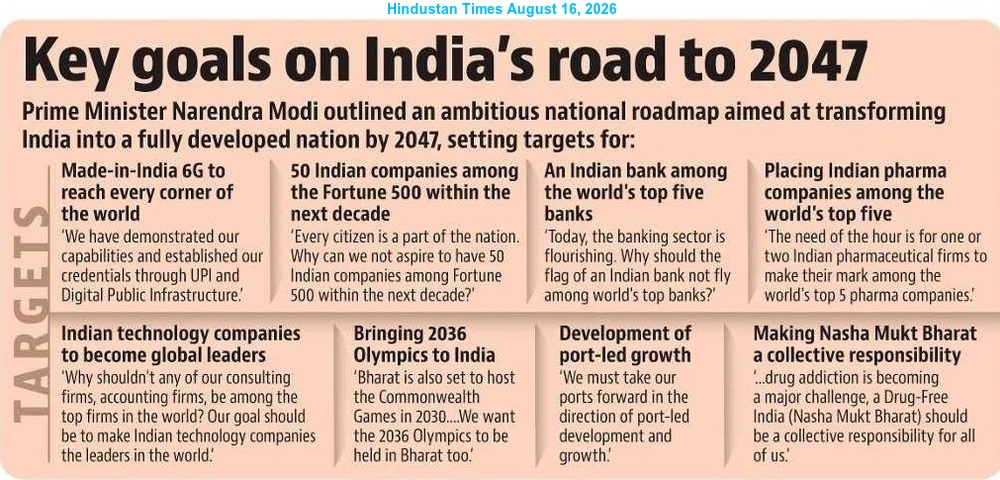
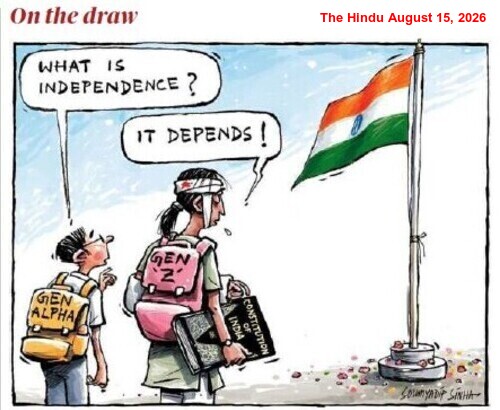
Earlier, the message from Indian Home Minister Amit Shah resonated that the focus of Indian history should now shift away from British colonialism. How Independence Day will be celebrated in the future, excluding colonial history, is a topic for a separate discussion. It is essential to state that these two historic events – the glory of ending two centuries of Western colonial oppression and illegitimate rule through the Independence of 1947, and the immense tragedy and suffering of the world’s most horrific mass exodus and refugee crisis accompanying the Partition – must each be accorded the significance they deserve.
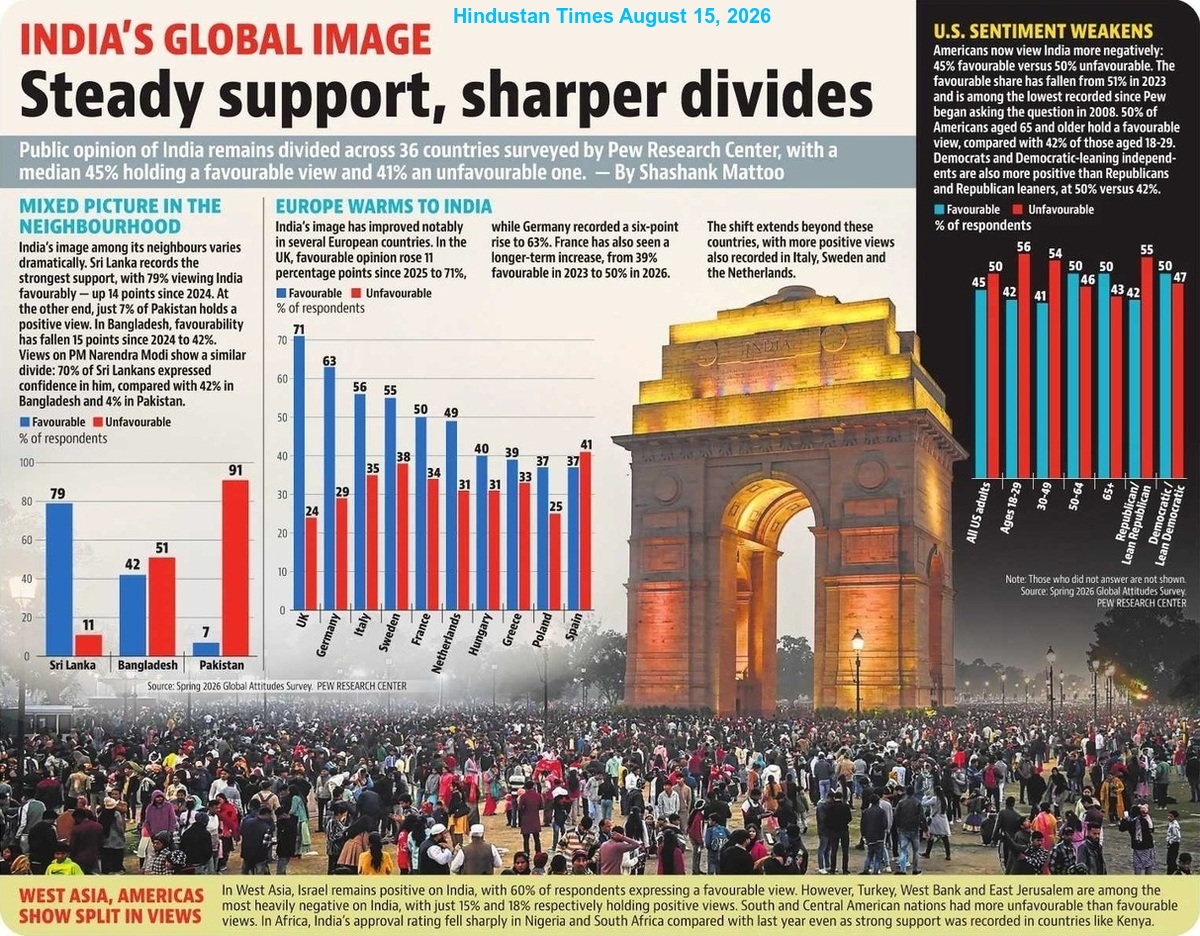
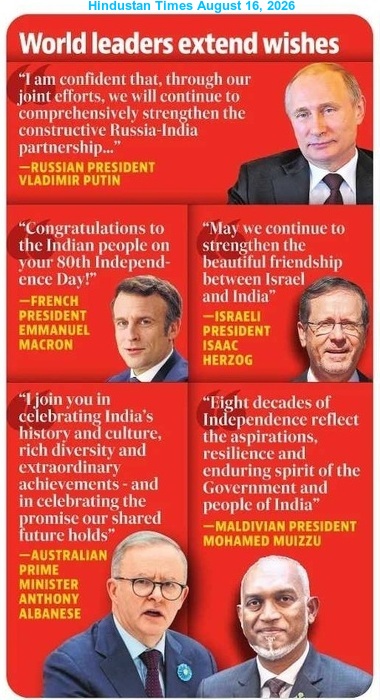
May this sense of history not vanish from present-day India. As India turns 80, this remains the wish of 1.478 billion Indians for their country.
Meanwhile,
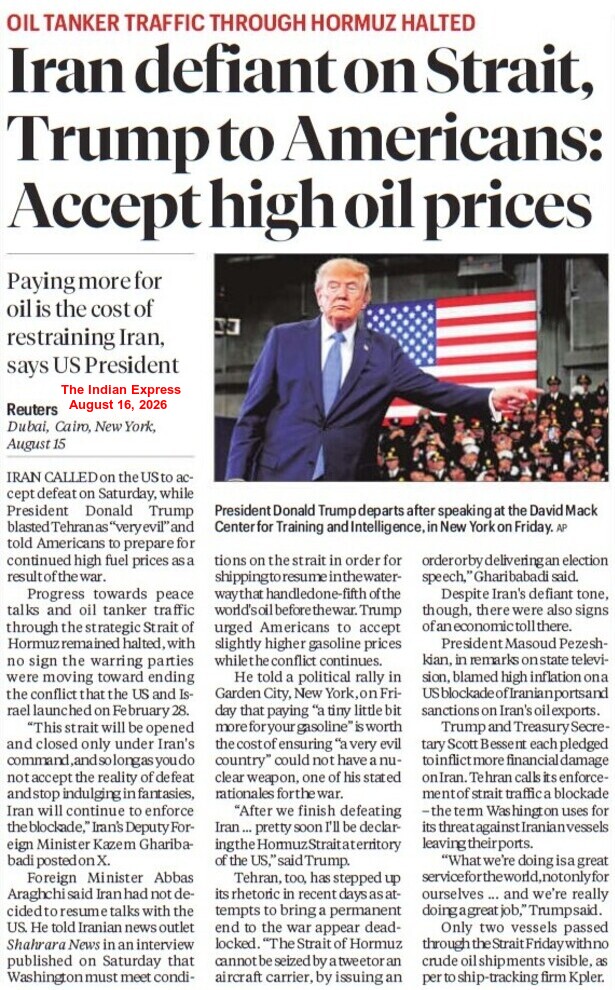
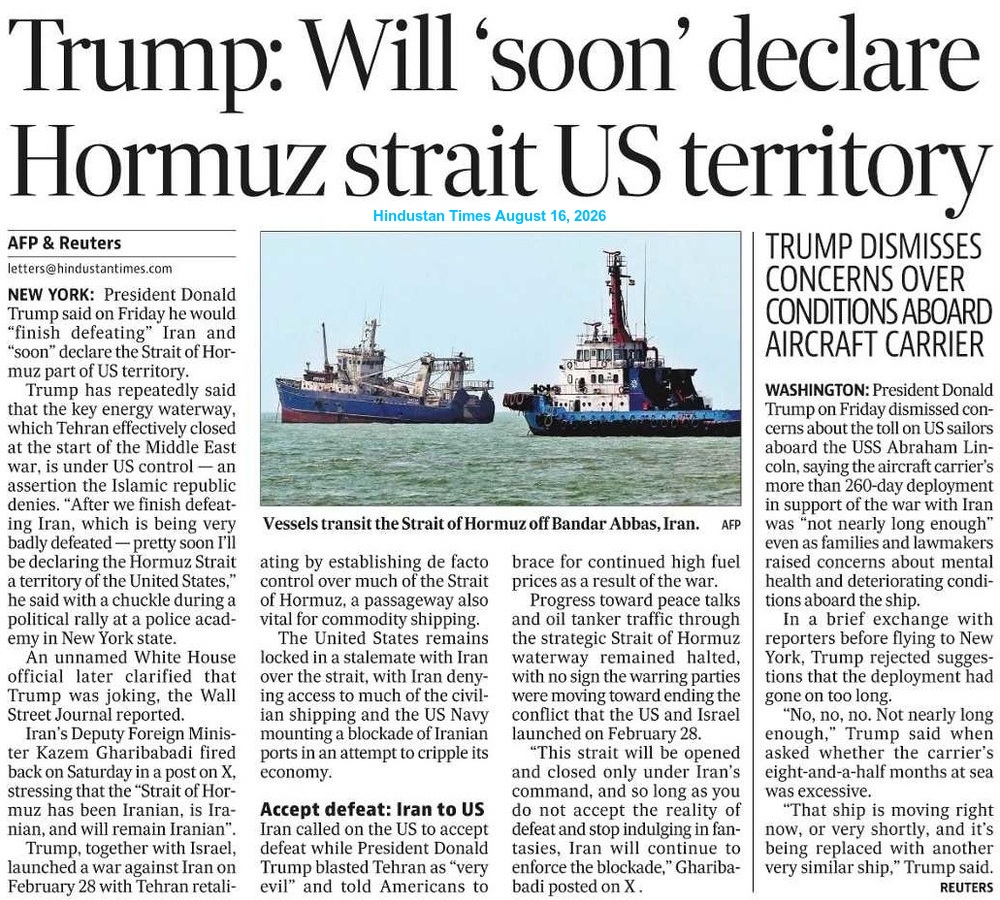
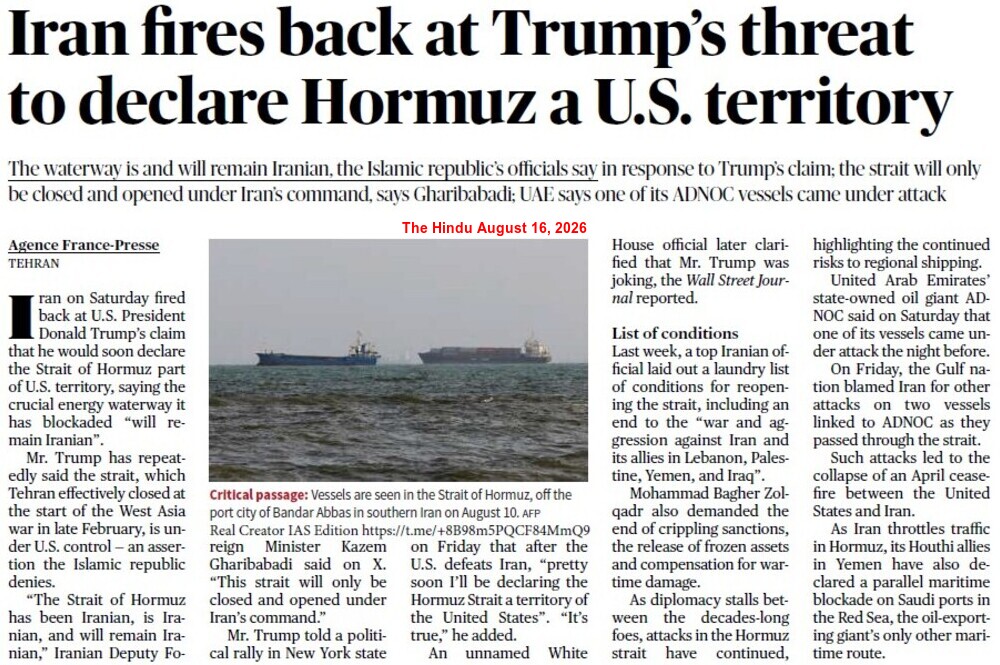


Boundless Ocean of Politics on Facebook
Boundless Ocean of Politics on Twitter
Boundless Ocean of Politics on Linkedin
Contact us: kousdas@gmail.com

 ISMC
ISMC
