

Deal Signed, Iran To Bury Khamenei In July
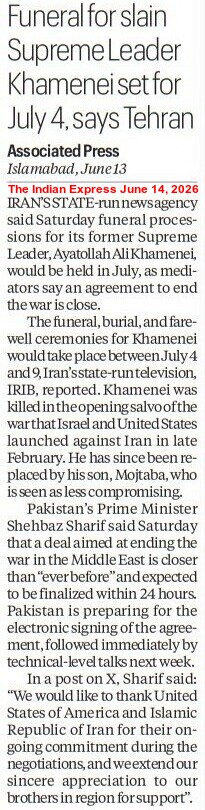
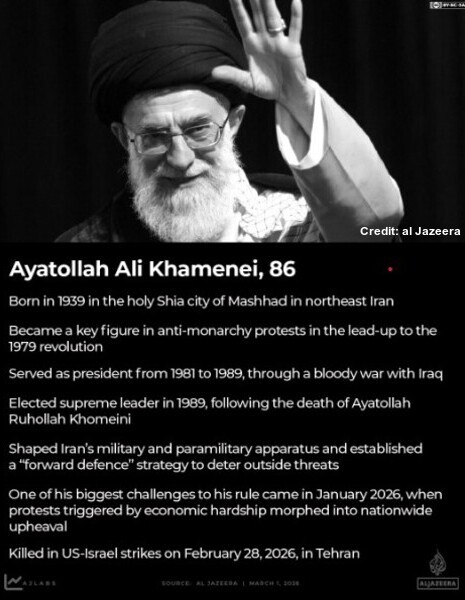
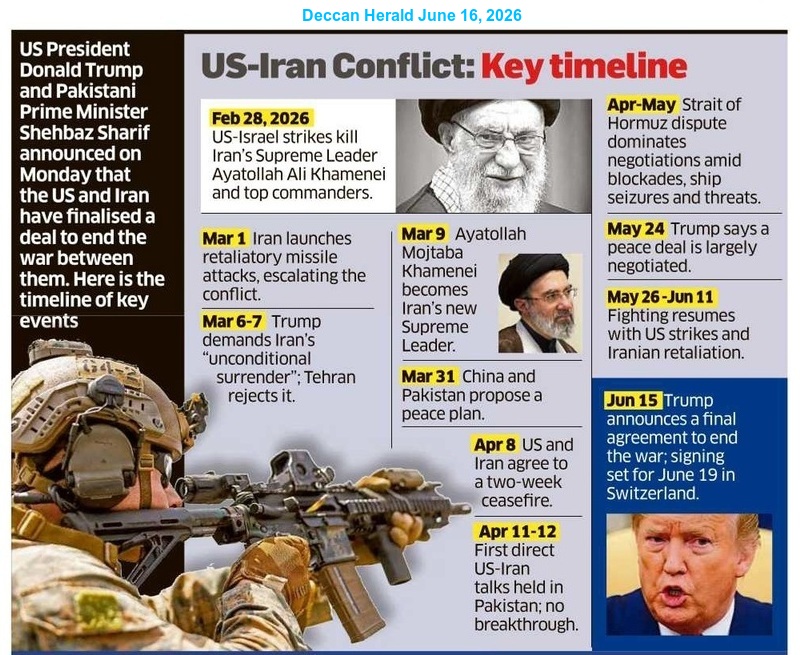
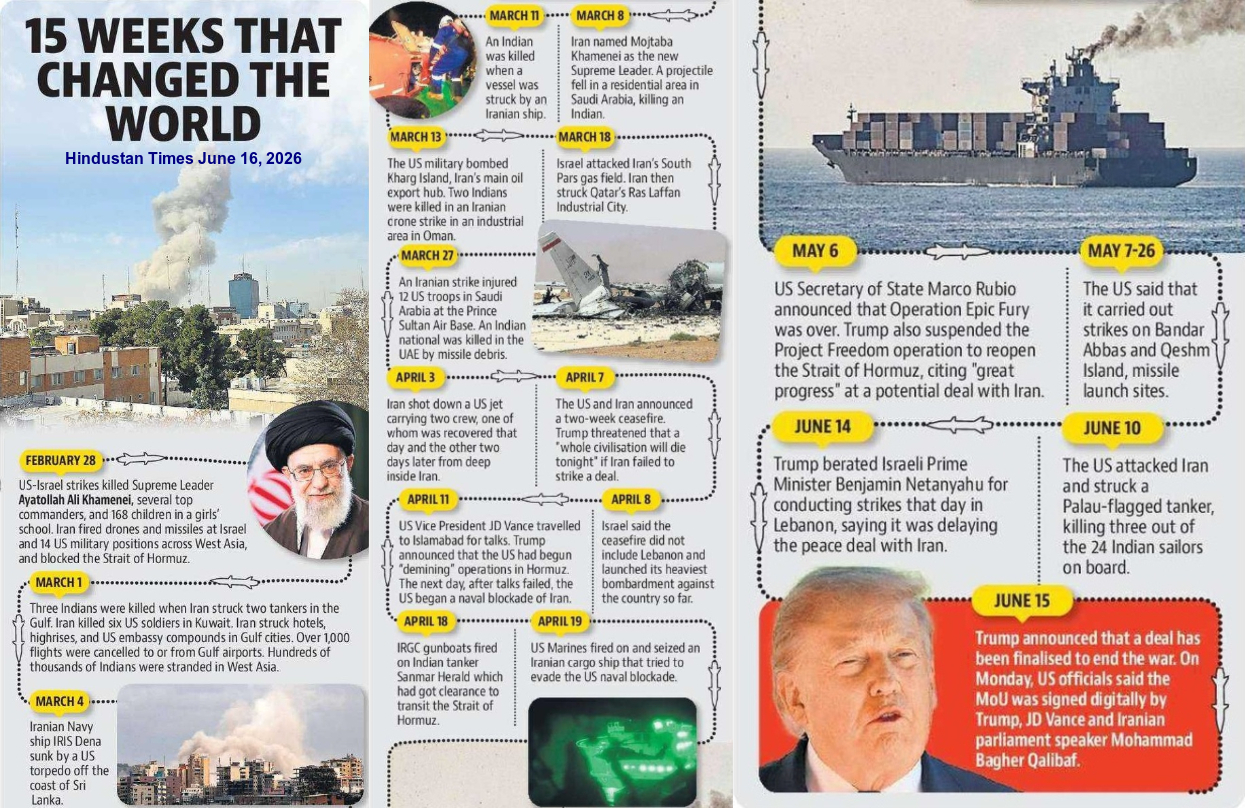
More than 100 days have passed since his demise on February 28, 2026. However, Iran is yet to bury its former Supreme Leader Ayatollah Ali Hosseini Khamenei (April 19, 1939 – February 28, 2026). On June 13, Tehran announced that the funeral for the late Supreme Leader would begin on July 4 and the burial would take place on July 9.
After he was killed in a joint aerial strike by the US and Israel, Tehran decided to bury its second Supreme Leader (from 1989 to 2026) in Mashhad, the second-largest city of the West Asian nation. Several high-ranking Iranian military officials were also killed in that attack. While they were laid to rest with full state honour, the Ayatollah – who held power for three decades – was not buried. As expected, the prolonged delay of his interment at the Imam Reza Shrine in Mashhad highlights several critical vulnerabilities within the Islamic Republic.
The Administration of President Masoud Pezeshkian previously announced that grand, multi-city funeral processions with the deceased leader’s body would be held in Tehran, Qom and Mashhad prior to his burial at the Imam Reza Shrine. However, Tehran took time to announce the date of his burial due to the Iran-US War. Reports suggest that the Iranian authorities have deliberately maintained a strict blackout and released no official information regarding the exact location or condition of Ali Khamenei’s mortal remains. Unconfirmed reports from Israeli officials and media claim that his body was recovered from the rubble, although independent verification remains unavailable.
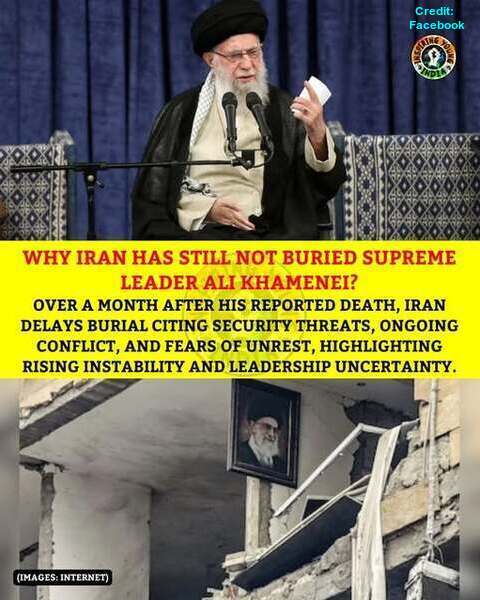
According to an Iranian media outlet, the burial of the former Supreme Leader has been delayed mainly because of severe security threats and fear of a mass rebellion. Holding a massive, multi-city state funeral amid the ongoing conflict presents a glaring target. Hence, the concerned authorities have hesitated to gather millions of people in one place out of fear of targeted military strikes. Secondly, the regime is highly concerned that large-scale public gatherings for the funeral could be hijacked by citizens, quickly turning a state-sanctioned mourning event into nationwide anti-government protests.
A senior Iranian official, on condition of anonymity, has stressed that the funeral for a Supreme Leader is not merely a religious ceremony, but a display of political continuity, as well. The public appearance of current Supreme Leader Ayatollah Mojtaba Hosseini Khamenei at such a gathering could pose a serious security threat.
It may be noted that Commander Qasem Soleimani, an Iranian military officer who served in the Islamic Revolutionary Guard Corps (IRGC) and also headed the elite Quds Force, was killed in a targeted US drone strike on January 3, 2020 in Baghdad. His funeral processions took place in different Iranian cities, including Ahvaz, Mashhad, Tehran, Qom and Kerman, from January 4 to 7, 2020. At least 50 people were killed in stampede and several others received injuries at Soleimani’s funeral on January 7 as huge crowds packed his hometown, Qanat-e Malek. The concerned authorities in Tehran no longer want to take such a risk.
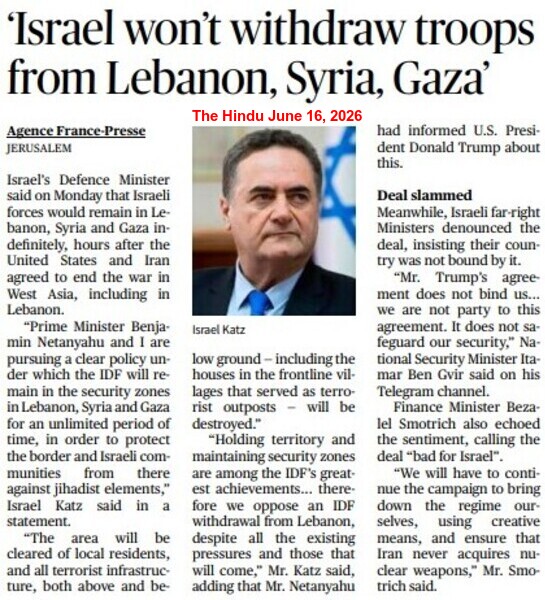
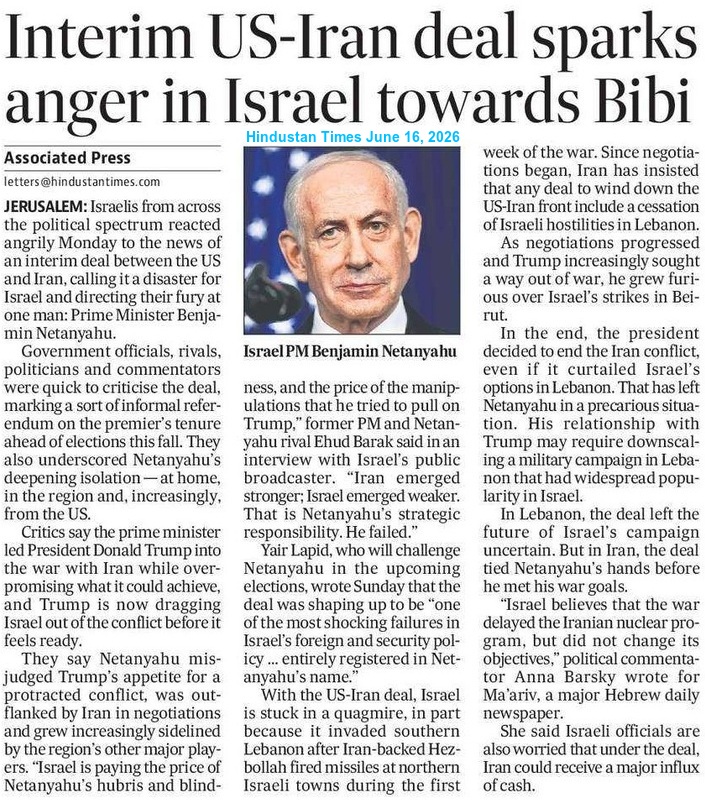
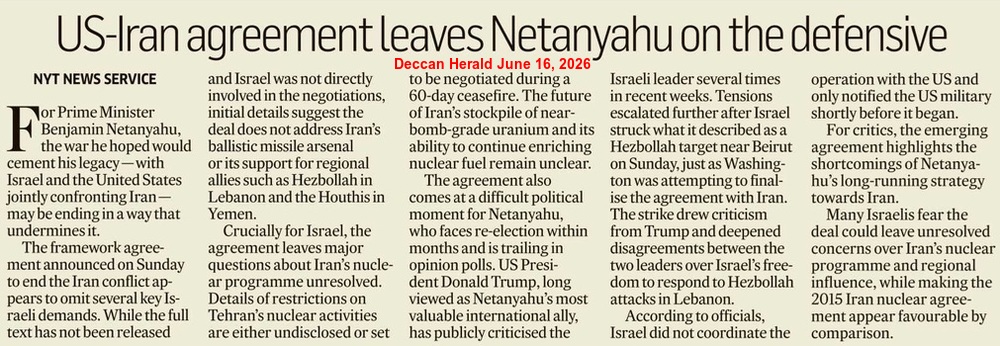
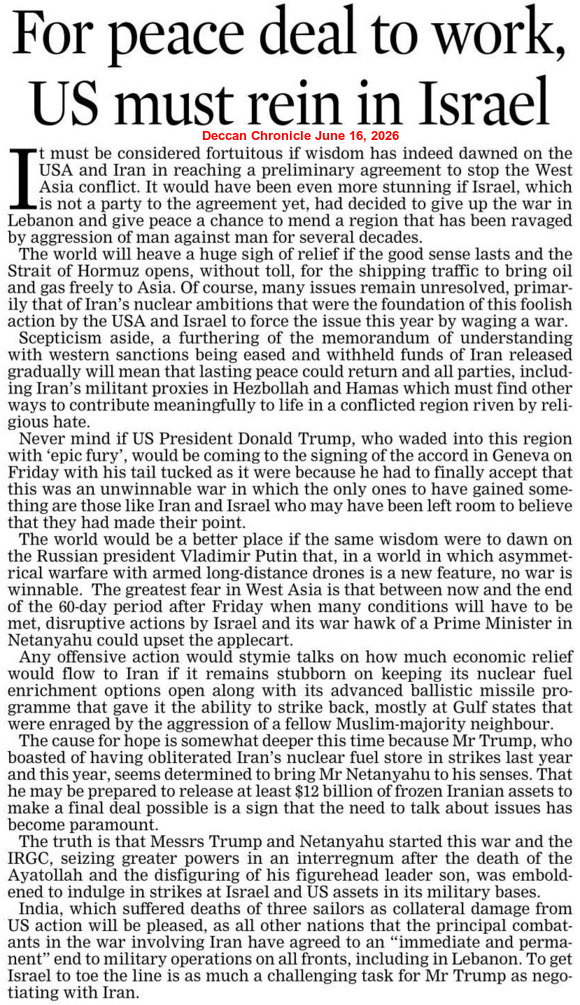
Reports suggest that the Iranian authorities expect around 20 million mourners to take part in funeral ceremonies across Tehran, Qom and Mashhad, potentially making it one of the largest public gatherings in modern history. Ali Khamenei’s funeral will take place on July 4, 2026, with three days of public mourning and processions planned before the burial (to be held on July 9). Now, the Islamic Republic has announced the date as the concerned authorities in Tehran have made full preparations for the funeral.
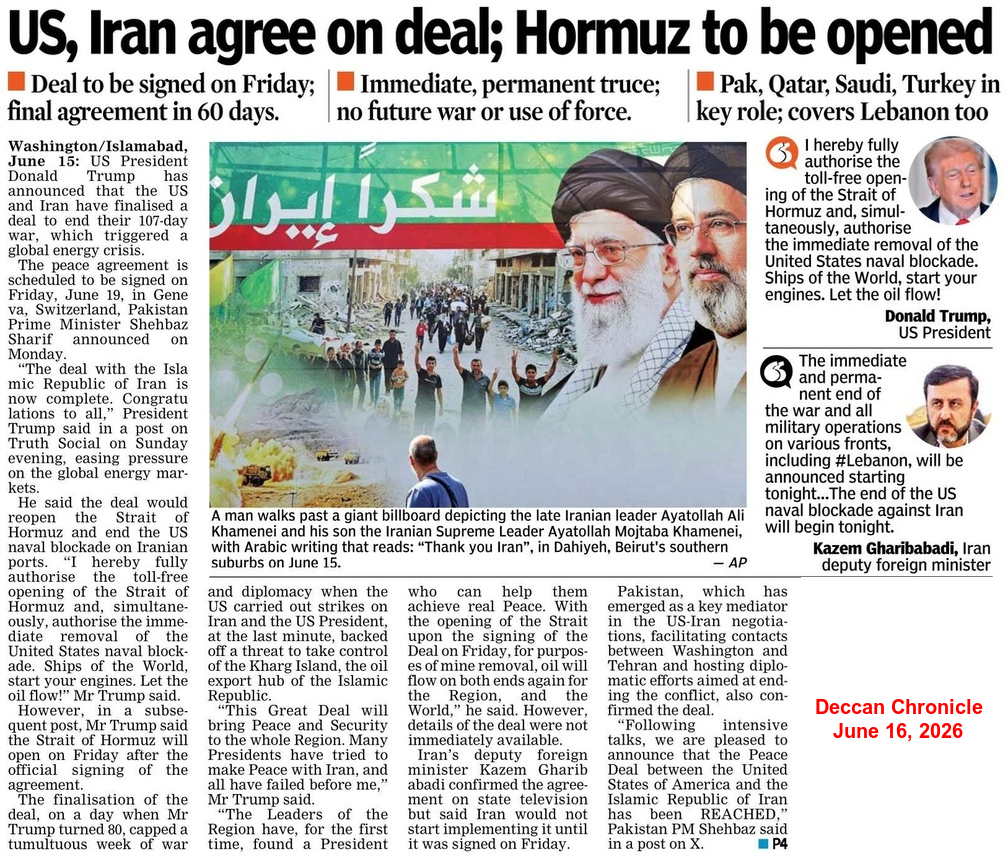
Meanwhile,
Boundless Ocean of Politics on Facebook
Boundless Ocean of Politics on Twitter
Boundless Ocean of Politics on Linkedin
Contact us: kousdas@gmail.com

 ISMC
ISMC
