

FIFA WC 2026: US’ Dirty Politics With Iran & Others
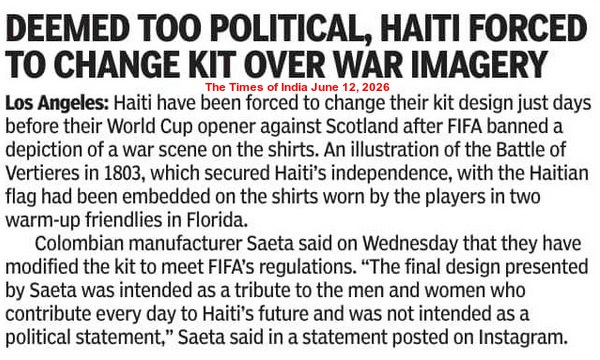
Members of the national football team of Iran recently arrived in Tijuana, Mexico, wearing #168 lapel pins as a commemorative tribute, to take part in the 2026 FIFA World Cup. The number signifies the reported 168 individuals, mostly children, who were killed in a February 28 missile strike on Shajareh Tayyebeh School (an elementary school for girls) in Minab. The Iranian players also held pink and purple school bags and wore black armbands during their March 2026 friendly matches (against Nigeria in Turkey) to honour those 168 departed souls. However, the stage of the FIFA World Cup holds a unique place in global sports as it unifies billions of viewers across 211 nations every four years. Also, FIFA regulations are quite strict. Under Law 4 of the IFAB Laws of the Game, players are strictly prohibited from displaying political, religious or personal slogans, statements or images on their equipment or undergarments.
Interestingly, the 10th day of Muharram (also known as Ashura), which holds deep historical and spiritual significance for the followers of Islam worldwide, is expected to fall on Friday, June 26, 2026. As the ongoing FIFA World Cup features a record number of 14 Muslim-majority nations, making up nearly 30% of the 48 competing countries, players of Iran, Iraq, Jordan, Qatar, Saudi Arabia, Uzbekistan, Algeria, Egypt, Morocco, Senegal, Tunisia, Bosnia and Herzegovina, Turkey and Senegal will step onto the field with deep religious devotion on that day. Rather than joyful sports celebrations, the atmosphere is often adapted to reflect mourning and honouring the martyrdom of Imam Hussein on Ashura. The Iranian Football Federation has already requested permission from FIFA for its players to wear black armbands during their Group G match against Egypt on June 27 (local time June 26). So far, the Governing Body of world football is yet to approve the request.
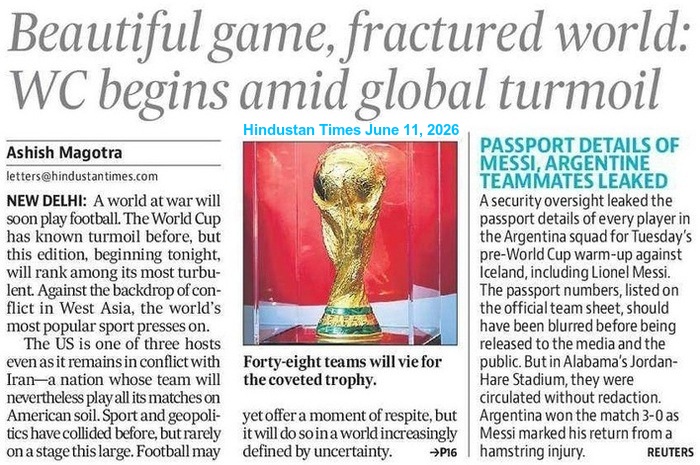
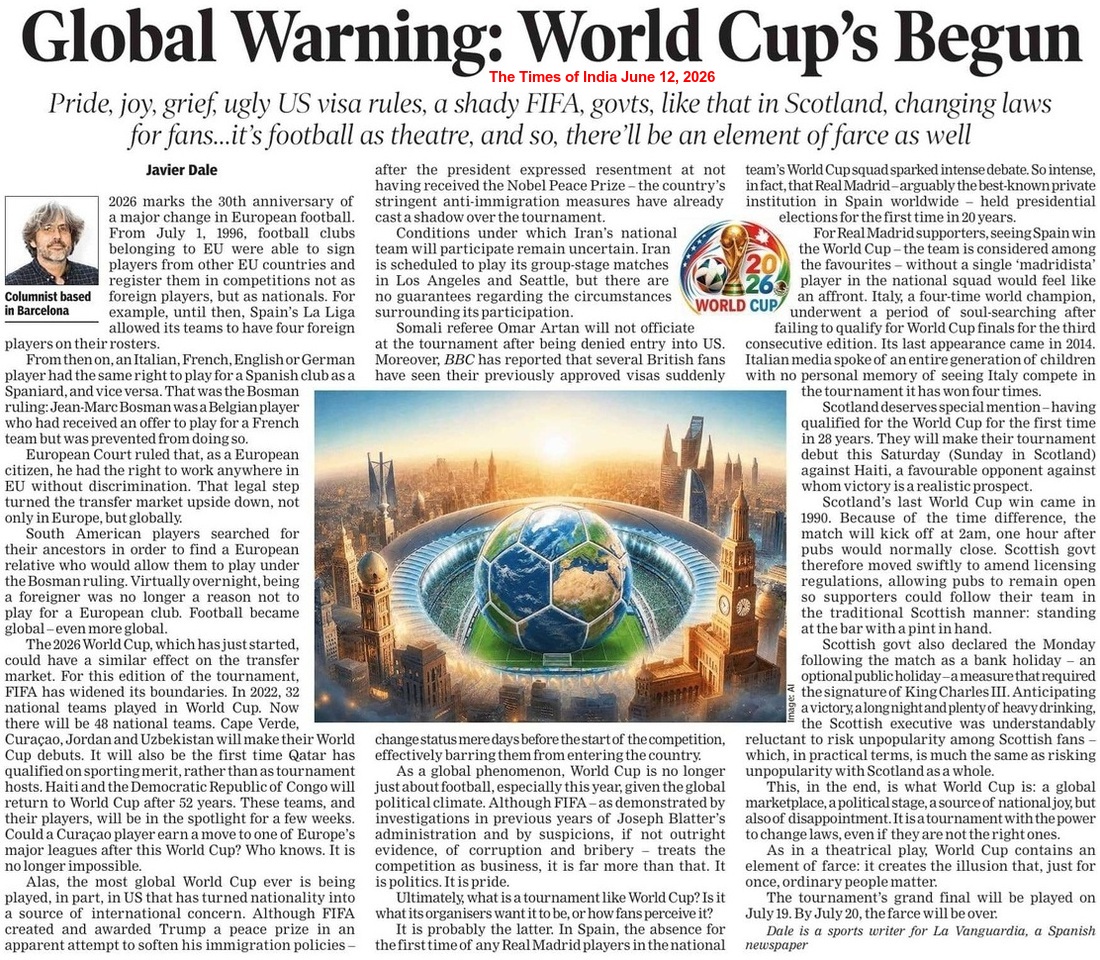
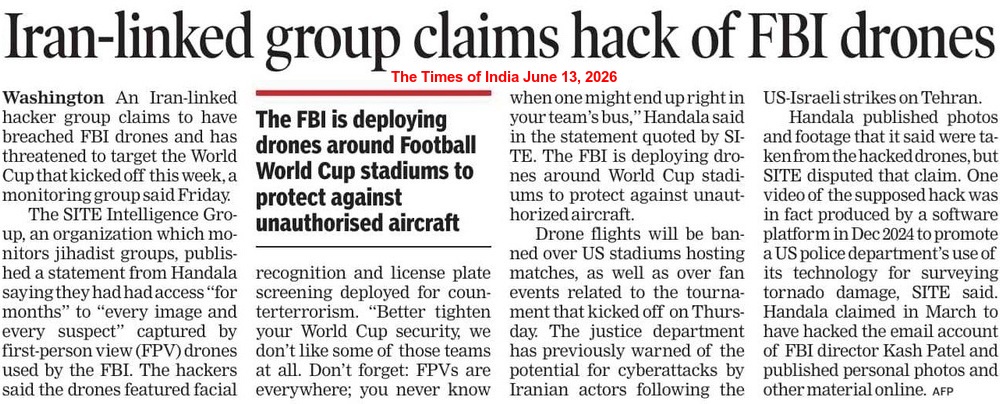
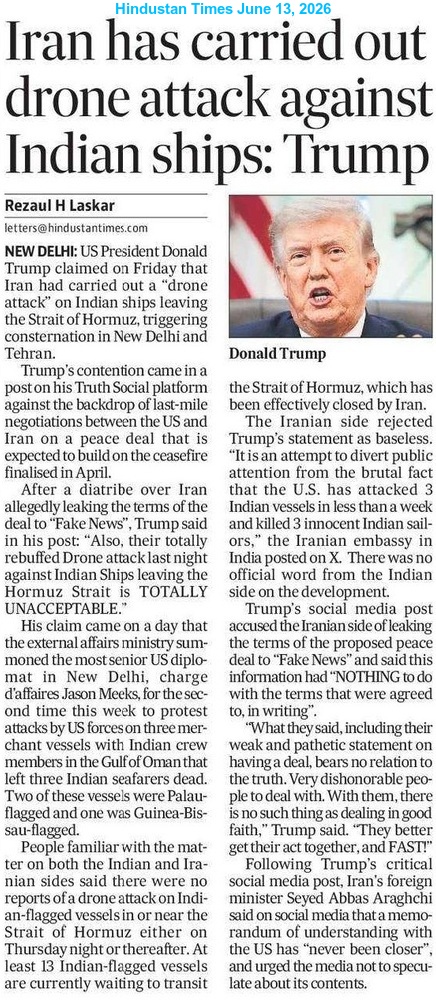
Although the US, Canada and Mexico are co-hosting the 2026 FIFA World Cup, the US hosts 78 of the 104 matches. This year’s World Cup is a unique tournament, as it features Iran participating in a competition hosted by the US amid ongoing armed conflict between the two countries. The Iranian squad has faced significant hurdles securing visas to enter the US for their group-stage matches. US officials, including the Secretary of State, have stated that players are welcome, but individuals with links to the Islamic Revolutionary Guard Corps (IRGC) face strict entry restrictions. Iran’s World Cup squad has established its base camp in Tijuana, Mexico, instead of their originally planned location in Arizona. Under strict US visa terms, the Iranian team is only allowed to enter the US on match days (“thanks to the generosity” of President Donald John Trump as claimed by Homeland Security) and must return to Mexico on the exact same day.
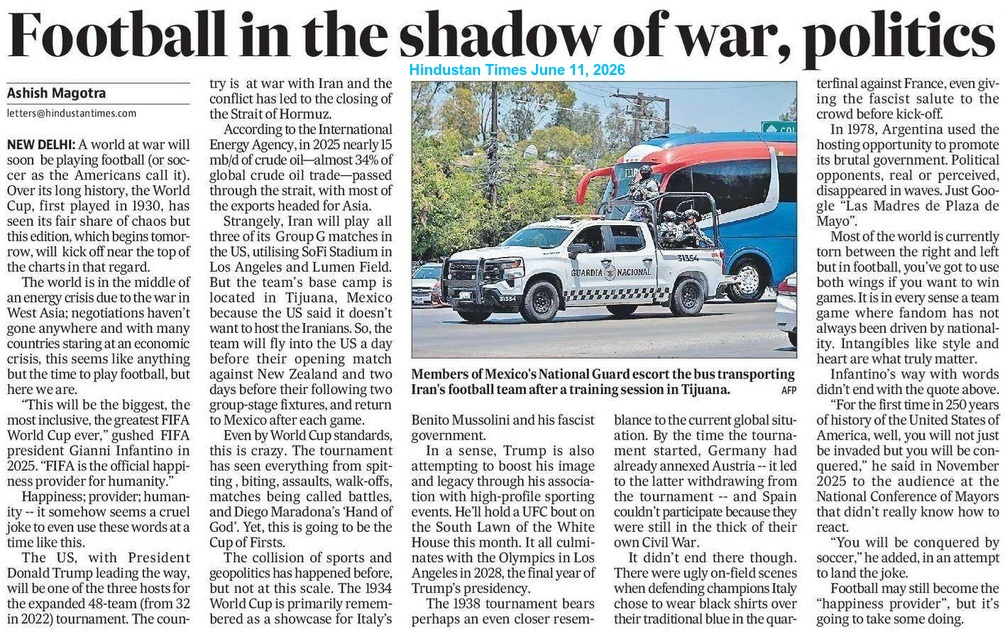
Iraqi striker Aymen Hussein was detained by US immigration authorities for seven hours upon his arrival before being released! The Immigration Officers also questioned an Iraqi photographer for 10 hours.
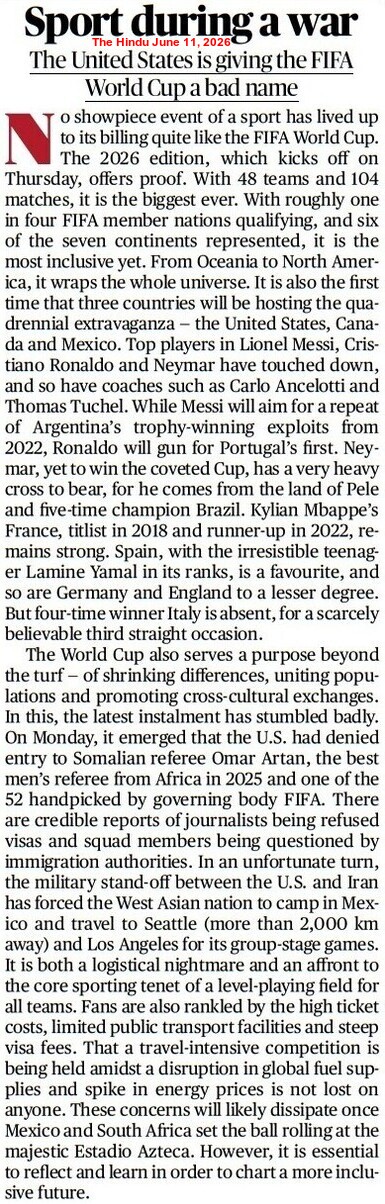
Top African referee Omar Abdulkadir Artan, the 2025 CAF Men’s Referee of the Year, was denied entry into the US at Miami International Airport and sent back to Somalia, forcing him to miss officiating at the World Cup. Despite holding a diplomatic passport, he was deemed inadmissible by US Customs and Border Protection (CBP) because of vetting concerns.
Senegalese footballers were filmed undergoing strict security checks by US authorities on an airport tarmac. Later, the Senegalese Football Federation clarified that the screenings occurred before boarding a flight in Raleigh, North Carolina, rather than upon landing, to expedite their travel.
Uzbekistan’s national team, too, faced strict security checks upon its arrival in New York for a friendly match against the Netherlands days before the start of the World Cup. The US Police reportedly used sniffer dogs and metal detectors to screen Uzbek players and staff as they got off the team bus. The unusual security protocol has drawn backlash on social media.
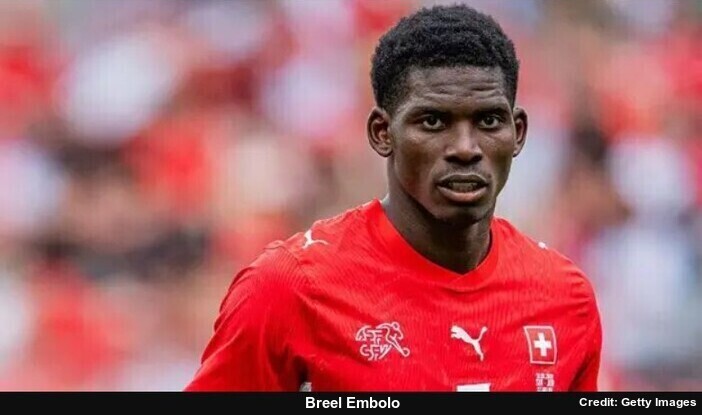
The Electronic System for Travel Authorisation (ESTA) of Swiss striker Breel Embolo was suddenly revoked hours before the national team’s flight to the US for the World Cup. The delay was tied to an ongoing review of a 2018 criminal conviction in Basel. US authorities required extra time to verify that no physical violence was involved in the case. As a result, Embolo was temporarily grounded in Zurich while the rest of the Swiss squad flew to San Diego, California. He was forced to apply for an urgent visa at the US Embassy in Bern to secure clearance and join the team later. Members of the South African team faced severe delays in traveling to their World Cup base in Mexico due to a mix-up with their US transit visas.
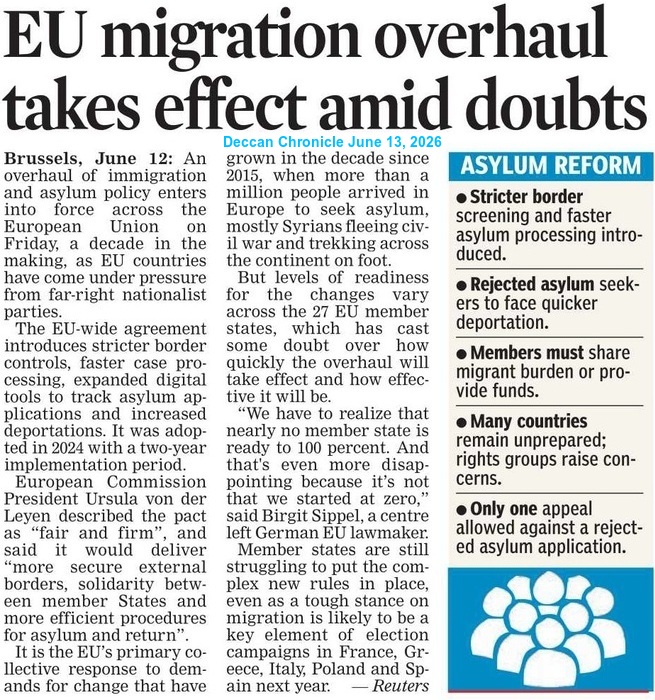
This time, a record number of African countries are participating in the FIFA World Cup and their relationships with the US experience significant strain due to various reasons. Washington DC has imposed partial or full travel bans on Iran, Senegal, Haiti and Ivory Coast. Applicants from Ghana, Egypt, Morocco, Jordan and Uzbekistan are experiencing US visa delays and strict security scrutiny, largely stemming from expanded global travel restrictions and policies targeting potential overstays.
However, Canada and Mexico have actively promoted themselves as safe, immigrant-friendly and inclusive hosts for the 2026 World Cup. Both nations plan to utilise the tournament to showcase their commitment to diversity, with Canada launching campaigns, like the #KickRacism movement, in partnership with Amnesty International.
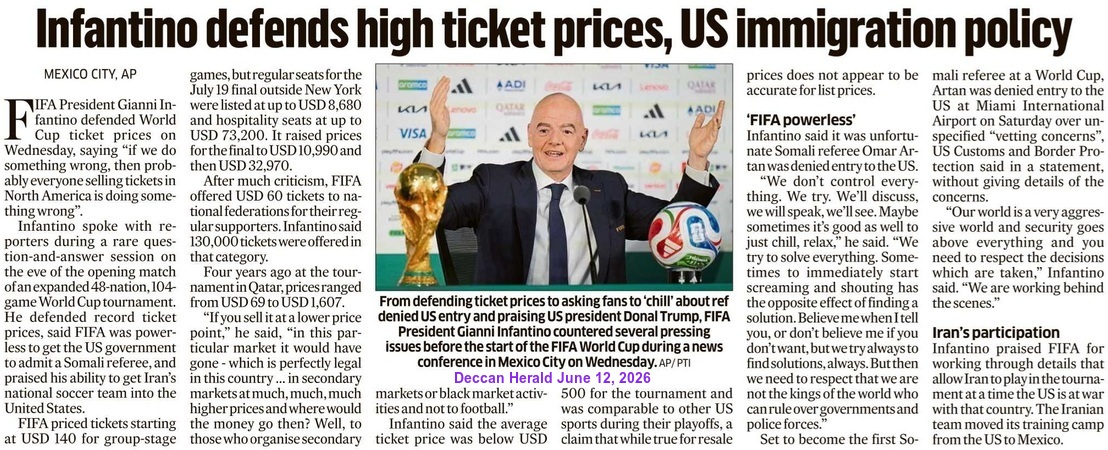
Amnesty released a report in March 2026, outlining how host countries could save the World Cup from becoming a stage for repression and a platform for authoritarian practices. Unfortunately, the Trump Administration has started using this mega sporting event as an opportunity to show cruelty, pettiness and xenophobia that will not be shown on television. Despite saving for years only to enjoy World Cup matches, hundreds of thousands of dedicated football fans from various countries have decided not to visit the US simply because of fear and anxiety.
The question arises here: Can football coexist with such mistrust as one of the host nations has declared that there will be a significant Immigration and Customs Enforcement (ICE) presence in the stadia specifically to ensure that Black, Brown and non-Christian individuals do not remain in the US after the matches?
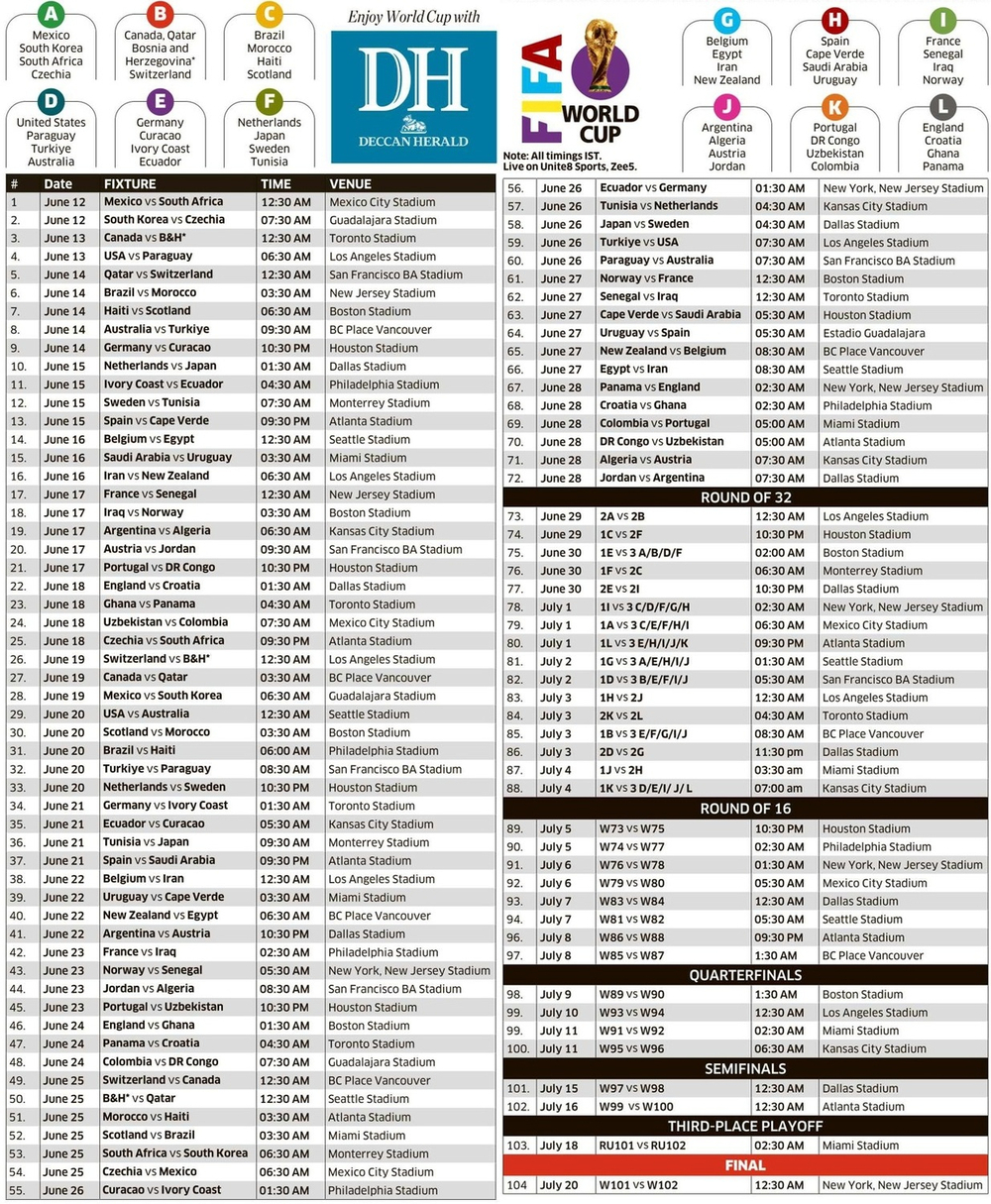
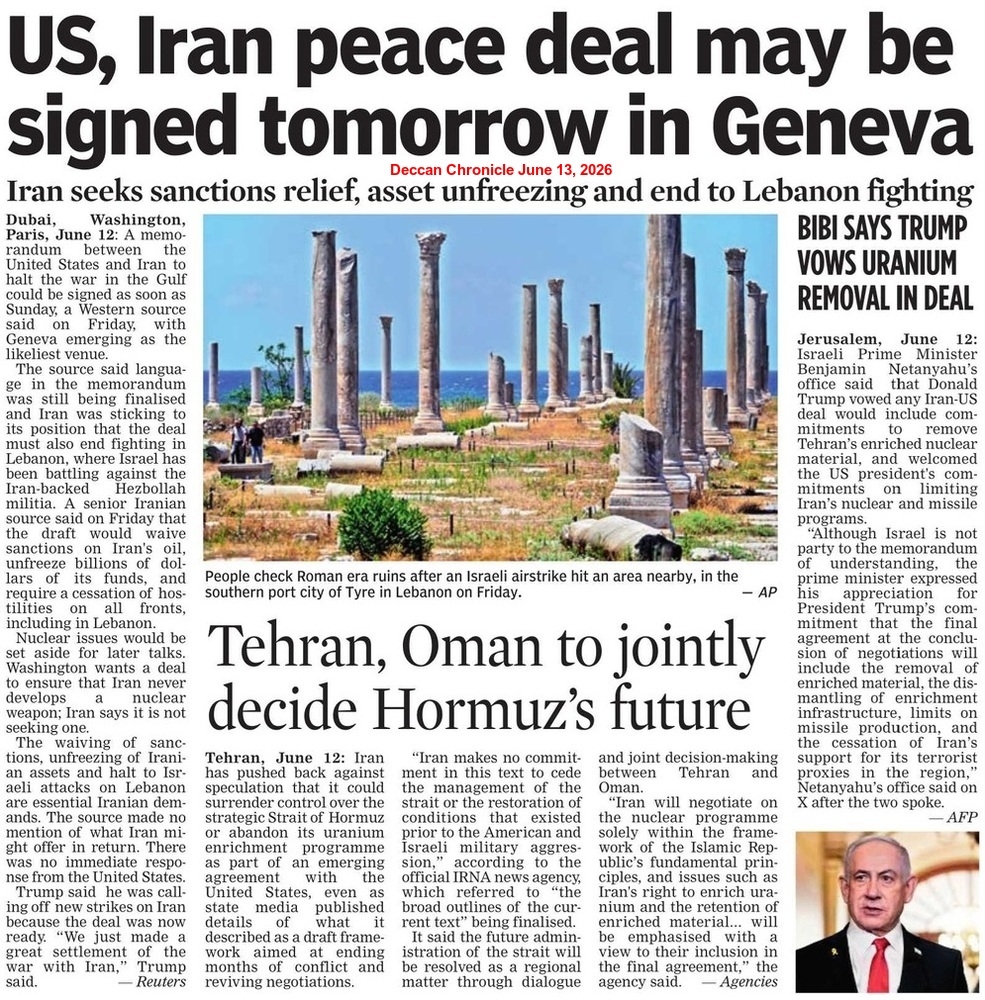
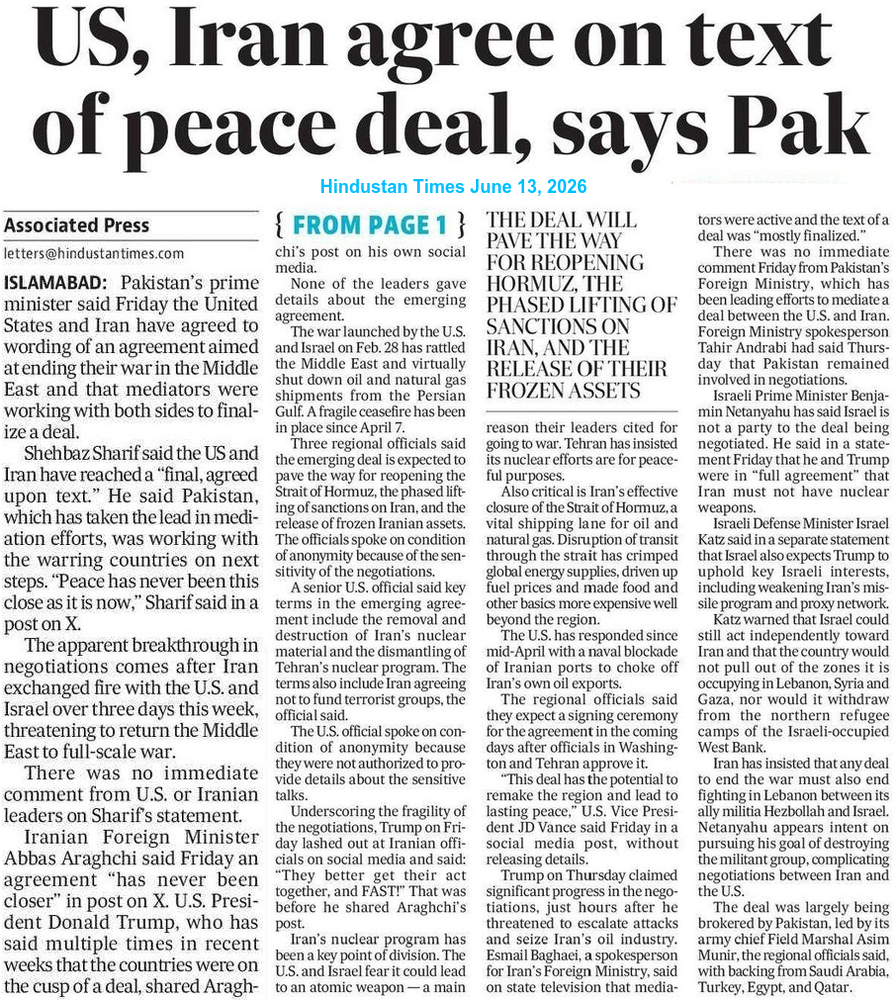
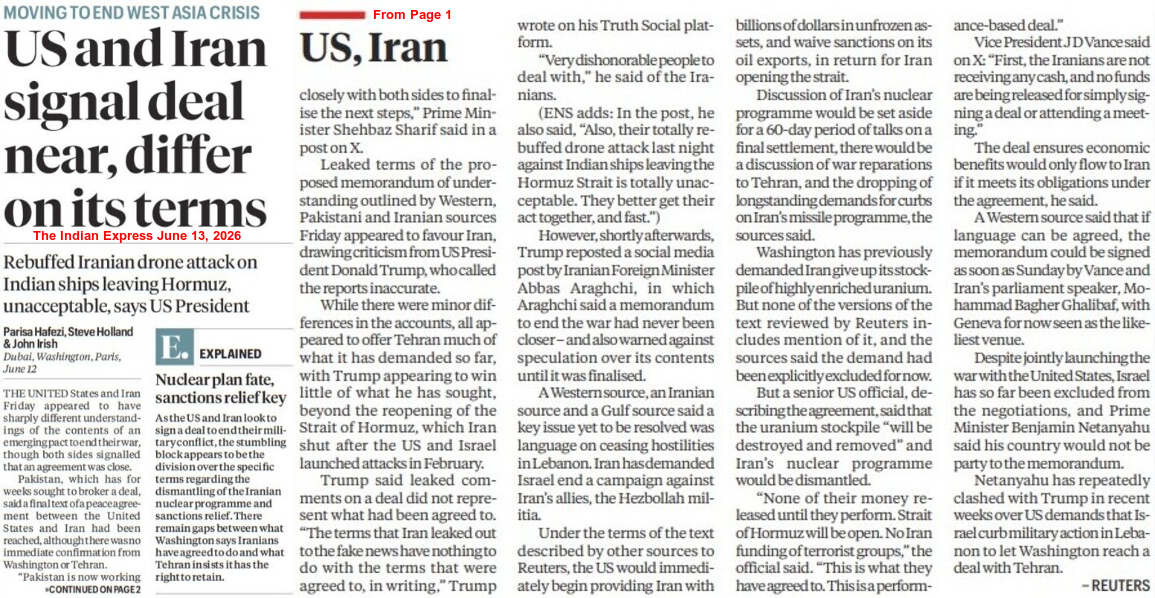
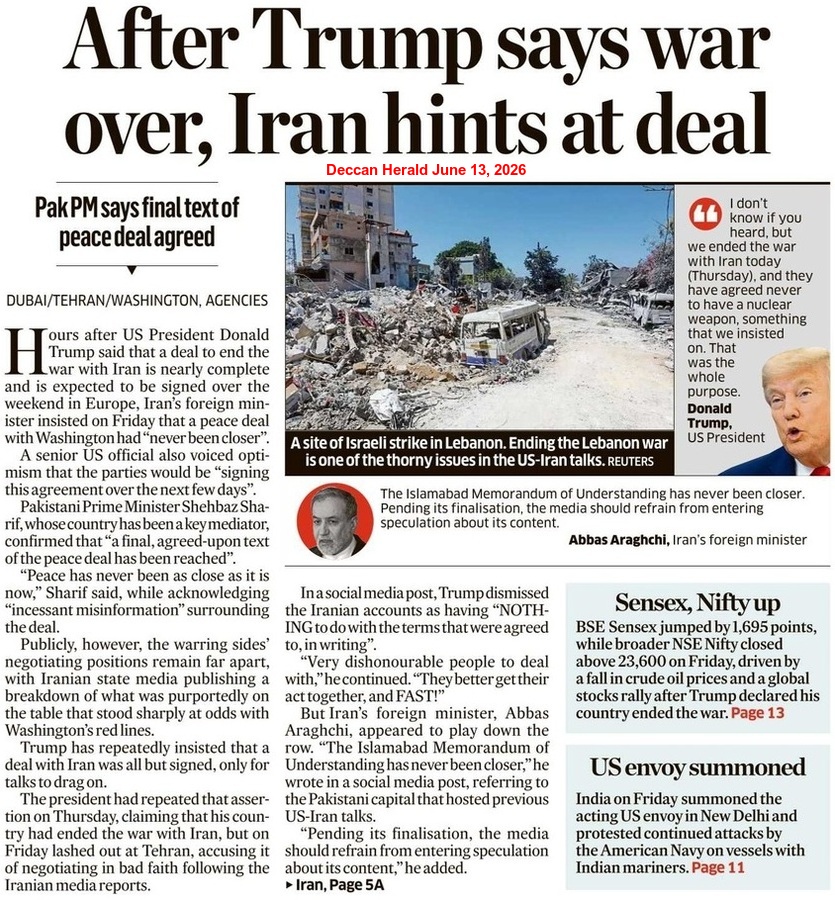
Iran will start their World Cup campaign against New Zealand in Los Angeles on June 16, 2026.
Meanwhile,
Boundless Ocean of Politics on Facebook
Boundless Ocean of Politics on Twitter
Boundless Ocean of Politics on Linkedin
Contact us: kousdas@gmail.com

 ISMC
ISMC
