

An Agreement For Safeguarding Own Interests
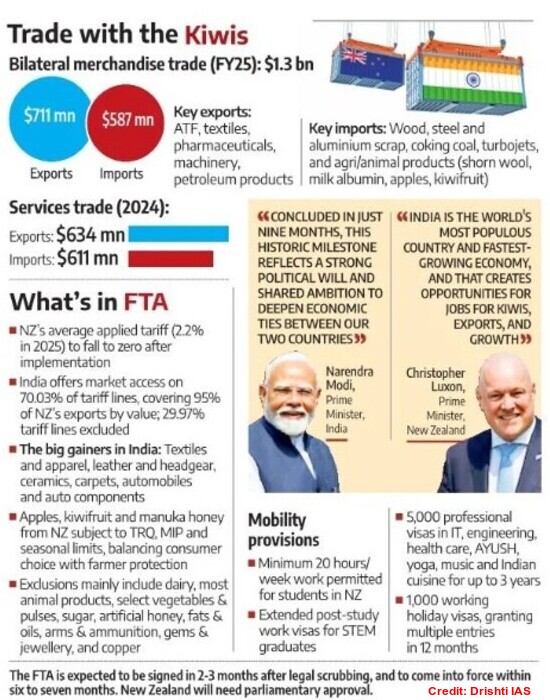
The Free Trade Agreement (FTA), signed between India and New Zealand in April 2026 after rapid negotiations, is not merely another addition to New Delhi’s list of economic partnerships, but a well-considered geopolitical and economic strategy within an unstable global order. It serves as a strategic pivot to diversify trade, reduce dependence on dominant powers and strengthen ties in the Indo-Pacific amid global volatility. The FTA aims to double bilateral trade to USD 5 billion in five years while securing a USD 20 billion investment commitment, balancing market access with protections for the sensitive sectors of the South Asian nation.
According to a World Trade Organisation (WTO) DG statement issued in January 2026, the only global intergovernmental organisation regulating international trade is facing its deepest crisis, with its dispute settlement, particularly the Appellate Body, largely paralysed by the US blocking member appointments. Although a number of experts and officials argue that the WTO is not entirely irrelevant as roughly 72% of global trade still falls under its rules, the rules-based multilateral trading system has become irrelevant, with the Organisation already weakened. Hence, various countries have started showing interest in concluding bilateral agreements in an attempt to protect their mutual interests. The India-New Zealand FTA is no exception.
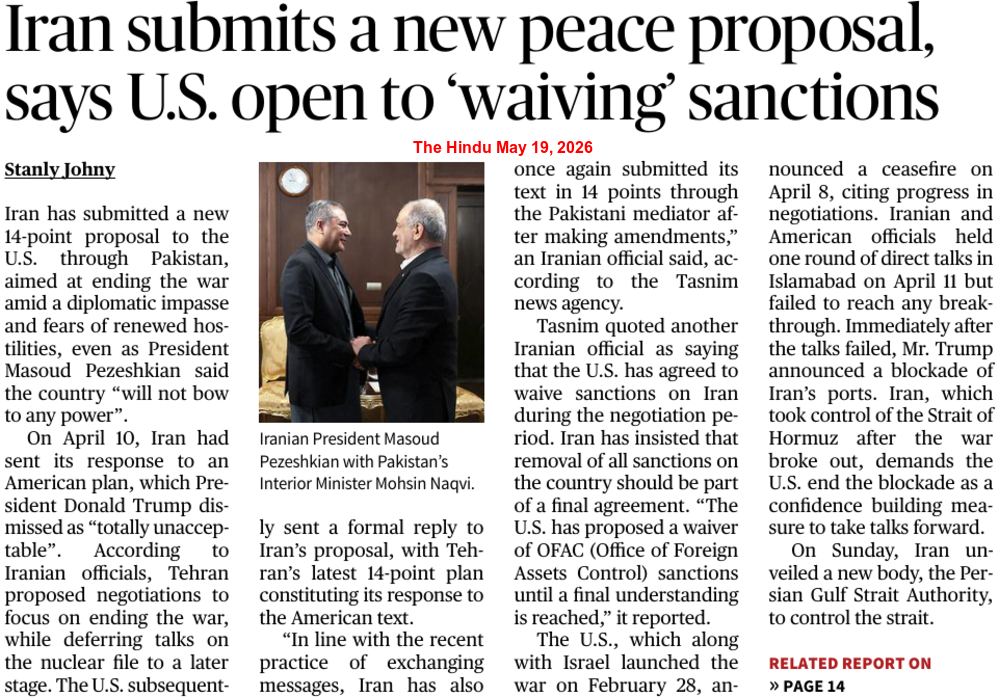
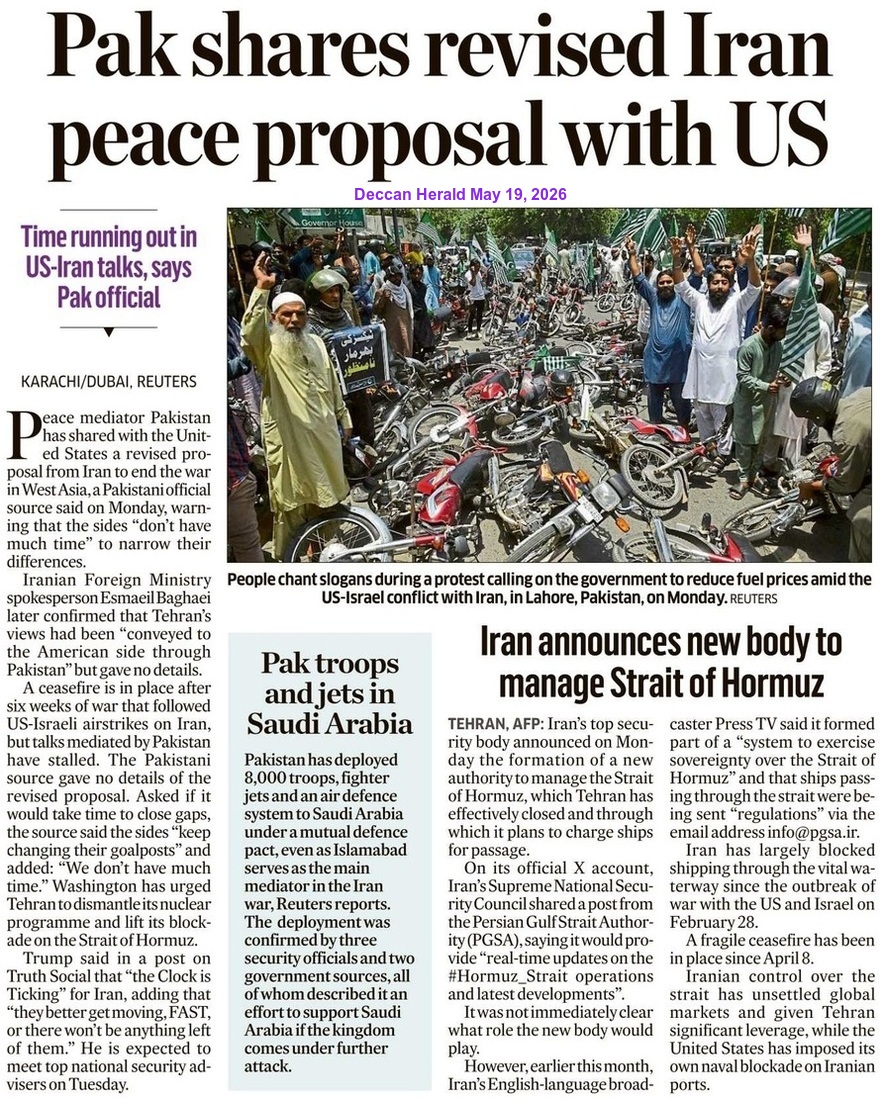
However, one must not overlook the critical situation facing Indian manufacturers that has encouraged the Narendra Modi Administration to sign the FTA with New Zealand. India, like other countries, is badly hit by a severe, dual-pronged crisis. The West Asia conflict has caused massive energy supply shocks and escalating war-driven costs, combined with intense trade volatility stemming from aggressive US tariffs.
The FTA is of equal importance in the case of New Zealand, as well. Wellington has long been attempting to overcome its economic dependence on China, the largest trading partner of the island nation. However, Beijing’s sluggish economic growth and the geopolitical climate have transformed the diversification of their trade from a mere policy objective into an economic imperative in recent times.
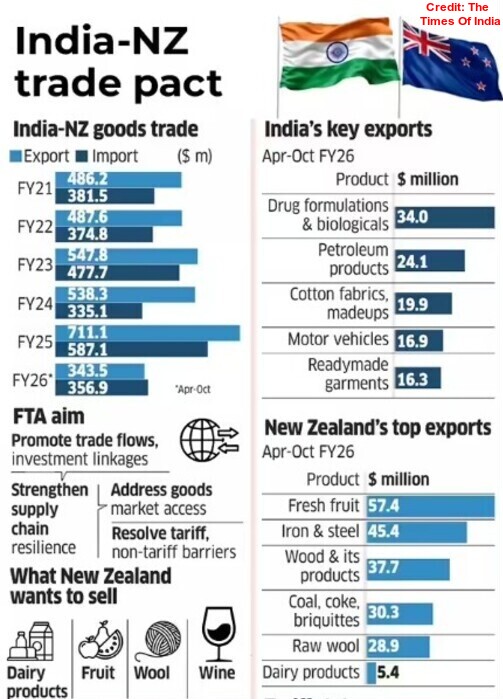
As per the agreement, New Zealand will provide India with 100% duty-free access for the latter’s textile, leather, footwear, apparel and other products. As a high-value market, New Zealand offers opportunities to Indian manufacturers across diverse sectors, such as textiles, pharmaceuticals, engineering products, services (including IT and ITES), education and healthcare. India, too, will reduce or remove tariffs on 95% of New Zealand’s exports to the South Asian country. The accord aims to double bilateral trade to USD 5 billion, supported by USD 20 billion in investment over the next 15 years.
Although the India-New Zealand FTA eliminated duties on many items, such as woollen products and pharmaceuticals, it placed dairy, sugar and various agricultural items in an exclusion list to protect domestic farmers. Notably, India is sensitive regarding the import of products that could impact domestic sectors, such as dairy and agriculture. As these sectors continue to serve as a source of livelihood for millions of people even today, India’s trade strategy remains heavily focussed on protecting sensitive domestic sectors, specifically dairy, agriculture and small-scale manufacturing, while engaging in major global trade agreements.
However, India has hinted that its current trade strategy is shifting away from an over-reliance on a few major partners towards a diversified portfolio of trade agreements. This strategy focusses on securing preferential market access through deep agreements, targeting high-value economies rather than the limited, shallow agreements of the past. In fact, New Delhi is aggressively securing supply chains and boosting exports through diversified trade agreements. The FTA with New Zealand, while not a perfect deal, is a timely one, reflecting both the limitations and opportunities of the current global landscape.
By negotiating comprehensive agreements with developed, like-minded economies, including the European Union (EU), the UK and EFTA bloc; India is building economic resilience and reducing over-dependency on single markets, such as China and the US.
Meanwhile,


Boundless Ocean of Politics on Facebook
Boundless Ocean of Politics on Twitter
Boundless Ocean of Politics on Linkedin
Contact us: kousdas@gmail.com

 ISMC
ISMC
