

US Drops 907kg Bunker-Buster Bombs On Isfahan
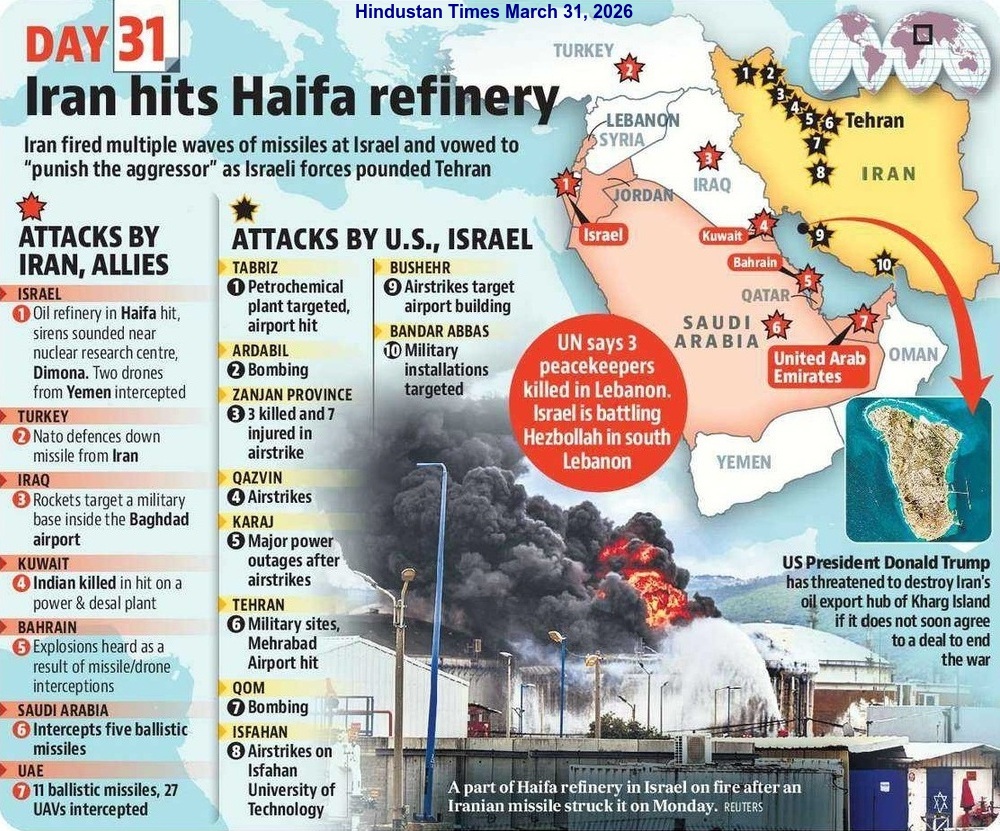
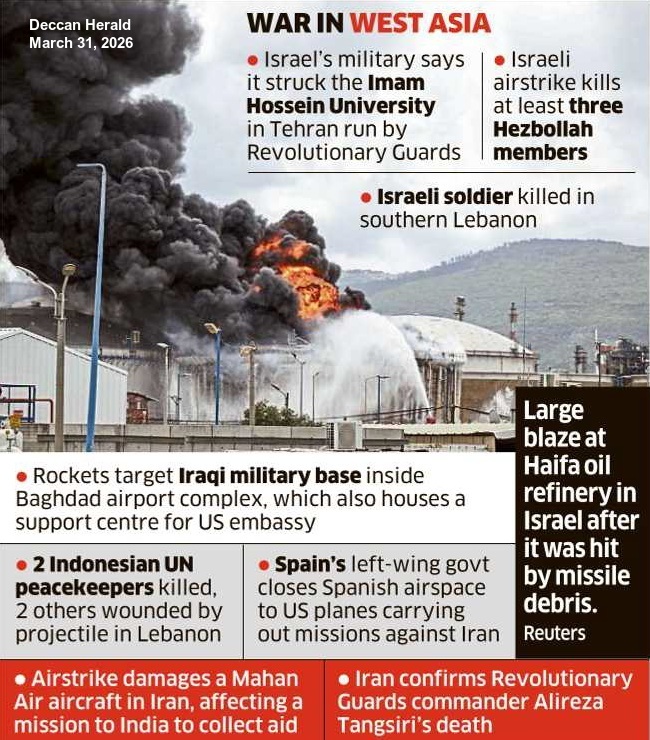
The US and Israel attacked a major ammunition depot in the central Iranian city of Isfahan (or Esfahan), using 907kg of bunker-buster bombs, on March 31, 2026. The Wall Street Journal has quoted a top US official as saying that a “high volume of bunker busters or penetrator munitions was used for the strike“. Later, US President Donald John Trump posted an uncaptioned video of the fiery blast on social media.
Reports suggest that powerful explosions rocked the ammunition depot in Isfahan at around 4:30am (Iranian time). Although Trump offered no caption or context with the footage posted on Truth Social, many believe that the US President released footage of the March 31 attack in Isfahan. The video shows a massive explosion and secondary blasts near the Isfahan Nuclear Complex in the early hours of Tuesday.
Isfahan, one of the important cities in Iran, is home to nearly 2.3 million people. Also, the Isfahan Nuclear Technology Centre (INTC) and the Badr Air Force Base are located in this city. In other words, Isfahan is a strategic hub that houses Iran’s military bases and defence industry. The INTC is considered the largest nuclear research complex of the Islamic Republic, operating with around 3,000 scientists and conducting research on uranium conversion, as well as fuel fabrication.
Last week, the Iranian media reported that the US-Israeli strikes targeted the energy infrastructure in Isfahan, including a gas administration building and pressure station, causing partial damage. According to Tehran, these strikes were part of a wider campaign targeting Iranian defence, nuclear and energy infrastructure. The joint attacks badly damaged the power plant. Local media outlets have claimed that areas surrounding Isfahan shook after Tuesday’s attack, as well.
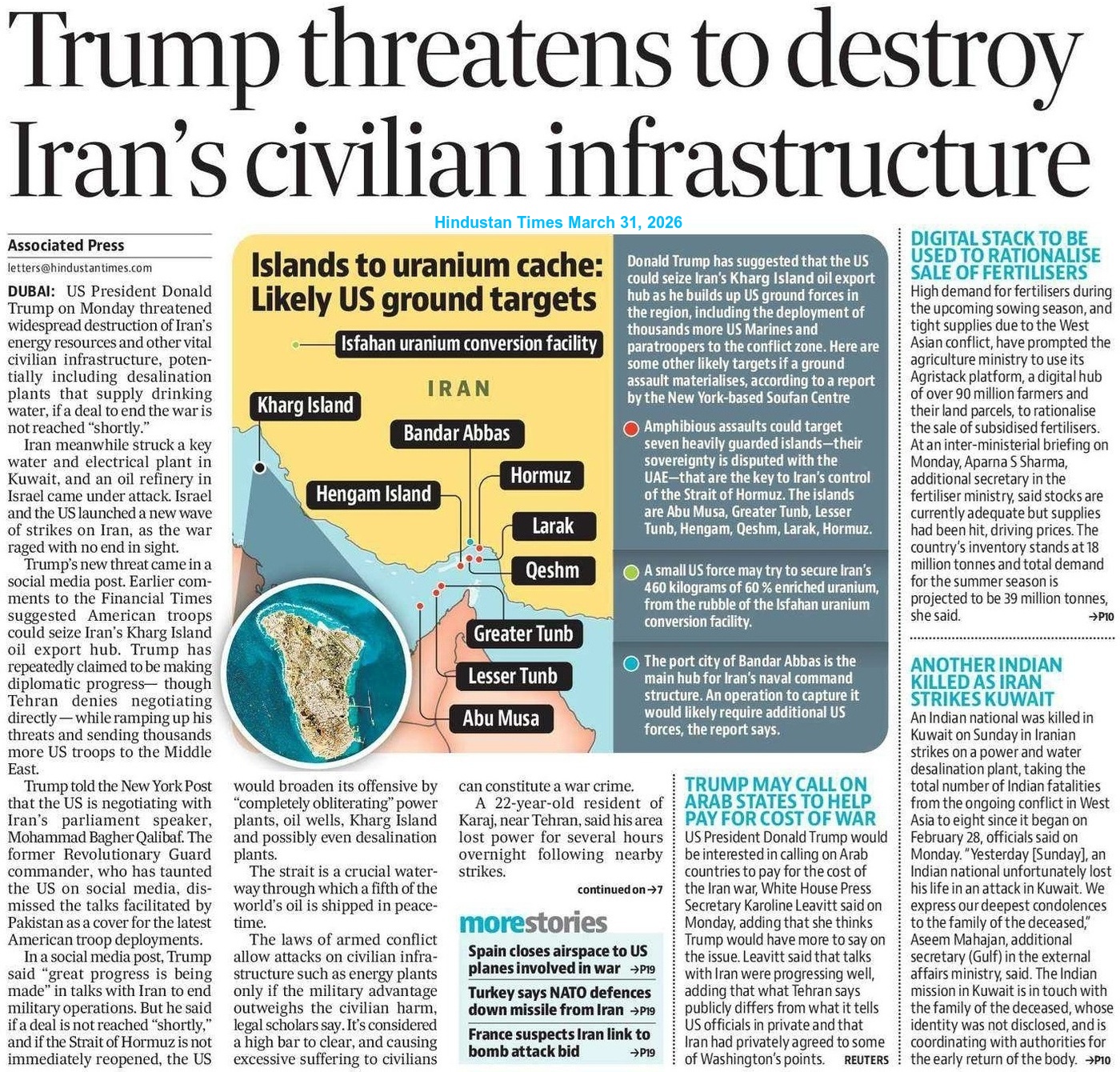
Earlier, the Western media reported that Iran had moved a large portion of its highly enriched uranium (approximately 540kg of 60% purity) to an underground tunnel complex in Isfahan before the June 2025 US-Israeli airstrikes. Hence, the March 31, 2026 attacks, involving the use of bunker-buster bombs, are being viewed as quite significant.
It may be noted that President Trump recently hinted that his administration was weighing military options to seize Iran’s enriched uranium. He is also considering a high-risk ground operation to have US troops enter Iran in order to seize approximately 400-450kg of highly enriched uranium as the West Asian nation could use this material to build a nuclear bomb.
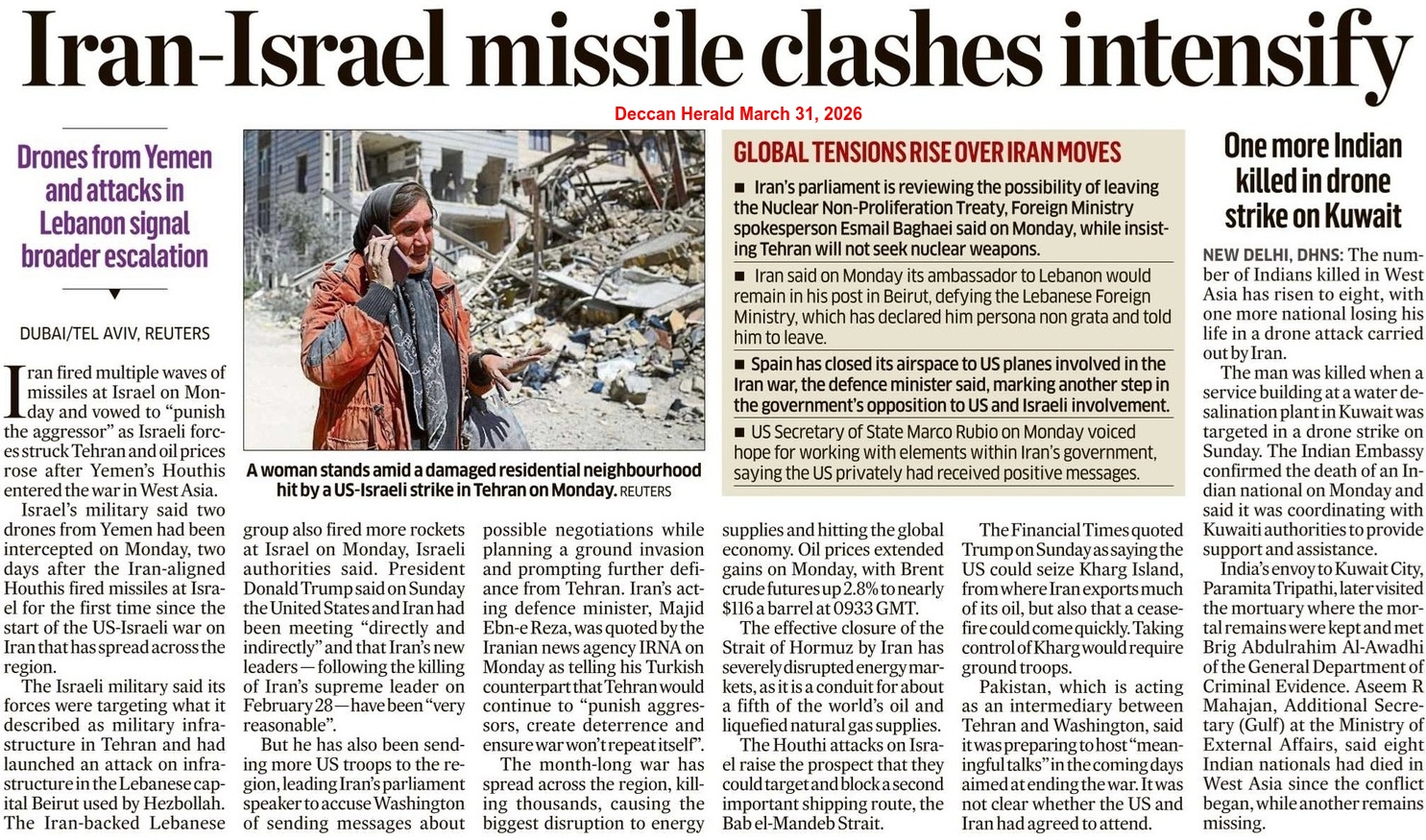
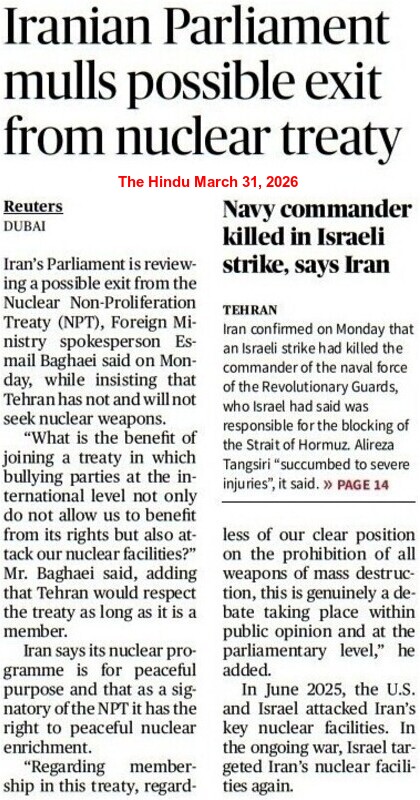
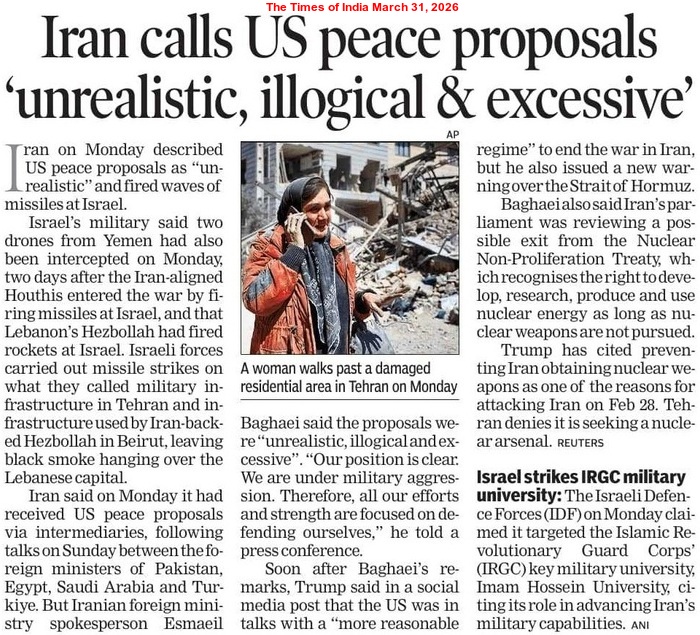
Meanwhile, the Majles (the Parliament of Iran) received a fast-tracked bill, proposing withdrawal from the Nuclear Non-Proliferation Treaty (NPT), a couple of days ago. The proposal has called for leaving the NPT entirely, repealing domestic laws tied to past nuclear commitments and pursuing a new cooperative framework with allied nations for the development of peaceful nuclear technology. The development has signalled a potential shift in the Islamic Republic’s nuclear posture, amid rising tensions involving the US and Israel.
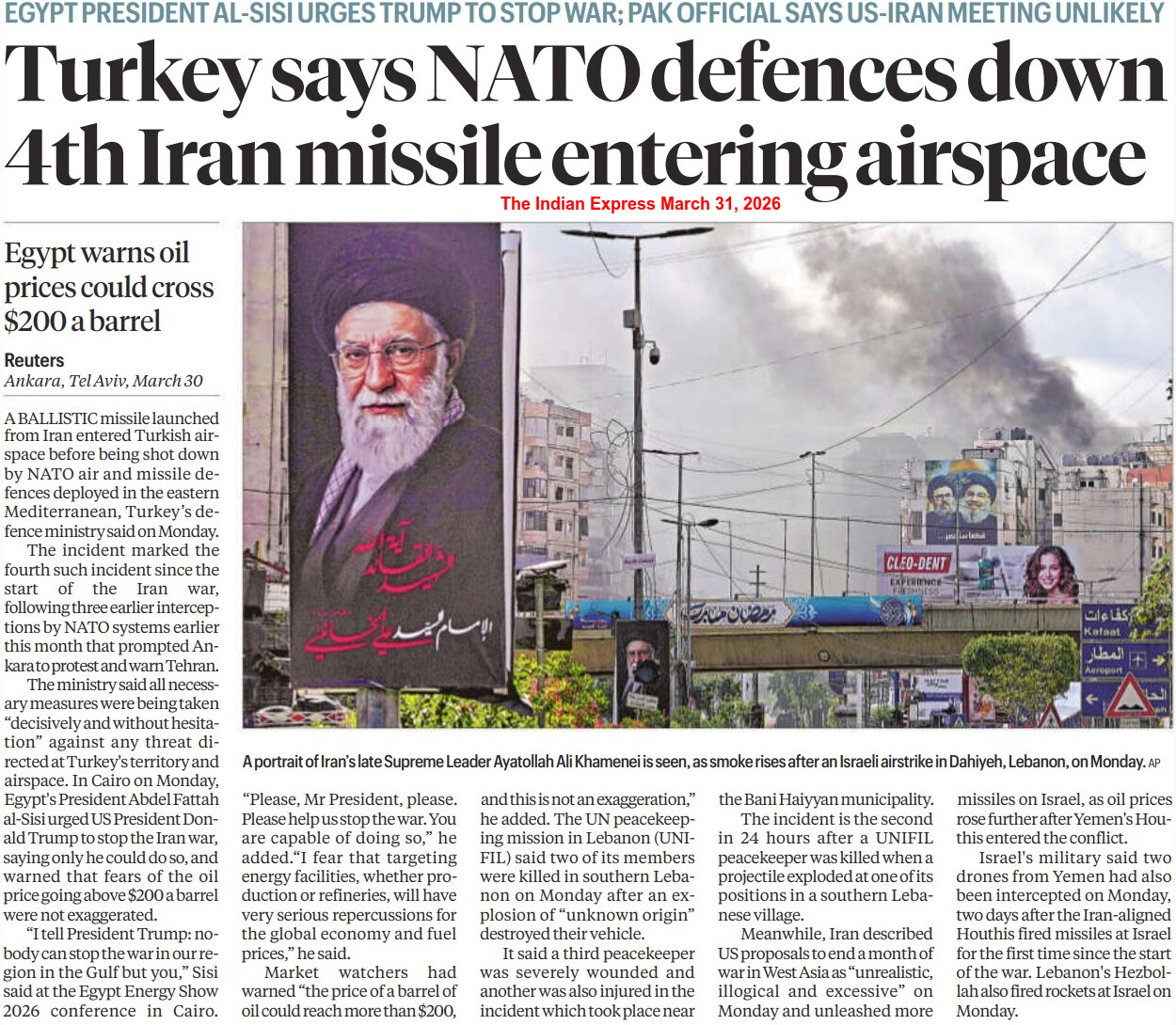
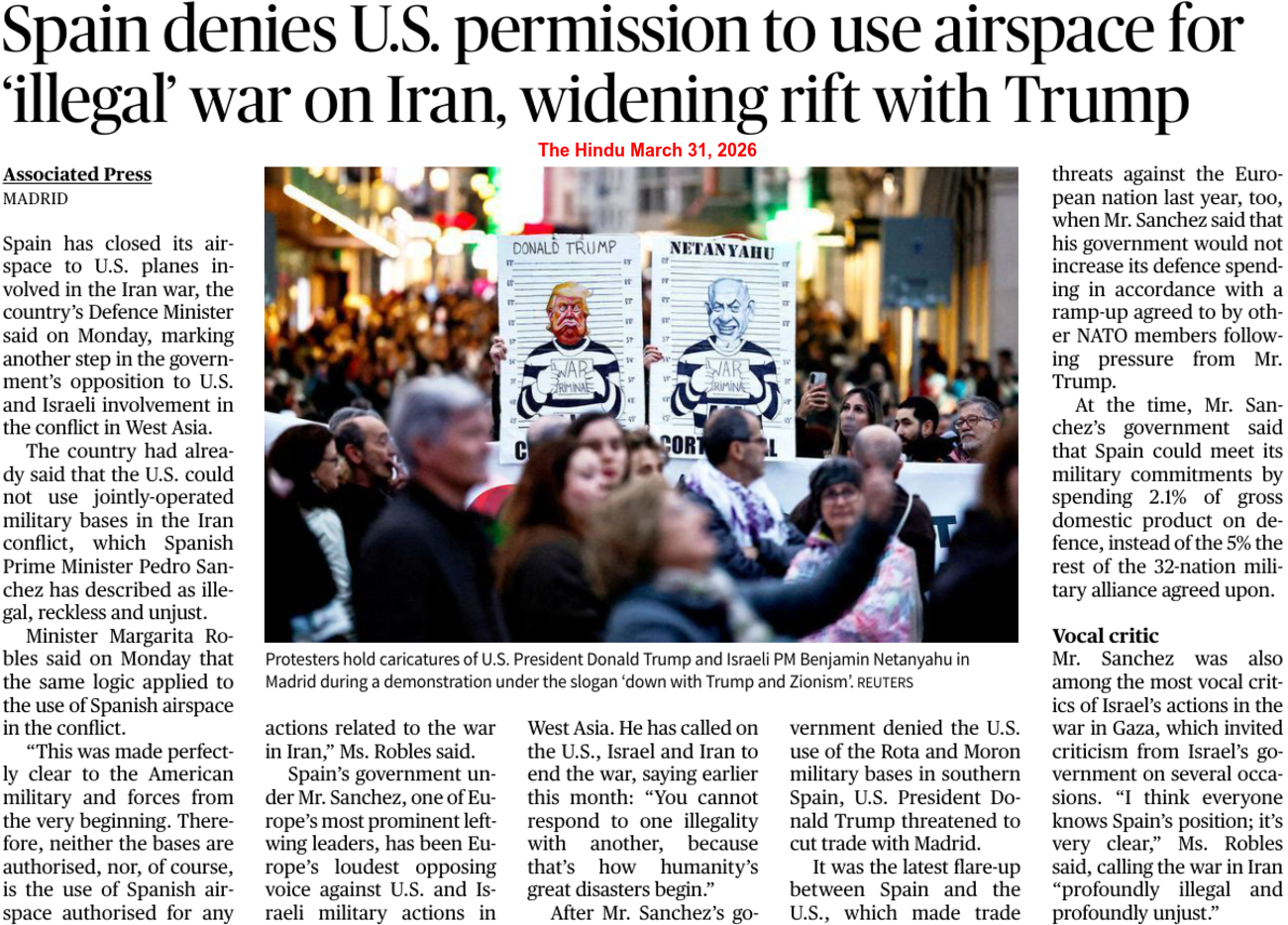
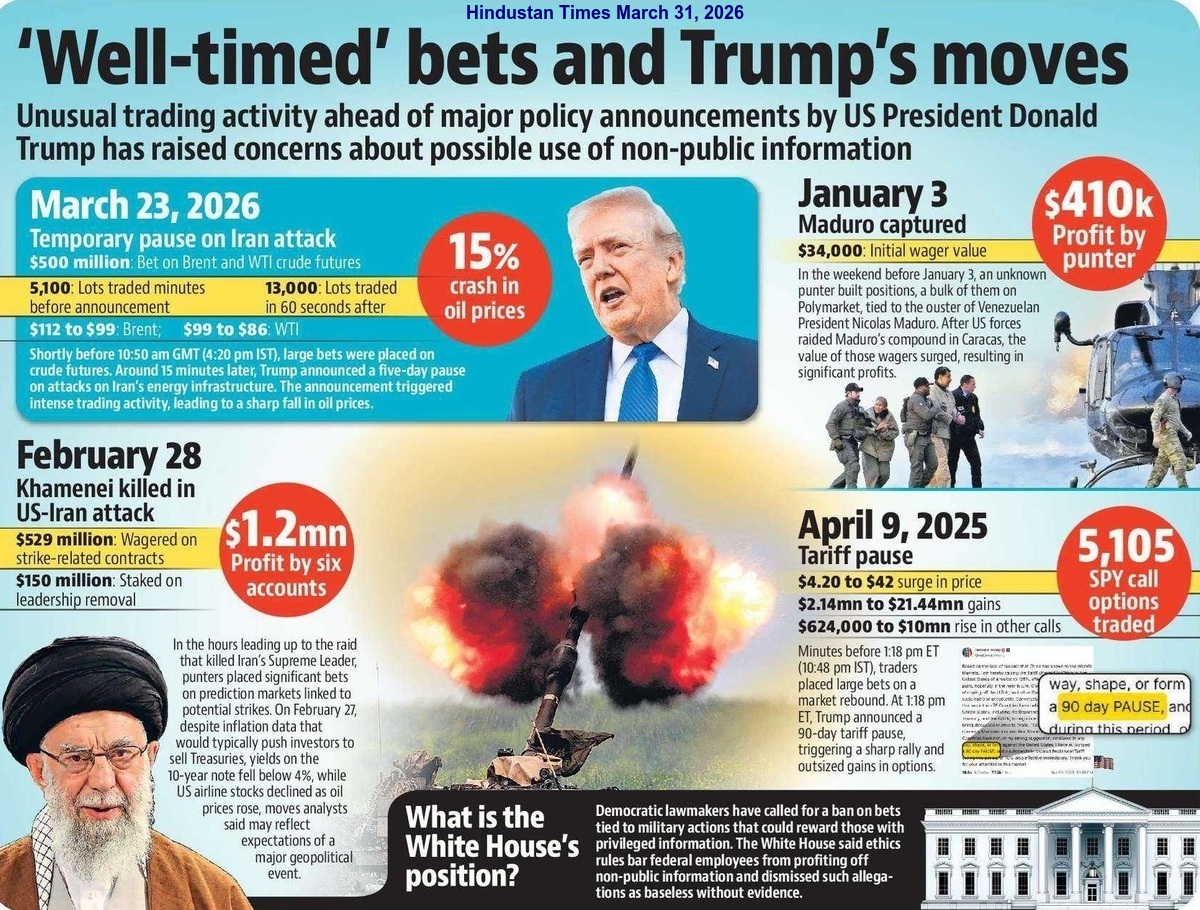
Iran has also raised some valid questions regarding the US foreign policy (or diplomacy). According to Tehran, the US President has provided several shifting justifications for the military actions against Iran in recent times, often framing them through personal instinct, America First objectives or reaction to evolving events.
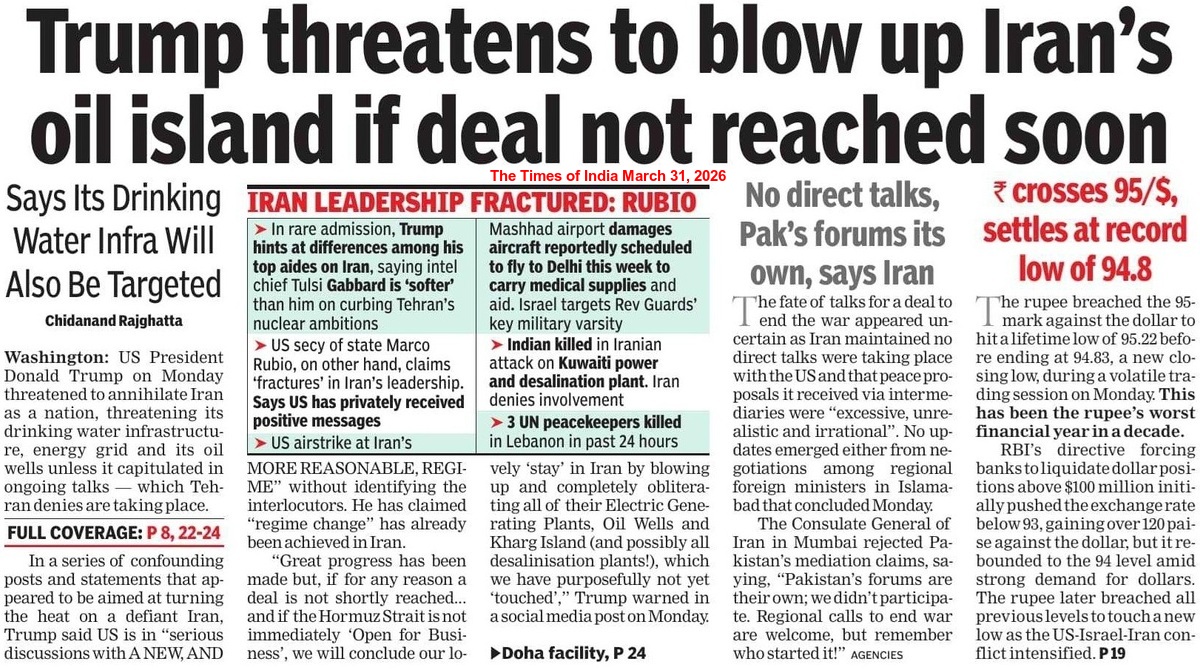
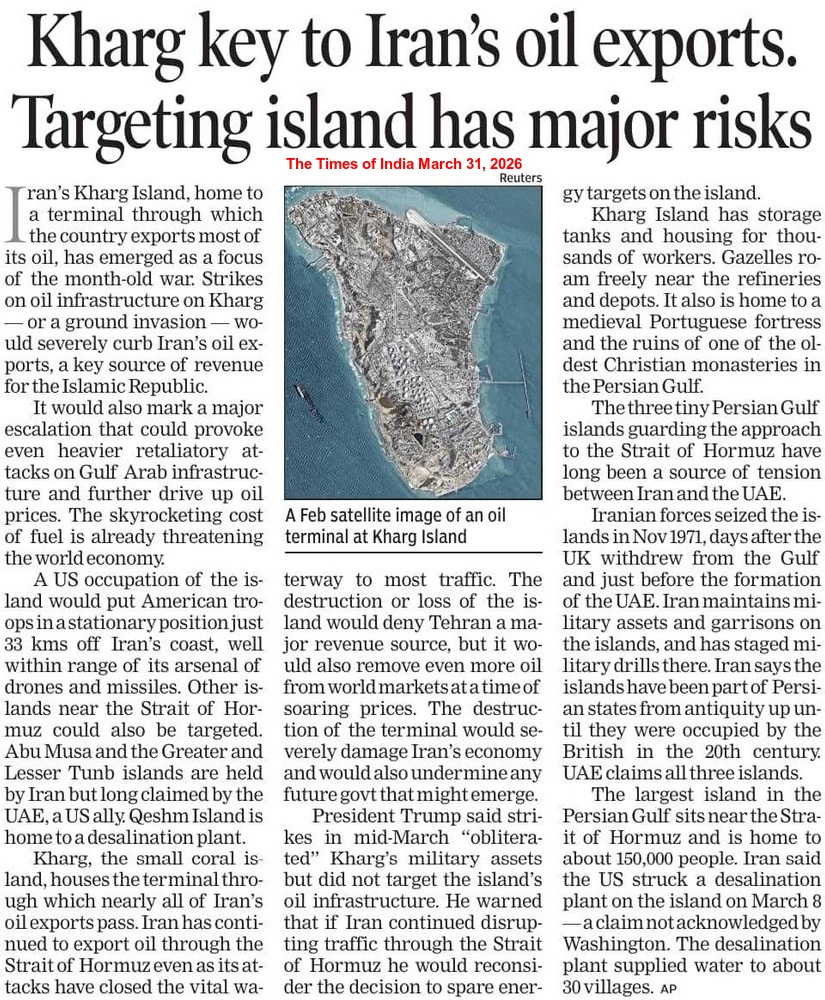
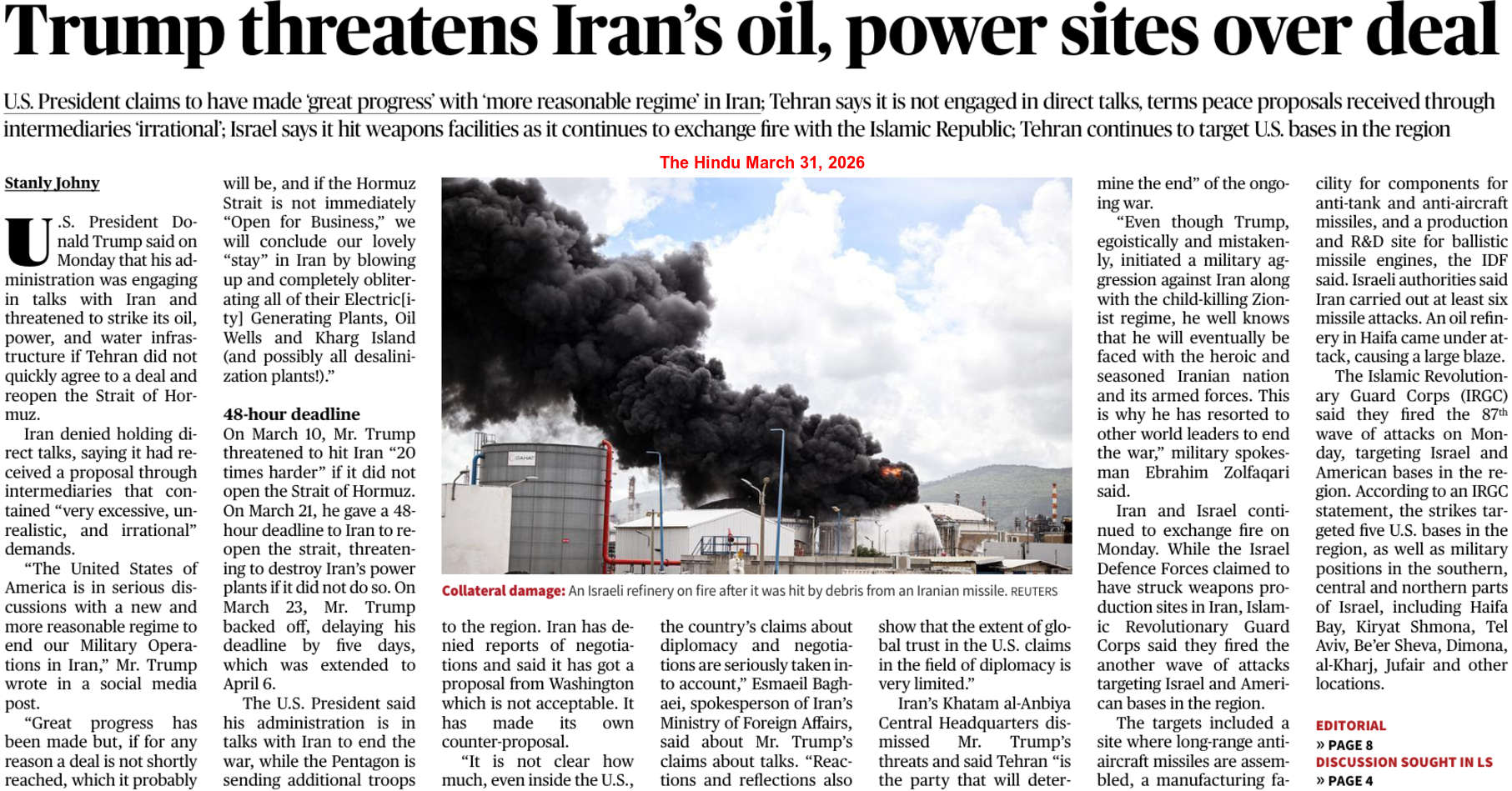
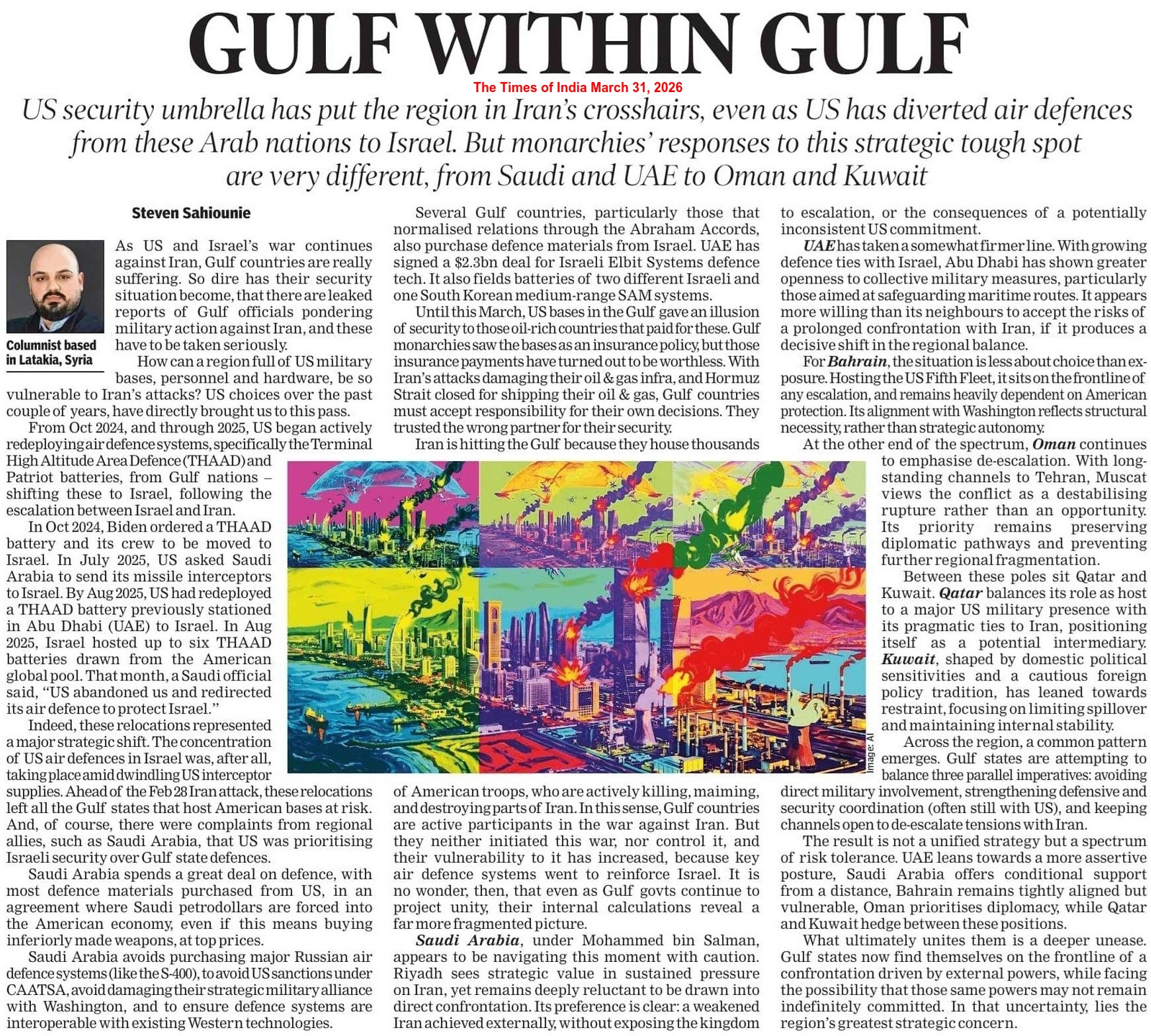
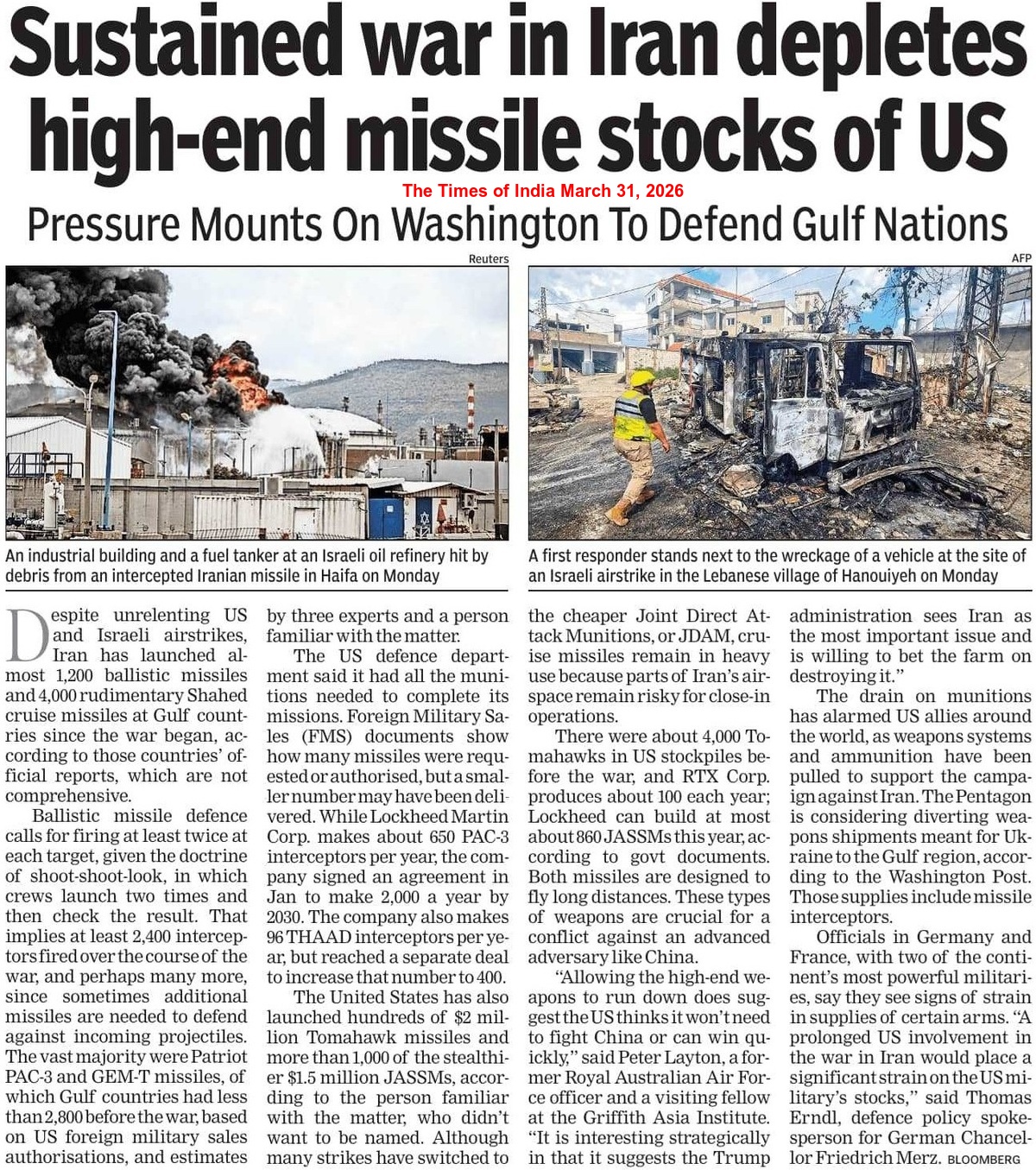
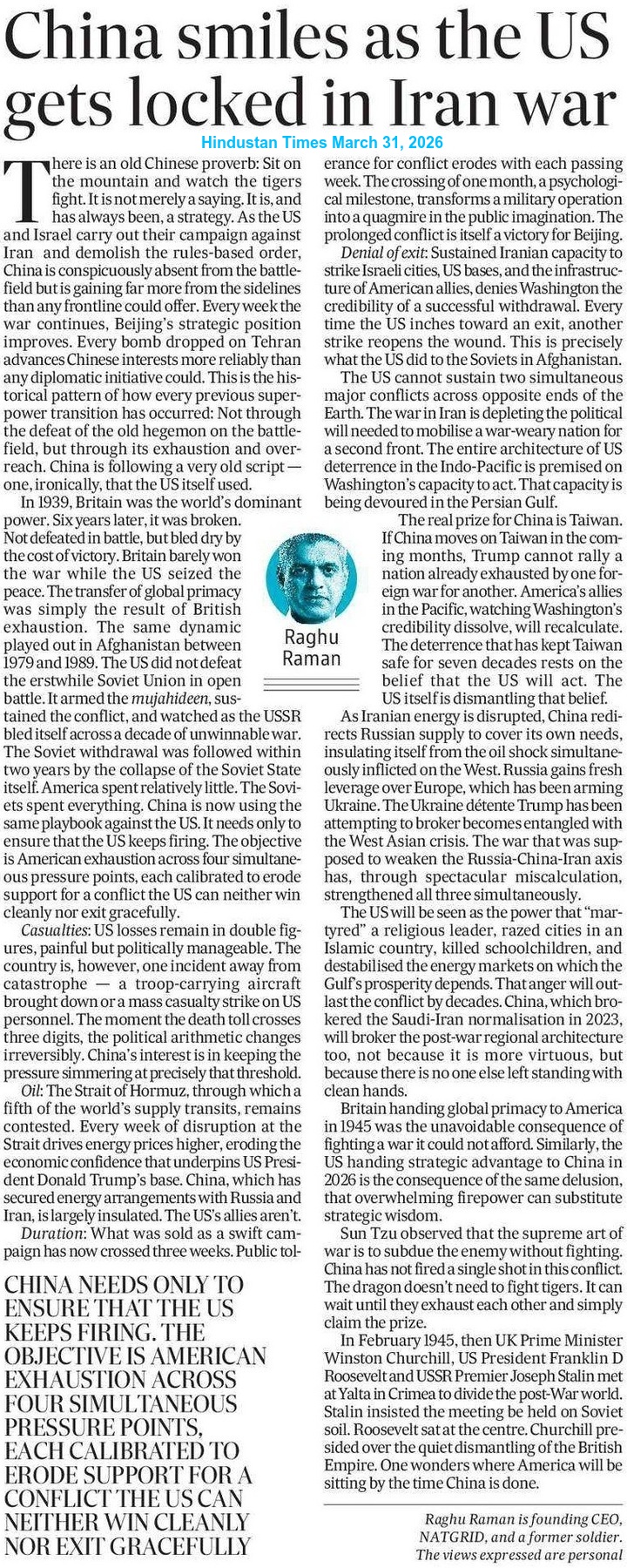
However, Trump has maintained a firm stance that Tehran can never possess nuclear weapons, frequently citing it as a requirement for Middle East peace. He has also threatened that if the Islamic Republic does not comply with (his) demands to abandon its nuclear programme, the US would destroy the Iranian energy infrastructure, including power plants and oil wells. “The country will ultimately cease to exist,” warned the US President.
Meanwhile,
Boundless Ocean of Politics on Facebook
Boundless Ocean of Politics on Twitter
Boundless Ocean of Politics on Linkedin
Contact us: kousdas@gmail.com

 ISMC
ISMC Boundless Ocean Of Politics