

After Hormuz, Iran Plans To Choke Entire Persian Gulf
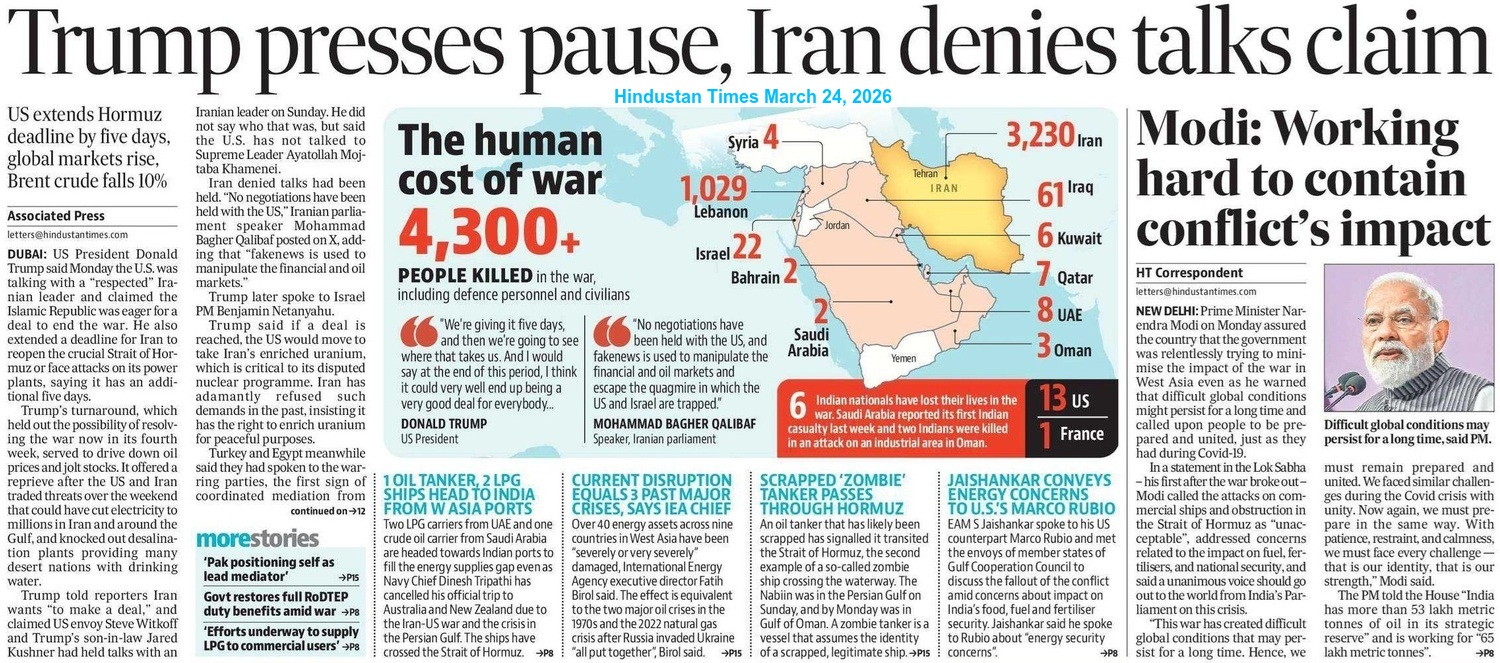
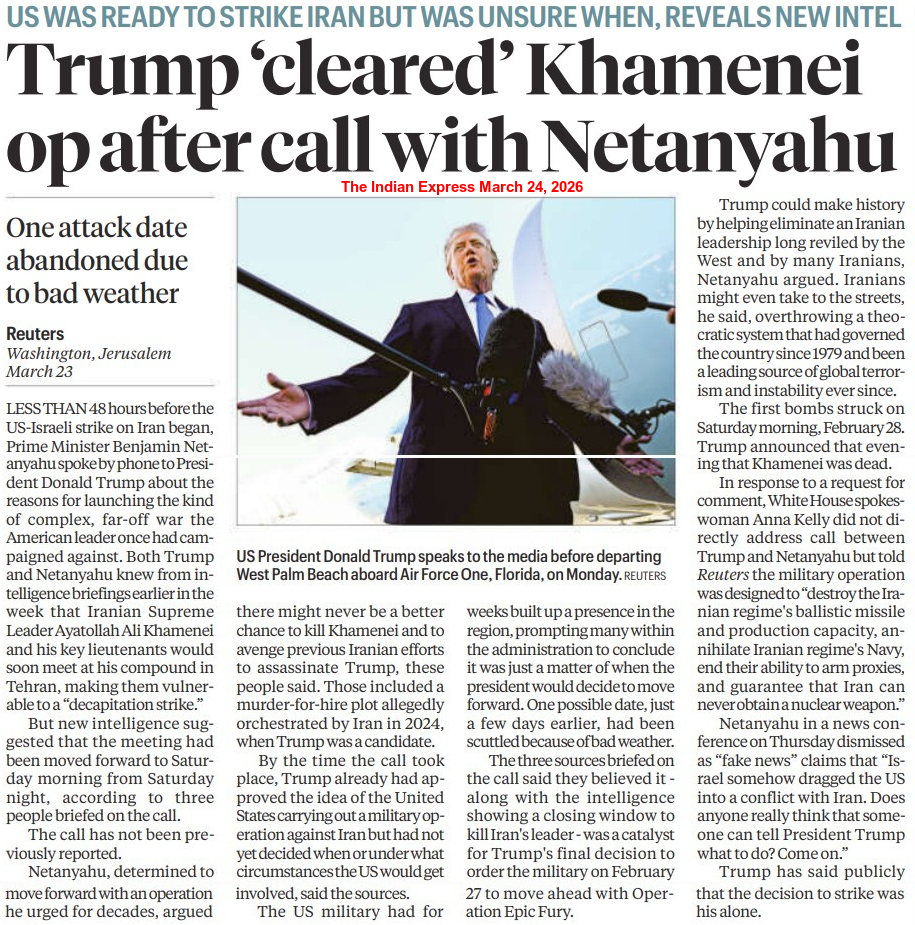
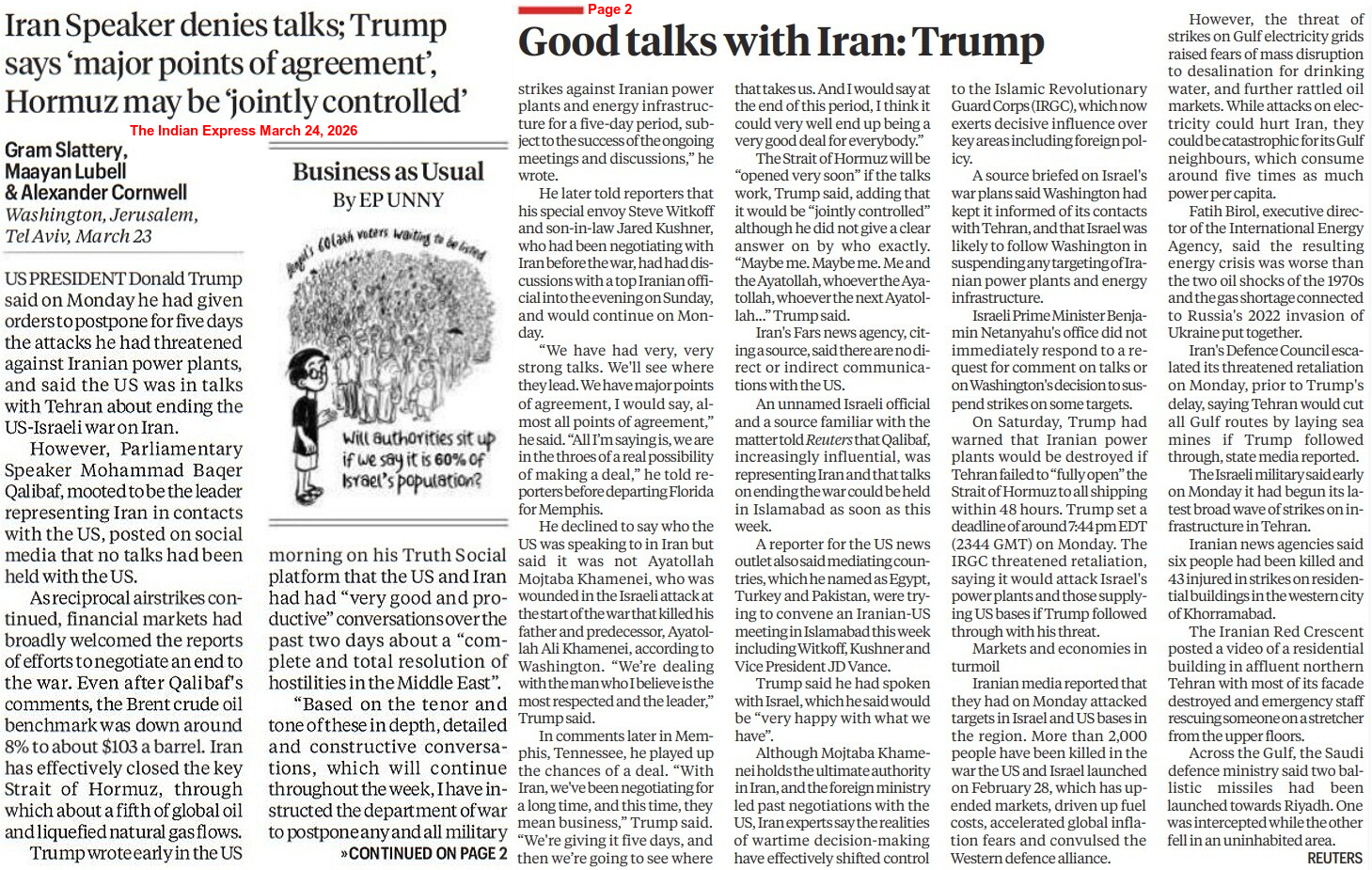
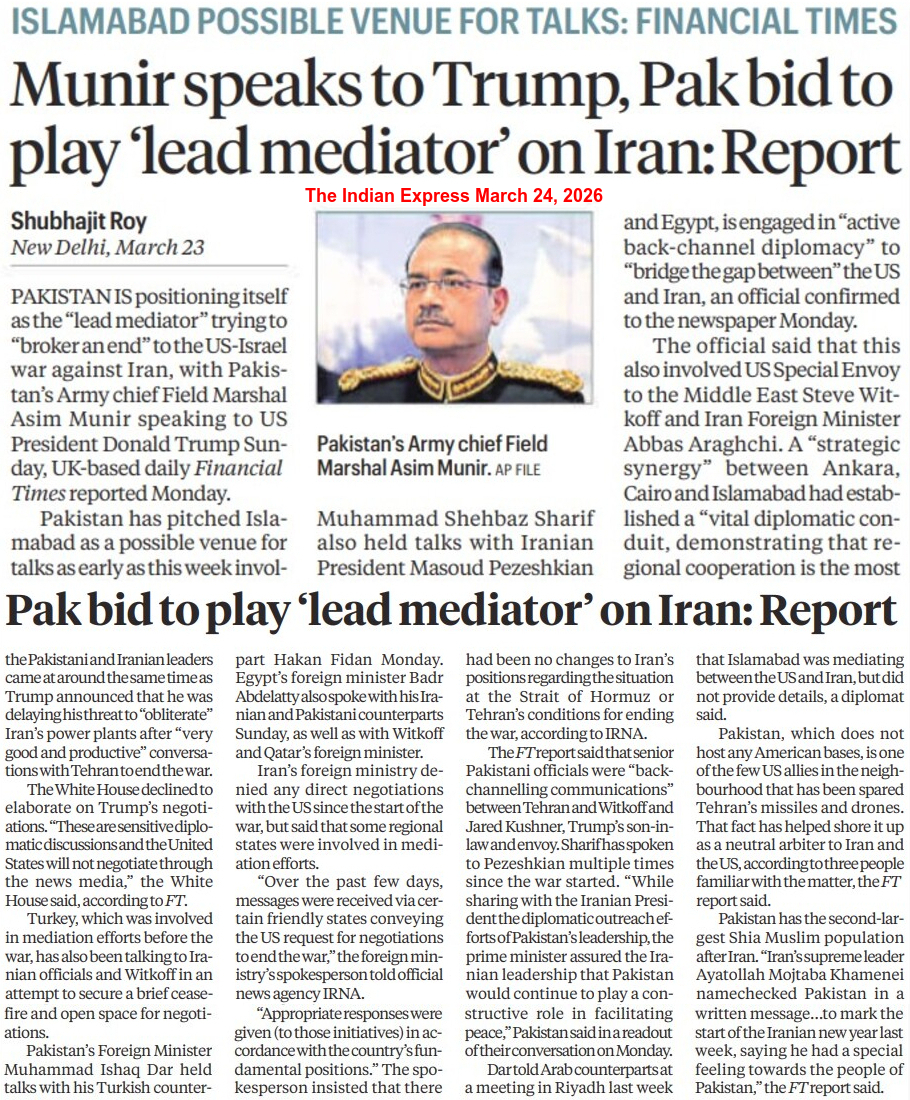
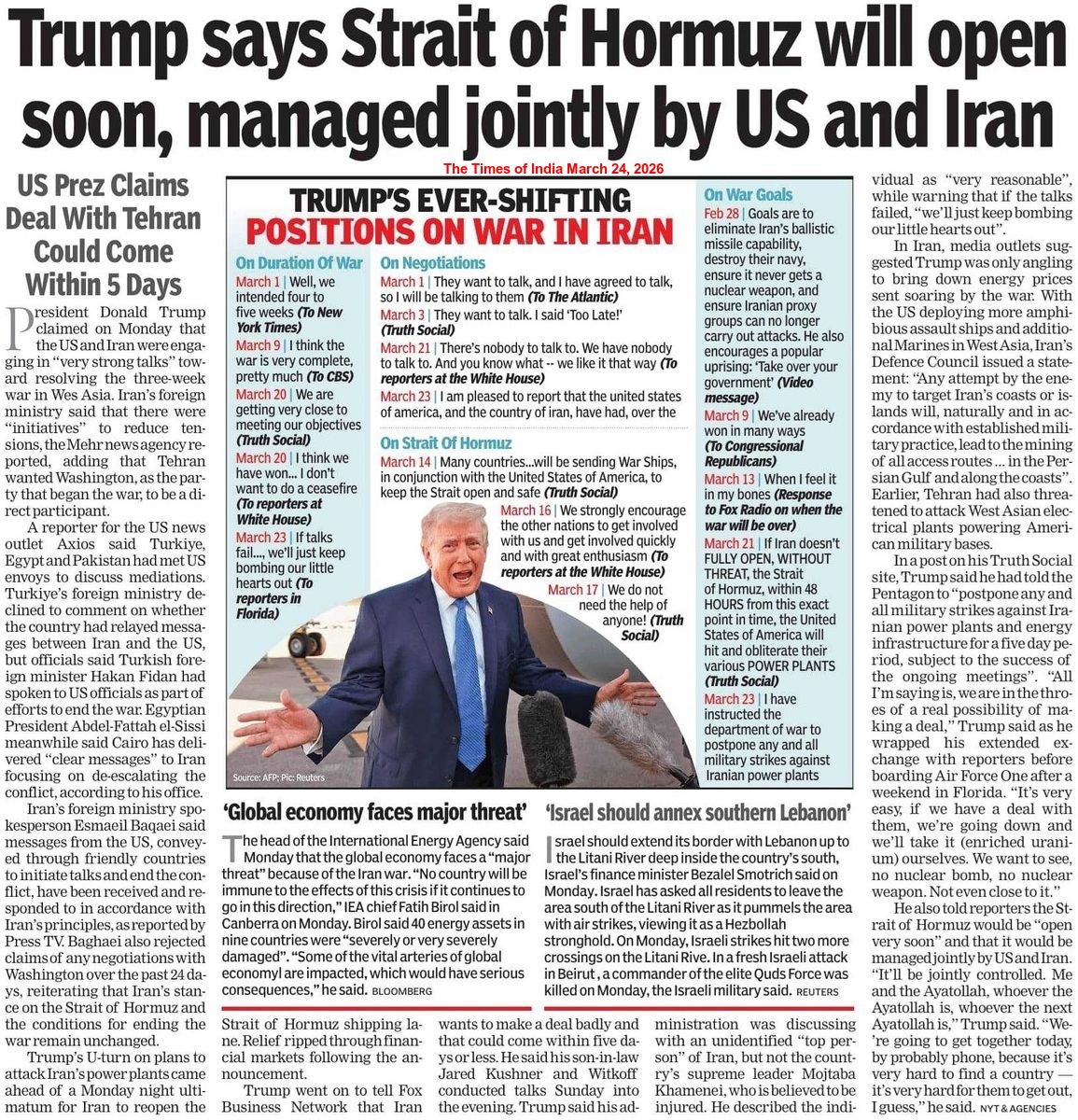
Iran has warned the US and Israel, yet again, saying that it would plant naval mines across the Persian Gulf if they launch a ground attack. The warning has escalated tensions as such a move would badly disrupt global shipping routes and energy supplies in the region.
The National Defence Council of Iran issued a statement on March 23, 2026, mentioning that any attempt by the enemy to target Iranian coasts or islands would lead to mining of access routes and communication lines throughout the Gulf. It added that the measures would include various types of naval mines, including floating mines which could be launched from shore.
The Council warned that the entire Persian Gulf “would face conditions similar to the Strait of Hormuz for an extended period”, effectively closing maritime routes, in such a scenario. The Islamic Republic also made it clear that responsibility for such an outcome would lie with the party initiating the attack, stressing that the only way for “non-belligerent countries” to safely transit the Strait of Hormuz would be “through coordination with Iran”.
Meanwhile, the Iranian officials claimed that those mines could not be easily removed. They invoked the Tanker War of the 1980s, reminding the US and Israel that over 100 minesweepers failed to quickly clear naval mines in the 20th Century.
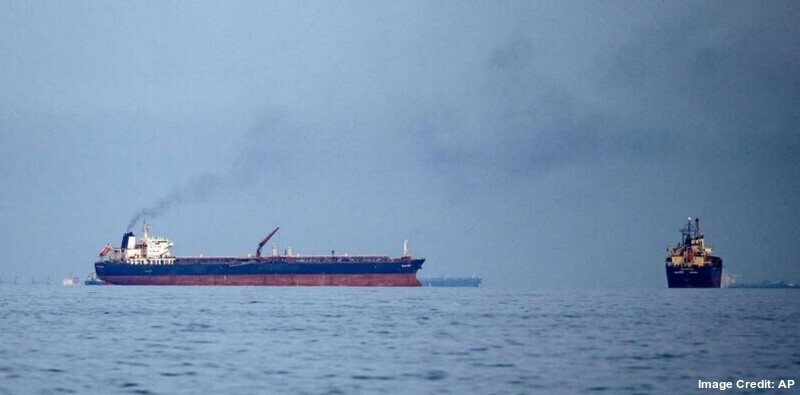
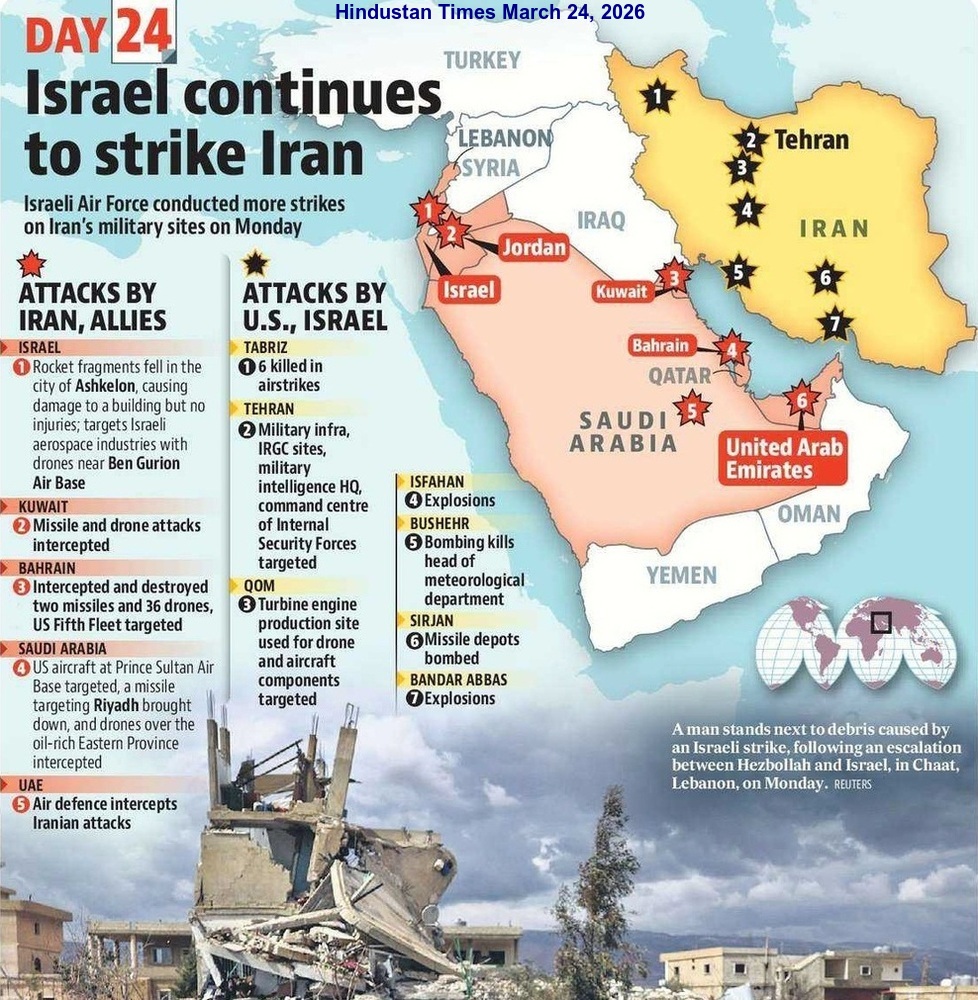
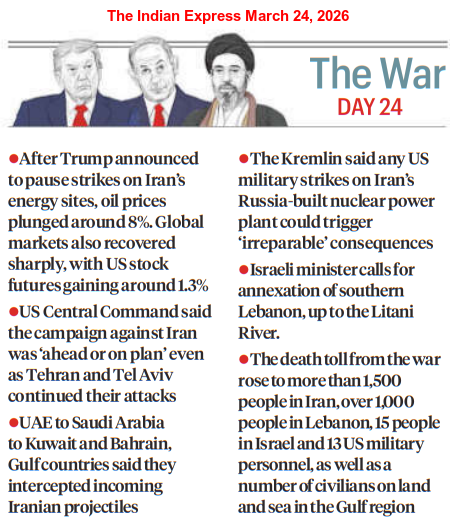
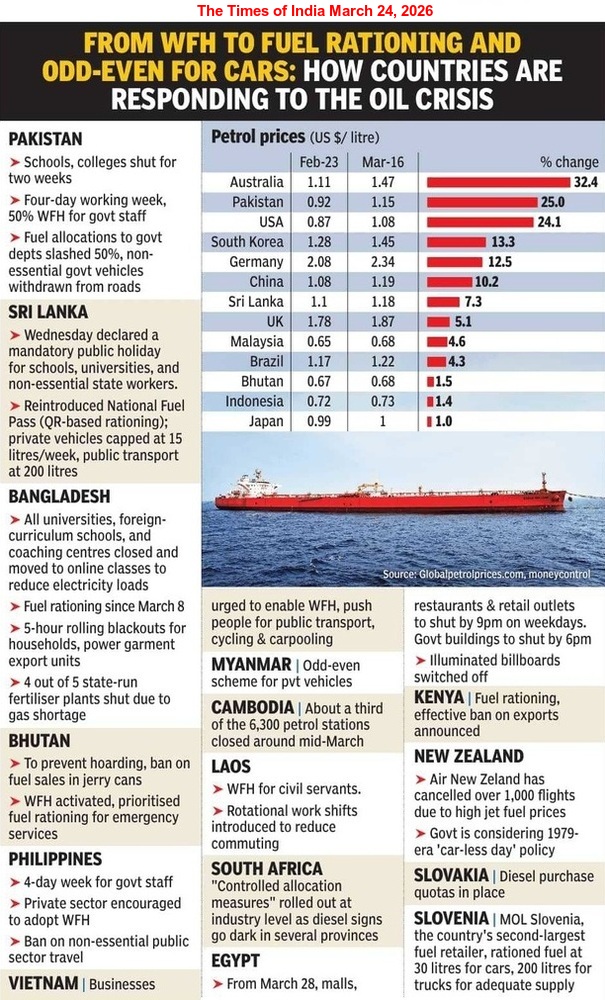
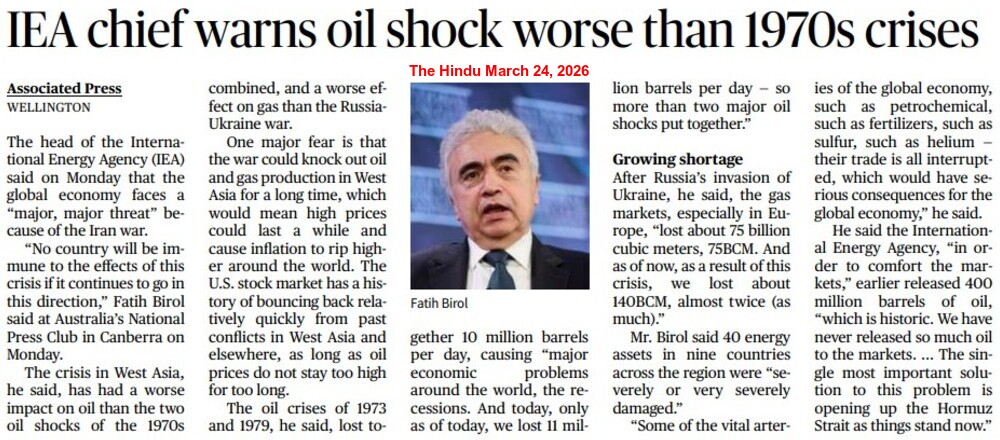
The Strait of Hormuz is experiencing a severe, de facto and partial blockade following the outbreak of conflict between Iran, the US and Israel on February 28, 2026. It has triggered a global energy crisis. Ali Mousavi, the representative of Iran to the International Maritime Organisation (IMO), has stated that the Strait of Hormuz is open to all, except vessels linked to “Iran’s enemies”. Hence, tankers, cargo and container ships of a number of countries are stranded at the Strait of Hormuz.
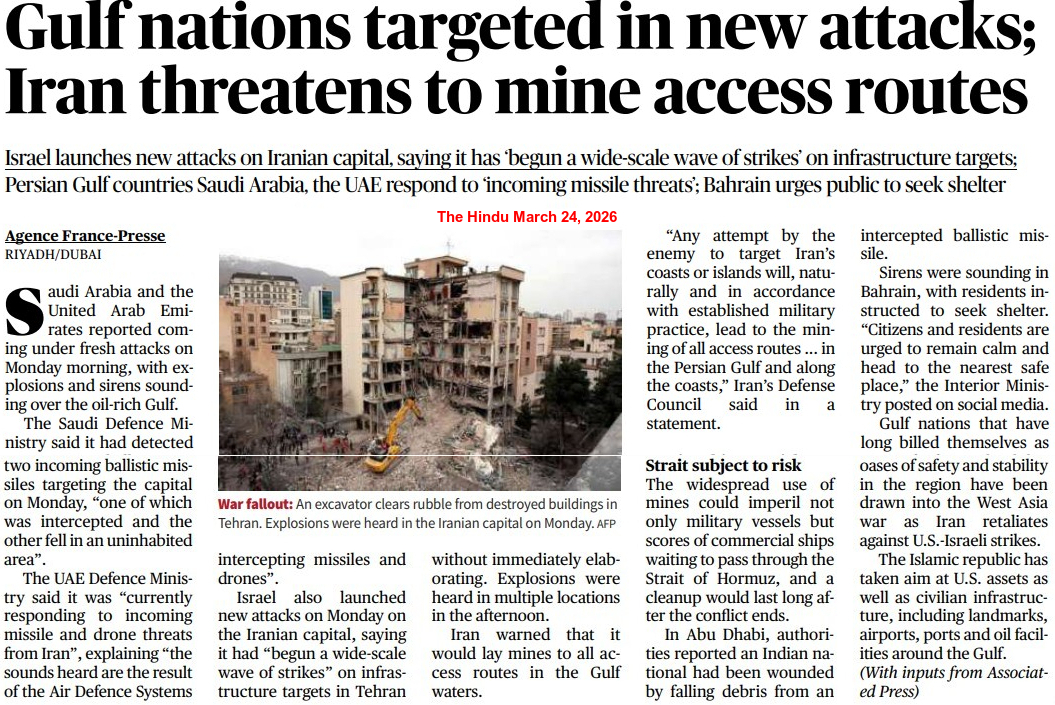
Experts believe that the potential closure of the entire Persian Gulf would be the worst-case scenario as it would significantly exacerbate the global energy and economic crises, with catastrophic consequences.
Iranian Missiles Send Spanish PM’s Message To Israel
In a symbolic act of wartime messaging, Iran affixed stickers carrying Spanish Prime Minister Pedro Sánchez’s anti-war remarks on ballistic missiles bound for Israel! Reports suggest that Tehran pasted the stickers, featuring his words in English and Persian, on ballistic missiles fired at Israel. The stickers also bore an image of Prime Minister Sánchez and a quote attributed to him: “Of course, this war is not only illegal, but also inhuman. Thank you, Prime Minister.” It seems that the move is part of the Islamic Republic’s broader propaganda effort, repurposing Sánchez’s criticism of the war to send a political message to Tel Aviv during military strikes on March 22, 2026.

Iran made the move days after the Spanish Prime Minister declared his country’s position unequivocally as No to War in a recent televised address. He is one of the few European leaders who have openly criticised the US-Israeli strikes on Iran, describing them as “unjustifiable”, “illegal” and “dangerous”. However, it remains unclear whether those missiles successfully hit their targets or were destroyed by the Israeli forces.
The practice of sending messages to enemies through weapons is not new. In the first week of March 2026, the Iranian State Television broadcast footage of soldiers inscribing slogans on missiles. They vowed to continue strikes until the last US soldier left the region.
Talking to the local media in New Delhi, Juan Antonio March Pujol, the Spanish Ambassador to India, recently said that Madrid stood firmly for peace, cautioning that instability in the Middle East could quickly spill over into Europe. He also expressed serious concern over the refugee crisis triggered by the Syrian Civil War, stressing that it was a reminder of how regional conflicts could have global consequences.
Meanwhile,
Boundless Ocean of Politics on Facebook
Boundless Ocean of Politics on Twitter
Boundless Ocean of Politics on Linkedin
Contact us: kousdas@gmail.com
Share this:
- Share on X (Opens in new window) X
- Share on Facebook (Opens in new window) Facebook
- Email a link to a friend (Opens in new window) Email
- Share on LinkedIn (Opens in new window) LinkedIn
- Share on Reddit (Opens in new window) Reddit
- Share on Tumblr (Opens in new window) Tumblr
- Share on Pinterest (Opens in new window) Pinterest
- Share on Telegram (Opens in new window) Telegram
- Share on WhatsApp (Opens in new window) WhatsApp
Related

Published by Koushik Das
Koushik Das (born on May 16, 1976 in Kolkata) is a career journalist. Based in the Indian capital of New Delhi, Koushik writes mainly about foreign policies and current geopolitical issues, and rarely about other topics. His own political ideas are highly influenced by Antonio Gramsci, Louis Althusser, Michel Foucault, Michael Oakeshott and others. English philosopher and political theorist Oakeshott (Dec 11, 1901-Dec 19, 1990) says that “in political activity, men sail a boundless and bottomless sea. There is neither harbour for shelter nor floor for anchorage, neither starting-place, nor appointed destination. But we have to keep afloat”. (Rationalism in Politics, 1962) As a student of Political Science, Koushik loves to share his views on issues, which have great impacts on his thought process (and also on India, South Asia and of course on the global community), with his readers through his website – Boundless Ocean of Politics. By doing so, he tries to keep himself afloat. You will find some of his articles in https://inserbia.info/today/ (https://inserbia.info/today/author/kou_das13_i/), as he has been trying to assess the global geopolitics since 2003. You can also mail him at kousdas@gmail.com View all posts by Koushik Das
Archives
Authors
 ISMC
ISMCSupport Journalism
As you visit this website, we have a small favour to ask. Independent journalism that speaks truth to power and is free of corporate and political control is possible only when people contribute towards the same. Please consider donating in support of this endeavour to fight misinformation and disinformation. Your support helps protect the Boundless Ocean of Politics’ independence and it means we can keep delivering quality journalism that’s open for everyone around the world. Every contribution, however big or small, is so valuable for our future.
Donate with Paypal: kousdas@gmail.com
 Boundless Ocean Of Politics