

Peace Is Possible Between Israel & Arabs
The crisis in the Middle East remains acute, as the Second Phase of the ceasefire agreement between the Palestinian Hamas Movement and Israel has been stalled, and the Israeli Government has again blocked the entry of aid into Gaza while significantly escalating the attacks on the West Bank. On the positive side, Arab nations are working on a plan for Gaza and its reconstruction that could provide a viable alternative to the totally unacceptable proposal made by US President Donald John Trump.
In Israel as well, some proposals have been made that are preferable to the Benjamin Netanyahu Government’s policy of wiping out Palestine altogether. One worth noting comes from Yossi Beilin, a key Israeli negotiator in the 1993 Oslo Accords that initiated the first Israeli-Palestinian peace process. He believes that peace between Israel and the Arab nations and a Two-State Solution for Palestine and Israel are still possible. He expressed the hope while delivering a lecture at the University of California’s Los Angeles Y&S Nazarian Centre for Israel Studies on February 6, 2025.
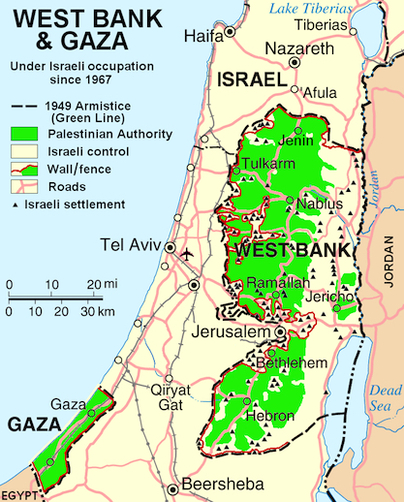
Admitting that he was an optimist who believes his ideas on the path to peace can be successful, Beilin said that even Prime Minister Netanyahu, the ultimate opportunist who had backed the Two-State Solution in the past, could conceivably make a peace agreement. He then laid out a possible solution, involving a confederation of two sovereign states, Israel and the State of Palestine defined by the June 1967 borders.
When asked what could be done to build a movement for peace now, Beilin stressed that he believes in leadership and not a bottom-up approach. Before the Oslo Accords, he added, no one believed in even talking to the Palestinians, but because of one man, former Prime Minister Yitzhak Rabin, it happened, and it was backed by the government, as well as the majority of the population.

When asked whether there was any Israeli leader who could bring peace, Beilin mentioned several names, including General Yair Golan, and possibly even Yair Lapid, the current Opposition leader. However, he entirely ruled out former Prime Minister Naftali Bennett. On the Palestinian side, he stated that the logical successor to Palestinian President Mahmoud Abbas would be Marwan Barghouti, who would be elected overwhelmingly in any election.
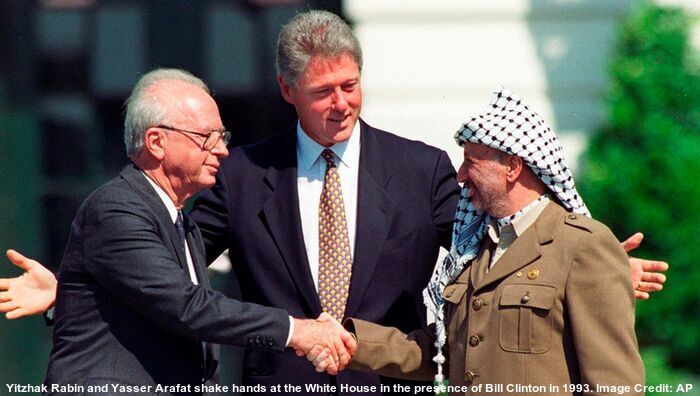
Beilin was one of the close advisers to late Shimon Peres, who had called for a Marshall Plan for the Middle East in 1986 as a means to secure peace. Peres and other Israeli political figures had been exposed to Lyndon LaRouche’s ideas for Middle East development since 1975, when it was featured in LaRouche’s International Development Bank and other writings. The Oslo Accords had a series of articles and annexes that called for various joint economic projects including desalination, transportation and finance, which were never implemented. It was shortly after the accords were signed that LaRouche’s Oasis Plan was first published.

This article was first published in Executive Intelligence Review (EIR) Strategic Alert weekly newsletter (Volume 39, No. 10) on March 6, 2025.
Boundless Ocean of Politics on Facebook
Boundless Ocean of Politics on Twitter
Boundless Ocean of Politics on Linkedin
Contact: kousdas@gmail.com

 ISMC
ISMC Boundless Ocean Of Politics