

Iran-Pakistan Ties & The Baloch Conflict!
These two neighbouring countries recently engaged in missile attacks on each other in Asia. First, Iran launched deadly missiles and drones, targeting the base of militant outfit Jaish ul-Adl in Pakistan’s Balochistan region. Pakistan’s initial response was to take diplomatic actions against Iran, as Islamabad withdrew its ambassador from Tehran, issued a strong protest to the Iranian Foreign Ministry and cancelled all bilateral visits. Later, Islamabad launched missile attacks and destroyed a base of the so-called Pakistani Baloch militants in Sistan-Baluchestan Province of Iran. There were some casualties on both sides in these attacks.
Iran has been warning Pakistan about the terrorist activities of Jaish ul-Adl on its soil for a long time. The outfit carried out deadly attacks on the Iranian Armed Forces and Border Security Forces in the past.
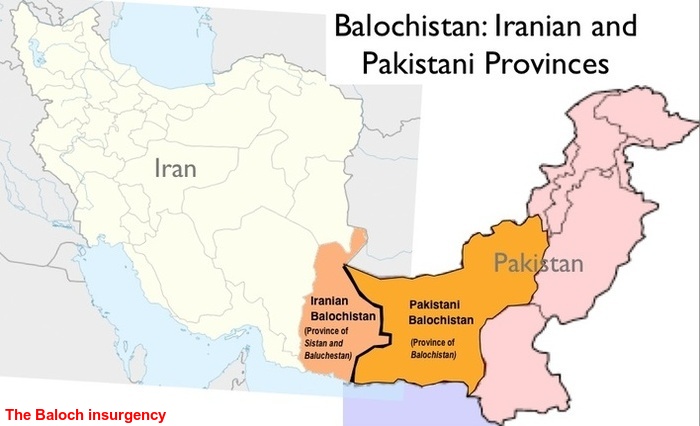
Incidentally, Muslim minorities living in border areas of both Pakistan and Iran have so far not achieved adequate political representation or equal rights. The Baloch people, who live on both sides of the border, share cultural, ethnic, religious and even linguistic ties. Their marginalisation in the two Islamic Republics over time has given birth to several separatist groups who want to build a Greater Balochistan nation-state. Members of these separatist groups often cross the border from both sides to launch attacks on the Iranian and Pakistani Armies. Now, this issue has started affecting bilateral relations, with the two countries accusing each other of sponsoring terrorism.
It is evident in the statements issued recently by Tehran and Islamabad that neither side wants to prolong this conflict in the current global situation. However, there are some other important factors. Pakistan is currently going through a severe financial crisis. There are also concerns about instability along Pakistan’s borders with India and Afghanistan. Defence experts are of the opinion that Pakistan indirectly sent a message to neighbouring India that New Delhi should not launch a surprise attack across its borders in the future (by retaliating swiftly to Iran). Iran, too, is involved in several shadow wars as a backer of the Houthis in the Red Sea region and the Hezbollah militant group against Israel on the Lebanese border in restive West Asia. In such a situation, Tehran would not want to weaken its position by engaging in a new conflict.
Meanwhile, administrations and militaries of both the countries must stop harbouring terrorism. At the same time, they would have to take necessary steps in order to remove the discontent of the minority communities. Else, separatism may re-emerge in the coming days. Instability along the Baloch border (one of the most sensitive Gulf regions in South Asia) and China’s presence in Balochistan, along with its growing activities in the Gulf region, may become a concern for India and other countries in this region in near future.
Unfortunately, the list of concerns continues to grow in Asia.
Boundless Ocean of Politics on Facebook
Boundless Ocean of Politics on Twitter
Boundless Ocean of Politics on Linkedin
Contact: kousdas@gmail.com

 ISMC
ISMC Boundless Ocean Of Politics